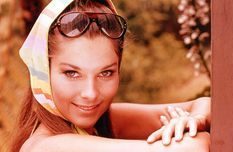
 Paige Young in Los Angeles
Mary Jane Harker. Warner Brothers Actress & Model. 2nd Cousin to Paige Young. Bio. & Photos. Under Construction. 3/6/2026
Posted on April 22, 2025
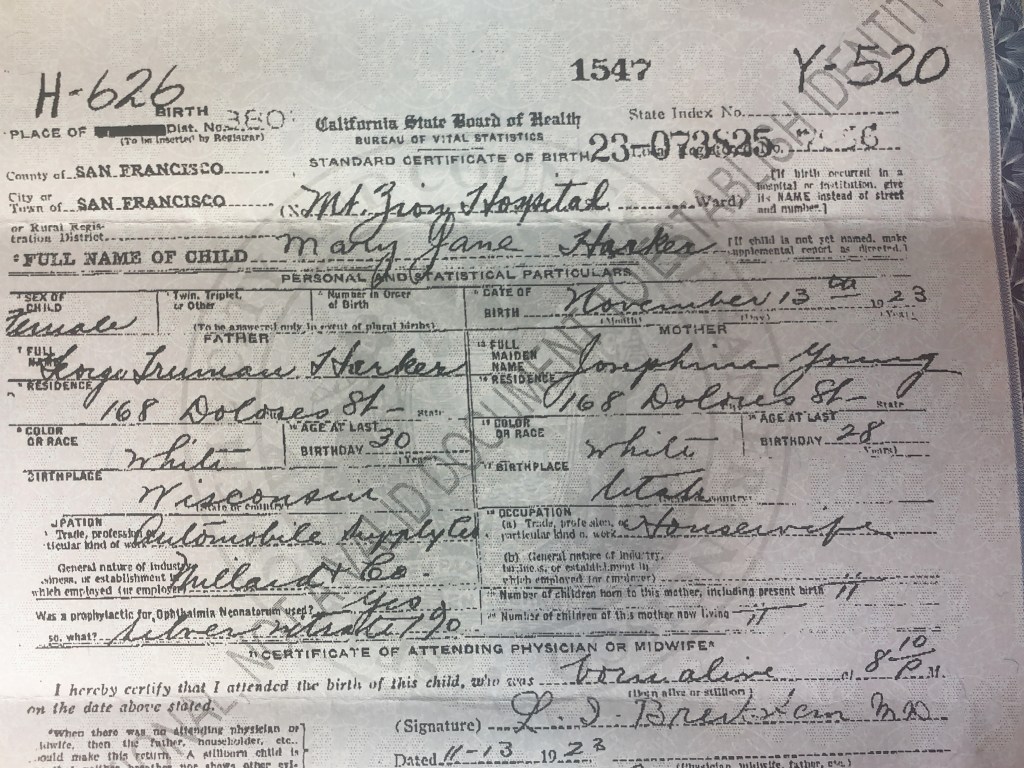
Below are scans of Mary Jane Harker’s birth certificate for proof that she is NOT Jane Ellen Harker of Minnesota that appears on her IMDb entry, and Warner Brothers (WB) wiki.
*Update*
find-a-grave and IMDb have partially updated their information.
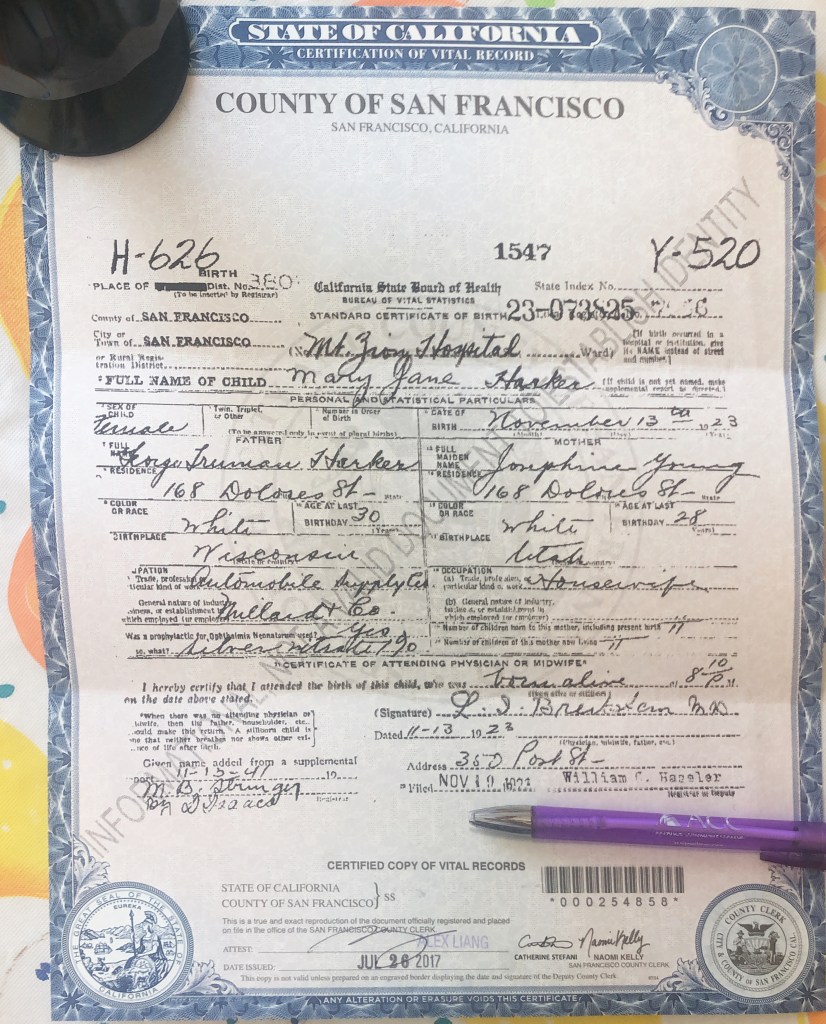
Image of full informational birth certificate copy.
Mary Jane Harker was born on November 13, 1923, in the city of San Francisco.
There are still several websites with the incorrect information about this Harker, a WB contract player for 2 years in the 1940s. Including the WB wiki.
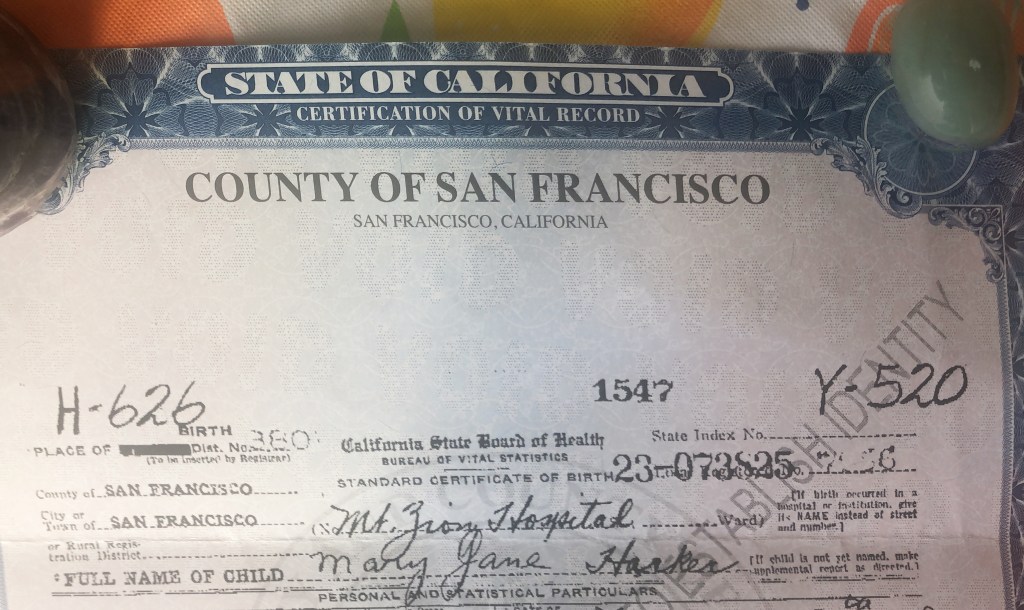
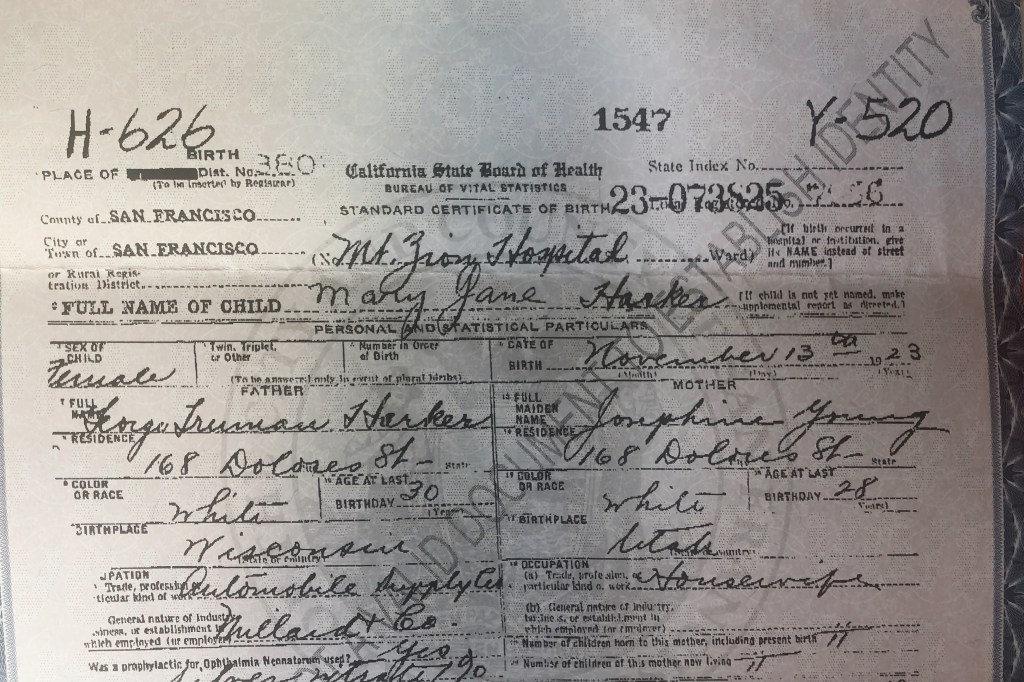
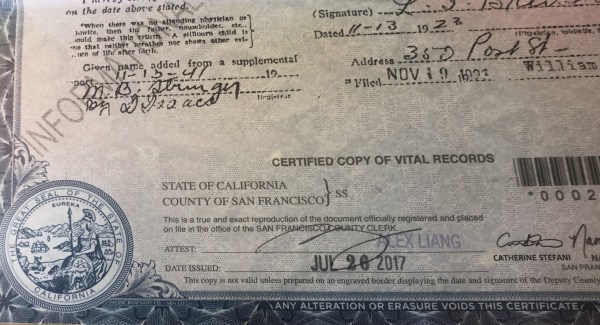
Seal and certification of California birth information.
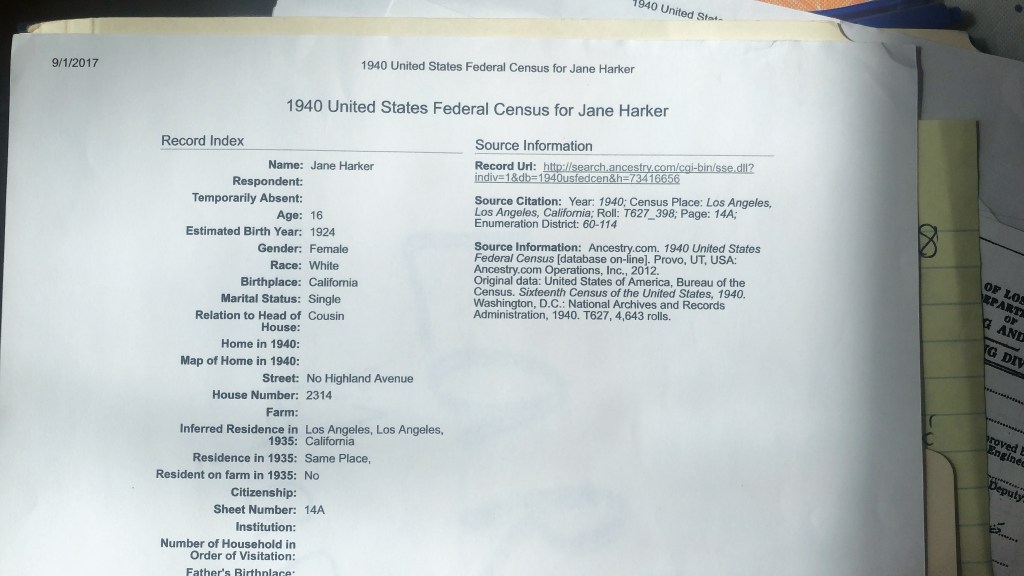
1940 Census. Jane Harker is living on No. Highland Ave. in Los Angeles. Birthplace “California.”
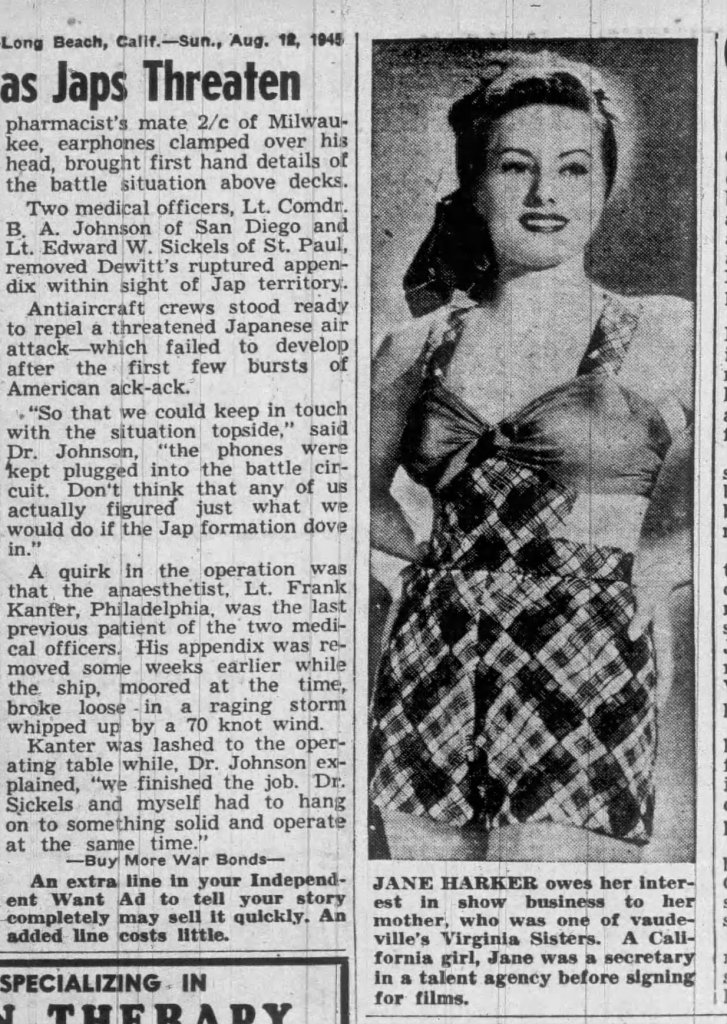
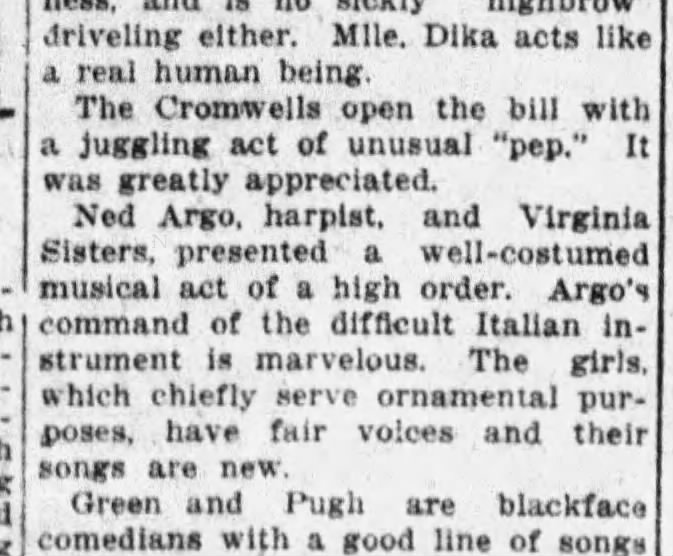
As this article states, her mother Josephine was a vaudeville performer, often with her sister Virginia.
They used the name “The Virginia Sisters.” Notice it says “California Girl” not Minnesota.
*Below note the Vaudeville group the Virginia Sisters that is written about in the above article*.
Virginia and Josephine Young (Jane Harker’s mother) form a Vaudeville act with Virginia’s husband, Ned Argo.
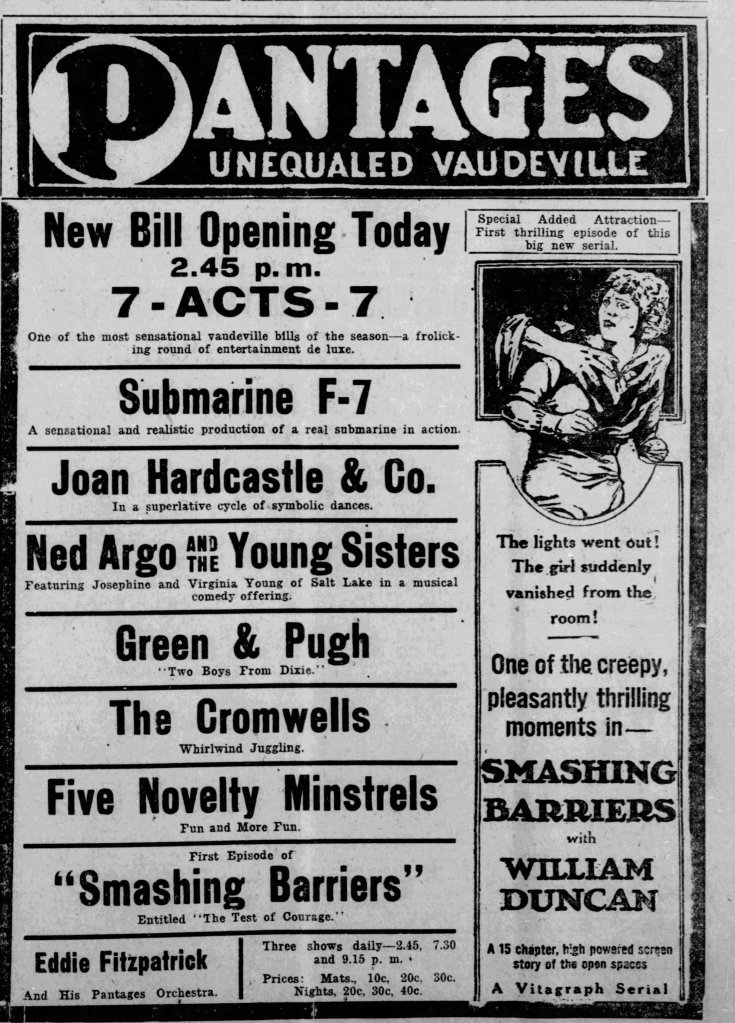


Jane Harker’s mother originally from Salt Lake City. Brigham Young is an ancestor.
Salt Lake Tribune Jul. 19, 1945
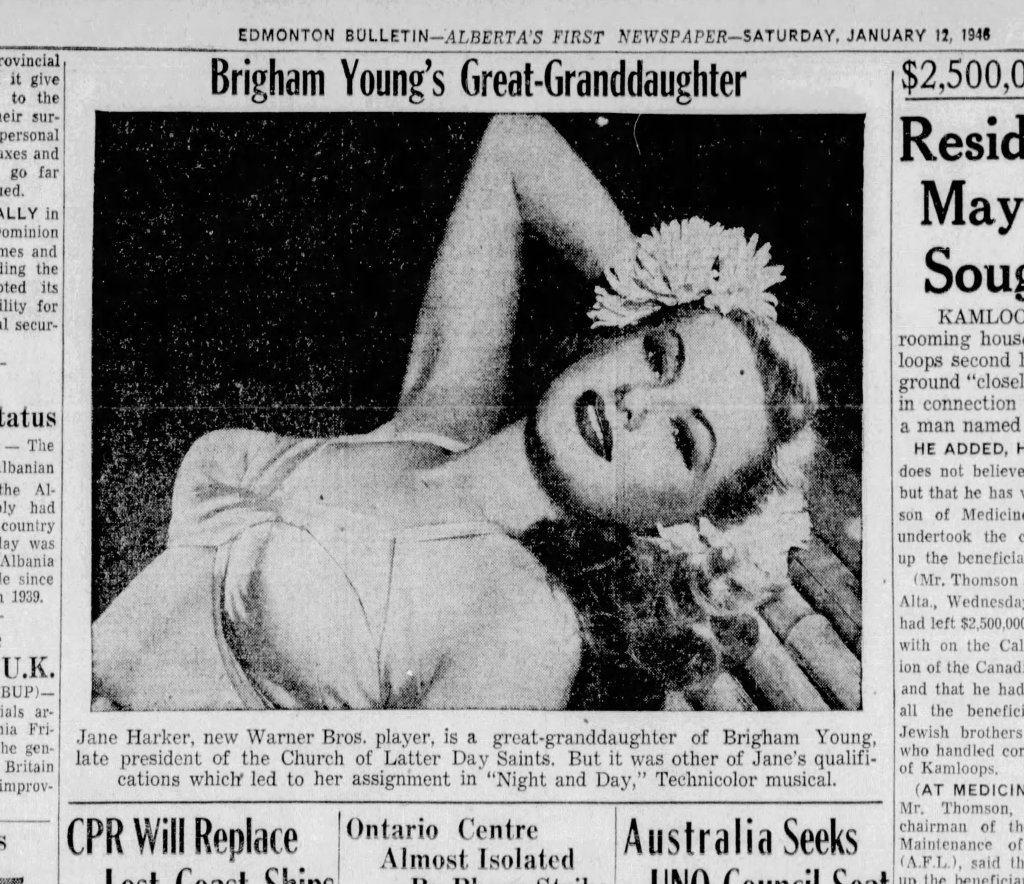

There is also much more on Jane Harker, model/starlet. She worked with some of Hollywood’s biggest stars during her brief career at Warner Brothers studio.
Jane appears in an obscure Noir film: The Unfaithful starring Ann Sheridan. Also starring Angels Flight, one of the last remaining relics of Bunker Hill in Los Angeles.
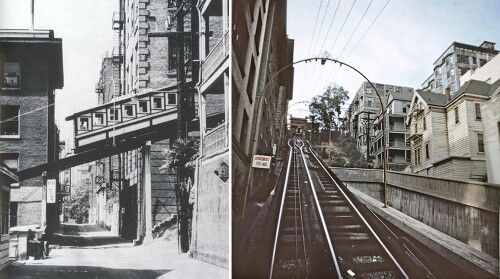
Christina on Pinterest, who says it is Angels Flight in the 1940s. This is when Jane would be filming The Unfaithful starring Ann Sheridan, Eve Arden, Peggy Knudsen.
This film has been shown on TCM a few times. Other classic movies feature Angels Flight. Way before LaLa Land.
More on Jane’s movie career will be written about soon. First, here are glamour Hollywood promotion photographs and press about her ancestor, Brigham Young.
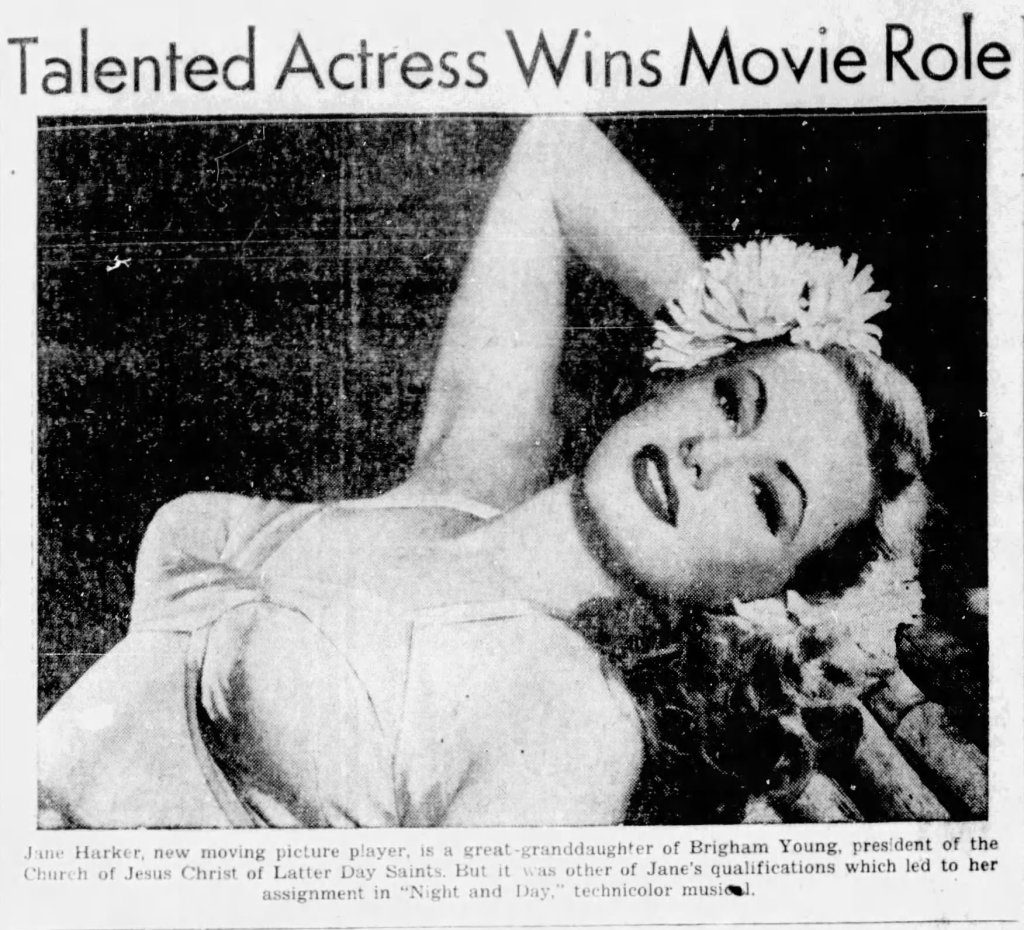

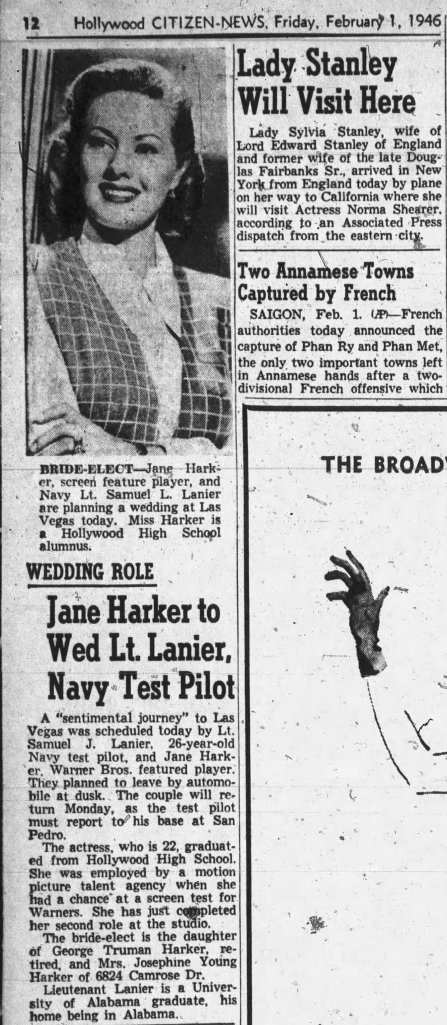
Jane retires from Hollywood to marry a Navy pilot. Much more on this soon. All these articles show She was born in San Francisco.
Martinez News Gazette Apr. 15, 1947. Harker quits Hollywood career for marriage to Navy flyer.

“A native of San Francisco”
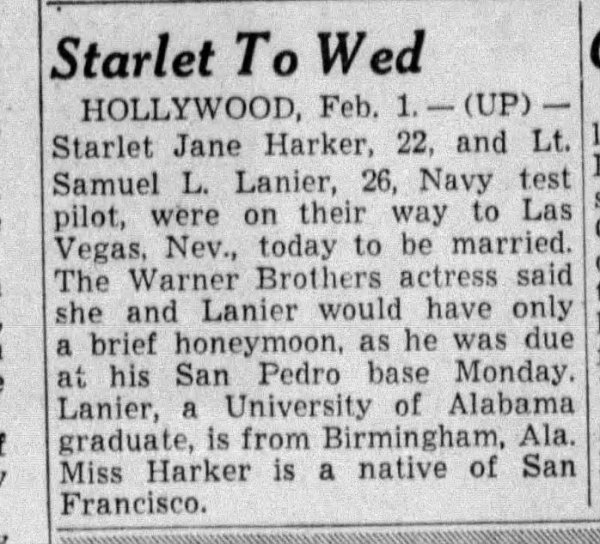
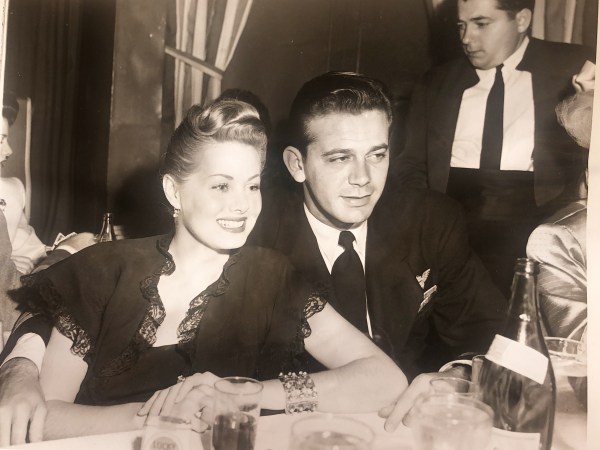


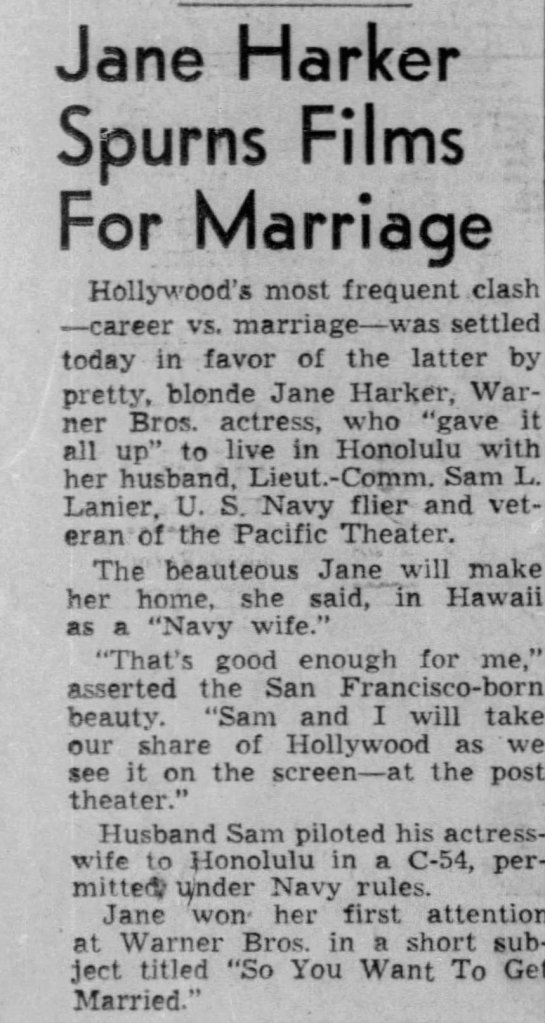
Jane and Capt. Sam Lanier married and had 4 children.
The family lived in San Diego, Hawaii. Around the late 60s, they settled in Jacksonville, florida for a long time. Then, Ponte Verde, Florida where Jane died in 1988 at the age of 64.
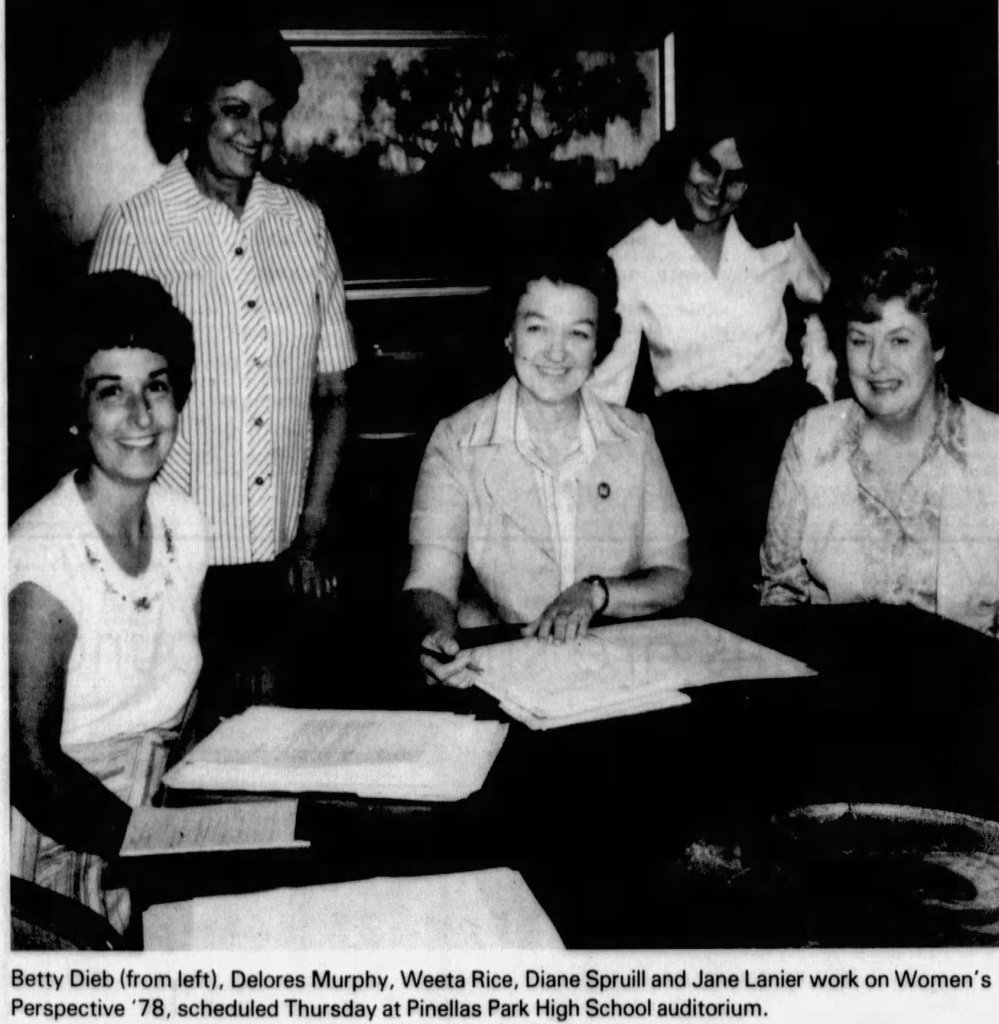
Tampa Bay Times Oct. 22, 1978 Jane Lanier on right. She had 10 years left in her life.
Death record of Jane Harker Lanier Ancestry.com
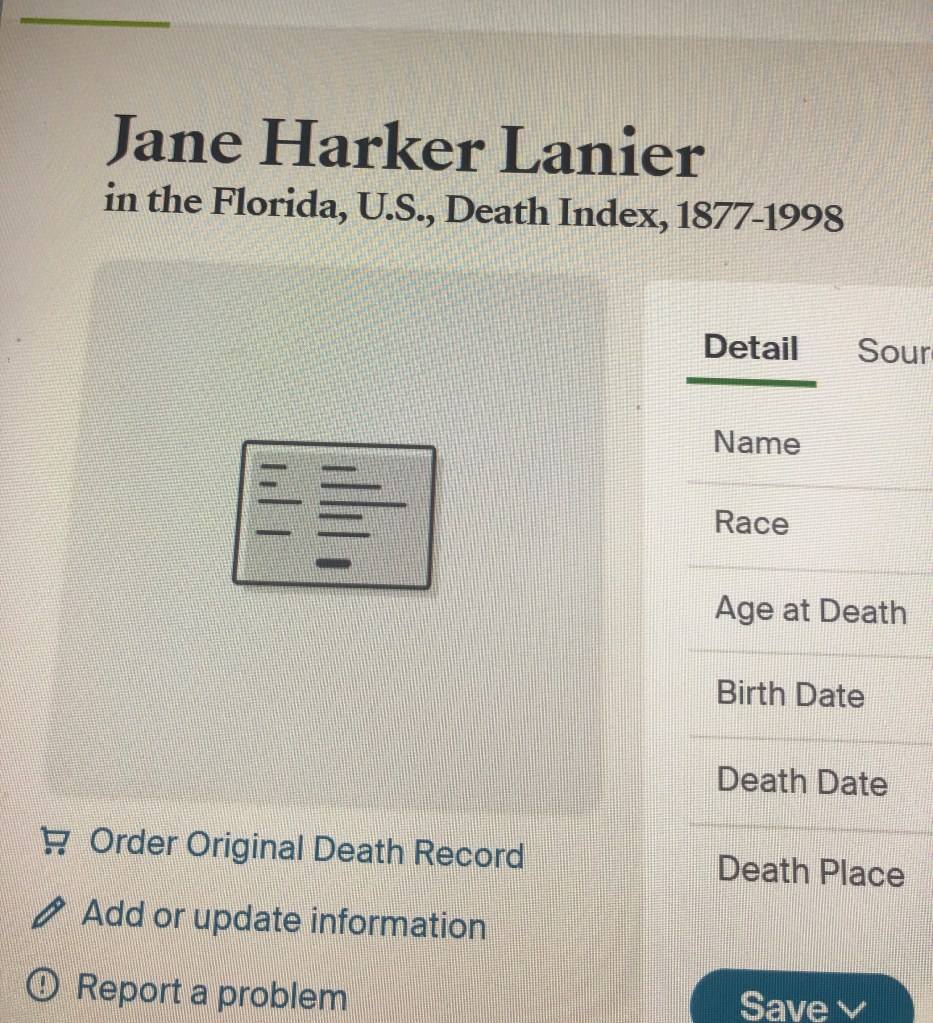


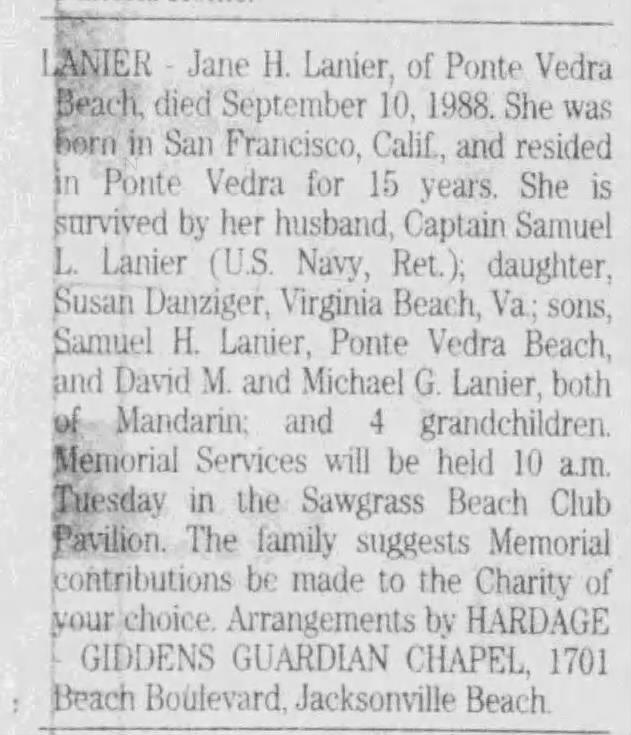
Much more on Jane Harker’s family and brief Hollywood career.
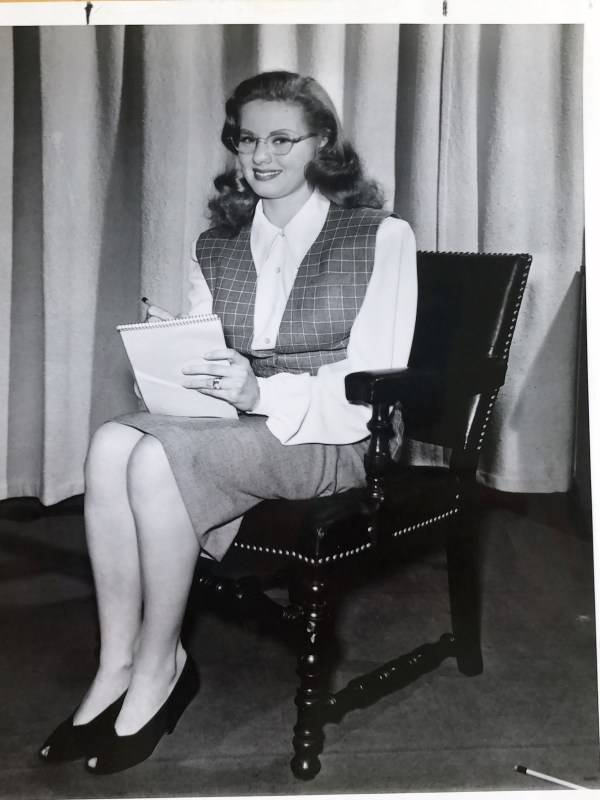
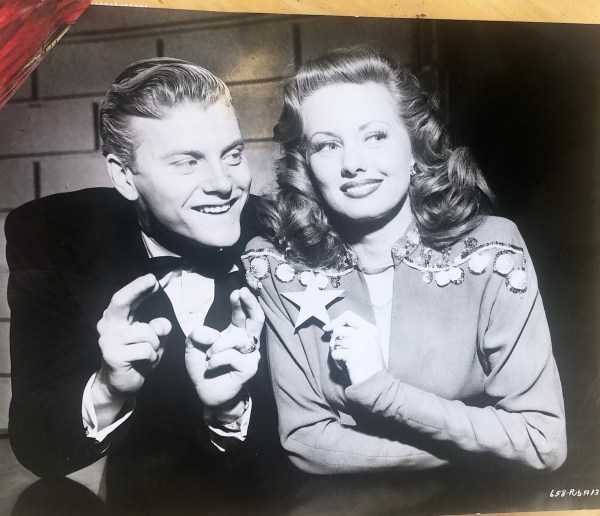
8 x 10 B&W I purchased this on ebay.

The Mary in Mary Jane would soon be dropped. This photo was published in Movie Life Magazine, Sept. 1945. Publicity for Miss Harker’s own Hollywood Myth. I read many news articles that said she was a secretary hiding her beauty behind a pair of glasses.
Harker may indeed have been a secretary to an agent, but Jane had been studying at the Geller Theatre Workshop for a few years and appeared in a few plays at the Geller Theatre. More on this below.
1930
Mary Jane Harker was living with her family in South Pasadena, California on Fletcher St. according to the census information.
Father: George Truman Harker, Mother: Josephine Harker, Brother: Jack Truman Young Harker.
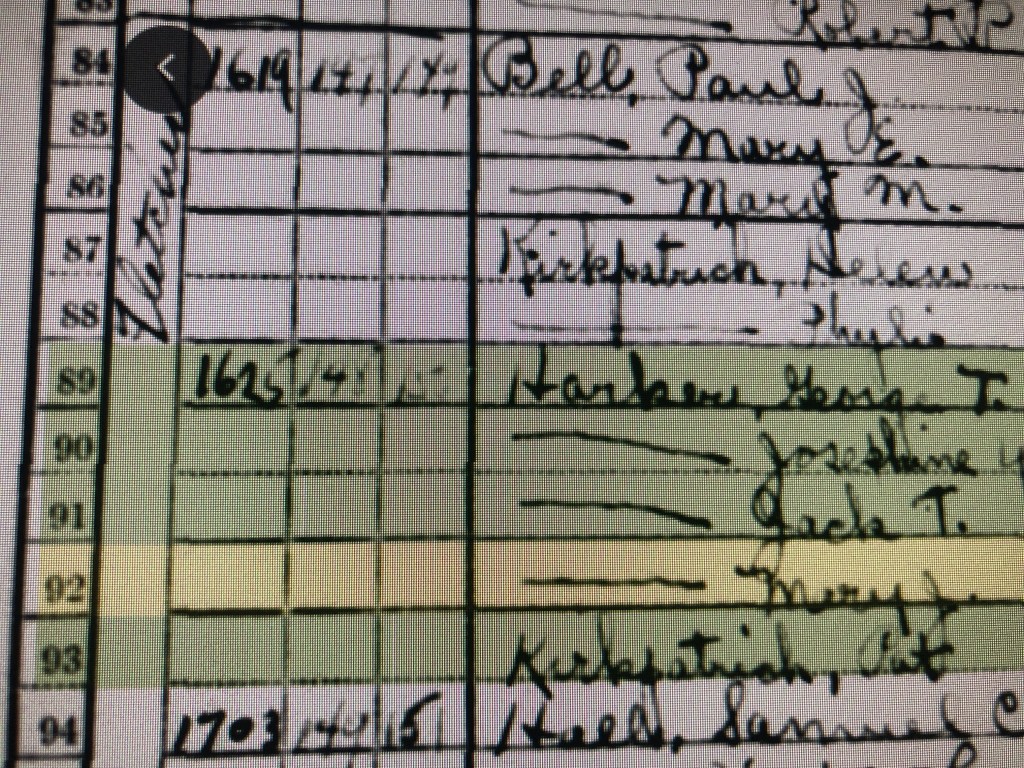
Mary J. highlighted in yellow–father George T. Mother Josephine and brother Jack T.
They also had a live-in housekeeper named Pat Kirkpatrick listed under Mary J.
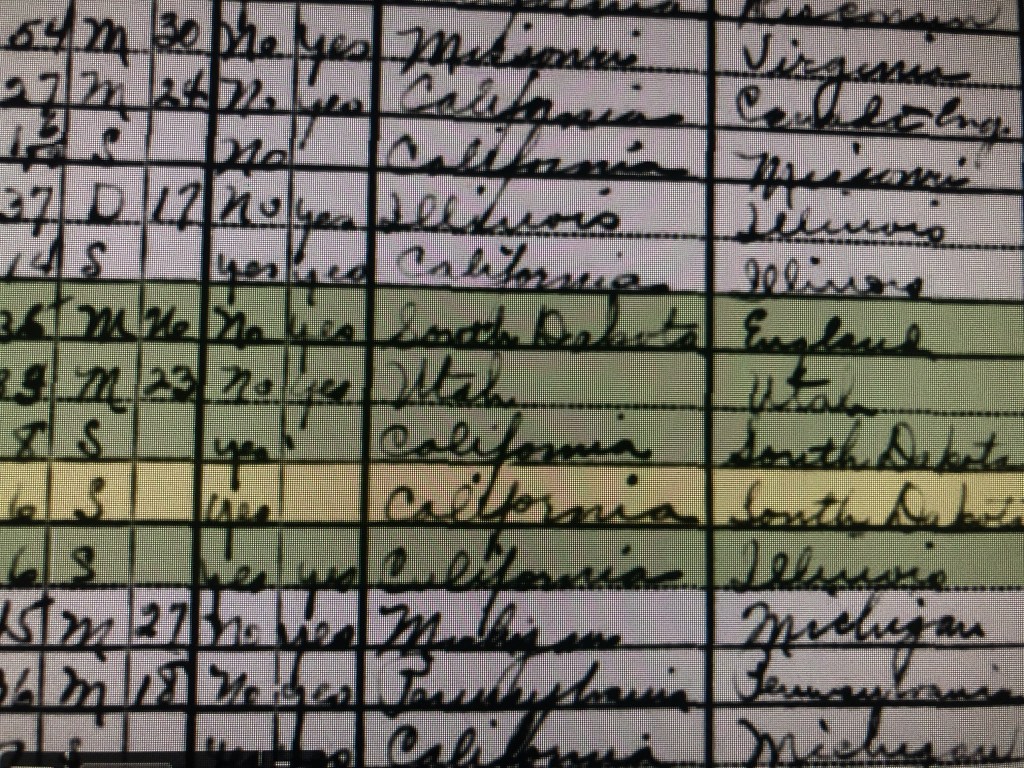
Yellow line is Mary Jane, she is 6 years old—born in California. George T. was from South Dakota. Josephine-Utah, Jack Truman-California.
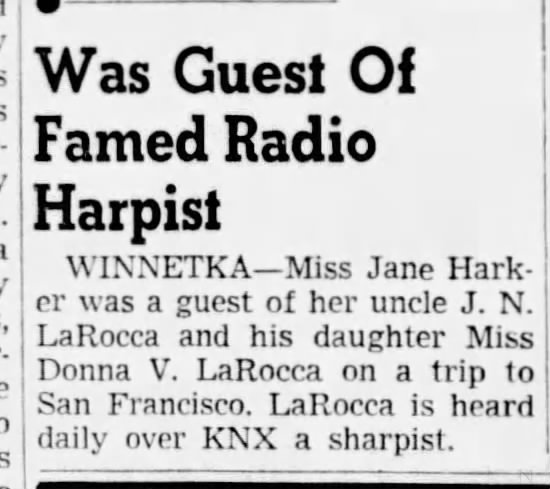
SFV Times Jul. 7, 1938 Jane goes with her Uncle Ned, harpist, and her 1st cousin Donna V. on a trip to San Francisco.
As you recall, Jane was born in this city in 1923.
Donna V. LaRocca was the mother of Paige Young.
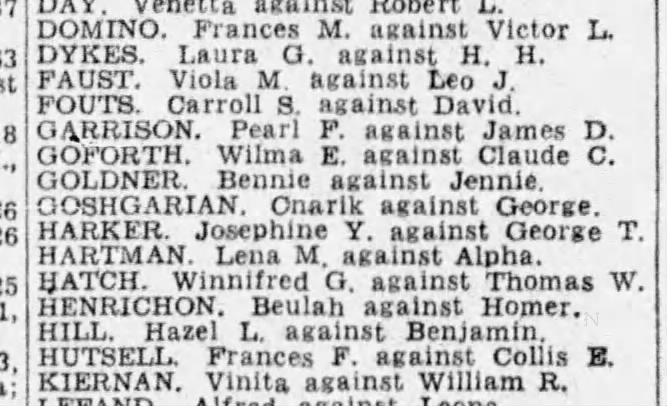
1937 Josephine and George T Harker divorce.
I found this under the heading
DIVORCE SUITS FILED

May 28, 1937 LAT
This under^^^^^^DIVORCES GRANTED. June 23, 1937. LAT
. An unusually brief time from filing to granted.
Enter Neyneen Hamilton
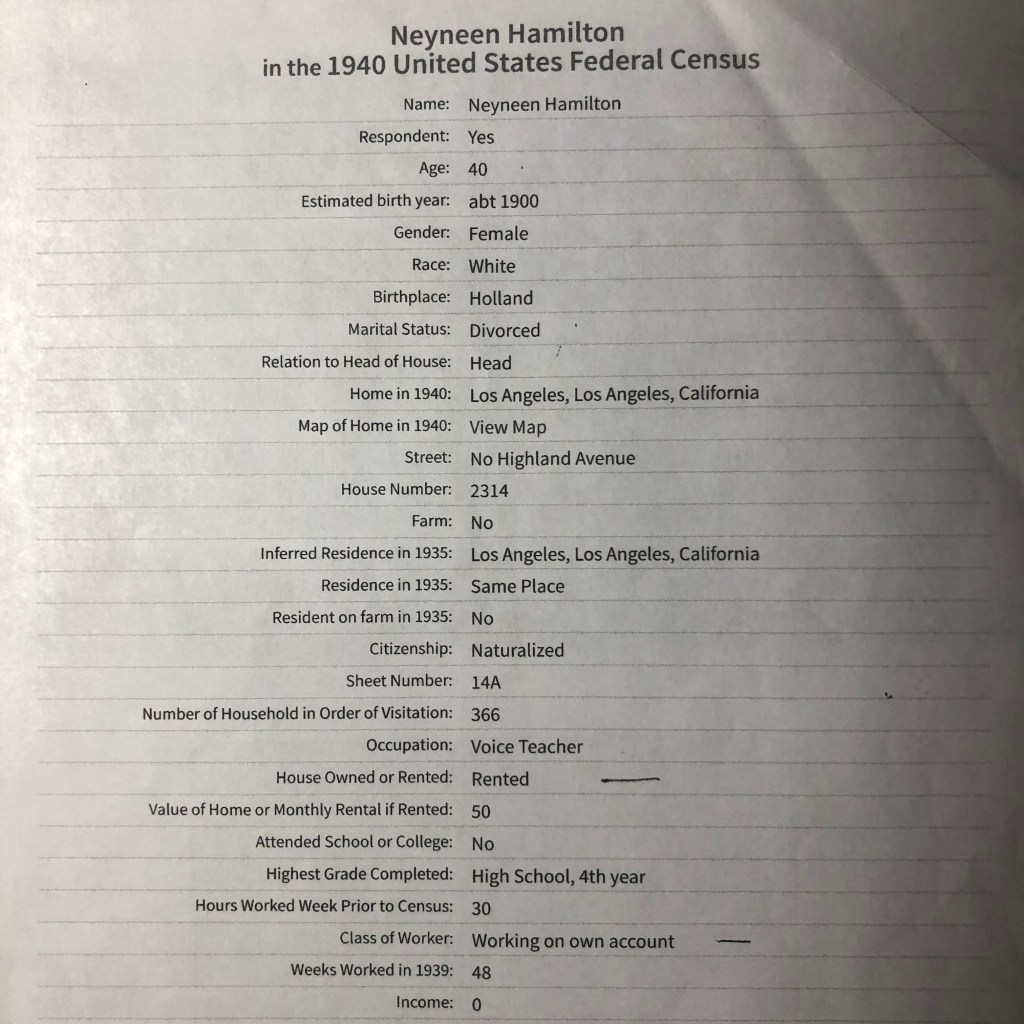

This address on N. Highland is now a street leading to the 101 Fwy.
Jane is 16 years old and living with Neyneen and Gloria, also 16.
In 2 years Jane would be Queen of the Prom in Reseda, San Fernando Valley.
Neyneen was from a musical Mormon family as was Josephine Harker, and they were cousins. Both moved to Los Angeles.

It’s possible Jane was going to Hollywood High School at this time. The adult in the home was Neyneen, a local voice teacher and relative from Utah.
A few press articles about Jane Harker say she graduated from Hollywood High.
More truthfully, she went to Hollywood High but was now back up in the Valley.
In 1942 she is elected Prom Queen her Senior year.
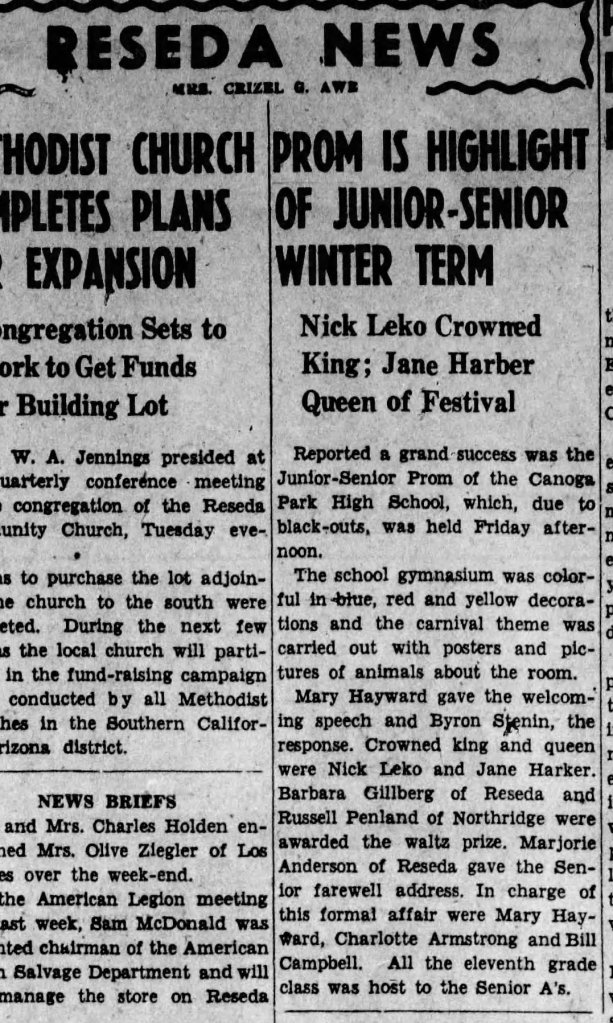
1942 and Jane Harker is named Queen of the prom at the Canoga Park High School.
The headline misspells her name but the article gets it correctly.
Jane Harker’s Hollywood publicity states she was “discovered” as a secretary for an agent. And all they needed to do was “remove her glasses,” and Jane was “star-ready.”
Look at the following press articles.
It indicates that Mary Jane had a prior plan for entering the Hollywood industry.
The evidence:
GELLER THEATER WORKSHOP
Los Angeles Times Jan. 13, 1945 Geller write-up says Jane Harker was already at Warner Bros. studio. Bottom of first paragraph.
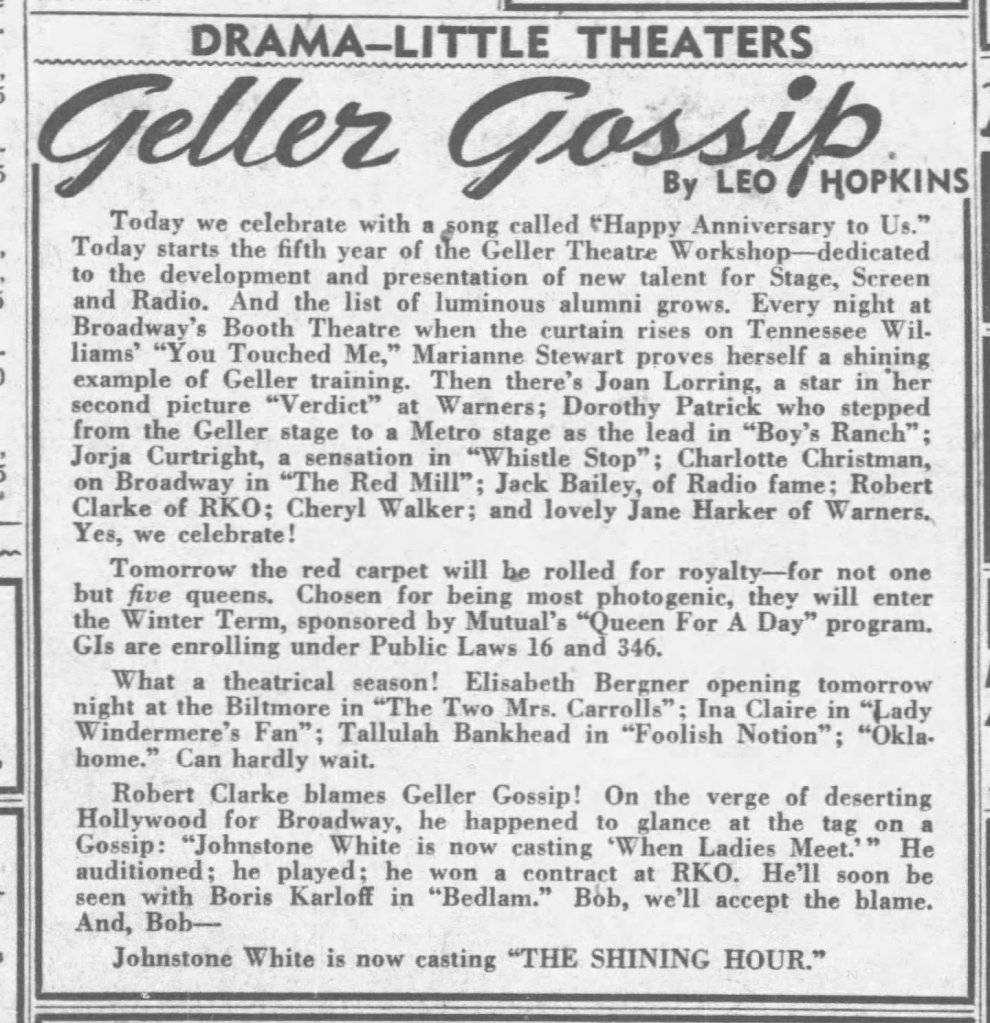
Geller Gossip was a semi-regular column in the Los Angeles Times.

Stardust Row column


Another Stardust Row Column which also associated with the Geller Theatre. End of first column mentions Philadelphia Story is playing at the Geller Theatre.
Jane Harker is listed in the case at the top of the 2nd column.
Jane finished her role in Night and Day at Warner Bros.
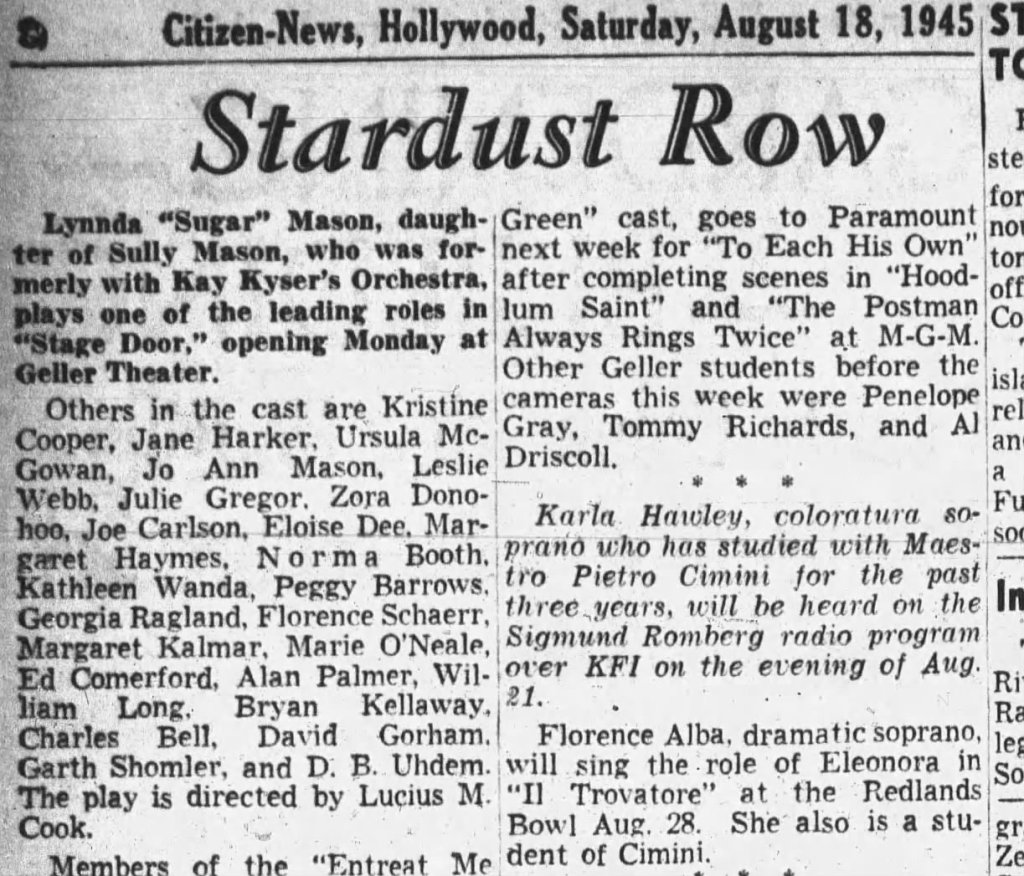
Stage Door has Jane Harker in the cast, she’s listed in the 2nd paragraph.
Geller article mentions their students “before the cameras” this week. Work as extras? One line?
This was a great way for Geller to promote themselves to prospective students. This school can get you exposure to Hollywood agents and scouts.
Some students were called to be extras on the set of The Postman Always Rings Twice. Second paragraph.
No one guessing, I’m sure, that the film would become one of the most revered Hollywood studio classics of all time.
More on Parents Josephine and George T. Harker
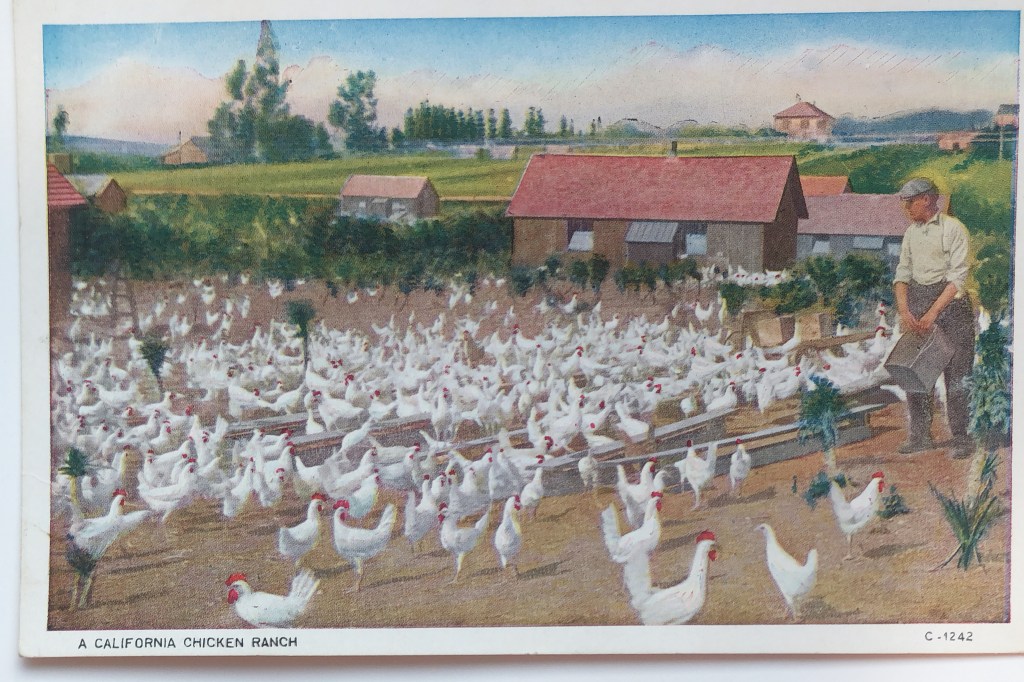
Josephine is listed as “owner of a chicken ranch” in the 1940 census. Jane’s brother Jack T. is listed “poultry worker.” Josephine and George had been divorced since 1937. The announcement of filing and divorce is shown earlier in the chapter.
I think Josephine won the chicken ranch in the divorce. She tried to make a go of it.
I’ve read that the areas of the SFV, especially Reseda, Canoga Park and Winnetka, were a popular location to own and operate chicken farms.
The Arminta house with adjoining chicken houses owned by the Harkers, was razed in 1968.
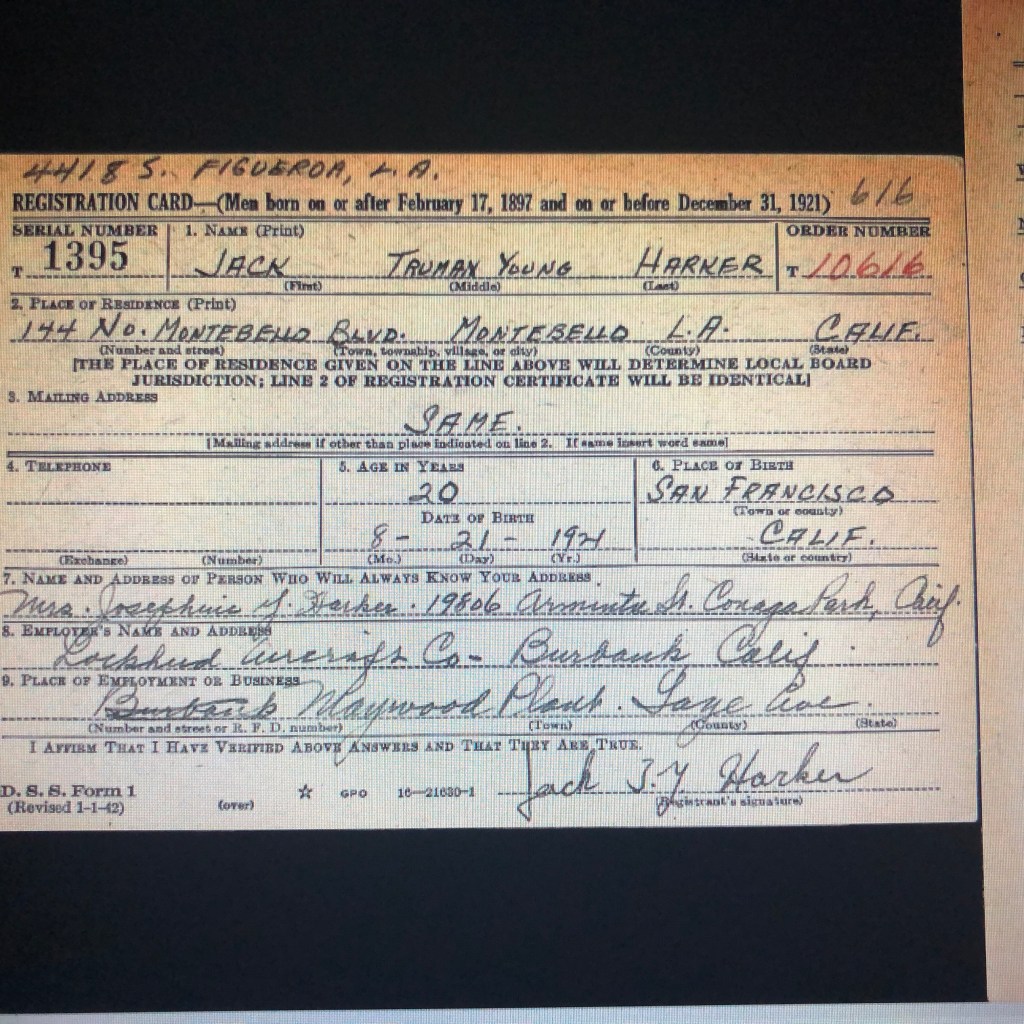
Jane Harker’s brother, Jack Truman Young Harker, signed up for service in WW2. Notice he uses his Mother Josephine’s Arminta address for a contact. I don’t know what he was doing in Montebello at this time.
Says he works for Lockheed Aircraft in Burbank. Jack Truman did serve in WW2.
Paige Young’s father Robert Cotterell, spent many years working for Douglas Air.
I bet there are zero remaining chicken ranches in that area now.
1945-1947 The World of Warner Brothers Studio
Jane’s short career coincides with the popularity of GI pinups during and after WW2. These were largely produced by Hollywood photographers and publicists.
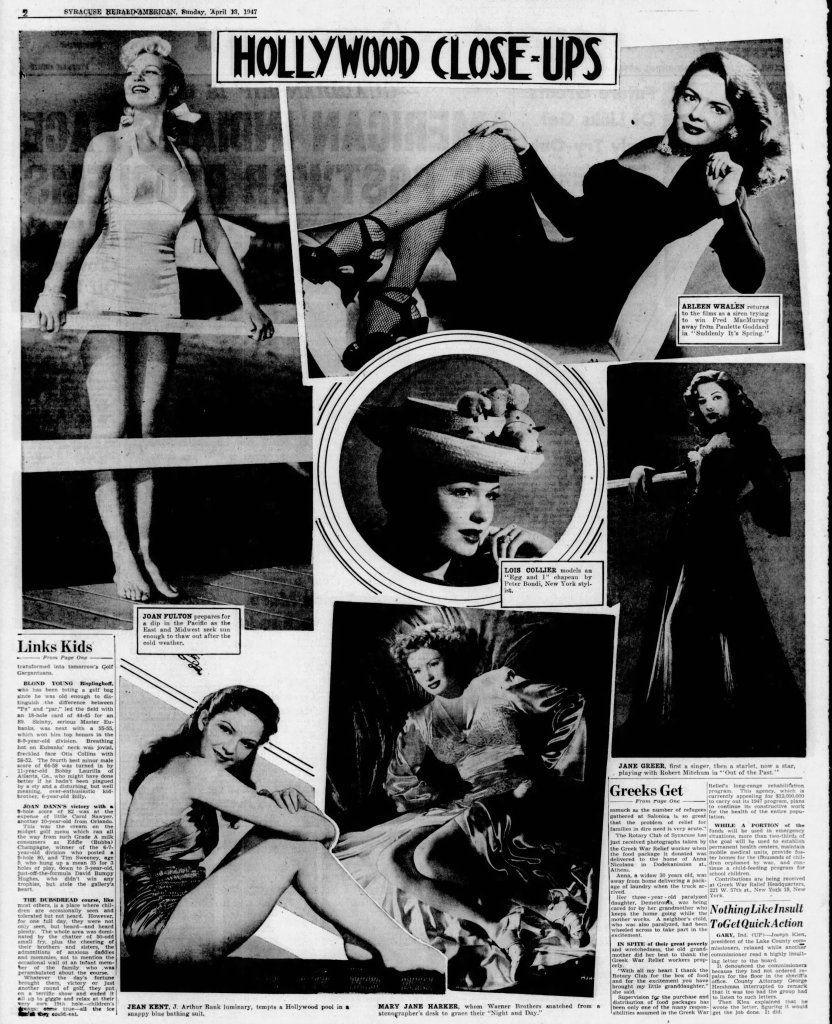
100s of photos of Warner Brothers Studio (WB) starlet Jane Harker were seen in newspapers across the USA. And a few “movie star” magazine of the era.
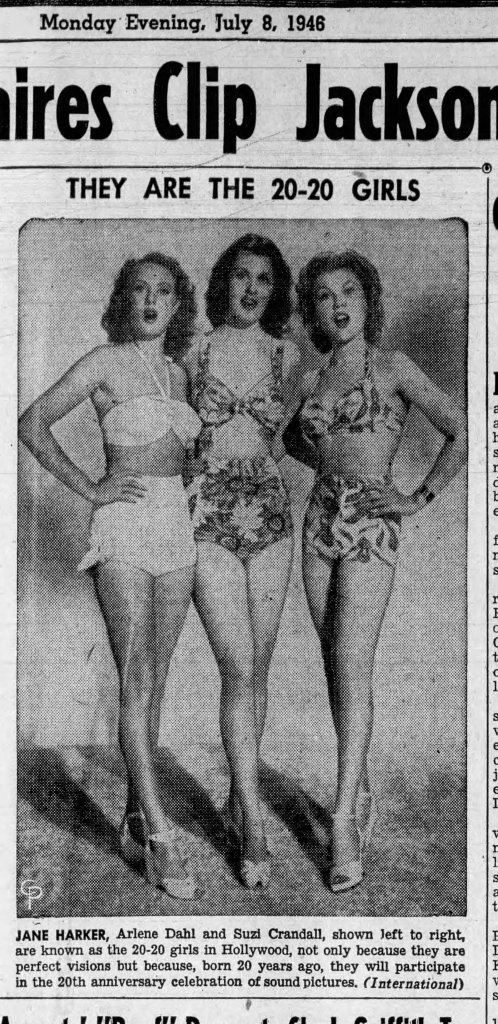
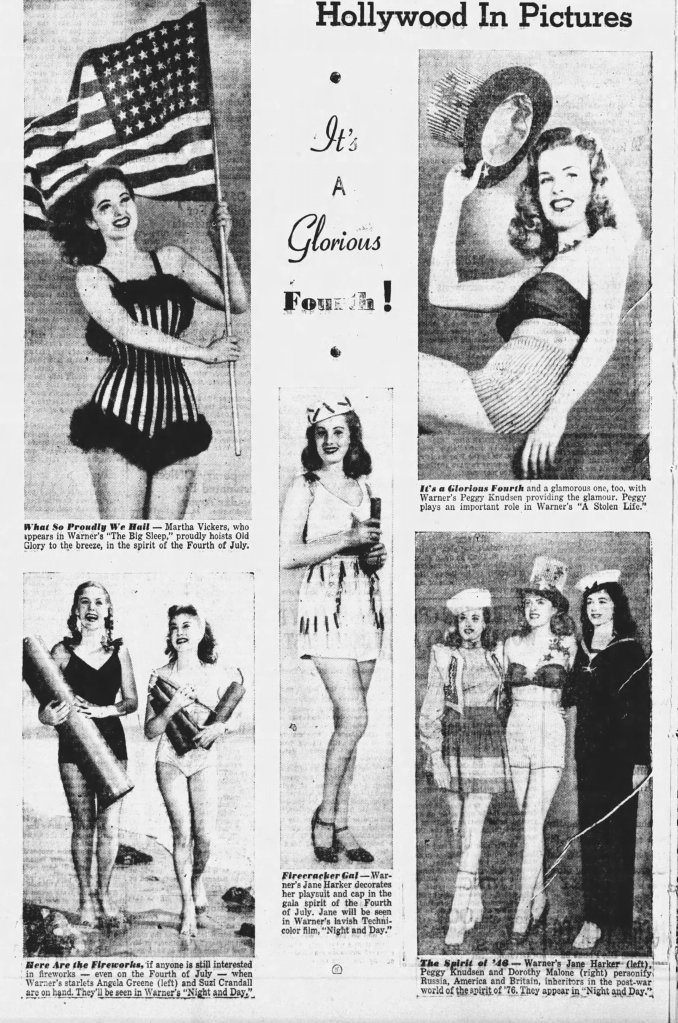
Of course, WBs was promoting other young starlets in cheesecake/pinup photos at the time like Jane’s fellow contract players: Peggy Knudsen, Dorothy Malone, Andrea King, Angela Greene, Suzi Crandall, Arlene Dahl and Martha Vickers.

Here we see a Studio image combining pinup and patriotism on the 4th of July. Pinups of the era were considered a symbol of patriotism.
From left: Peggy Knudsen, Suzy Crandall and Jane Harker. This image was used on a recent book cover.
credit: Debbie Rich Pinterest
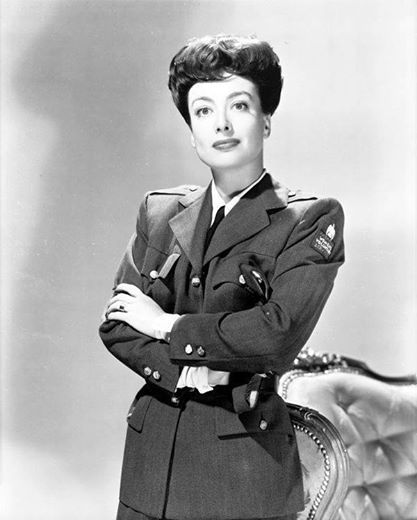
Way above these starlets in bit or minor parts were the Leading Ladies of WB in the 1940s: Bette Davis and Joan Crawford.
Ann Sheridan was an up-and-comer at Warner Brothers working her way up the ladder of stardom. Sheridan wanted to be offered interesting, challenging roles like Bette and Joan.
Davis and Crawford were not posing for cheesecake/pinup type photos at this time in their career. Earlier though, they did their share of establishing Hollywood Glamour photography as a genre.
A genre that conveys sex-appeal as much as the pin-up.
In collaboration of course, with studio photographers, George Hurrell, Wellbourne and Clarence Sinclair Bull. (To name but a few.)
During WW2,
Bette Davis and actor John Garfield joined to form the Hollywood Canteen, a free club for service members.
Joan Crawford dedicated many hours to the Hollywood Canteen. She was one of the first Hollywood stars to join the USO, according to Google AI.
Bette Davis with John Garfied behind her, signing autographs for service members at the famous Hollywood Canteen.

Shortly after the war ends
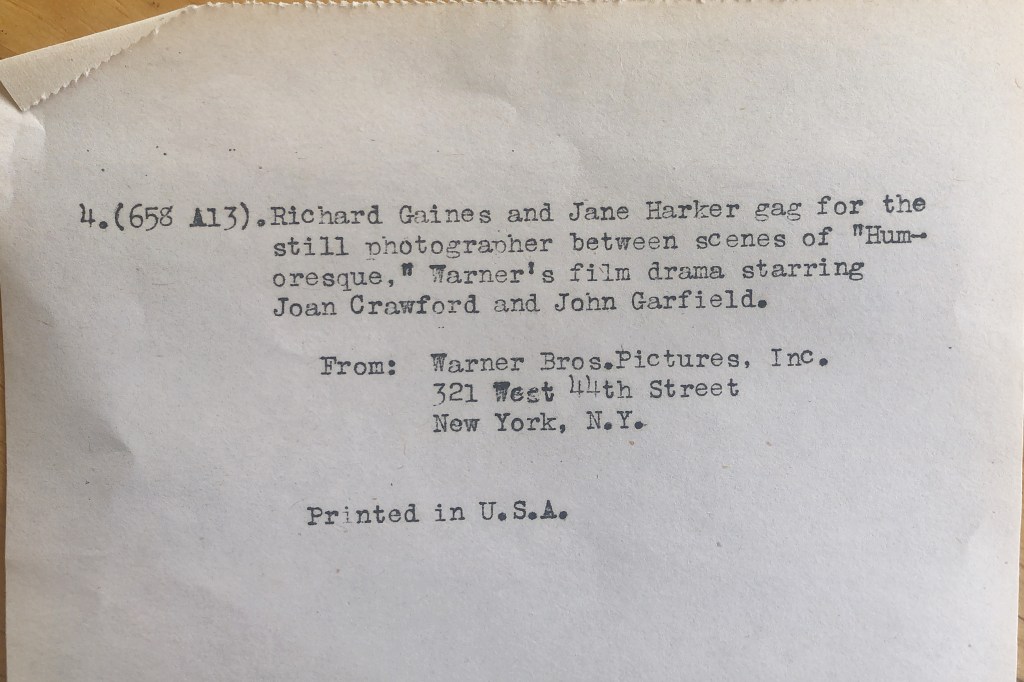
Jane Harker appears in Deception with Bette Davis, 1946 and with Joan Crawford in Humoresque, 1946.
Garfield co-starred with Crawford in Humoresque, one of Jane Harker’s most memorable Hollywood roles. Brief though it is.
Ann Sheridan from Texas was an up and coming actress/starlet promoted as the Oomph Girl, a Hollywood campaign to boost her career.

Ann Sheridan image used in an advertising campaign for Signal Gasoline.
1940s. Promotion was to show up and get this free photo of Ann!
Tony Steffer Pinterest
Oomph Girl caught on!
Jane Harker appeared with Ann Sheridan in The Unfaithful 1947.
It was one of Harker’s biggest roles in her repertoire of small and bit parts..
Ann Sheridan was ambitious for the interesting and challenging roles that Bette and Joan were offered.
Later she expressed mixed feelings about the “pin-up” and Oomph image, and wondered if it cost her any roles.
Other well-known actresses and lesser known starlets, became pinup favorites of the GIs during WW2.

During the war, the most famous pinup photos were of Hollywood stars Betty Grable, 20-Century-Fox and Rita Hayworth, Columbia. The photos appeared in Yank! Life and other widely read magazines.
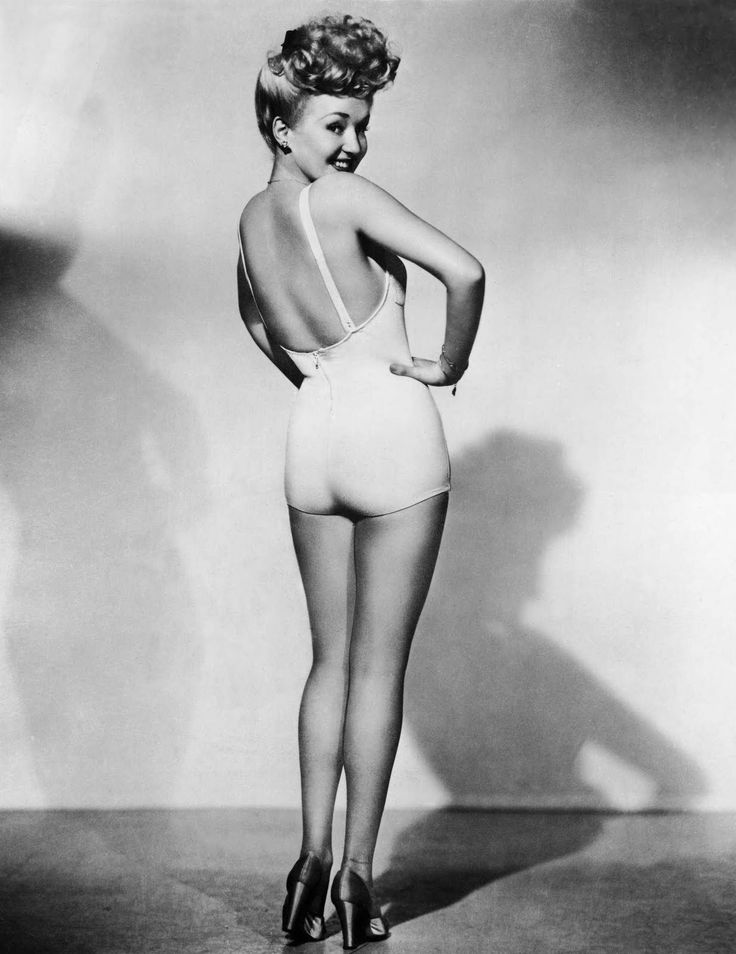
Betty Grable’s quintessential WW2 pin-up photo. Produced by a Hollywood studio photographer named Frank Powolny. It was a promotion of Grable’s movie Sweet Rosie O’Grady.
this first section FEATURES several of Jane Harker’s pinup AND Hollywood Glamour style photos. PRIMARILY newspaper clippings.
And a few 8×10 original photos.

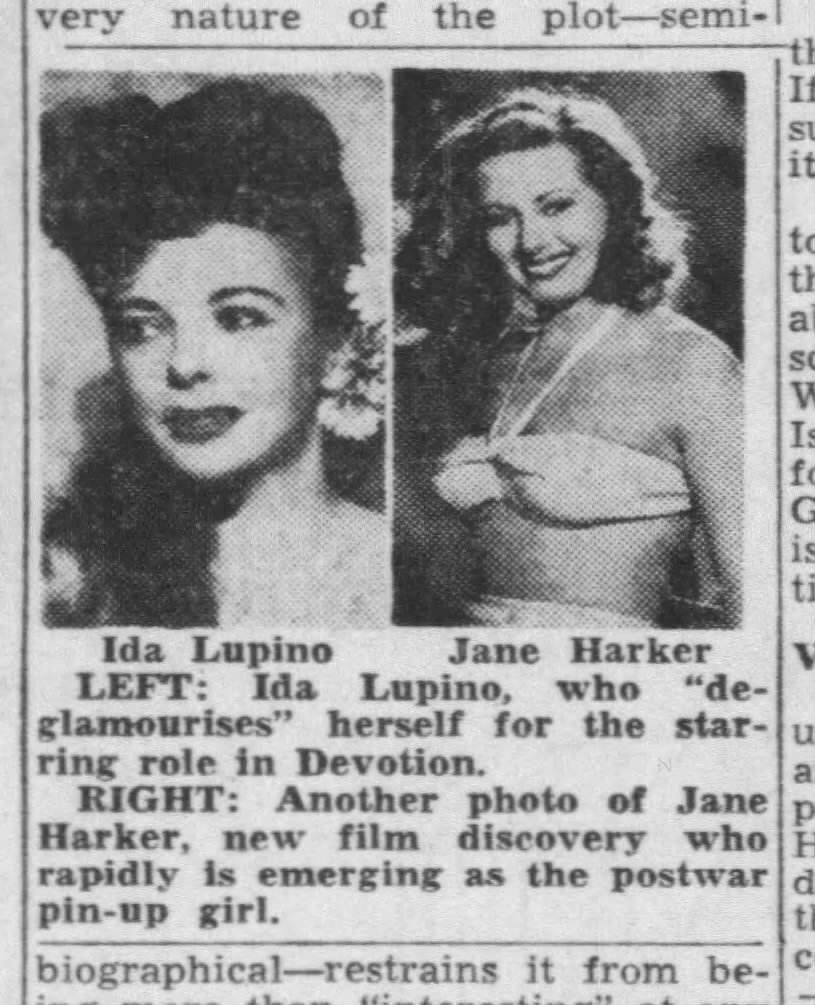
Buffalo News Dec. 19, 1945 Promoting Warner Bros. Night and Day starring Cary Grant and Alexis Smith. Jane has a small role.
Promoted as a “New Pin-up Girl”
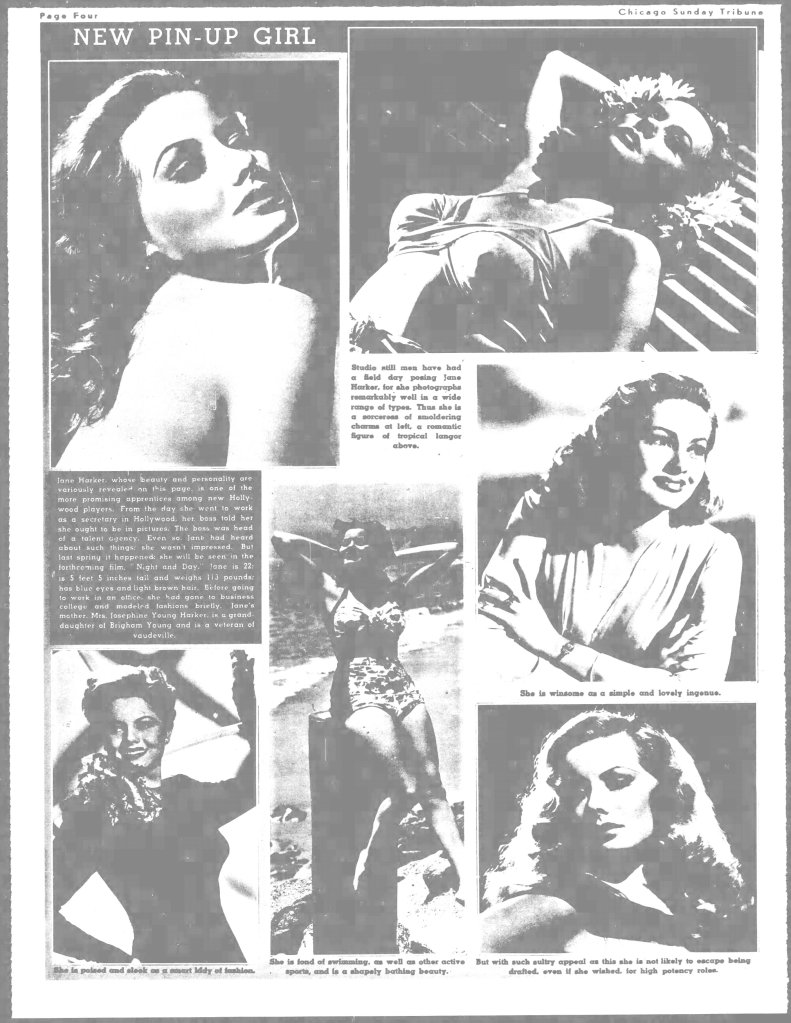
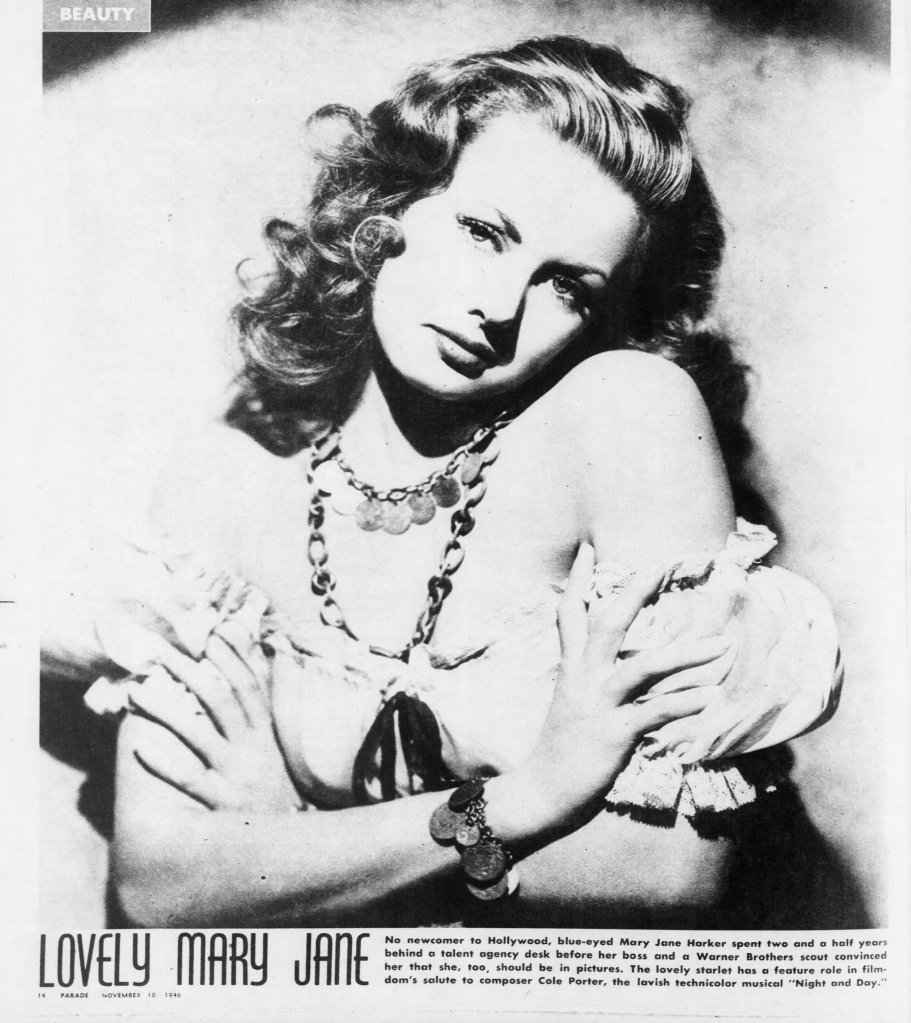
Florida Times Union 11/10/46
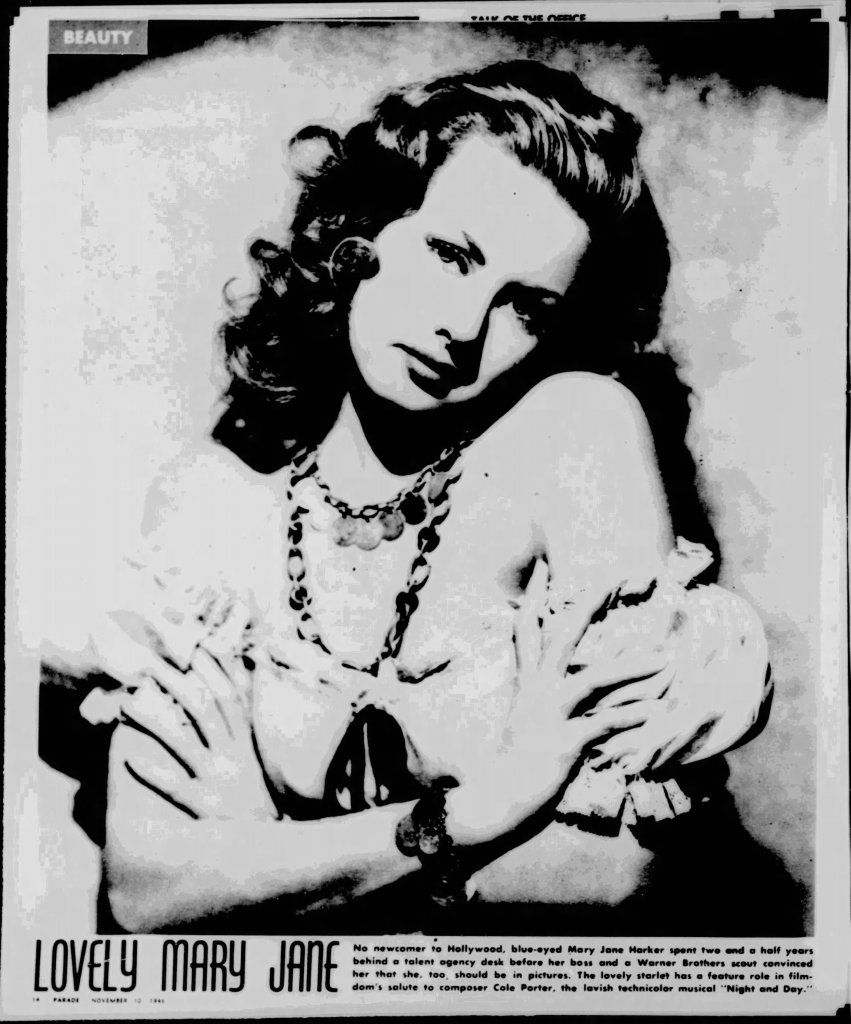
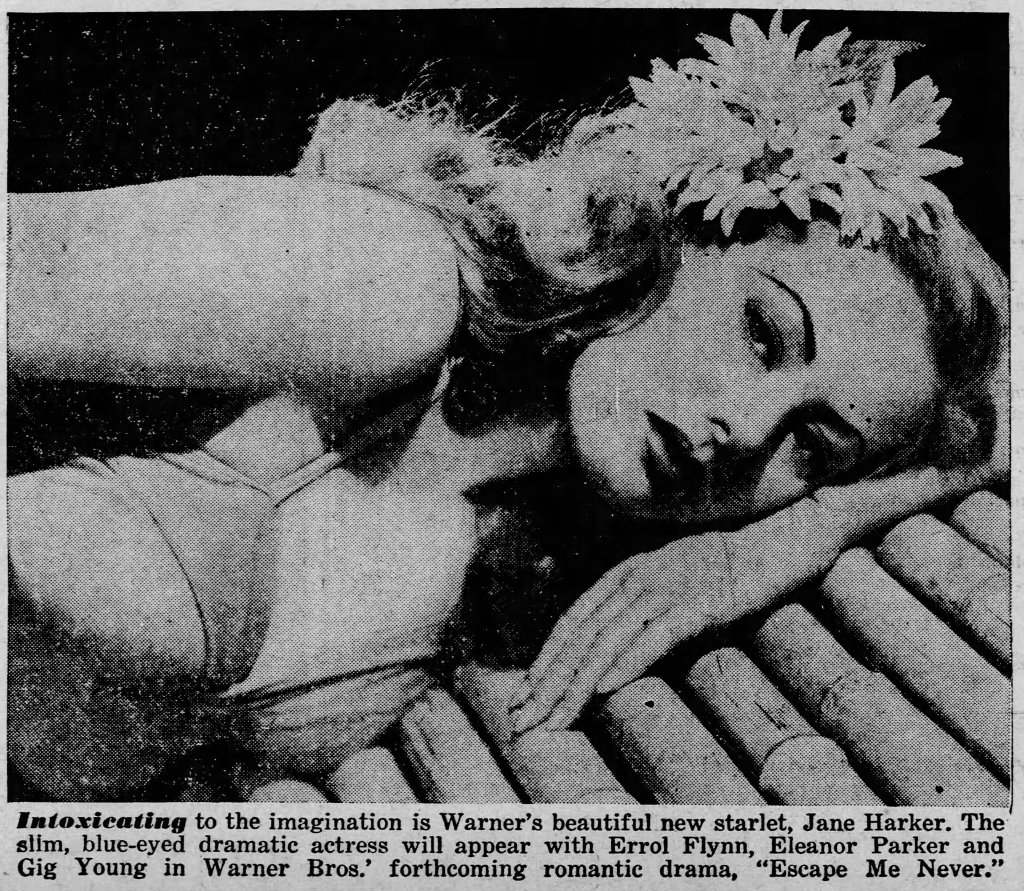
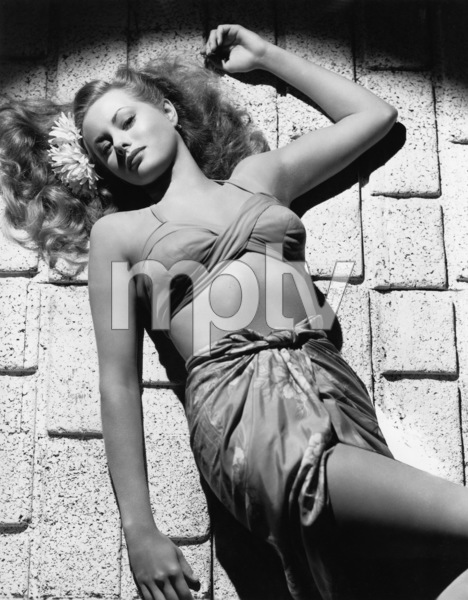
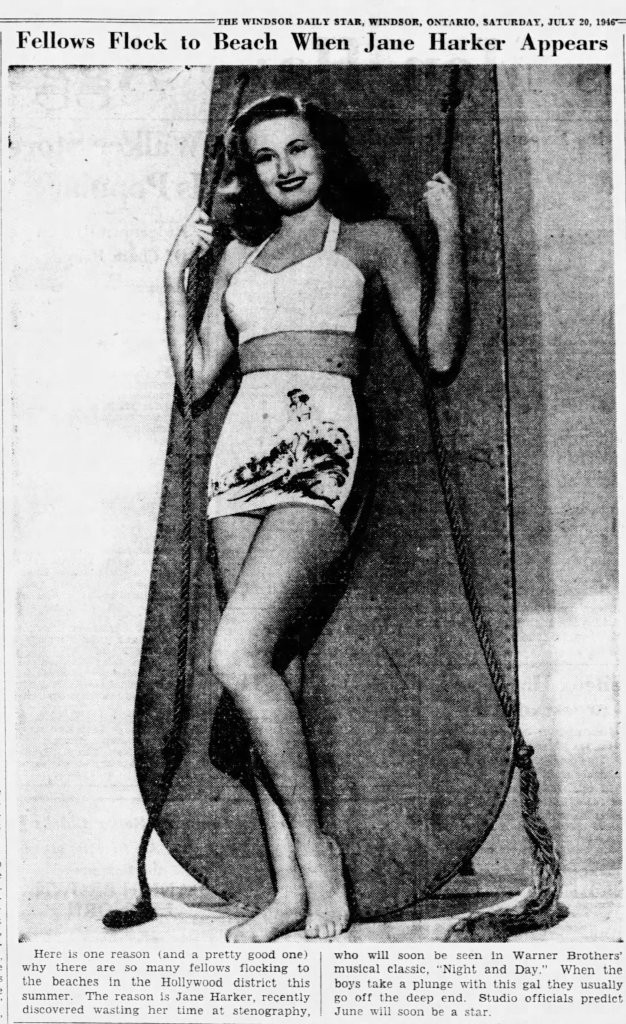
Pasadena Star News Apr. 17, 1946 Writer makes note of the pillow.
“Pin-up pose.”


Holiday themed pinups

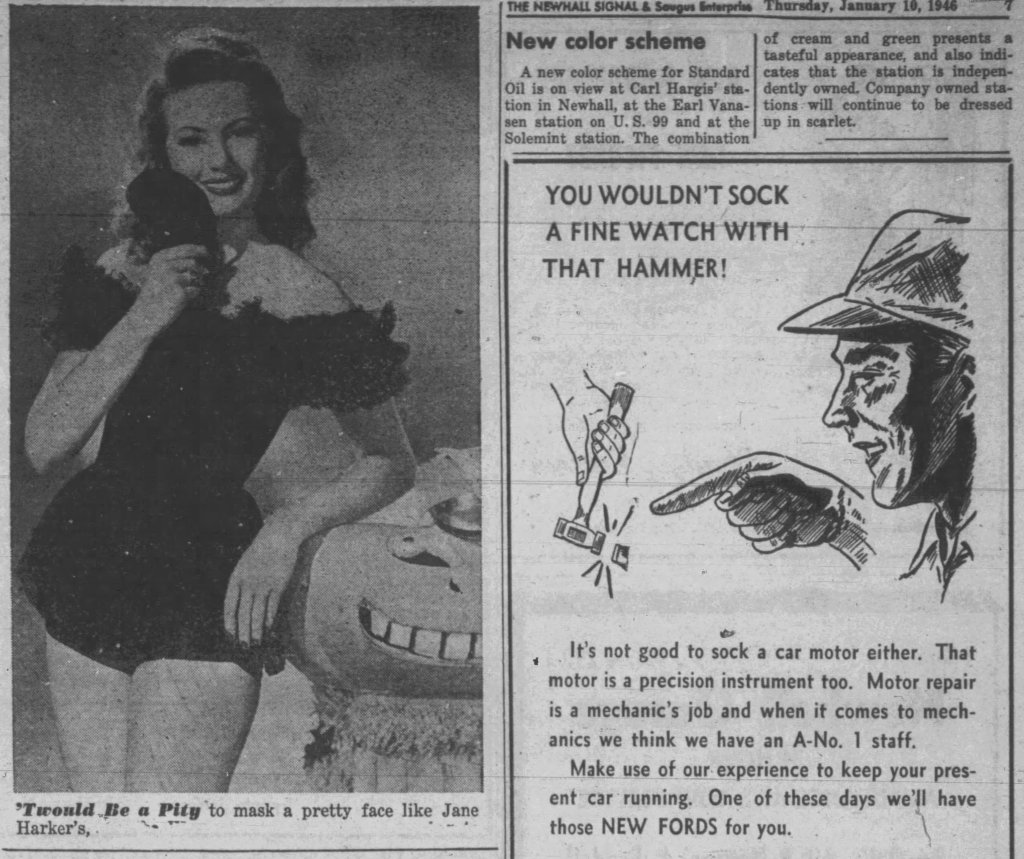
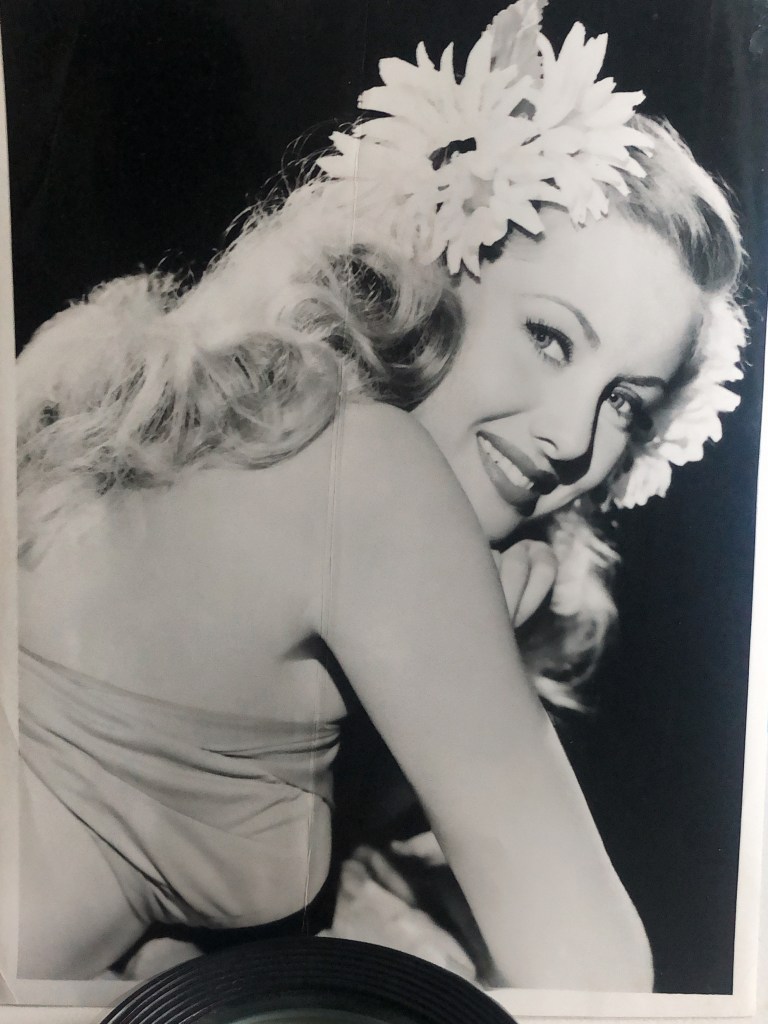
From my collection. An unfortunate crease.
Back of photo below.
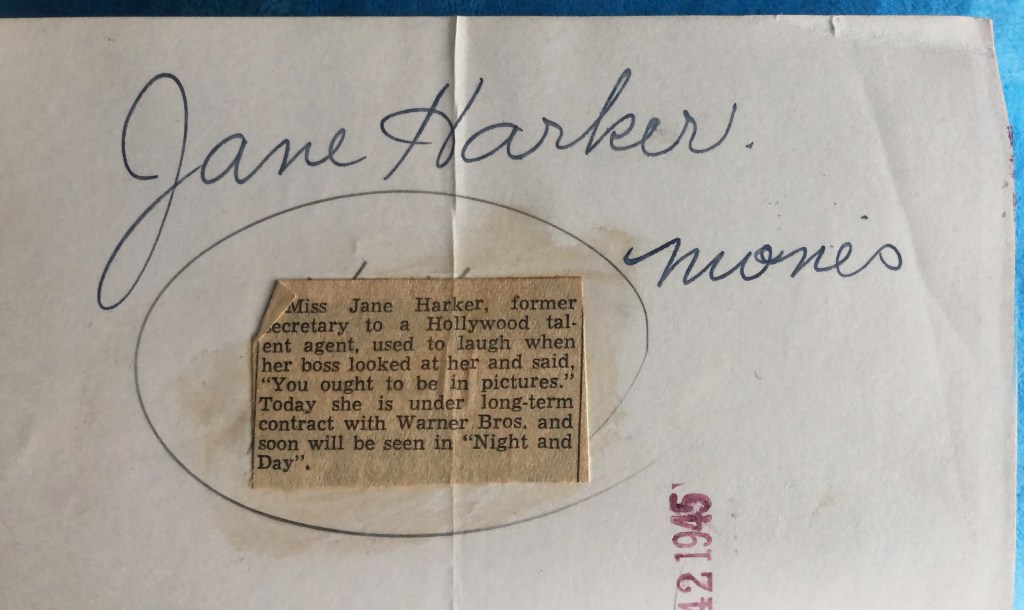


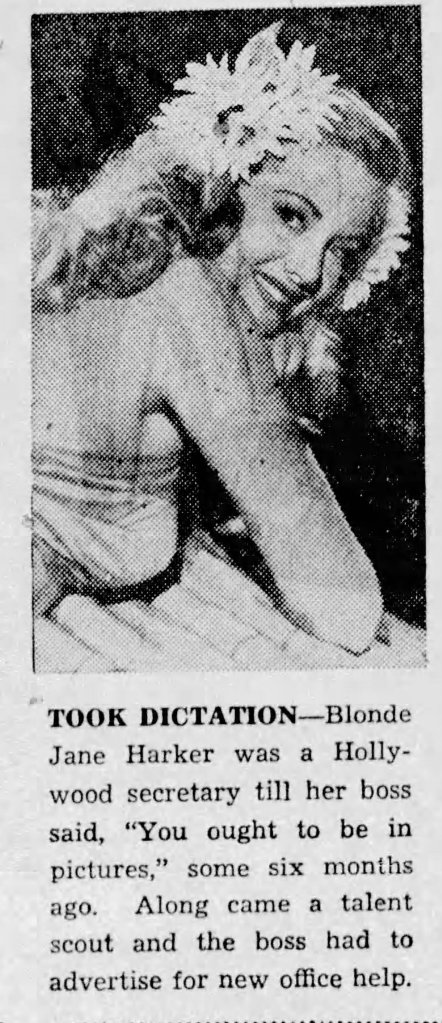
August 1945 Santa Barbara News-Press. Again mentions Jane Harker’s Myth of her Hollywood beginnings.
There weren’t any TV talk shows at this time. Print and radio entertainment reporters.
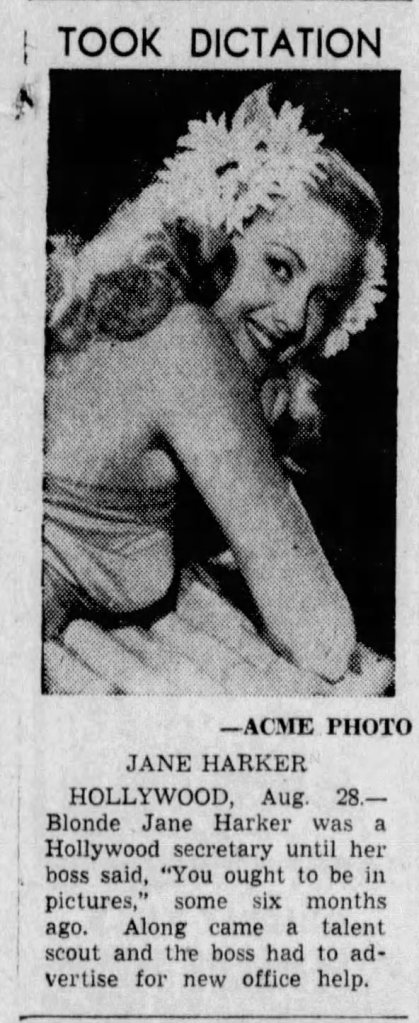
Springfield News-Sun Aug. 28, 1945
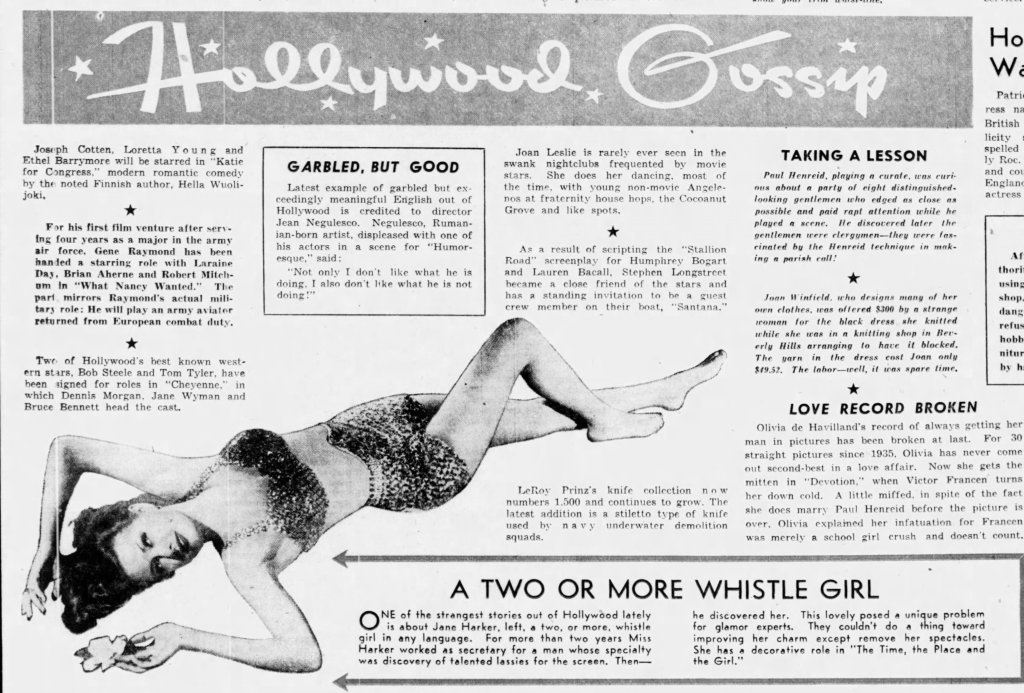

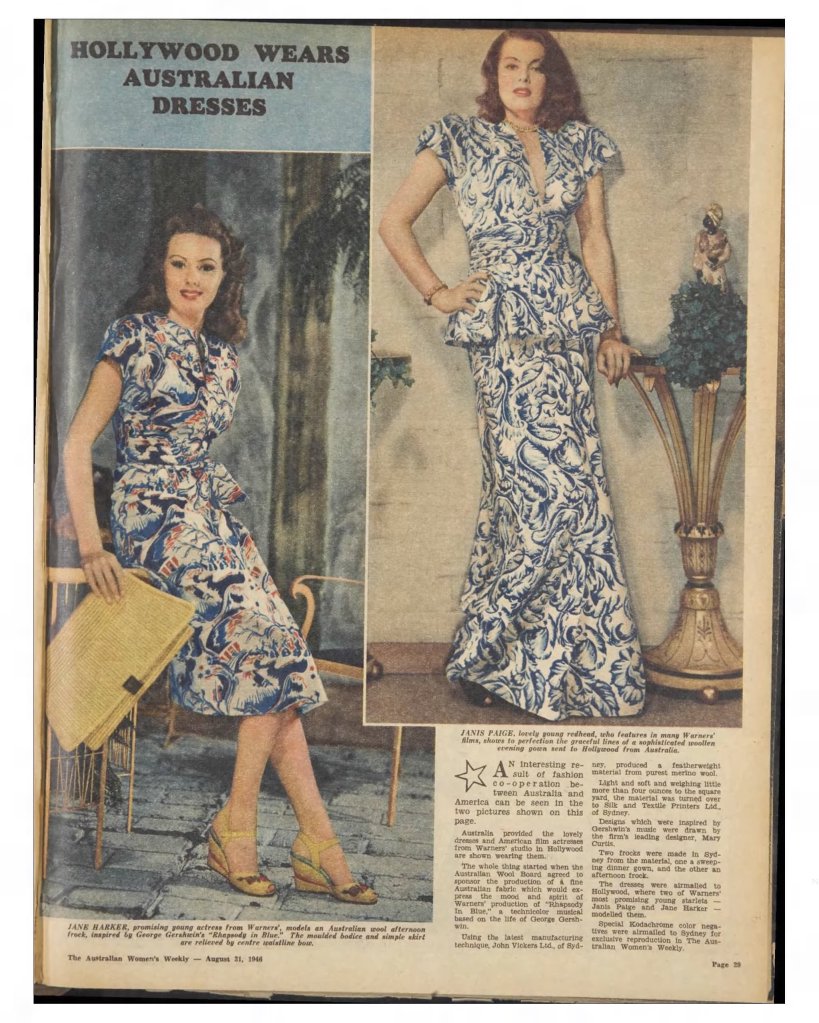
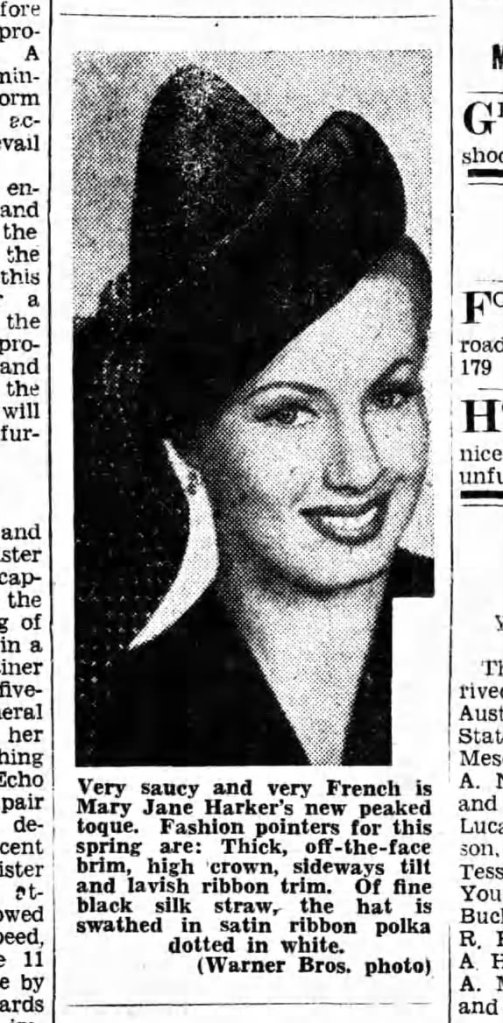
Jane Harker modeled clothing and posed for fashion photos in addition to the Hollywood pin-up and Glamour photos.
There were so many, again I include only the best.
I’ll start with some beautiful color prints from Australia.
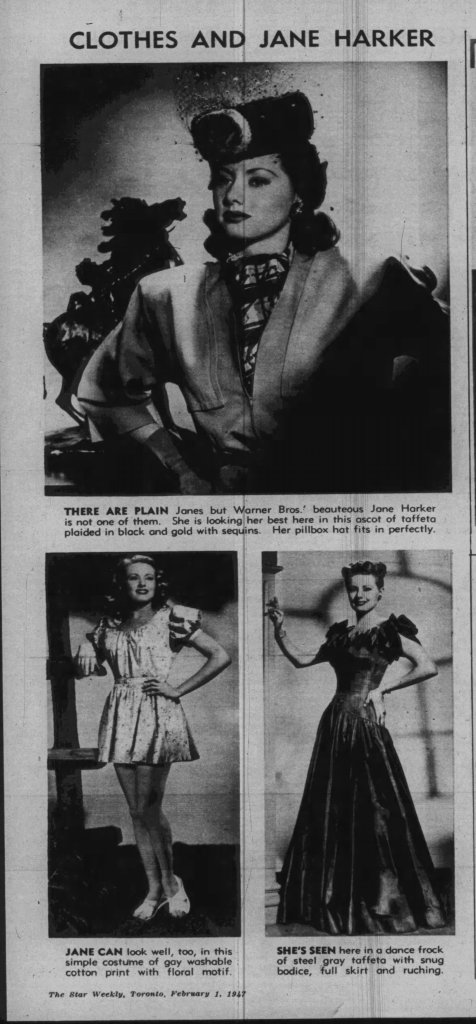
Star Weekly Toronto Feb. 1, 1947
All found on newspapers.com
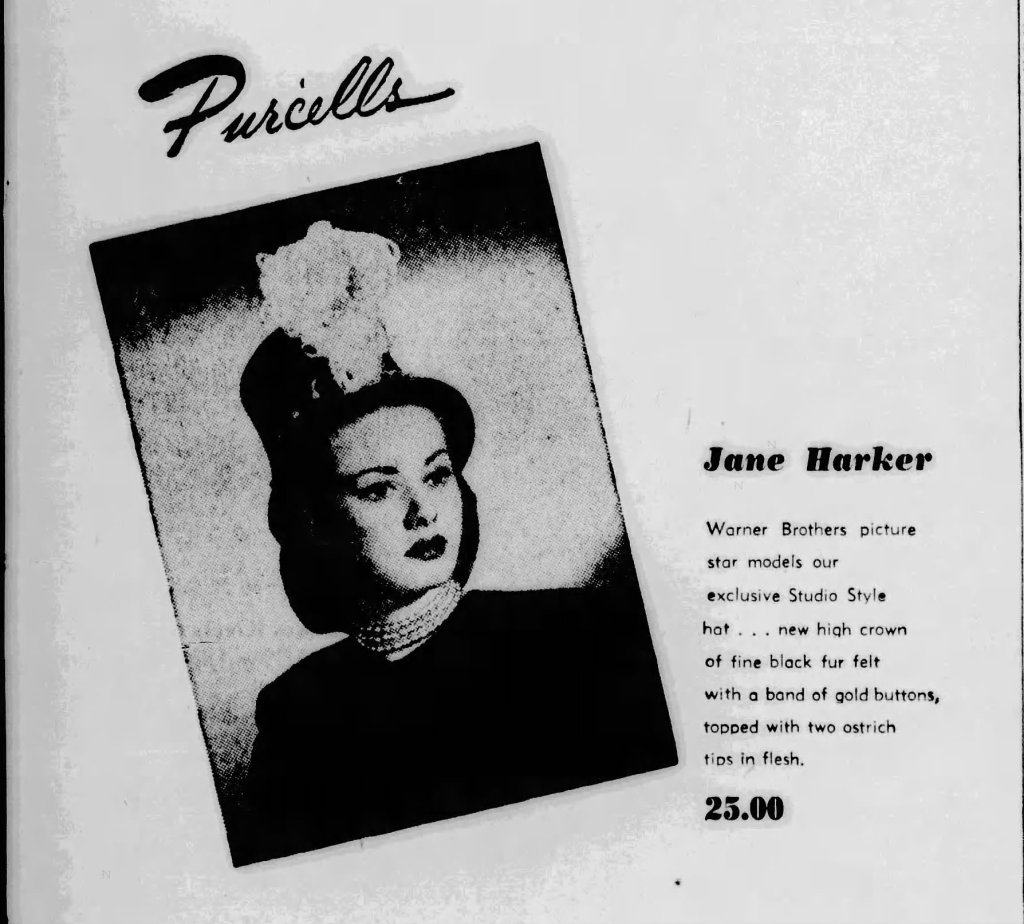
Loads of Hat modeling! 9/2/45 Florida-Times Union in Jacksonville, Florida. Jane would later live in this city and her mother would die there.
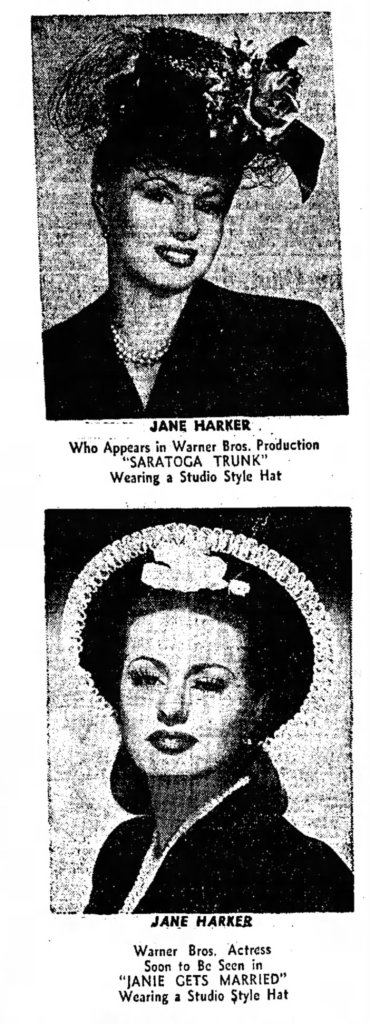
Jane appears in many hat adverts along with regular fashion features.
Fashion feature along with Ann Sheridan!
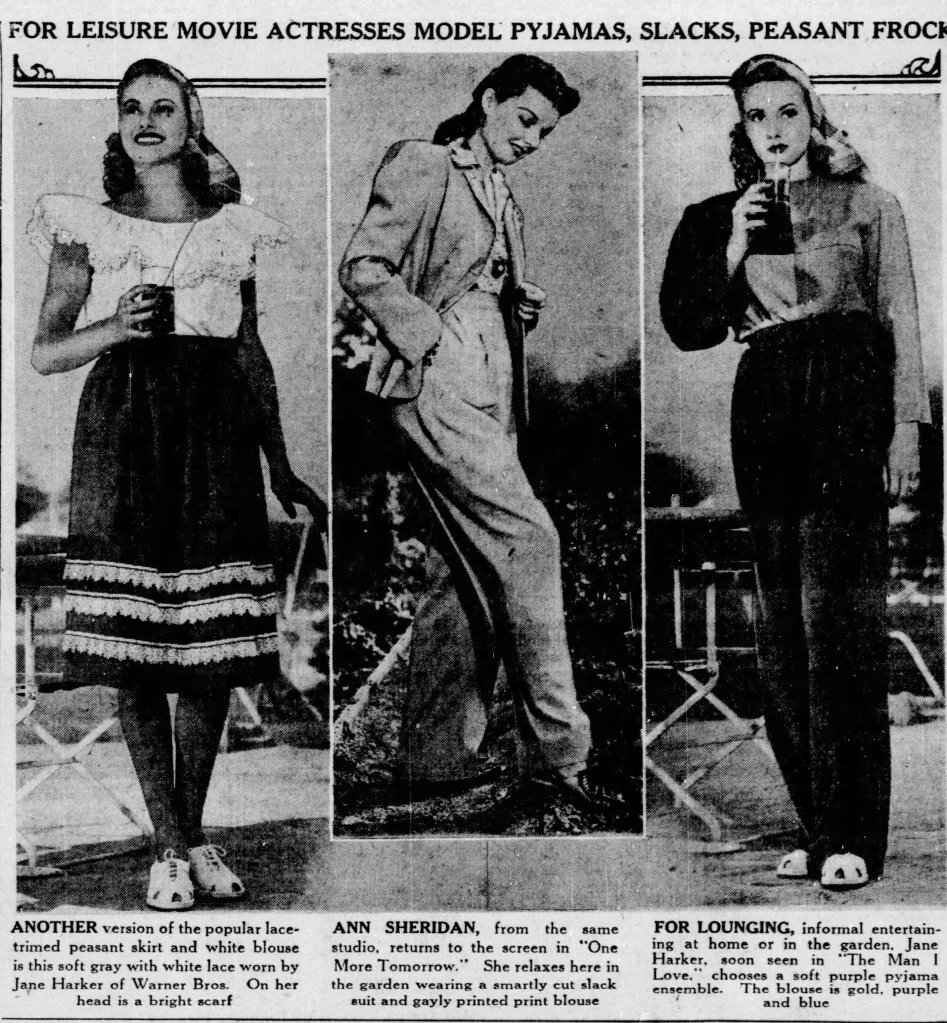
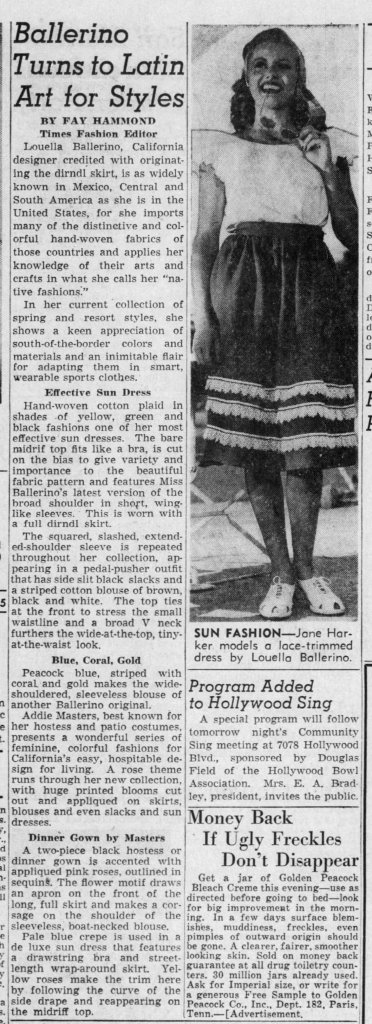
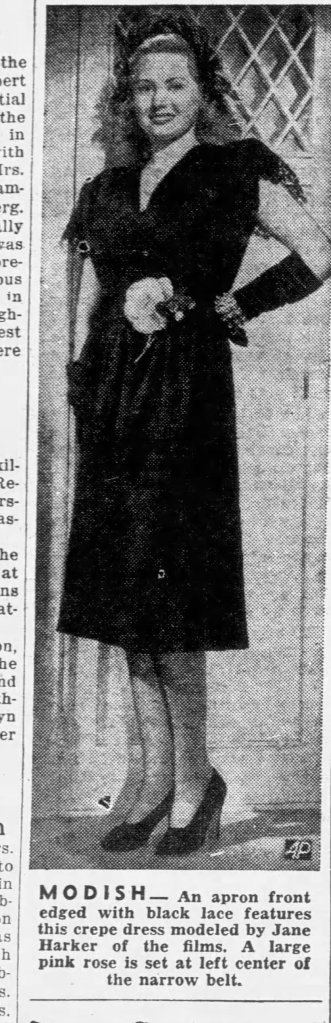
<<<<<<<<<<<<<<
Same photo shoot as above. Harker is modeling California designer Luella Ballerino.
>>>>>>>>>>>>>>>>
Albert Lea Tribune Aug. 11, 1945
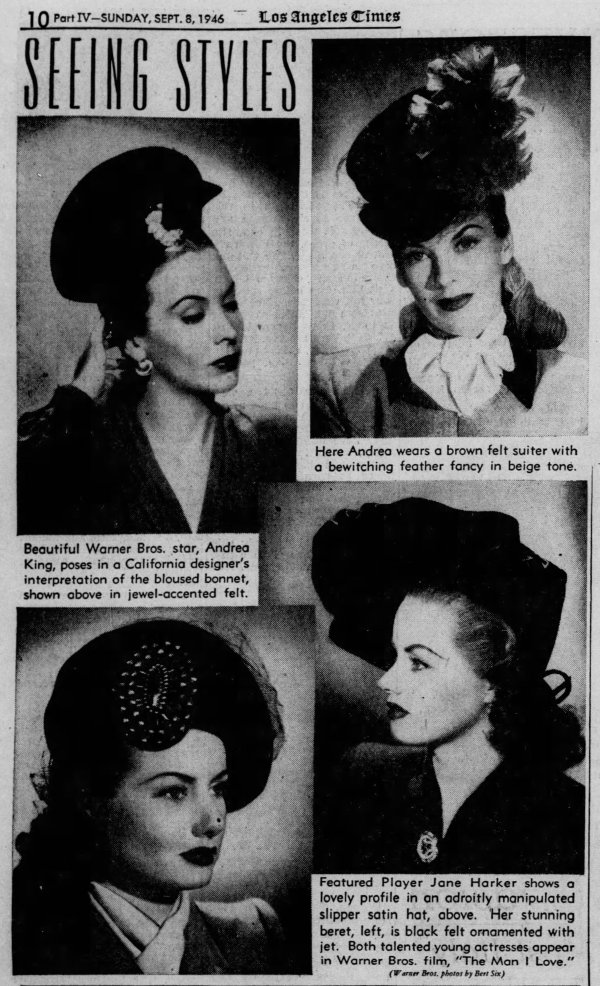
Warner Brothers
The Morning Call Allentown, Pa. Dec. 15, 1946 The Unfaithful and Humoresque, from 1946. Today, these are movies known mostly to audiences of Turner Classic Movies and shows like Noir Alley.
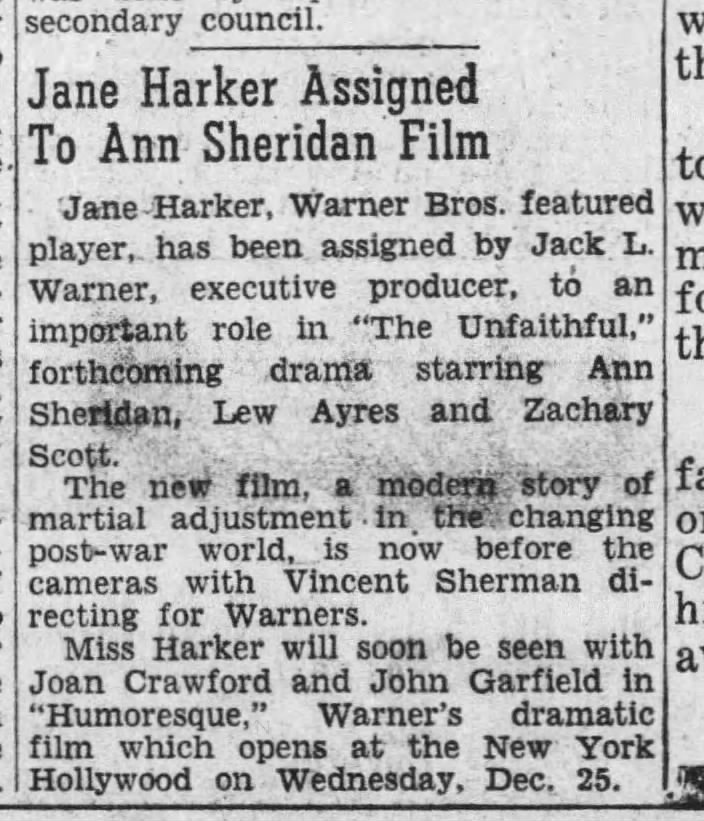
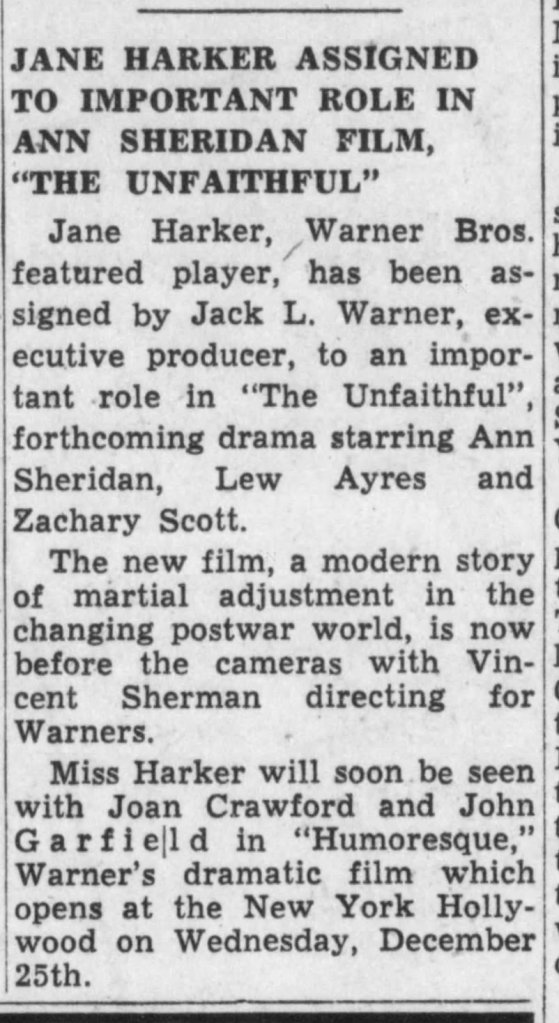
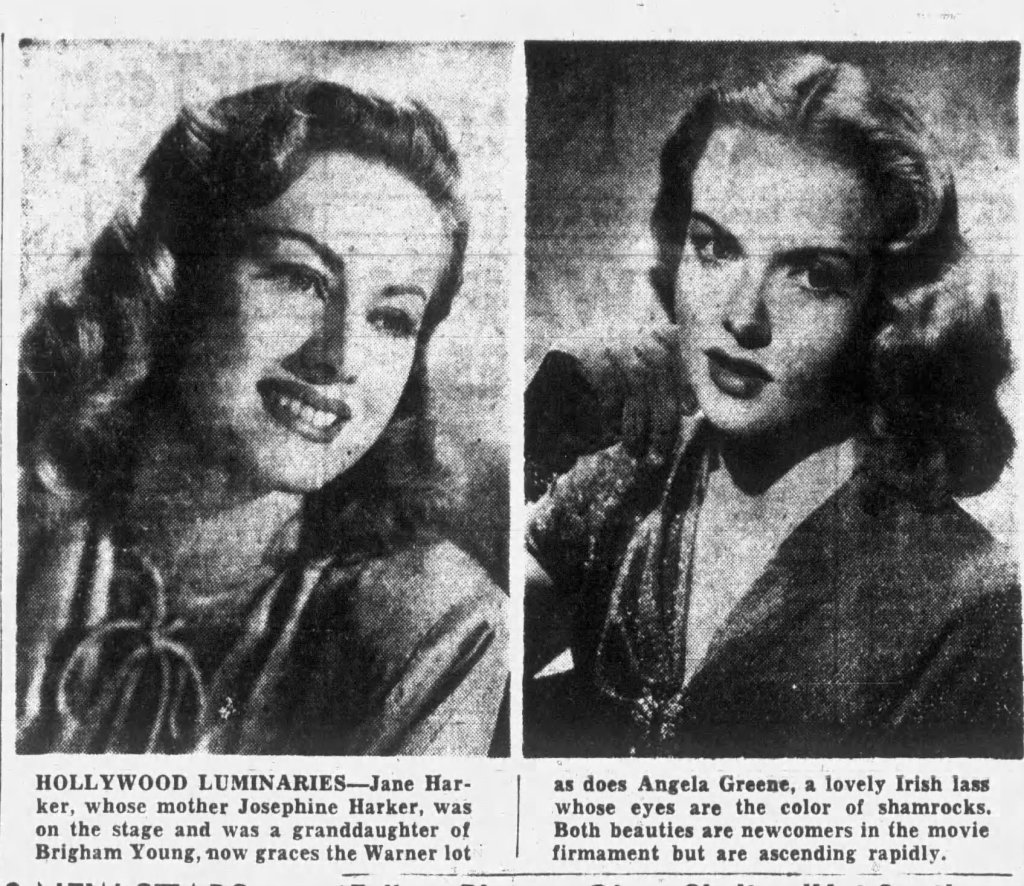
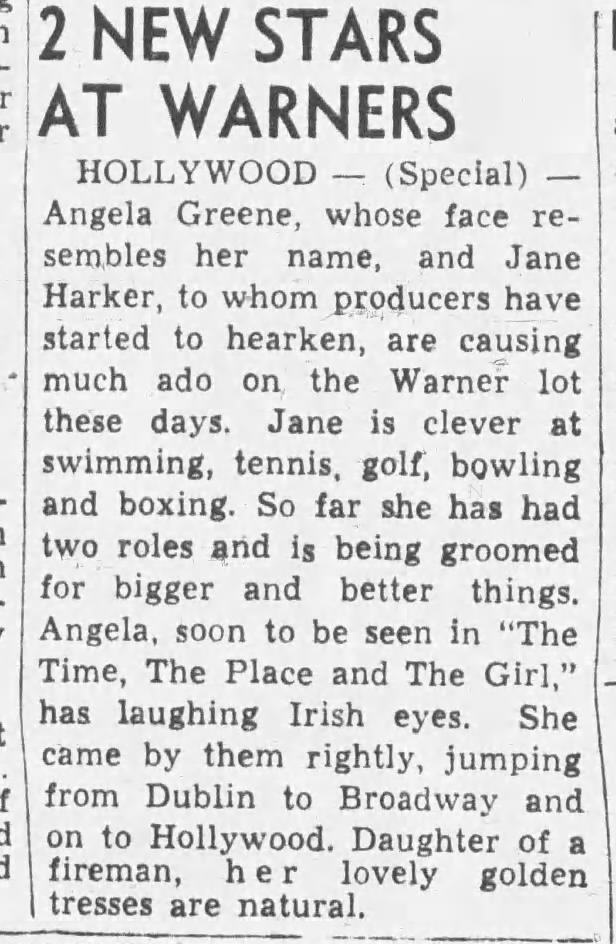
The Signal Santa Clarita May 9, 1946
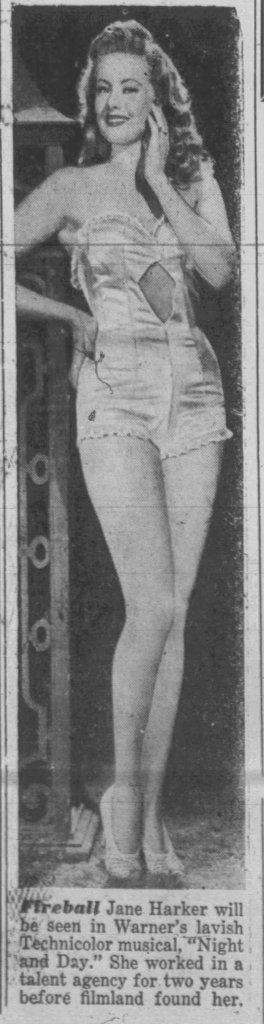
Fireball below
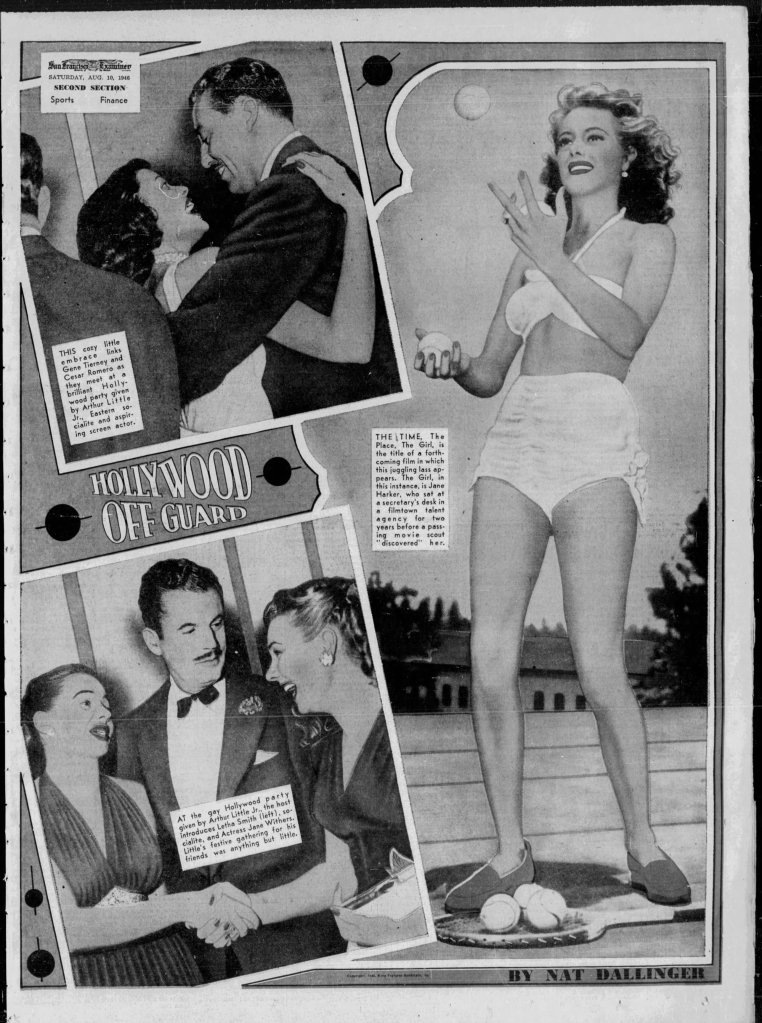
Strangely retouched photos of Jane Harker and other celebrities in the San Fran Examiner.
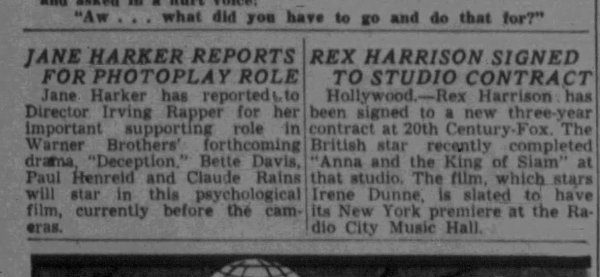
The Times-Picayune May 26, 1946
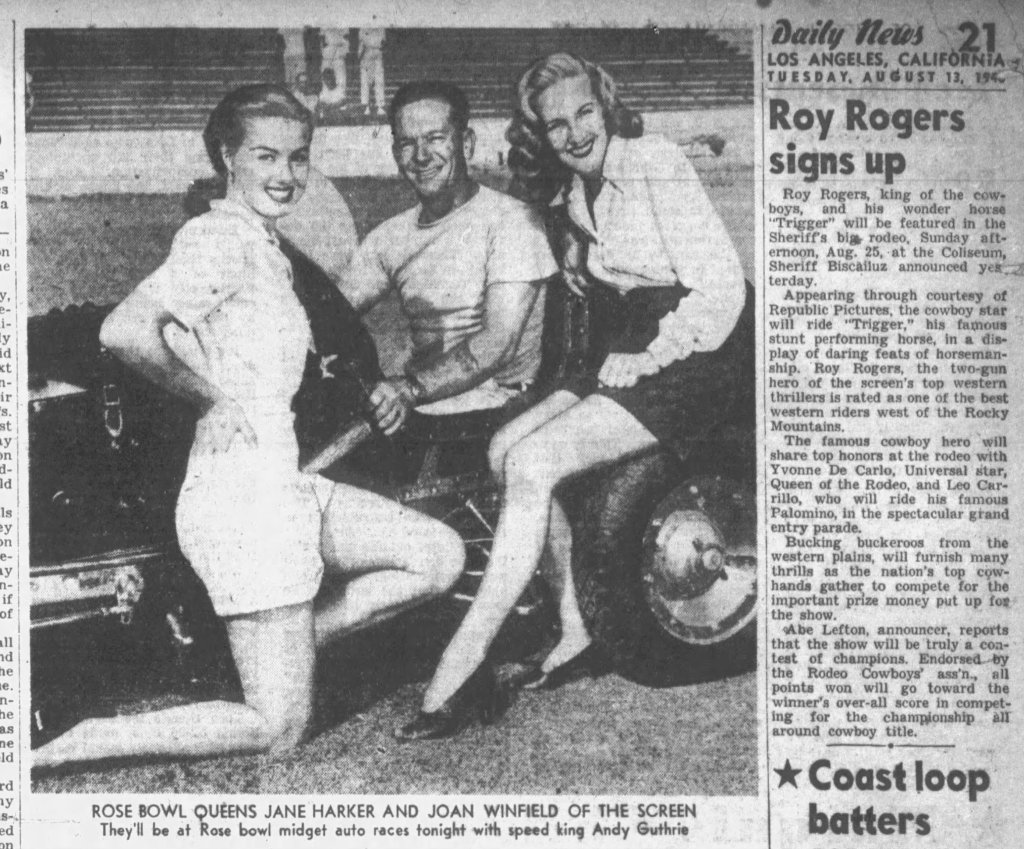
Joan Winfield and Jane Harker had small or bit parts in some Warner Bros. films together: Night & Day, The Unfaithful, Stallion Road.
Samson De Brier #2 February 2025
Posted on February 25, 2025
Read Samson De Brier #1 first for an introduction.
LAT= Los Angeles Times
More items found in the Samson De Brier archives are listed in this chapter.
I am in the process of ongoing research with several of these names, locations and years.
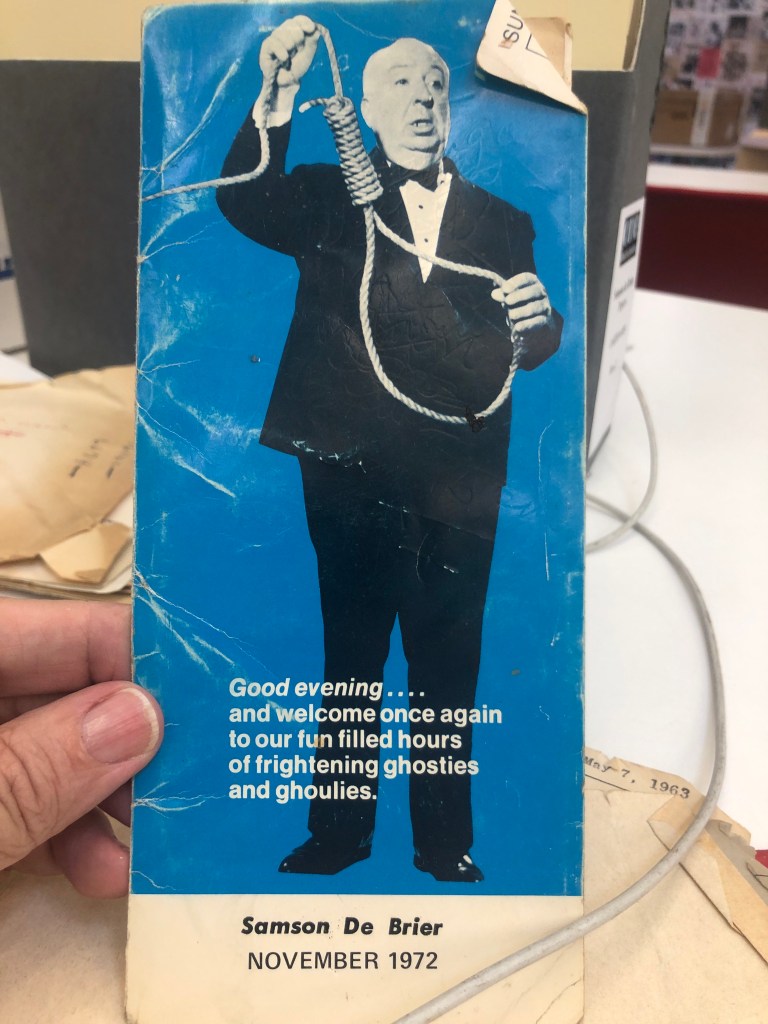
TV schedule made up by a utility company and sent out to customers. The date is likely when Samson and Paige Young were friends or at least acquaintances. She only had a little over a year left in her life.
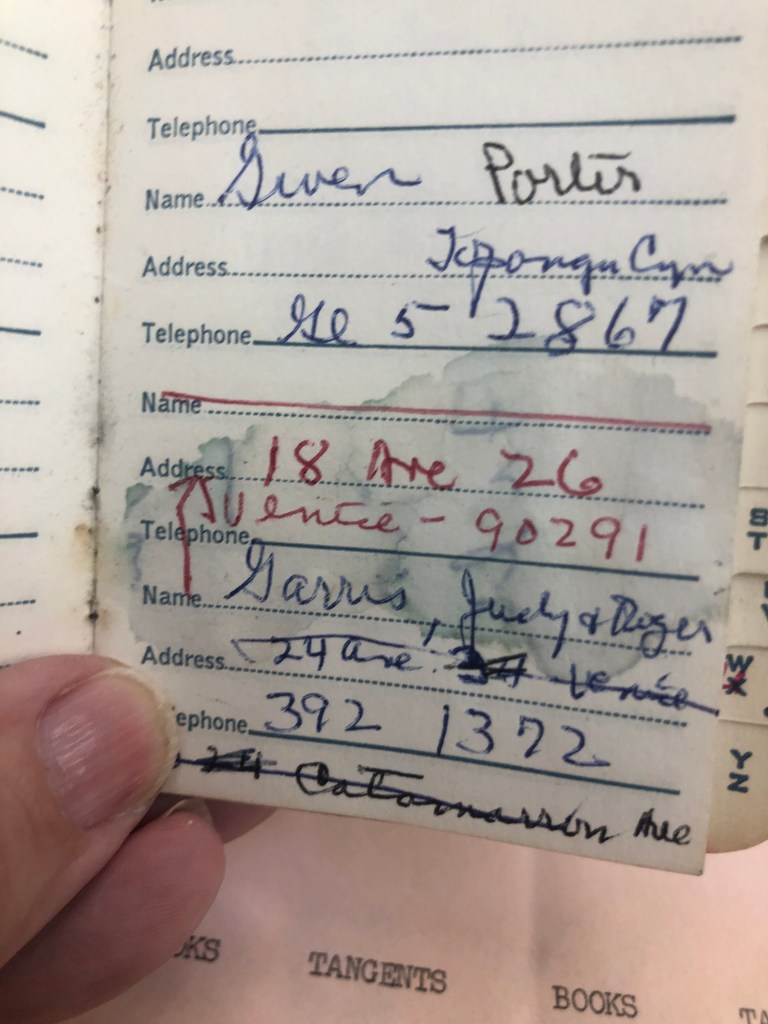
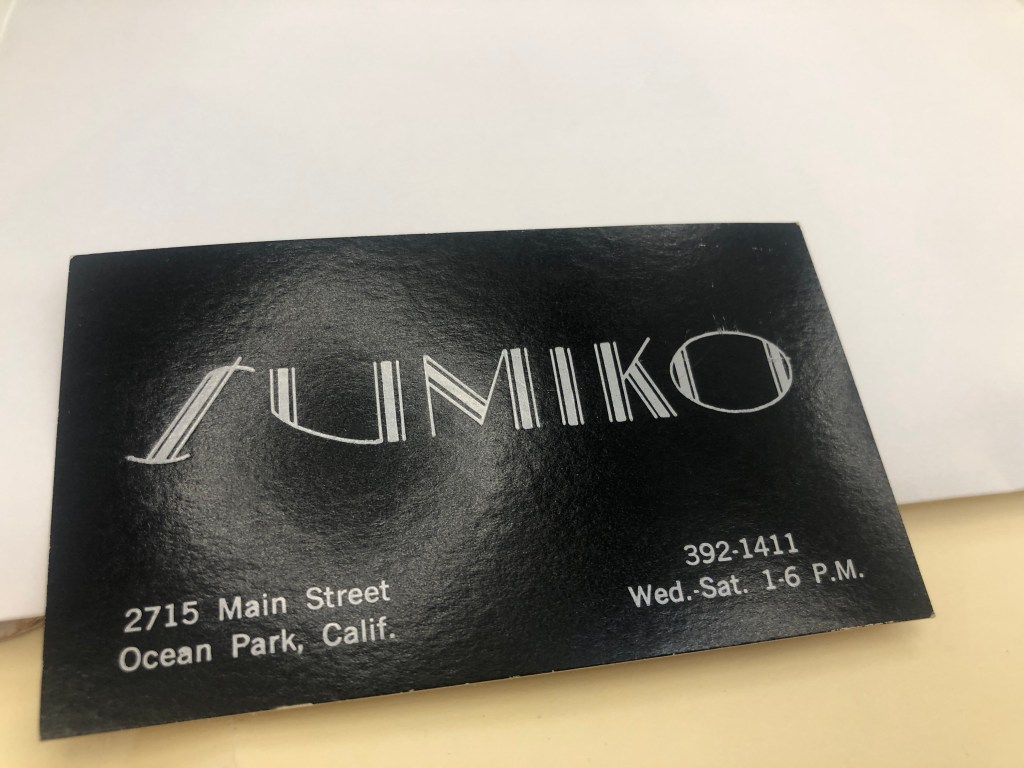
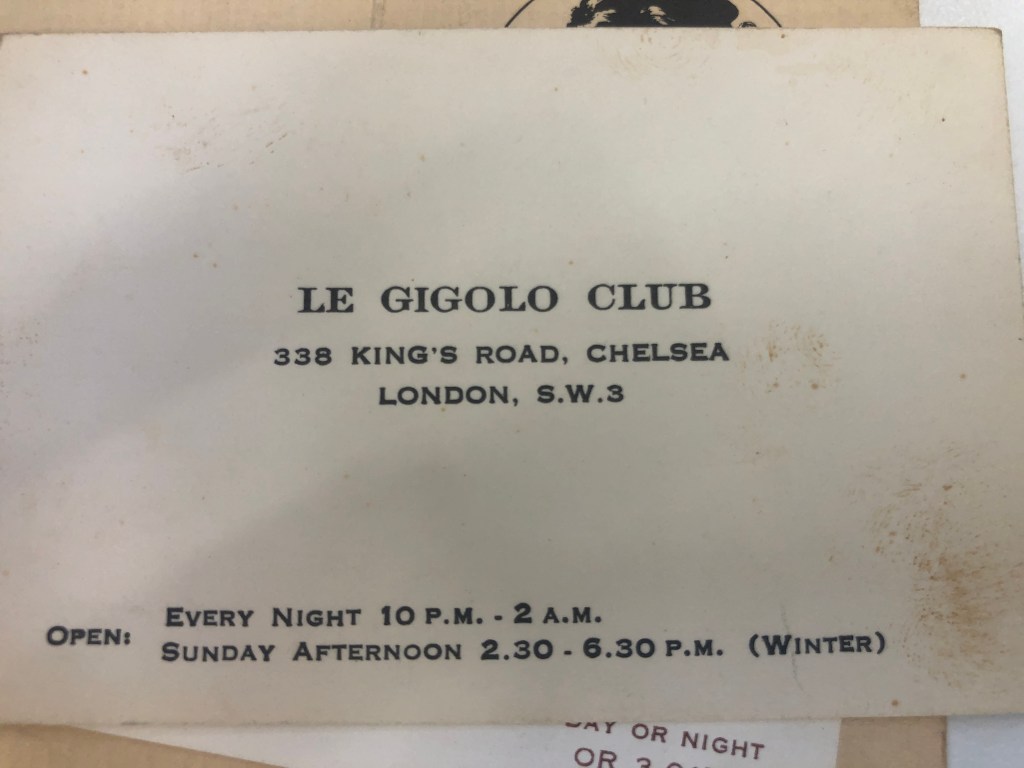
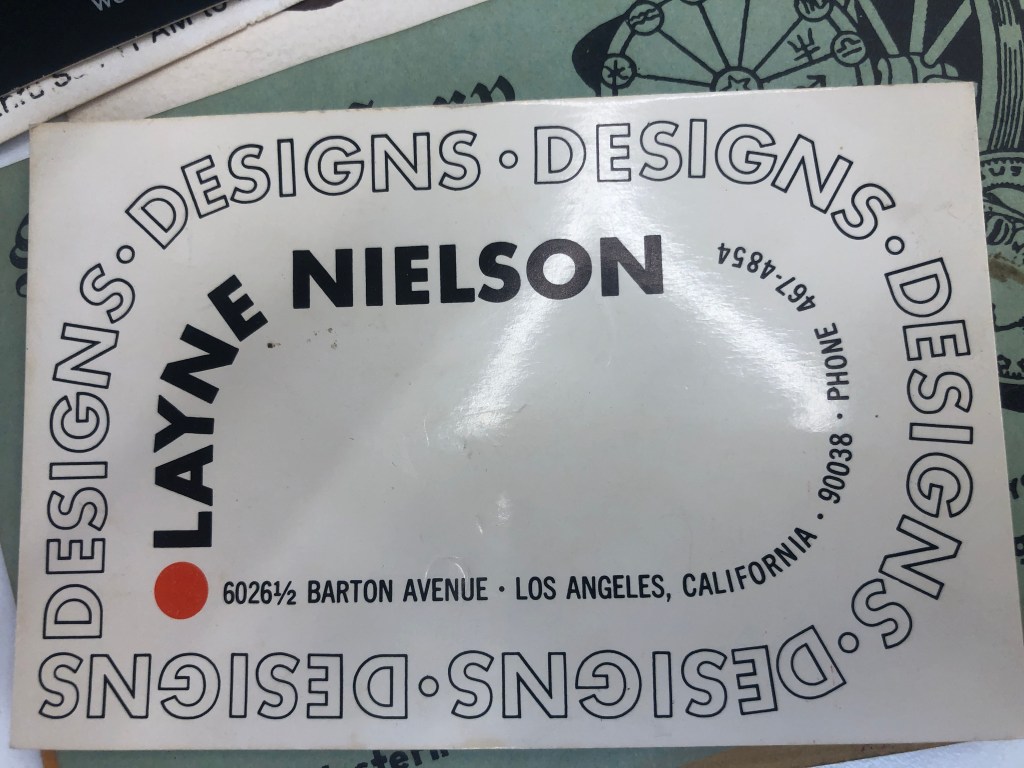
6026 1/2 Barton Ave. is Samson’s address. Is Layne Nielson one of his renters?

LAT Jan. 15, 1968
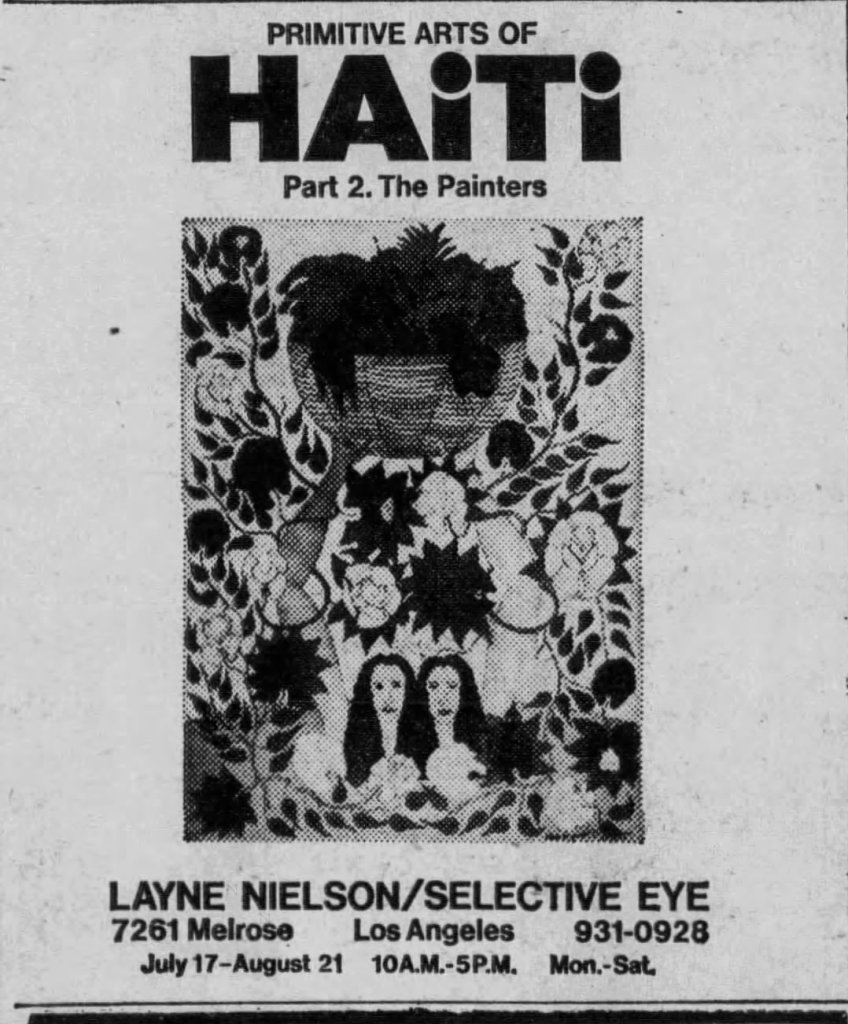
Looks like Layne owned Selective Eye Gallery in the early 1970s.
There is a Selective Eye Gallery in Laguna Nigel by late 1977. Unknown if it was connected to Layne Nielson.
I don’t see much more in the newspaper archives about Nielson after the 1980s.
If online records are correct, he is alive at 86 and living in Salt Lake City.
Nielson donated his papers and design examples to the UCLA Charles E. Young Research Library.
The Rudi Gernreich archives reside at this location as well.
Online Archive of California description of the Layne Nielsen Archives at UCLA:
Layne Nielson is a fashion and graphic designer who designed fashion accessories and stationery for Rudi Gernreich and for his own label. The collection includes fashion samples and accessories, as well as sketches, publicity, stationery, examples of Nielson’s design work in advertising, photographs, publications, and documentation of exhibitions.
Designer Layne Nielson is known for his work designing fashion accessories and stationery for Rudi Gernreich. Nielson’s work reflects a wide range of design, including: graphics, product design, textiles, exhibition design, and interior design.

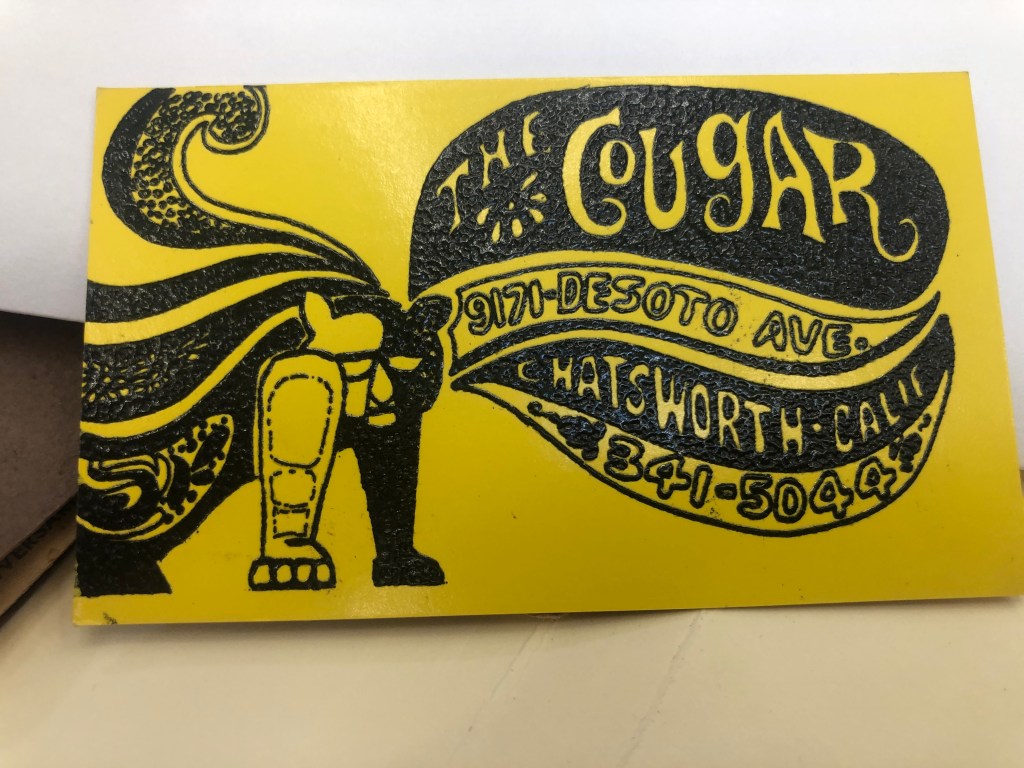

Below we see Samson saved his ticket to the Hullabaloo show.

Originally the Earl Carroll Theatre, “in 1965 (6230 Sunset Blvd. (listed on the card) became Hullabaloo rock-n-roll club welcoming minors and capitalizing on the popularity of the television variety show Hullabaloo. In 1968 it was renamed the Kaleidoscope…..with an emphasis on local bands like the Doors.
From Mike Hume’s Historic Theatre Photography.
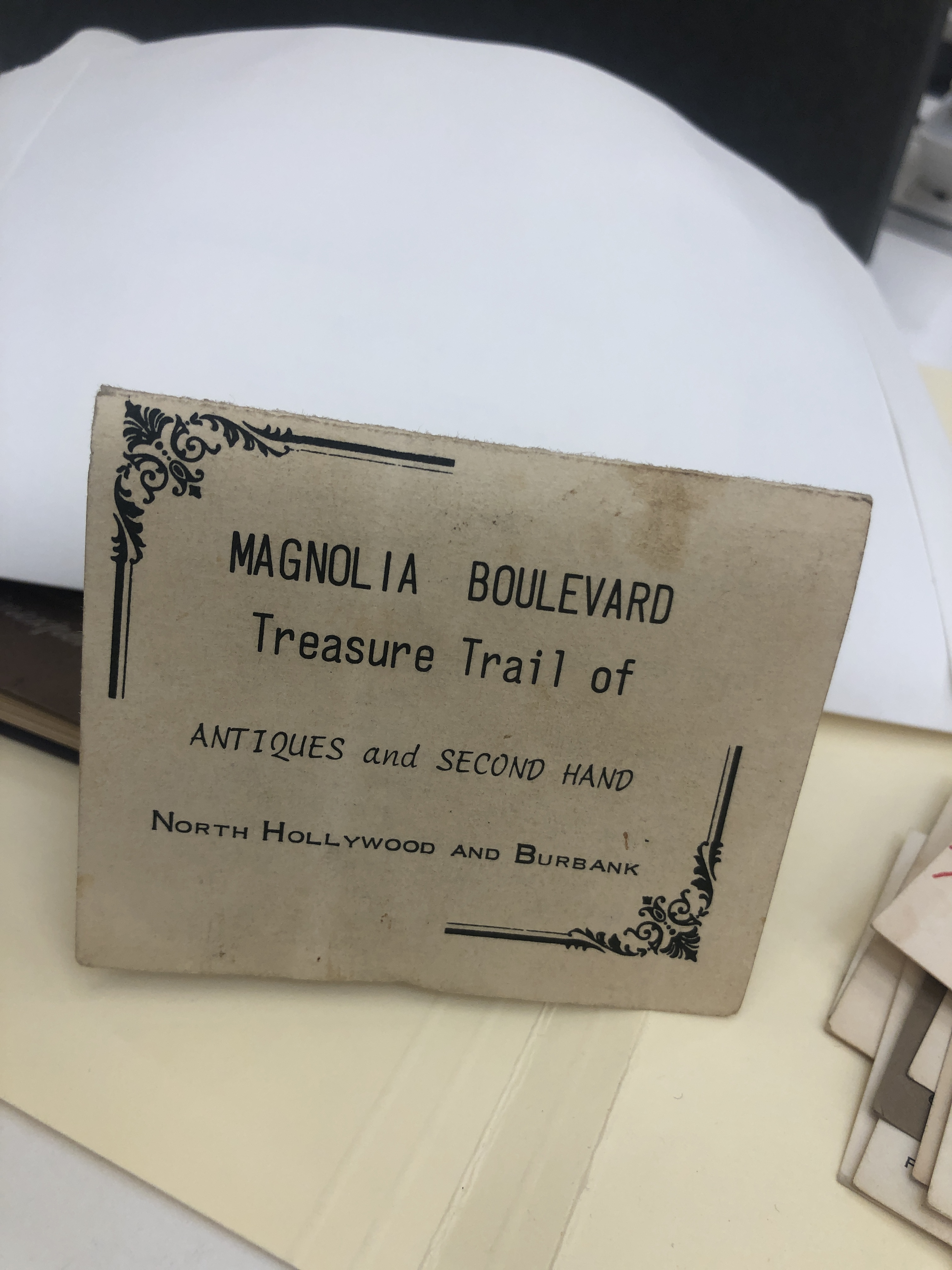
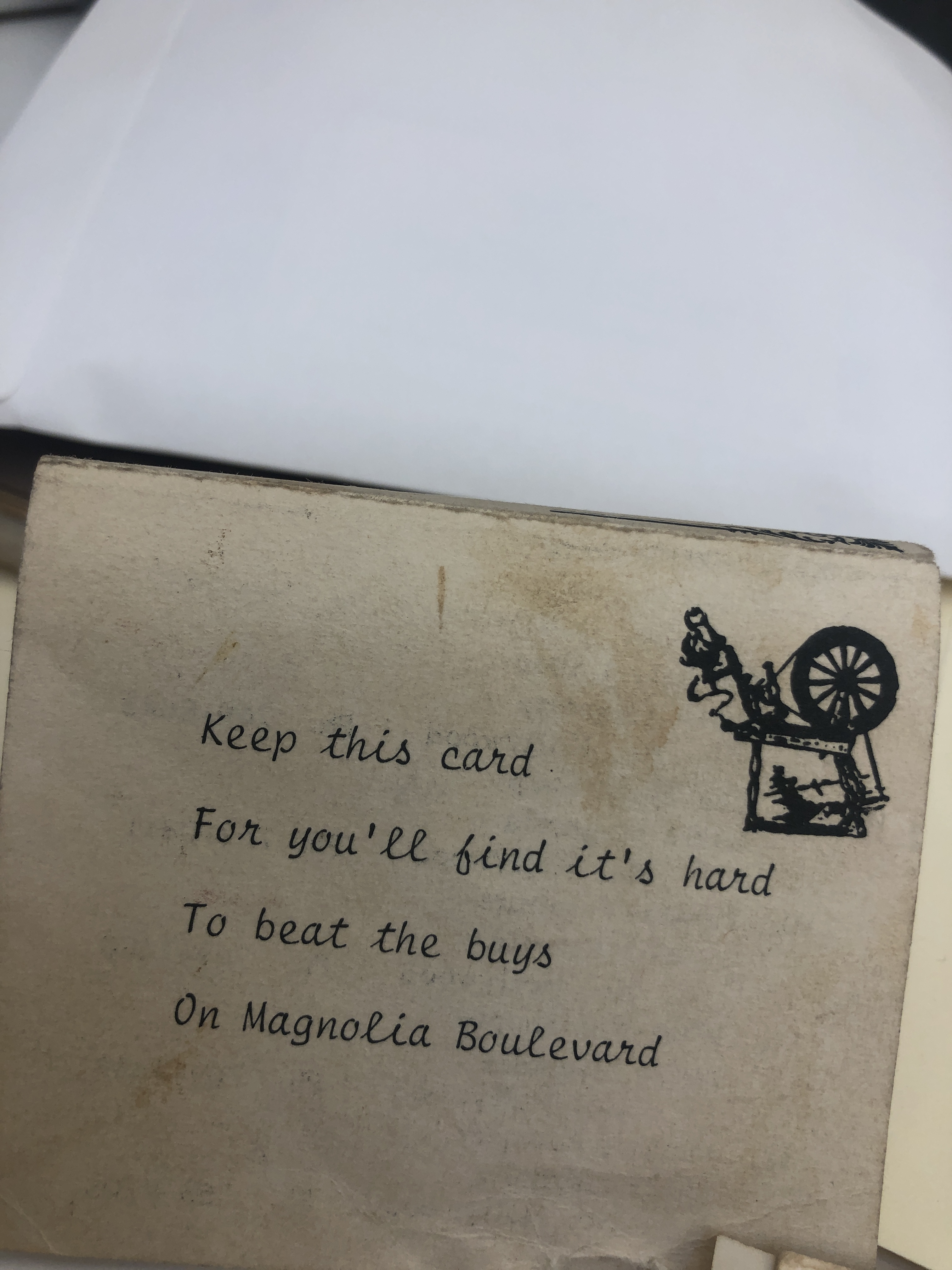
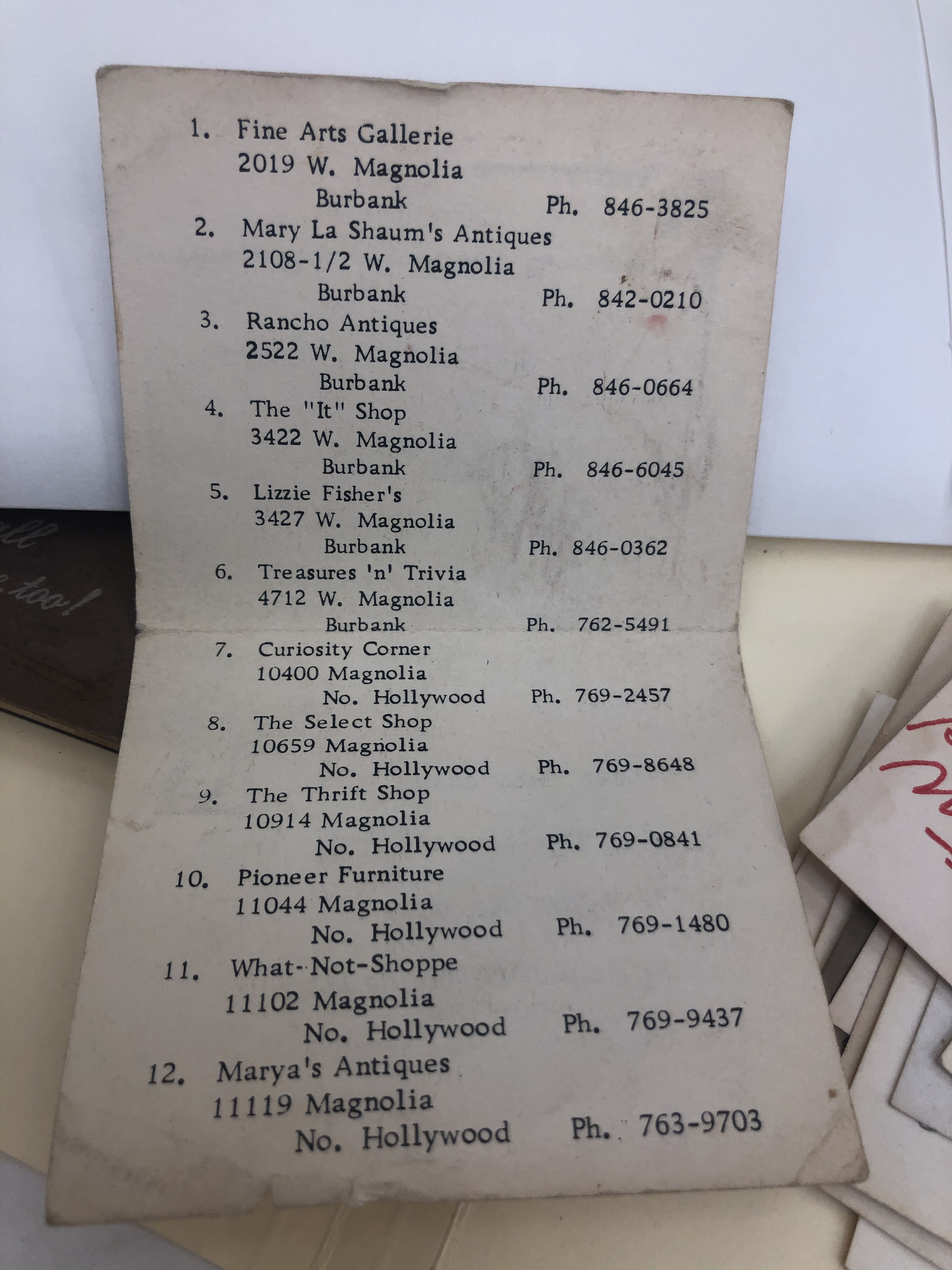
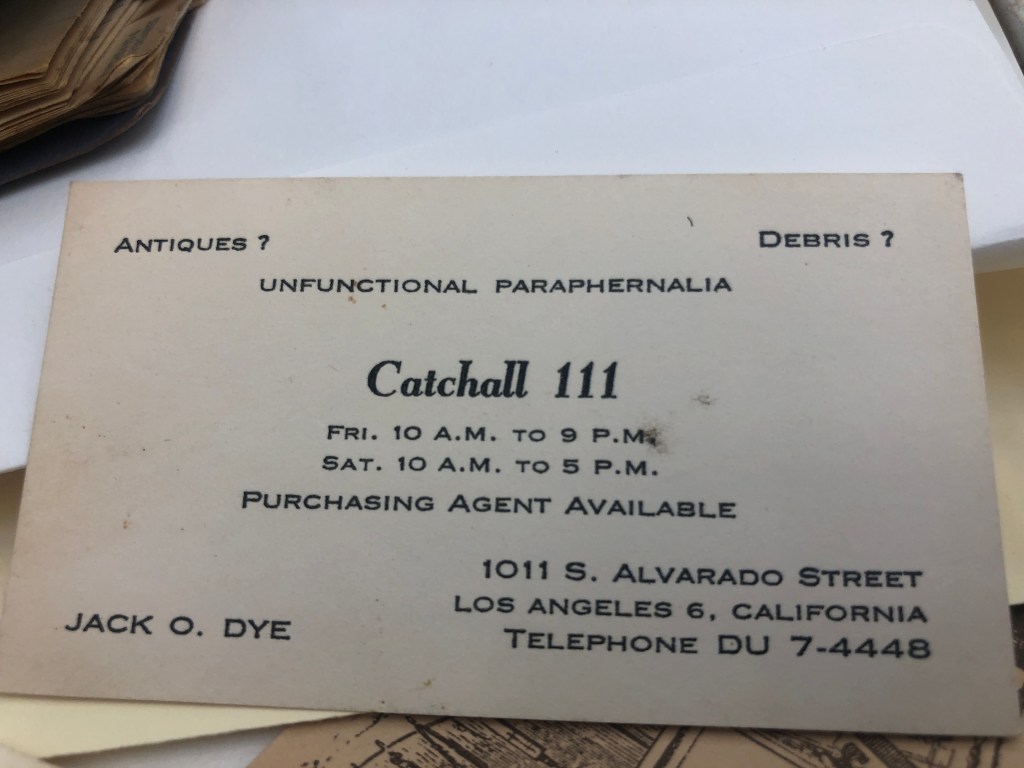
The 3 images below are a store guide of antique and thrift stores on Magnolia Blvd. in Burbank. Samson was known for collecting antiques, art, and all kinds of home decor, which he displayed in his home on Barton Way.
Magnolia Blvd. in Burbank is still known as a place for for thrift, vintage clothing and antique stores.
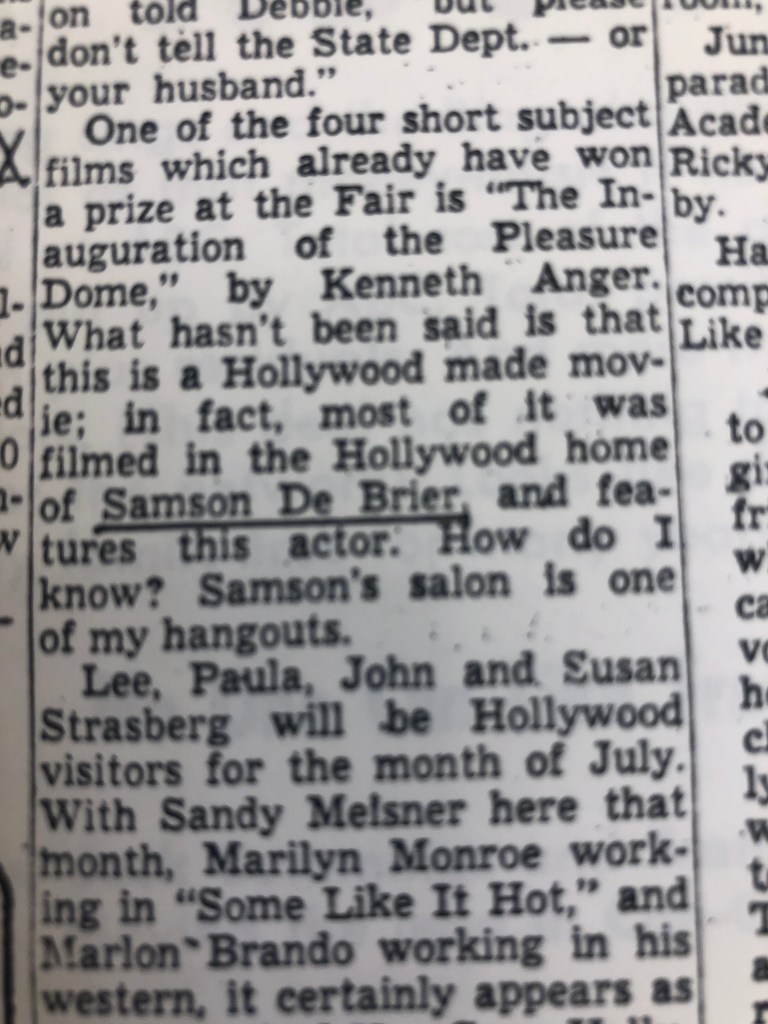
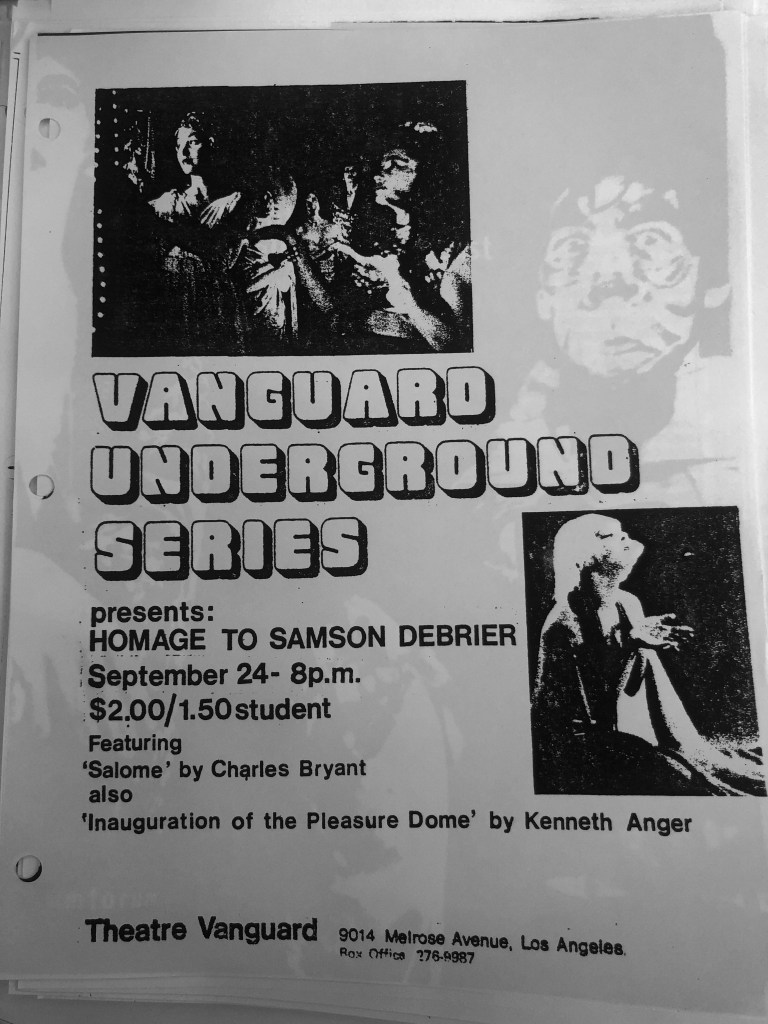
Sidney Skolsky column. A current item on Marilyn Monroe along with his mention of Samson and Kenneth Anger and the famous underground film, The Inauguration of the Pleasure Dome.
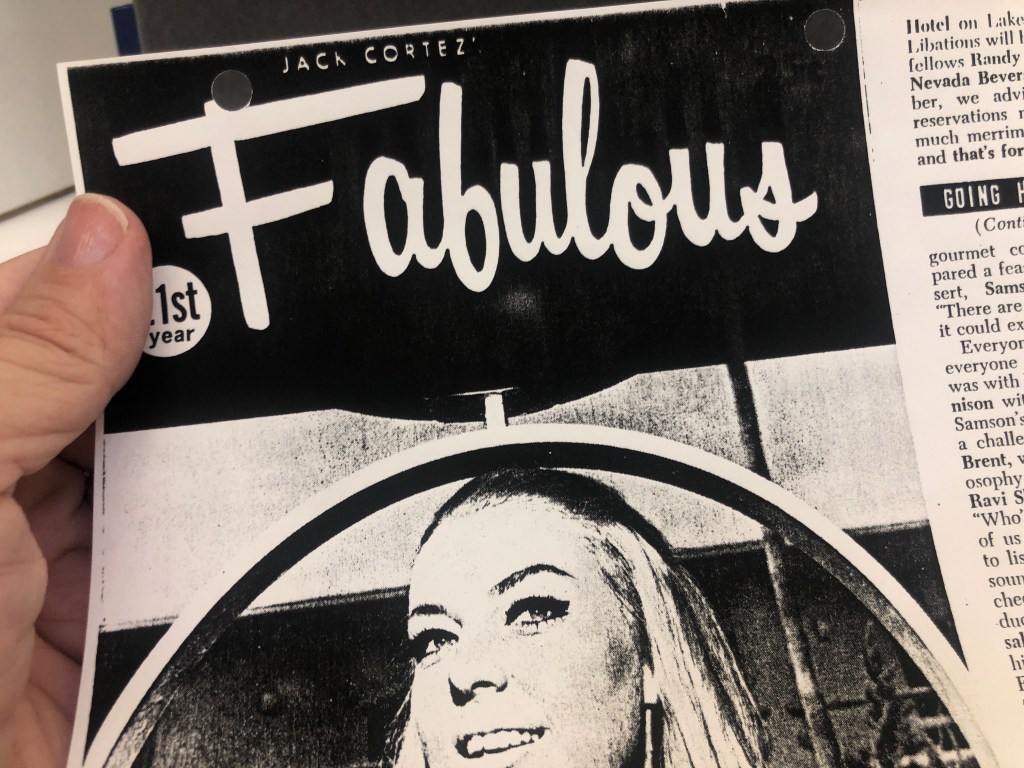
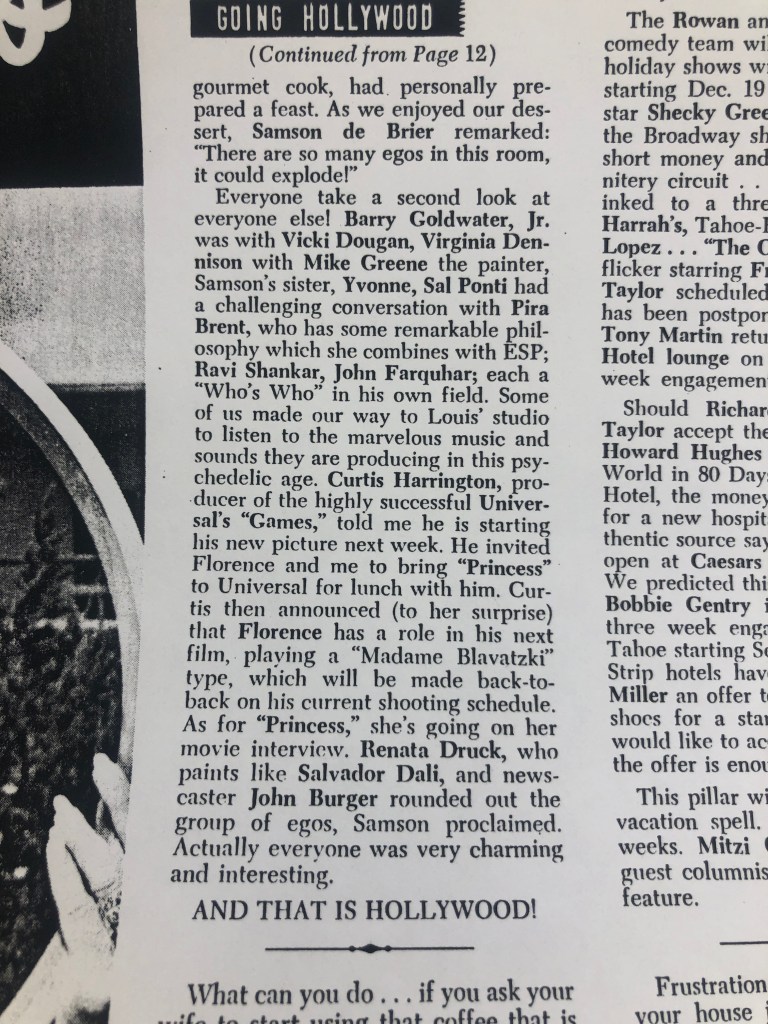

Detailed description of Renate Druks, from a published article. A Samson friend and fellow salon host, Druks sent several Christmas cards to Samson.
More on Druks in Samson chapter #1.
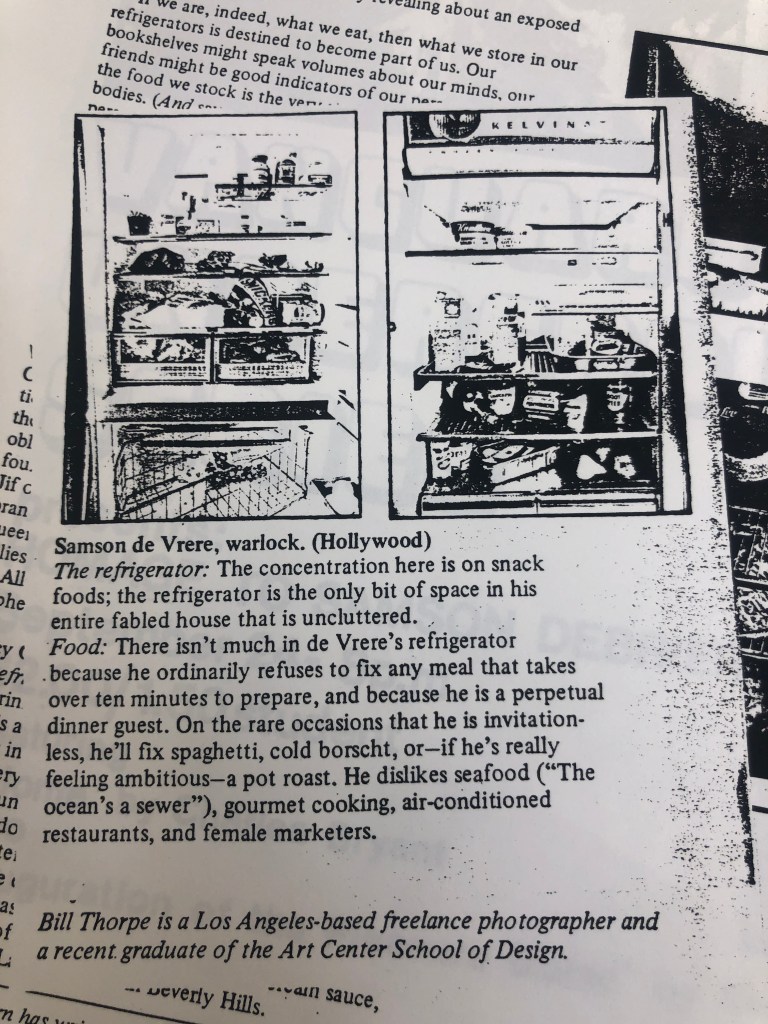
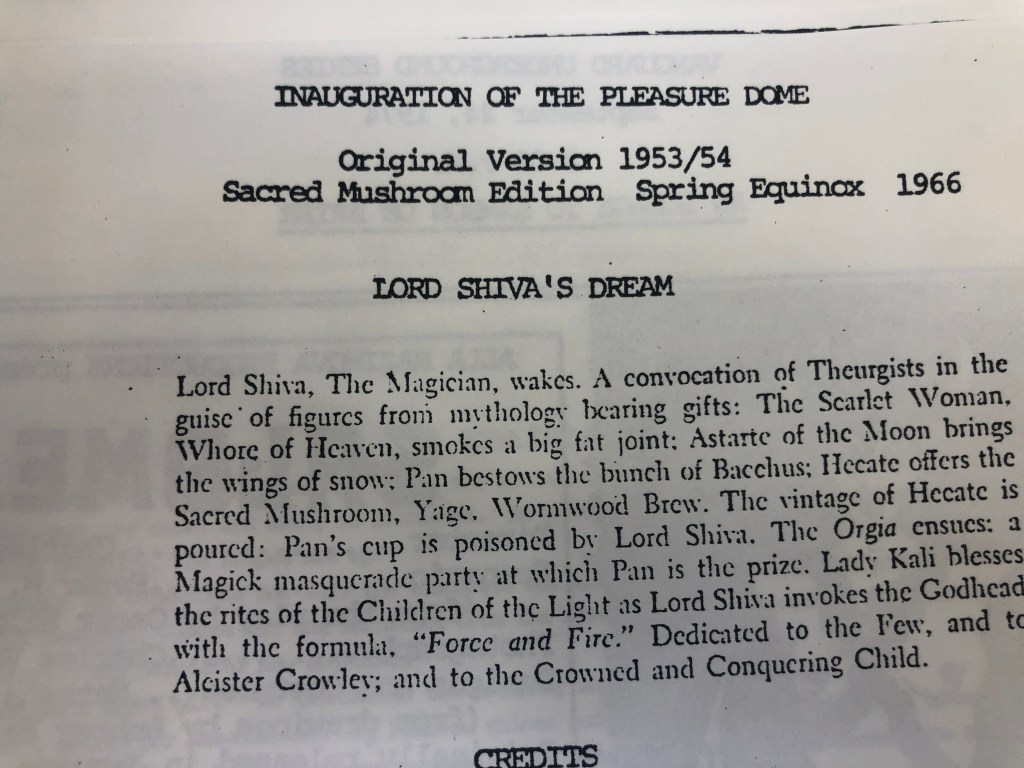
This image and the next 2 are credits for Kenneth Anger’s Inauguration of the Pleasure Dome.
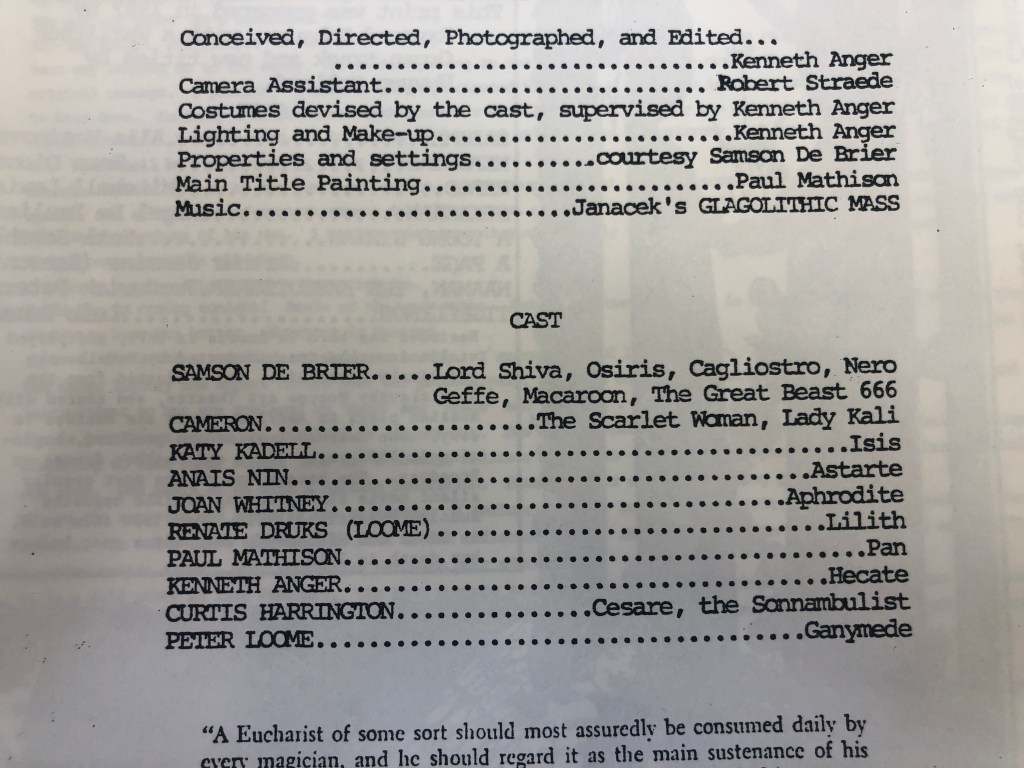
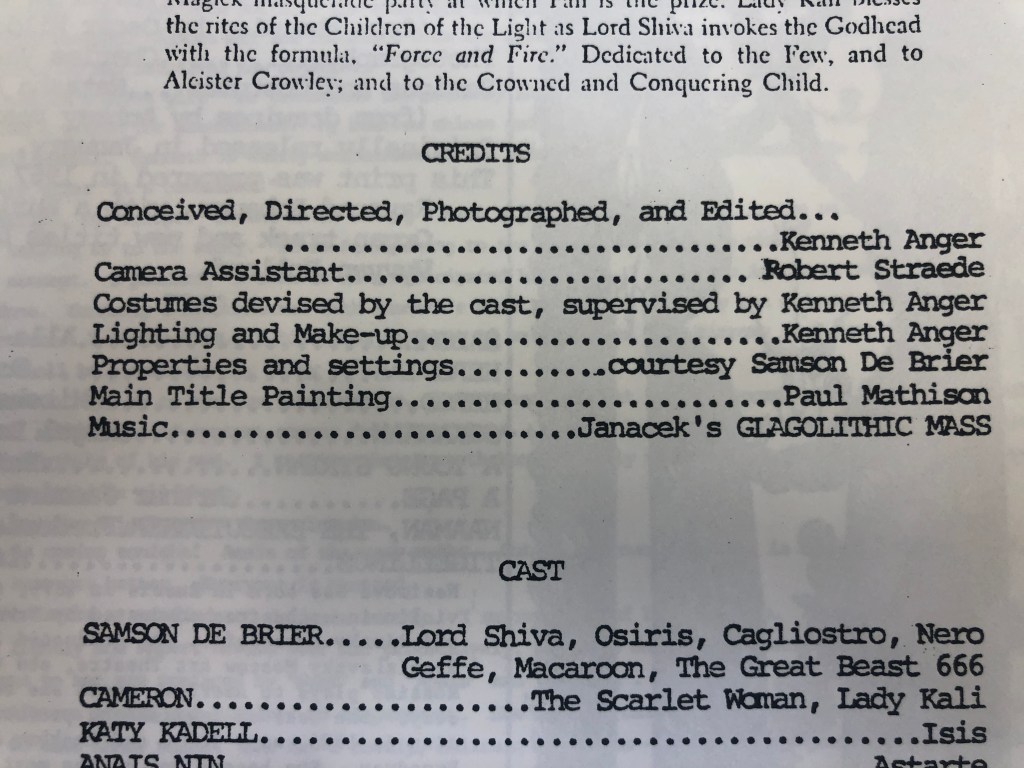



In Samson Part #1 you learned that half of the De Brier archive is a box of Christmas cards. Primarily from the 1950s to 1970s.
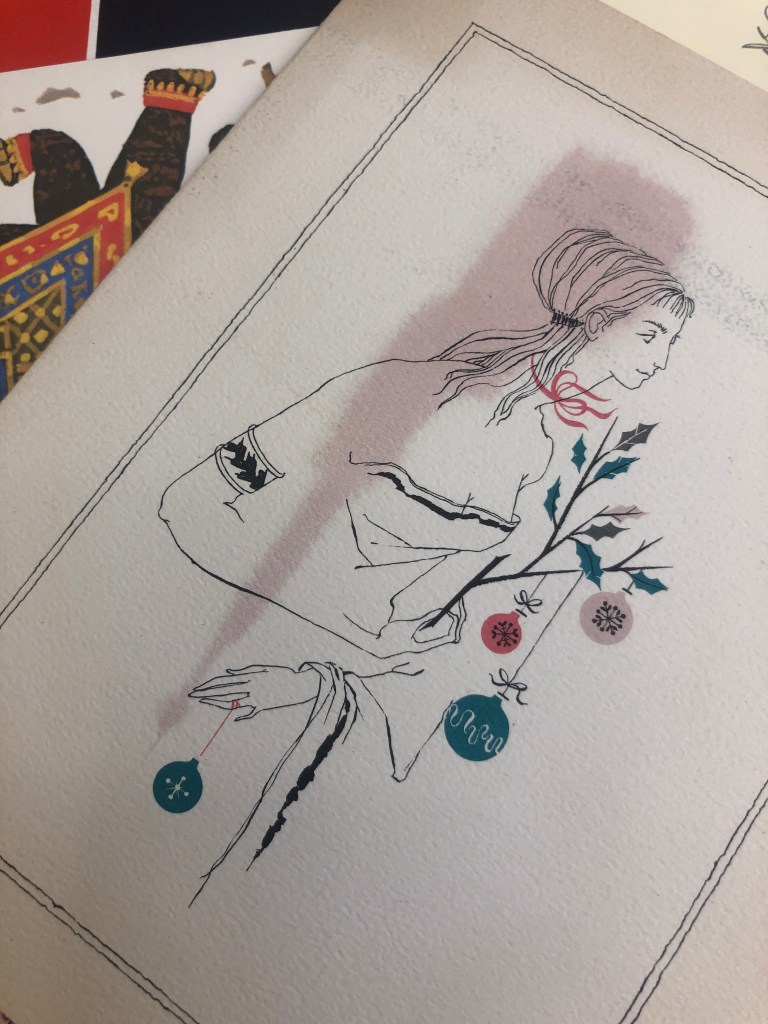
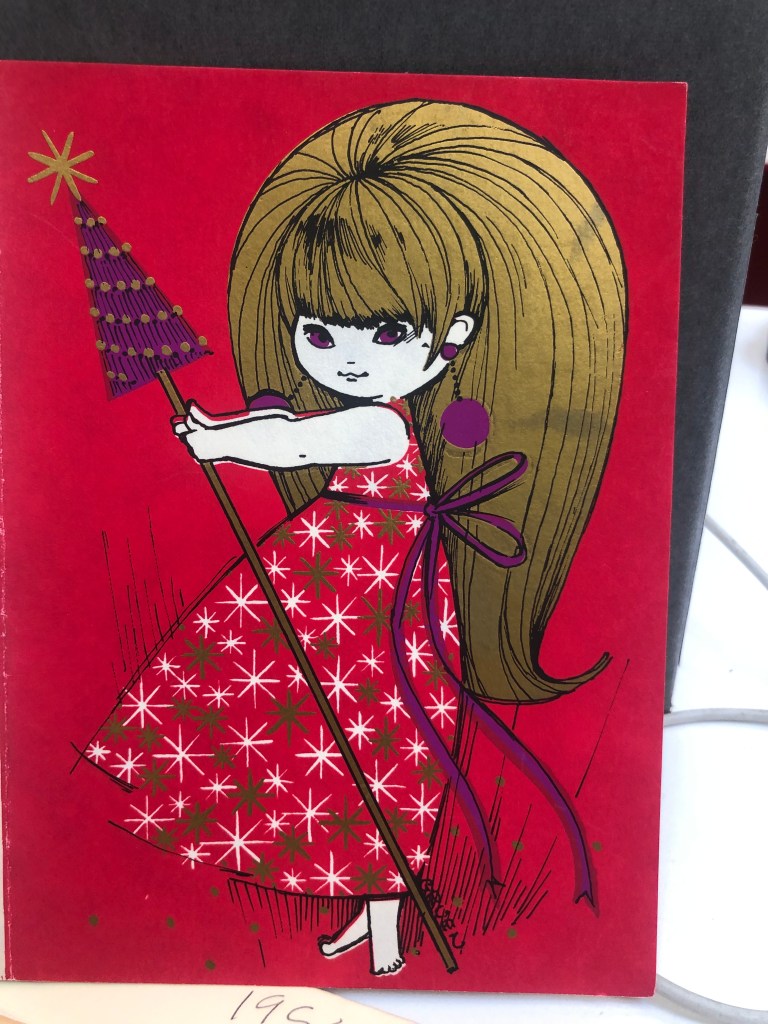
Christmas card, I can’t remember from who.
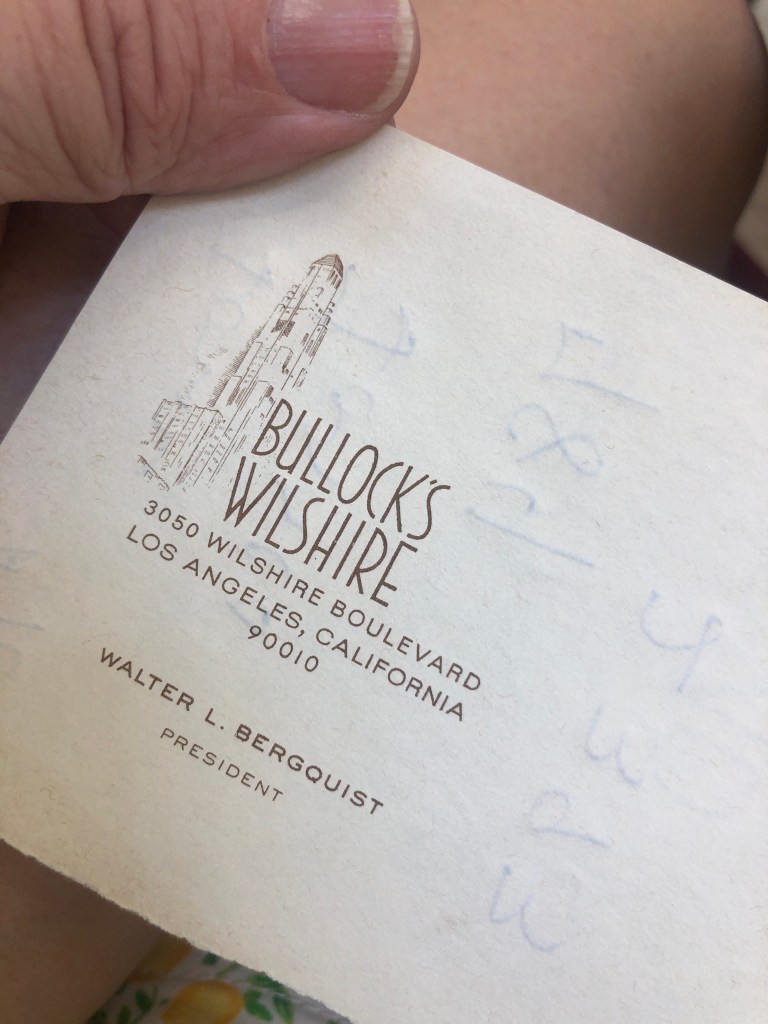

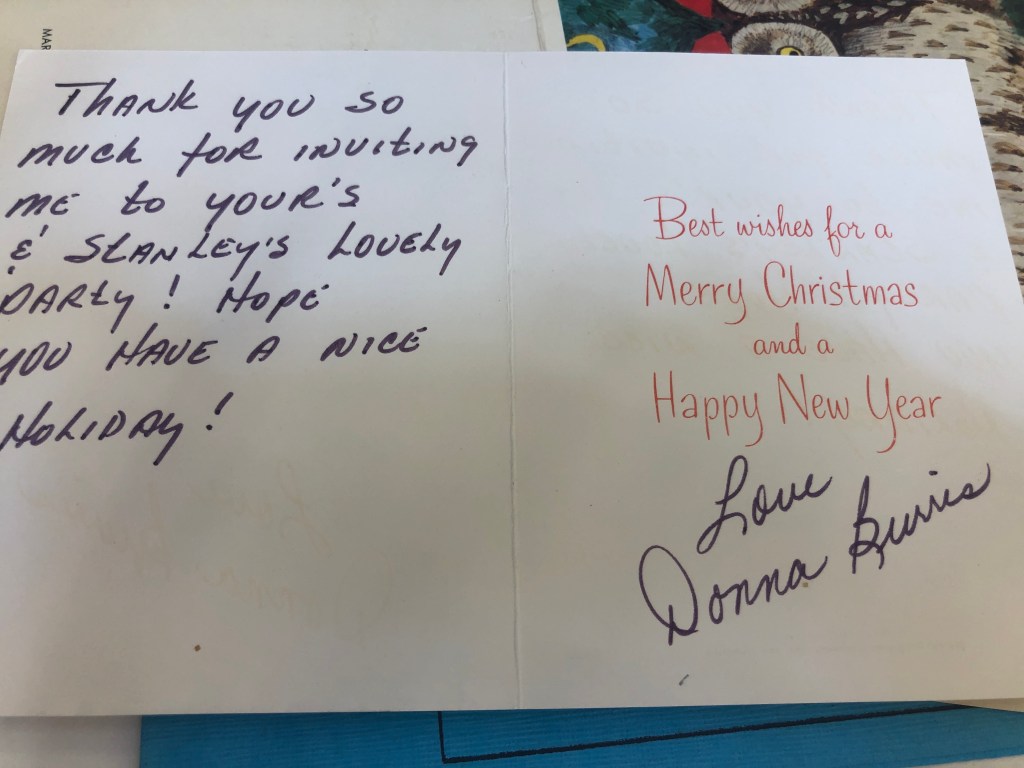
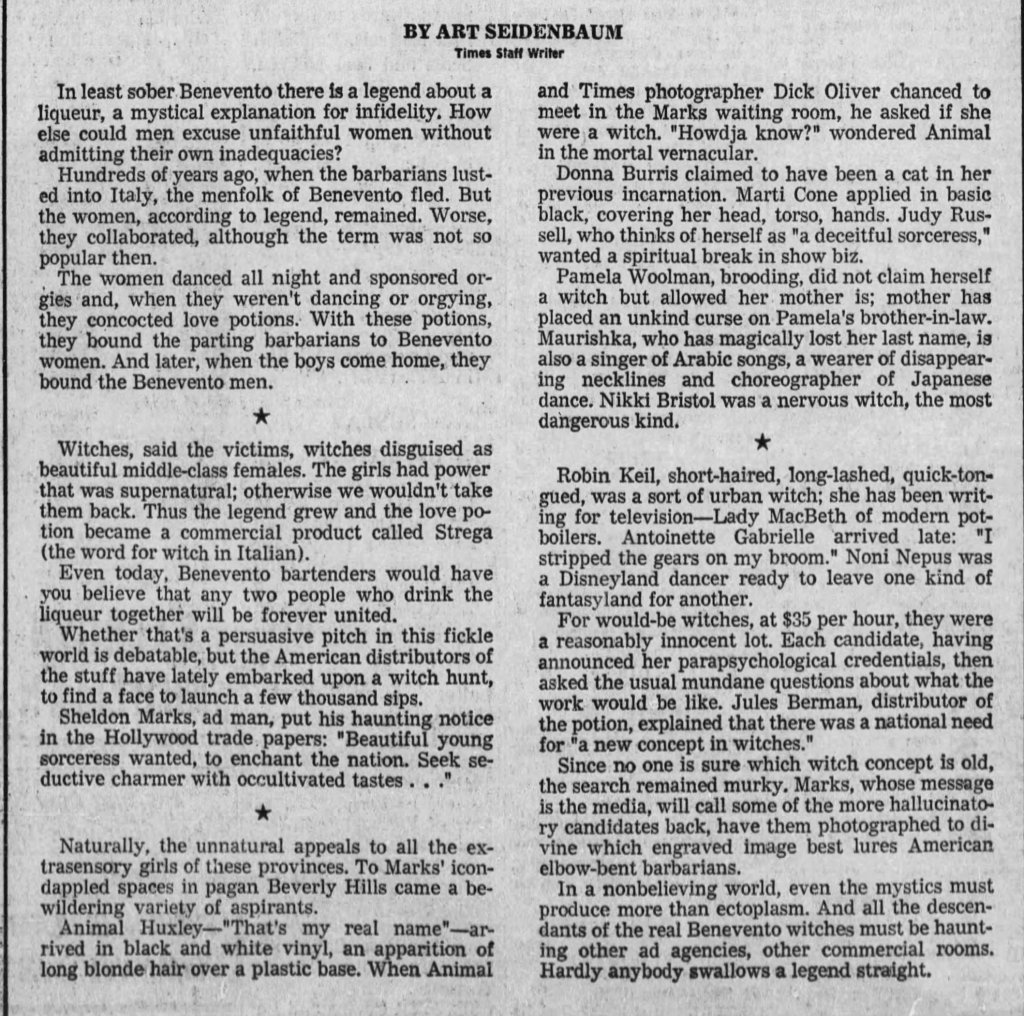
I have found very little so far. The best clue I have is the article below. It contains a one sentence mention of a Donna Burris for a “witchy” type “casting call.”

July 2, 1966 LAT. I have much more information on Animal Huxley and Pamela Woolman. Can’t find anything more on Marti Cone.
These three women had their picture in the LAT to go with this article. They, and every other woman there, are mentioned with only a sentence or two at most.
Donna Burris
is also mentioned with only one sentence, but no photograph.
2nd column, 2nd paragraph.
2 newspaper items found by me in newspaper archives. Los Angeles Mirror Feb. 7, 1961. >>>>>>>>>>>
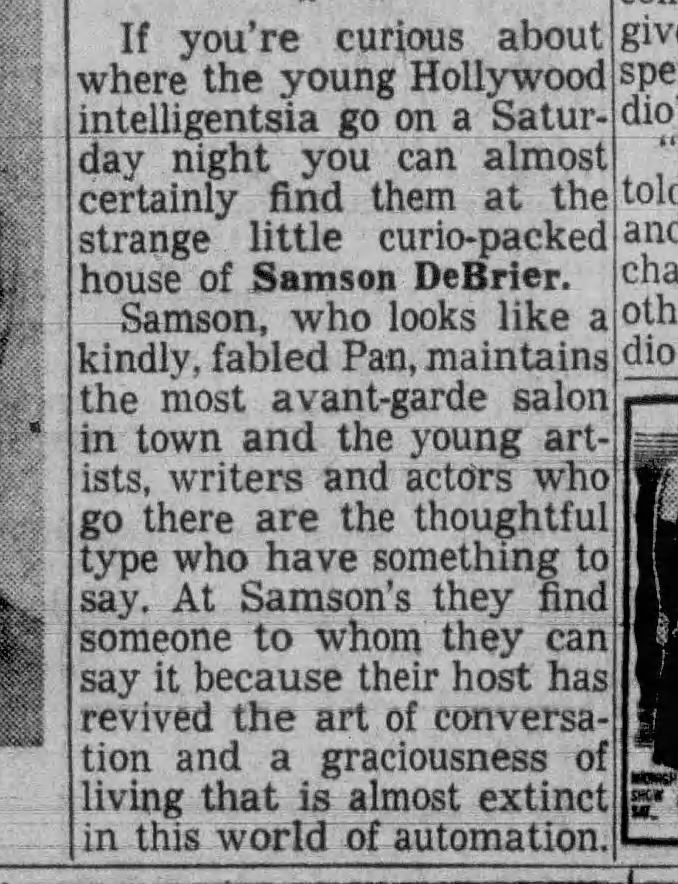
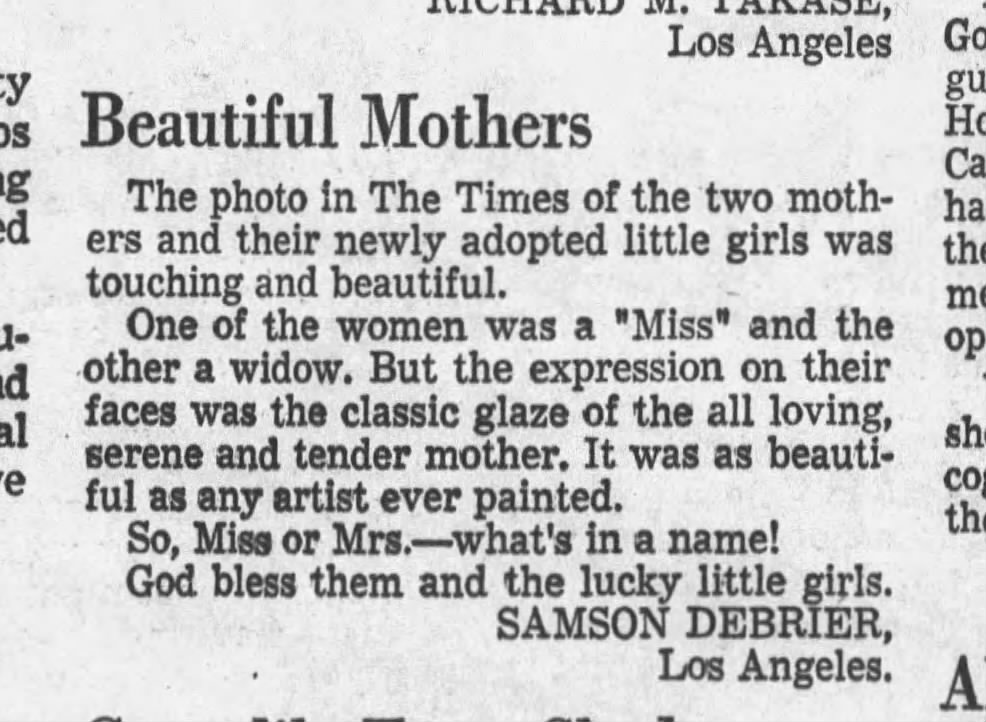
LAT. Mar. 11, 1966.
Samson De Brier LAT Obituary April 8, 1995
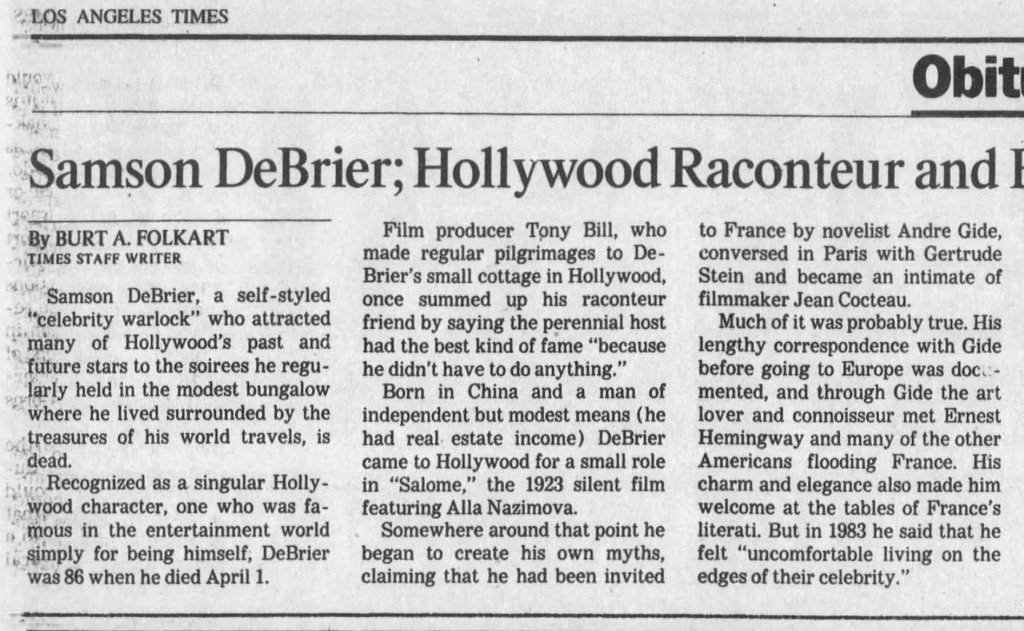
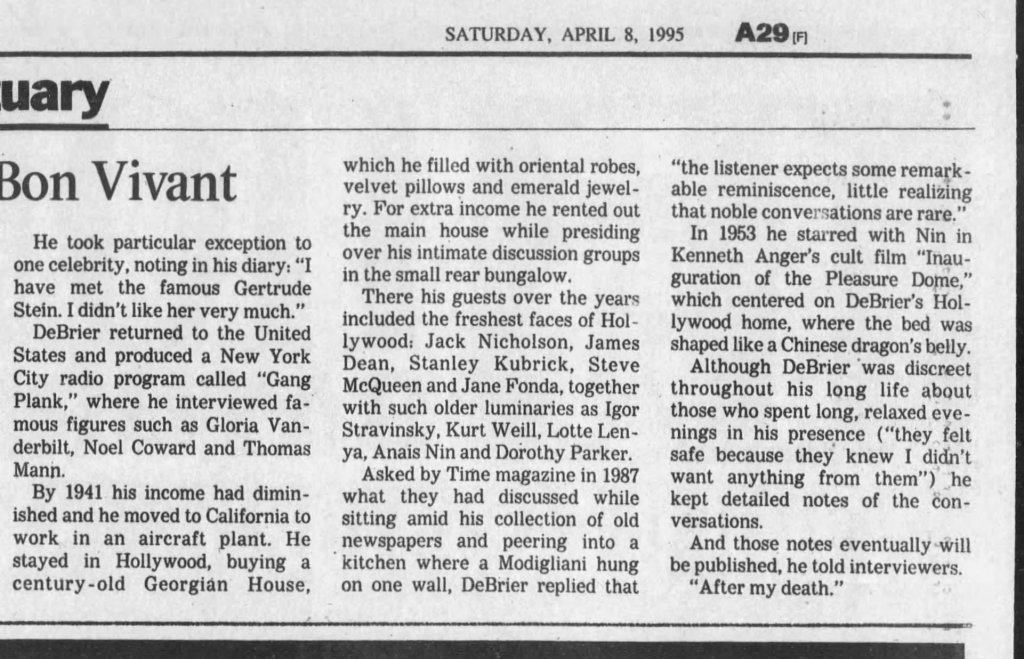

Samson’s close friend Cameron also died in 1995.
More info. to come!
Below is a paragraph from an article by Tosh Berman, the son of artist Wallace.
I only went into Samson’s Barton Avenue home once, and that was through an invite from one of his female friends. When I saw Samson at art openings or film events, he was usually with a pretty woman. All of his women were protective of him, and in my view, they were at odds with each other. I was sworn to secrecy not to reveal who took me to the house after Samson passed away. I think it was a day or two after he died. At the time I was the director at Beyond Baroque, the literary/arts center in Venice, California.
by Tosh Berman, Please Kill Me: This is What is Cool.
It’s significant for my research, because I firmly believe that Paige Young would have fit into this category of Samson De Brier’s pretty women friends.
Linking entire article which I highly recommend.
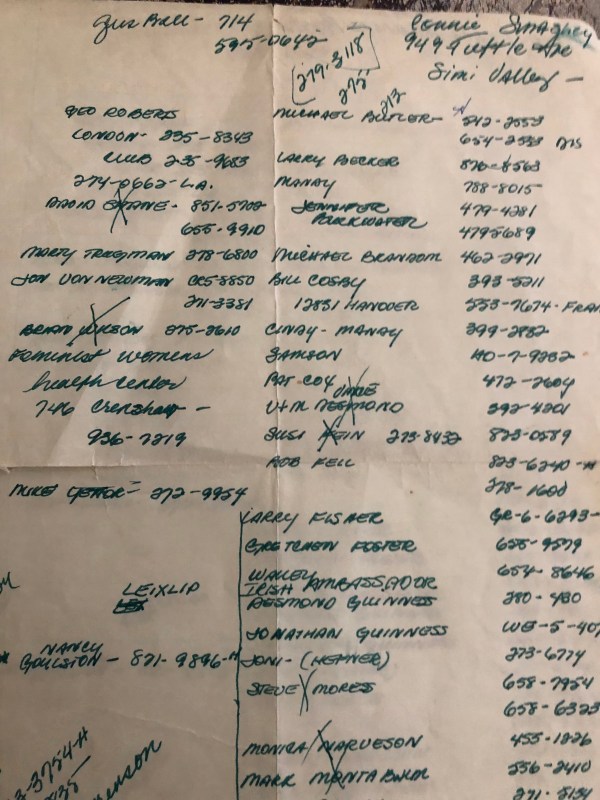
Names in Paige’s Phone Book: Desmond & Jonathan Guinness, Michael Butler of “Hair,” Hef & Joni, Cosby, Feminist Women’s Health Care Center, Samson DeBrier. Last Home. 3/29/26.* Very LONG.
Posted on October 6, 2023
This entry will make more sense if you have read at least the 2nd half of this website.
I was in Los Angeles in April of 2023.
I visited with Melanie Myers from the 2014 Daily Mail story. She also appeared in the 2022 Secrets of Playboy documentary on the A&E channel.
During our interview, Melanie showed me an old piece of paper with phone numbers and names written on it. She had copied these from Paige’s personal phone directory after her suicide.
Melanie and B.J. Royale were preparing to share the task of calling Paige’s friends to tell them the news of her suicide.
And to tell them that Paige wanted them to have a certain of her paintings or other personal art objects.
Basically, a will.
B.J. and Melanie lived in a duplex in front of Paige’s garage apartment in 1974.
The 3 shared a yard where Paige walked around nude or topless and Melanie “did not like it. “
She added, “Paige and B.J. were pretty good friends,” but that she herself was not close with Paige.
Even so, Melanie said she ended up hearing an earful from Paige about a “sex tape” involving “Cici Huston‘s brother.” (David Shane)
B.J. Royale was a niece of actress Loretta Young, star of Hollywood films and TV in its’ Golden Age.
Royale, aka Betty J. Hermann, has a film credit for The Trouble with Angels, 1966. IMDB
This film was a box office hit. It stars Hayley Mills, a Disney actress. She was a bonafide box office star in the 1960s. I remember Angels was shown on TV a lot in the early 1970s.
Melanie made me a copy of her original notes and I took photos.
The names I saw on Paige’s phone list gave me clues and provided insight into the last years of her life.
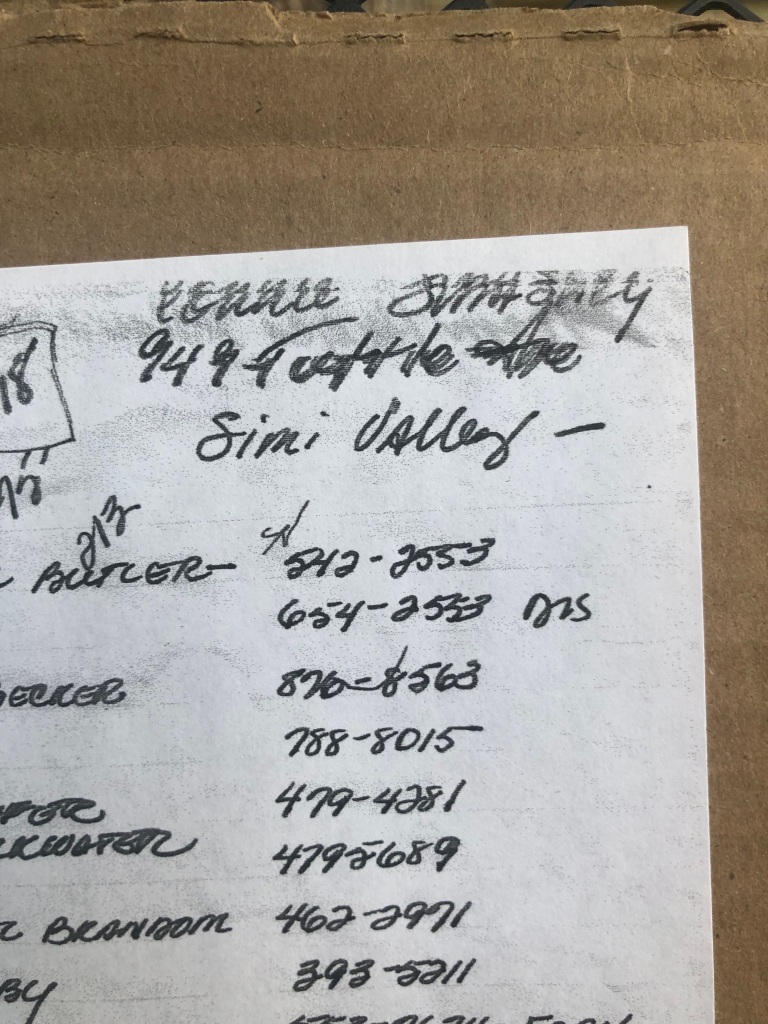


Both Desmond and his brother Jonathan were in Paige’s phone book upon her death. Jonathan is the older of the two and outlived his younger brother. Jonathan is a well-known author and alive as of November 2025.

I learned that Foster is a niece of Loretta Young.
Her mother was Loretta’s sister, actress Sally Blane.
Paige’s neighbor B.J. Royale, Hermann and Gretchen Foster were cousins.
B.J. or Betty Jane Hermann, was the daughter of Loretta’s sister Polly Ann Young.
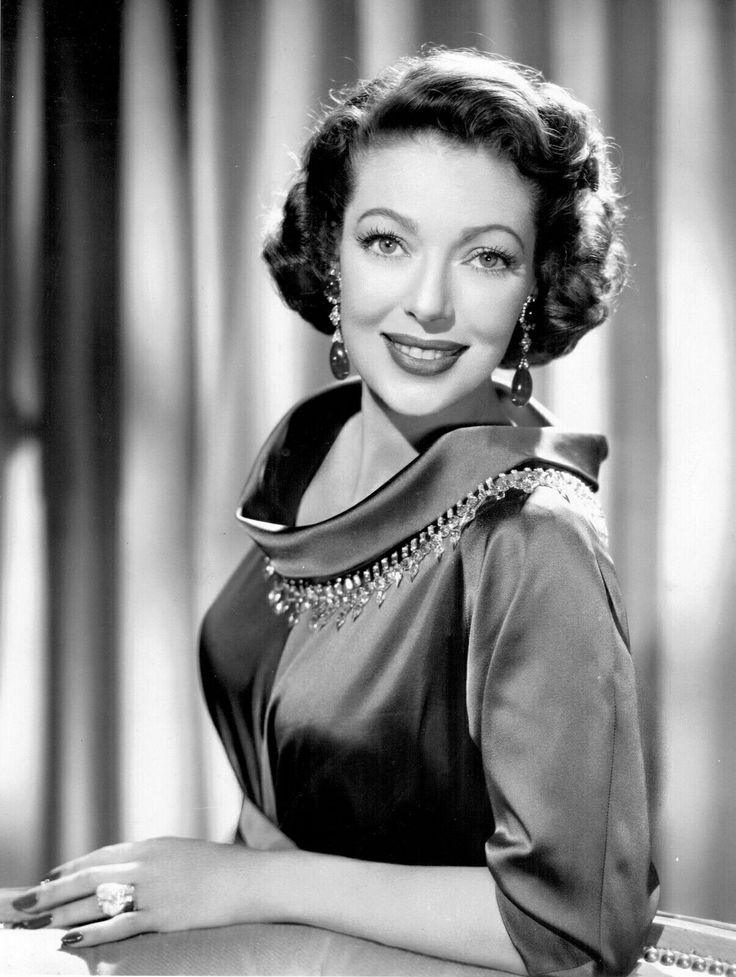
Melanie told me she met and knew Gretchen Foster due to knowing B.J.
Melanie had no idea that Paige had also known Gretchen.
Paige and BJ were fairly good friends, according to Melanie, so this must be the connection.
BJ Royale died a few years ago. She did not speak with the directors of Secrets of Playboy. I know they reached out to her.
Melanie said she got the impression that B.J. had zero interest in talking about Paige, and one reason may be that she “married and moved to Bakersfield where she was in high society.”
According to Melanie, Paige “willed a beautiful large pastel-colored painting, of horses,” to B.J. . But that Mrs. Hermann never wanted to talk about Paige.
Betty June was contacted by Secrets of Playboy. B.J. told them “I wasn’t there the weekend of the suicide.” And begged out of speaking on camera.
(I was told this by a researcher on the series. Too bad, because there was so much to ask Betty June besides the suicide weekend.)
This lady took whatever she knew, or remembered to her grave.
Melanie and B. J. and Paige attended the Playboy mansion party together with Paige, although they arrived separately.
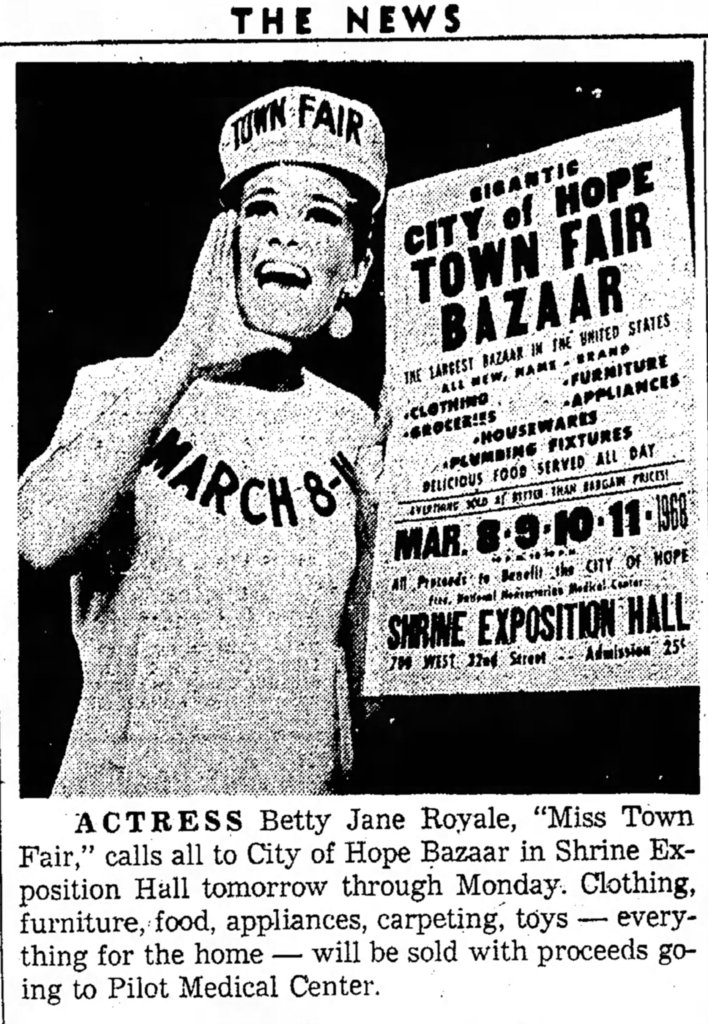
Betty Jane Royale doing the starlet routine, Van Nuys News March 7, 1968
Her name was in a few gossip columns of the day, one of them as being a member of an exclusive club: The Daisy
Joni-(Hefner)
She is Hugh Hefner’s longtime assistant and personal secretary from the Chicago mansion days.
In my opinion, Joni Mattis took actions to “cover up” Paige’s suicide scene, notes and letters left at her home, only a 10-minute car drive from the Playboy Mansion.
Perhaps Joni initiated the cover up by anticipating what Hef would want.
Another scenario is Joni contacted Hef and he told her what to do.

I can’t find out if Hefner was in the LA mansion on the dates of Paige’s suicide or in the Chicago mansion or somewhere else. Articles and Hollywood columns and Melanie’s story suggest he was present in the months leading up to Paige Young’s suicide and gave several parties.
This was clear from items published in newspapers.
Joni and Hef/Playboy took action to prevent the sensational news of Paige Young’s suicide from going anywhere near the press.
This action would have required cooperation from LAPD.
Please see chapter of LAPD report and death certificate.
Melanie in Daily Mail-“police read some of the note to me… most vitriol for Hugh Hefner and John Huston.”

Melanie told me that that Paige’s mother (Donna) and sister (Constance) came the next day to pack up her belongings including paintings. “Connie” appears on Melanie’s list of phone numbers, identified as Paige’s sister. Melanie did not remember their names.

The Playboy corporate headquarters remained in Chicago until 2012.
Hefner’s ” constant companion” and mansion finder and partial decorator Barbi Benton, parted sometime in 1976.
Hef then started a relationship in 1977 with his next #1 girlfriend: 19-year-old Sondra Theodore from San Bernardino.
The Proximity Factor
Paige lived in Westwood, a 10 minute car drive to Holmby Hills. The local police had a friendly relationship with Hefner and the mansion employees.
Many former LAPD officers became Mansion security according to Secrets of Playboy. (PJ Masten) I believe Masten dated one of them at one time.
Hefner received reports on a regular basis from employees. They informed him about goings on at the mansion. This included employees and visitors, said PJ Masten.
The LAPD certainly knew who the hell Hugh Hefner was when they were greeted by Paige’s mural at her suicide scene 2 miles from the Playboy mansion.
As I continue to read about the history of the LAPD, I realize their Mythic status is based on historic facts. It has been a corrupt institution from the beginning. A fact well expressed in the movie L.A. Confidential.
So really, it is not surprising that information unflattering to Hugh Hefner could be buried and made up to be like it just didn’t happen.
I am not in any way saying Hugh Hefner is directly responsible for Paige Young’s suicide.
But it is about the image.
Particularly at this date.
Bobbie Arnstein was arrested in Chicago, only 9 days before Paige’s suicide, on highly exaggerated cocaine charges.
Joni and Hef could have sincerely believed that by burying Paige’s story they were helping Bobbie and Hef from unjust prosecution. ( And persecution.)
There was more motivation than usual to justify hiding, burying and lying about Paige’s suicide (and everything she left behind incriminating Hugh Hefner, his friends and other men.)
PJ Masten in Secrets of Playboy talked about “an awareness that negative press was to be avoided.”
Jennifer Saginor, Secrets of Playboy and author of the book Playground said on a podcast Power,“Hef was always image conscious.” Hefner had the power to have Saginor’s book tour interviews suddenly canceled as she has recounted.
Jim Ellis, a former body guard for Hefner, early 1980s, said in Secrets of Playboy, his “job was not only protecting his clients physical being, but also their reputation.”
I believe that there was an opportunity for Playboy to shut this whole Paige Young thing down.
And the opportunity was quickly grabbed.
Hugh Hefner and Joni felt relieved I imagine.
Why does Paige Young’s entry in the Playmate Book, say “drug overdose” ?If they knowingly made that up, why that manner of death was chosen is beyond me.
END

Michael Brandon, too many. Cindy Manay brings nothing.

Looking at the list, so far have not found anything on Larry Fisher.
Steve Moress, listed below Joni-Hefner, opened a museum and shop of acrylic arts in 1974 at 2360 S. Robertson Blvd. It was open for several decades selling to interior decorators, but is now closed. I called several numbers for a “Stephen Moress” but none of them were working numbers. He’s about 80 years old now.


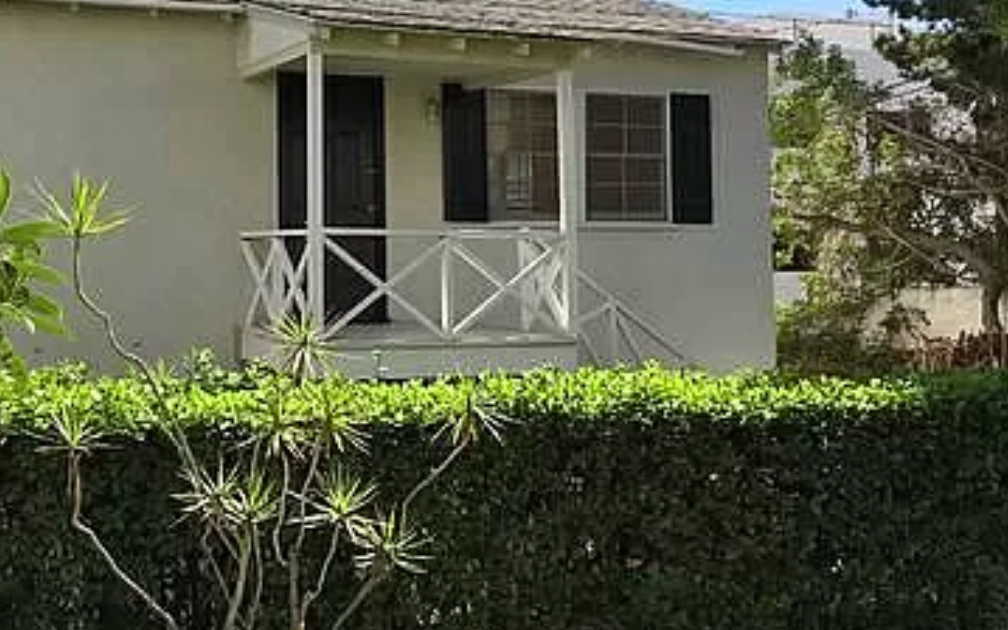
The following screenshots are from a real estate website. They show the interior of Paige’s carriage house/apartment over a garage in Westwood. It is located down the street from the Mormon Temple. The apartment was built over a garage in 1940. It is where Paige lived the last years of her life. She committed suicide there. Among her belongings was a suicide note mentioning names she said were complicit in her downfall. There was also a will. A mural proclaimed “Hugh Hefner is the devil.” Her belongings included many of her paintings. A few unfinished. All her personal belongings.
These real estate photos are all the world has left of this particular place of what is “old Los Angeles.”
In this case, a carriage house over a garage. It was built in 1940 by Kathryn Eddy, who appeared in walk-on parts in silent movies.
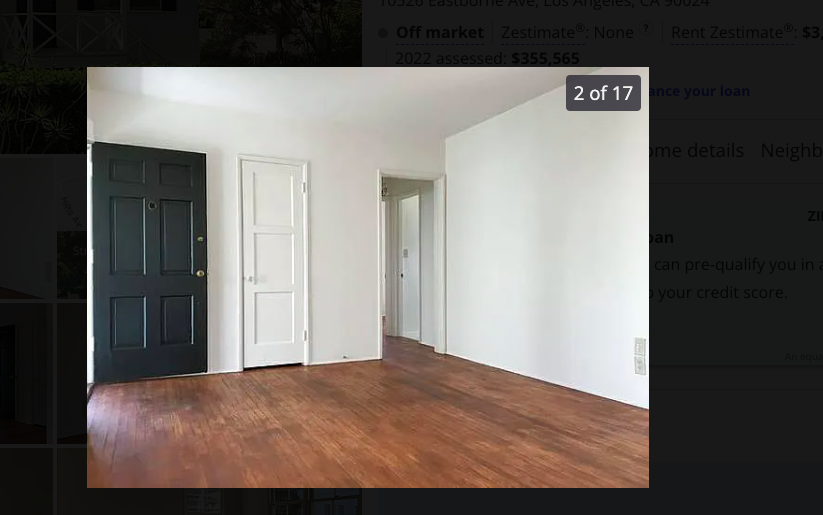
Unless there are photographs lying in some attic or in a landfill placed decades ago?
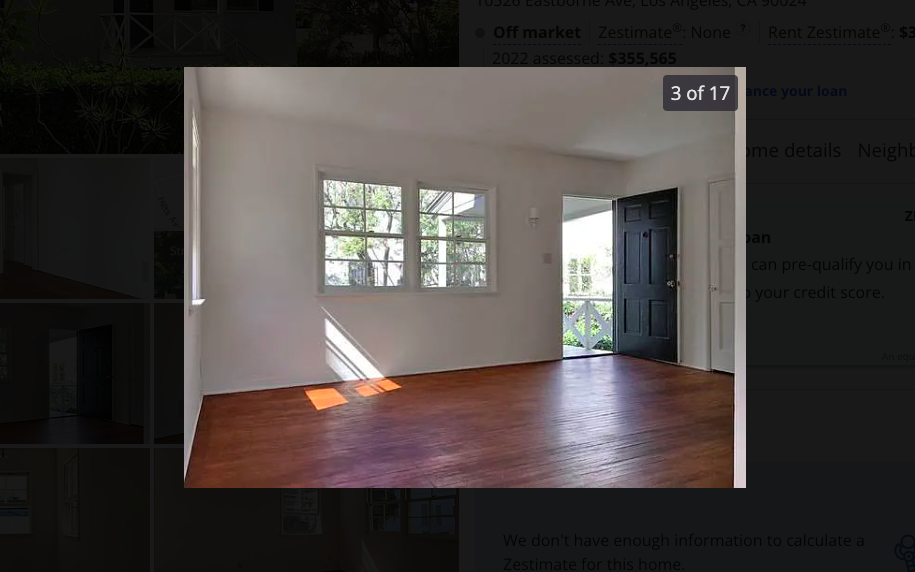

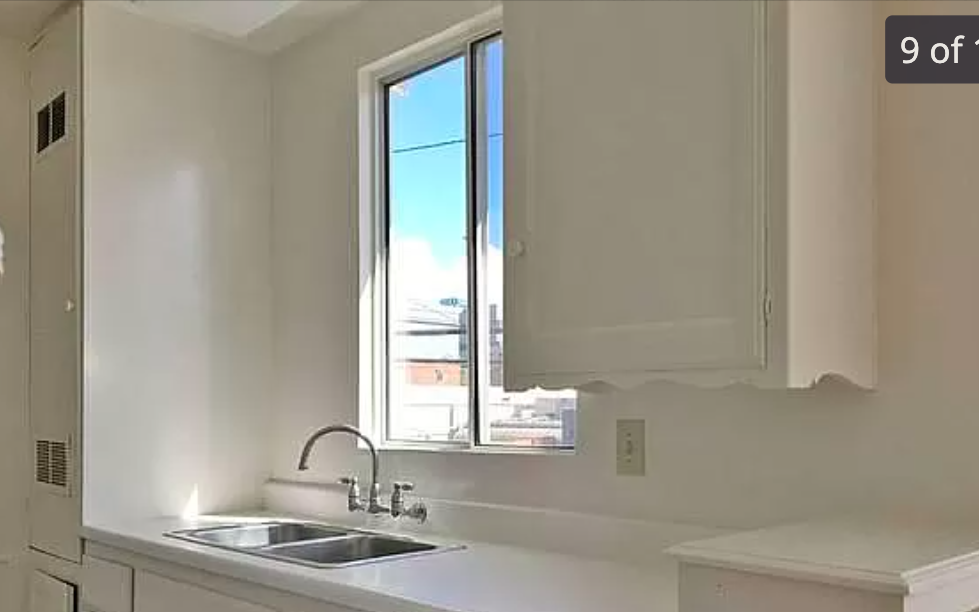
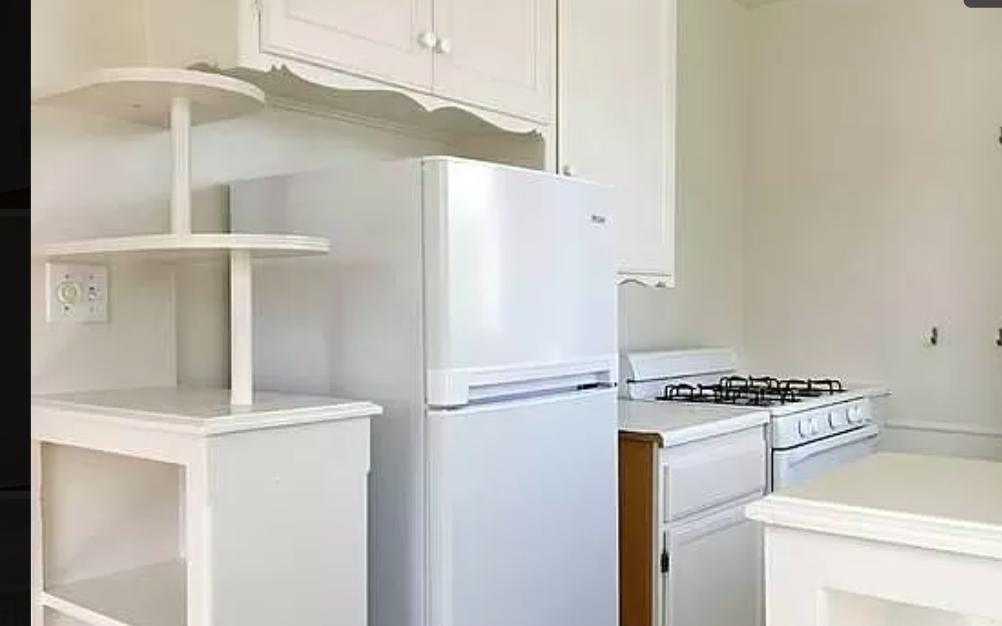
All original built-ins, since gutted. Paige had a large black refrigerator a man bought for her and called it a “coffin,” said Melanie. This visit reminded me of another LA trip.
The place Paige was born as Diana Lee Cotterell is 1933 Griffith Park Blvd. It was originally a Christian Science Maternity center. The building was being torn down on the day I was visited. (See related chapter)
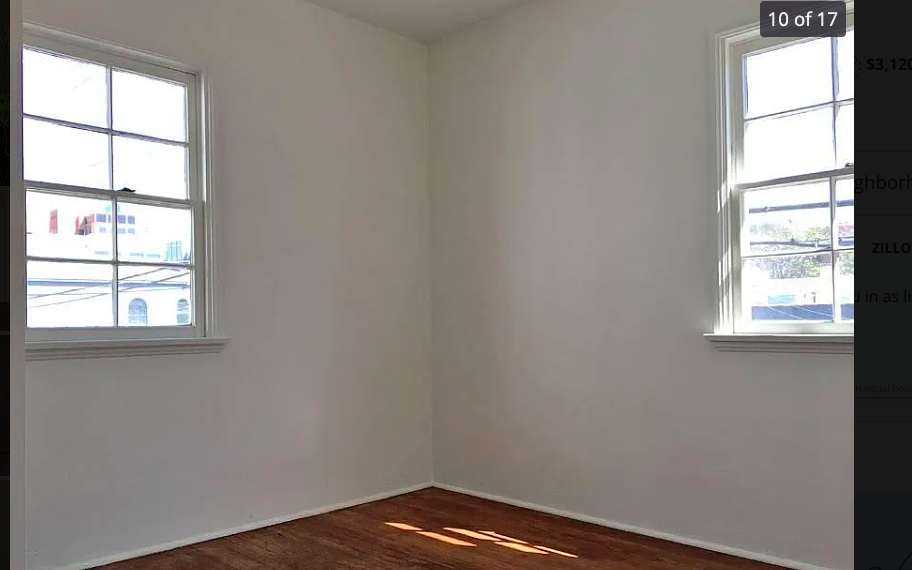
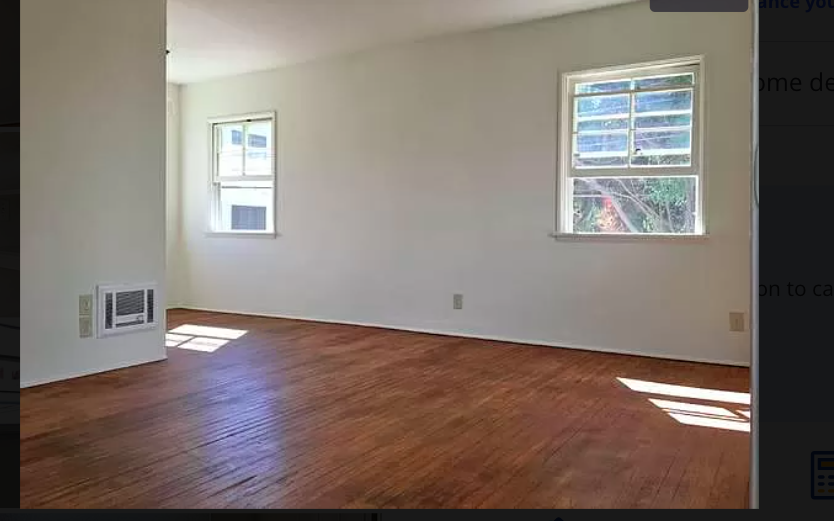

The builts-in of the 800 sq. foot apartment were being ripped out the day I visited; the place was being completely renovated.
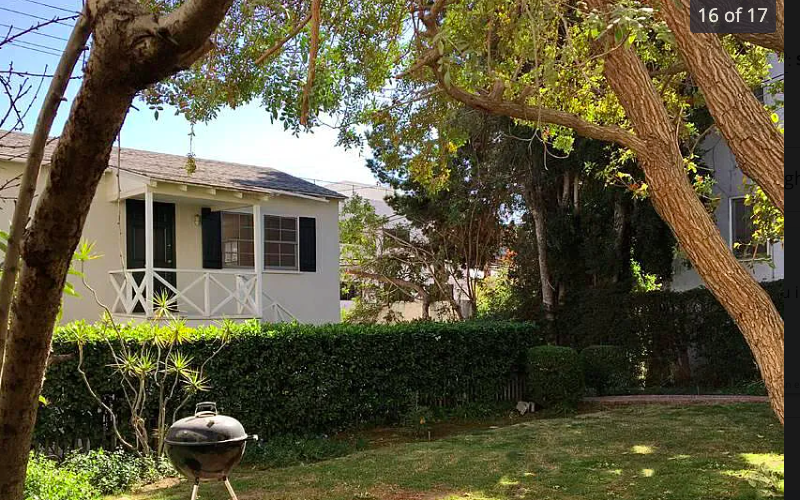
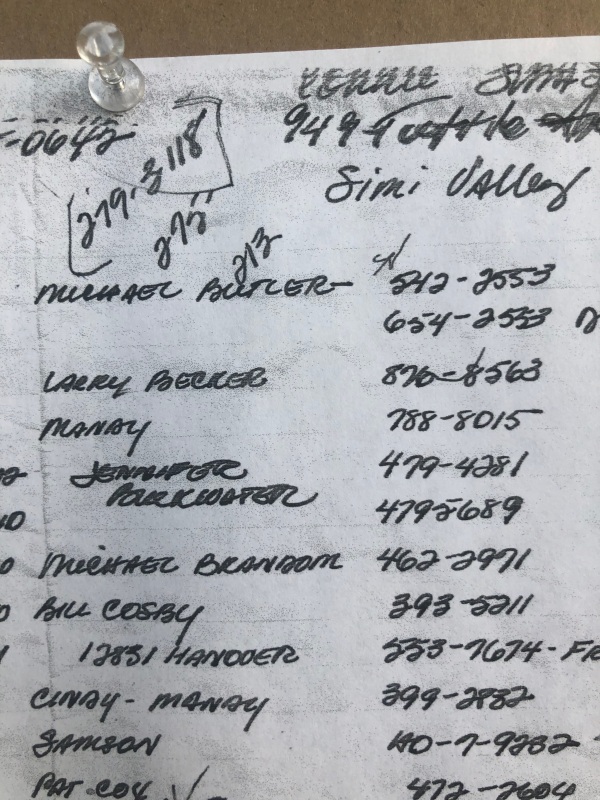
UPDATE* I found Samson and it is the infamous LA character SAMSON DE BRIER.* PLEASE SEE RELATED CHAPTER
The next section provides information on the Michael Butler entry found in Paige’s phone book. . Top right below sister Connie Smashey’s contact information.
I am confident he is the same Michael Butler most famous as the millionaire producer of Hair: the famous “Tribal Love Rock” musical.
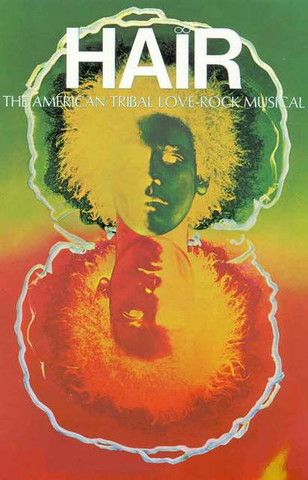
Butler brought Hair to Broadway where it was a smash hit.
Dubbed by the media as a “hippie-millionaire”
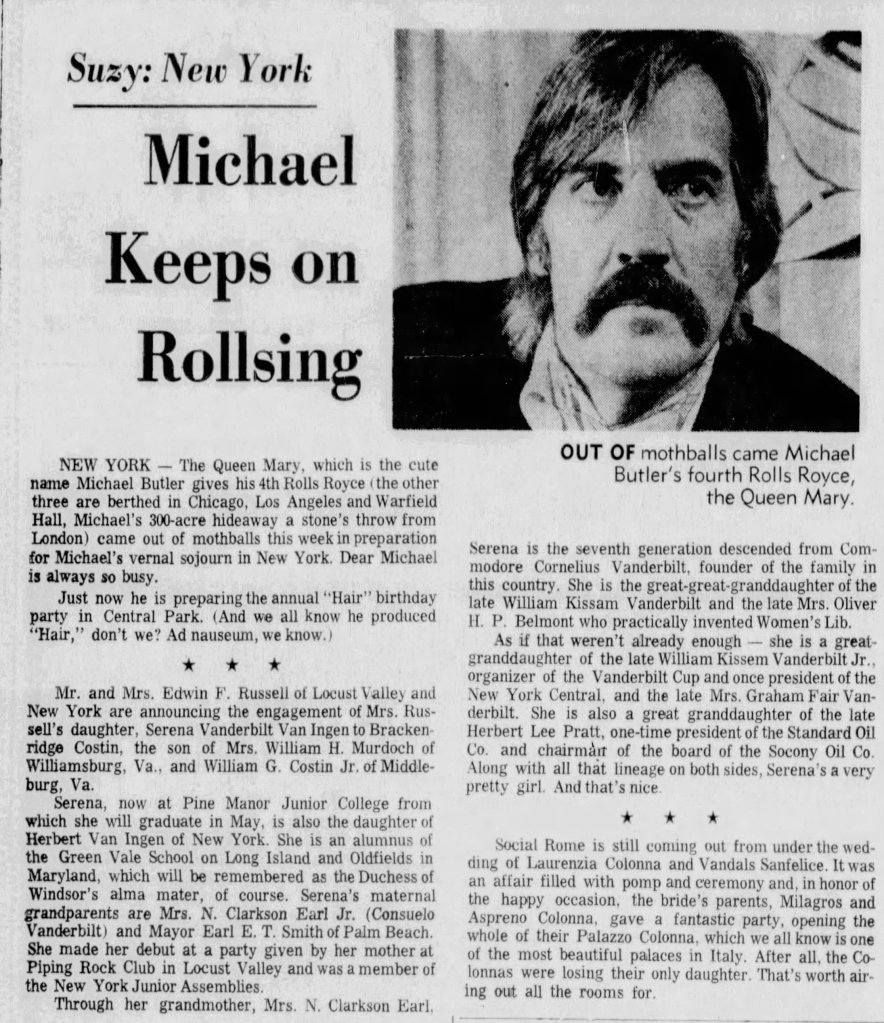
A detailed description of Michael Butler and his upper crust background in the article below by Eugenia Sheppard. It appeared in newspapers across the country in 1968, the year Hair opened. Also the year Paige Young was a Vietnam–era Playboy Playmate.

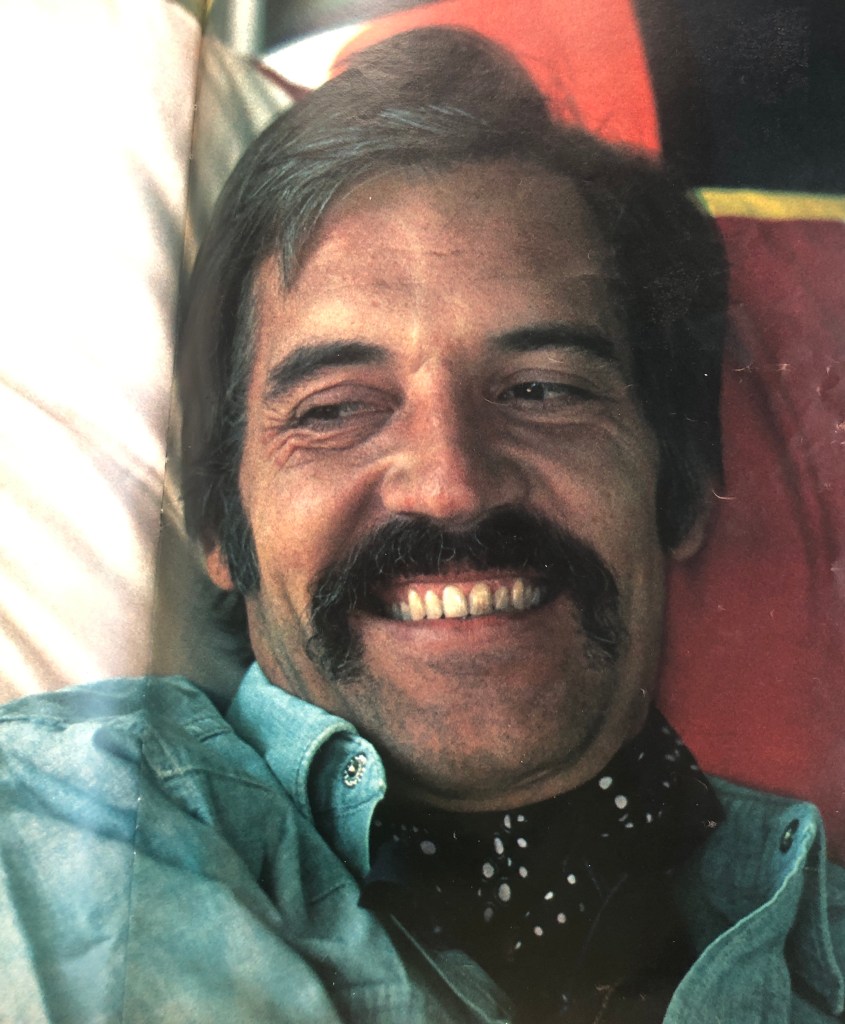

Mary Blume wrote an eye-opening article about Butler in the LAT. Oct. 11, 1970.
Three marriages so far and a production company in LA “Natoma” And an avid polo player.
Page 1

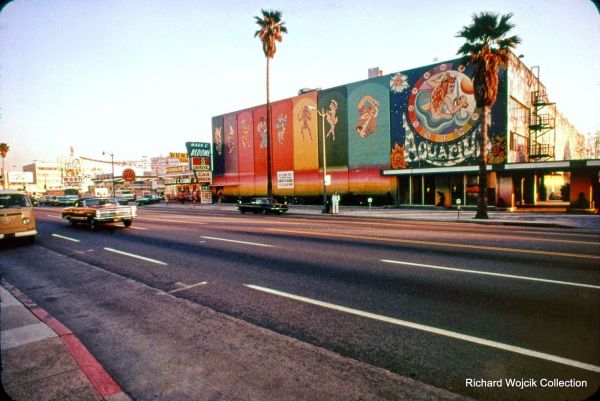
It’s been several incarnations over the decades. The building was repainted this look for the filming of Once Upon A Time in Hollywood.
Page #3 of the LAT article. Butler was and avid polo player and played the sport with the wealthy elite around the world. Including Santa Barbara County as seen in the next articles.


San Fran Examiner June 25, 1971
San Francisco Examiner, May 1, 1972
Last I checked, this Butler website was being maintained well. You can see the entry about his good friend Celeste Huston.

Like Paige Young and John Huston and Celeste, there was the “horse connection.”
It appears Michael Butler lived a long and fulfilling life full of adventure and artistic creation.
I’ve read that he was comfortable as an “out” bi-sexual for most of his life.
What I found from this 1960s and 1970’s era, was that he was quite the “Ladies (only) Man.” This can be seen in the articles I’ve posted.

The Playboy Club moved from the classic 1960s Sunset Strip location and relocated to the new ABC Entertainment Center, set in new, modern, latest Century City.
At some point in the 1970s, the Playboy Clubs were starting to seem passe. I’m not sure exactly when. By 1974, the “pubic wars” were played out by the media. Penthouse magazine won by outselling Playboy magazine. On the stand or subscription, I don’t know but Playboy’s profits started to slide probably around this time.
Paige lived about a 3 minute drive from Century City. When you have time, this is the best resource for the history of Century City.
https://martinostimemachine.blogspot.com/2020/12/the-old-century-city-mall.html
Celeste Shane Huston and Paige Young had 5 people in common: John Huston, Bill Gardner, Samson DeBrier, David Shane and Michael Butler.
Nothing comes up for Gus Prall at the top left.
Note below that David Shane is listed right below a Geo. Roberts on the left hand column, an X through it.
Shane is an important character from several other chapters. He was a man with a large 1970s mustache like Michael Butler, business owner set up by his successful Beverly Hills rental car owner father, and the brother of Cici Shane (Mrs.John) Huston.
Shane was a visitor to the LA Mansion and possible holder or keeper, and partner in Paige’s “sex tape.”
See chapters with Shane in the title, and Secrets of Playboy, episode 8.
LAT Nov. 1, 1973. I think the CC Playboy Club opened earlier in the fall. Paige lived about a 3 minute drive from Century City. There is no record of Paige as a Bunny at either club in Los Angeles. Richard Sample says she did some kind work at the Playboy Club on the Sunset Strip in the mid-1960s. but he never saw her in the Bunny costume. Paige lived close to Century City and the Playboy mansion was close by as well.

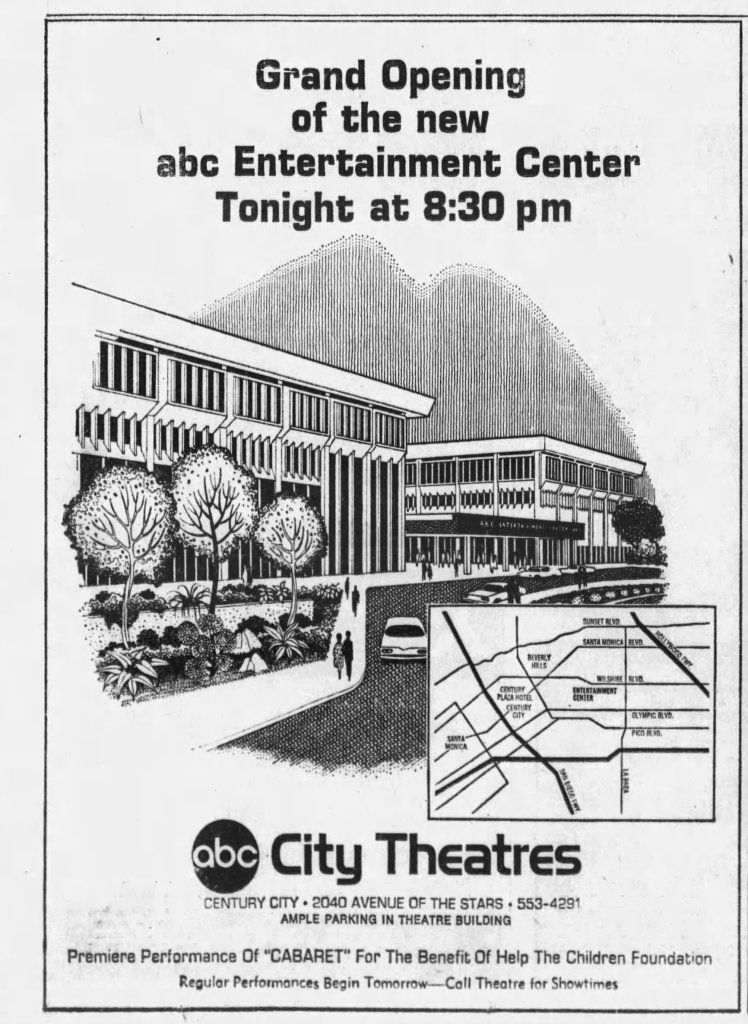
Charity performance of Cabaret was performed at the opening. It has since been demolished.
*Notice the advert below for the Classic Cat. They too, present Cabaret to an audience. (June 1973)
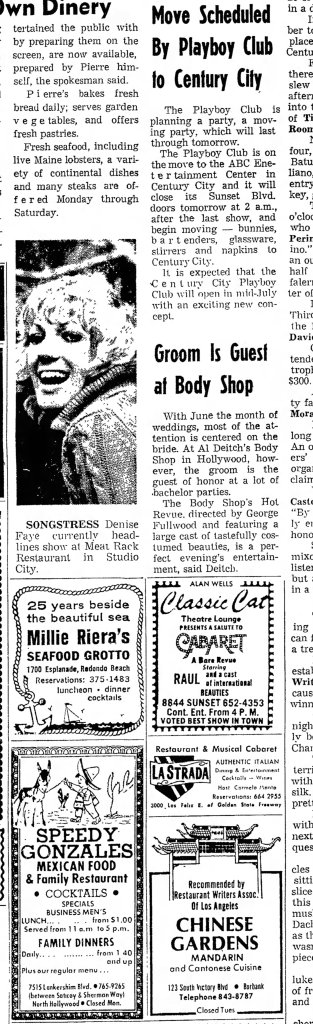

Playboy Club Move announcement, and for the Classic Cat Performance of Cabaret and A mexican restaurant actually named speedy Gonzales.


Marty Tregman is a long time realtor in Santa Monica, he doesn’t remember Paige. Jon Von Newman…. came up with nothing. Brian Wilson is a common name so I can’t say this with the genius writer of the Beach Boys music group.
And right below Brian Wilson,
I was intrigued with the entry “Feminist Women’s Health Center 746 Crenshaw”
And I found many articles in the newspaper archives.


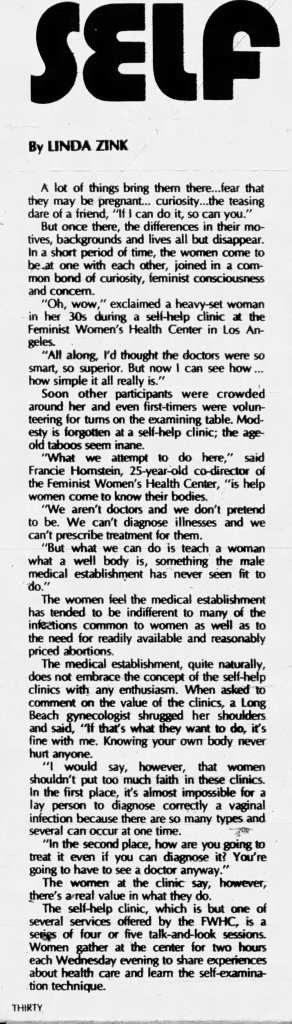
Turns out this Health care center played an important, but under recognized role in the 2nd Wave Feminist movement.
There were many services that Paige might have used at the “Feminist Women’s Health Center 746 Crenshaw” (FWHC)
You will see evidence of this through newspaper articles written at the time, both local and national.
This FWHC was one of, if not the first, women’s self-help health centers in the nation.
A brief context of the times is important and mostly forgotten.
“The Women’s Lib Movement” was in the mainstream news and discussions at home and parodied on TV shows.
I can remember this when I was in 6th grade.
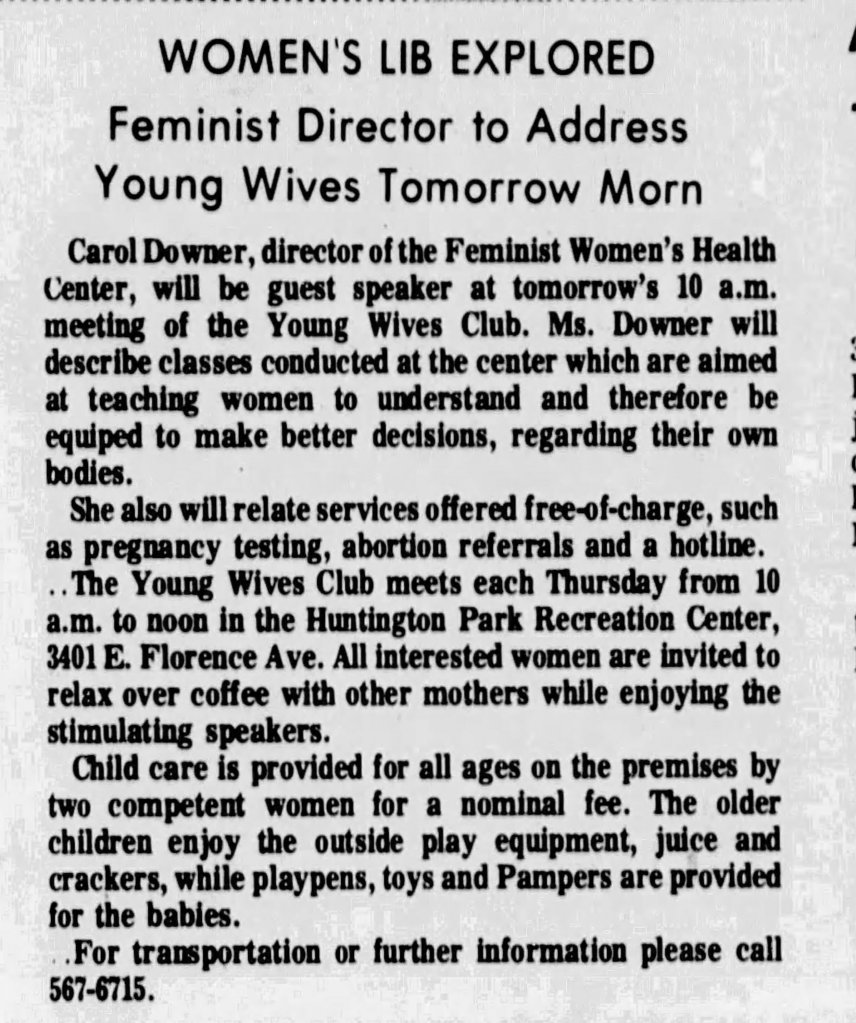
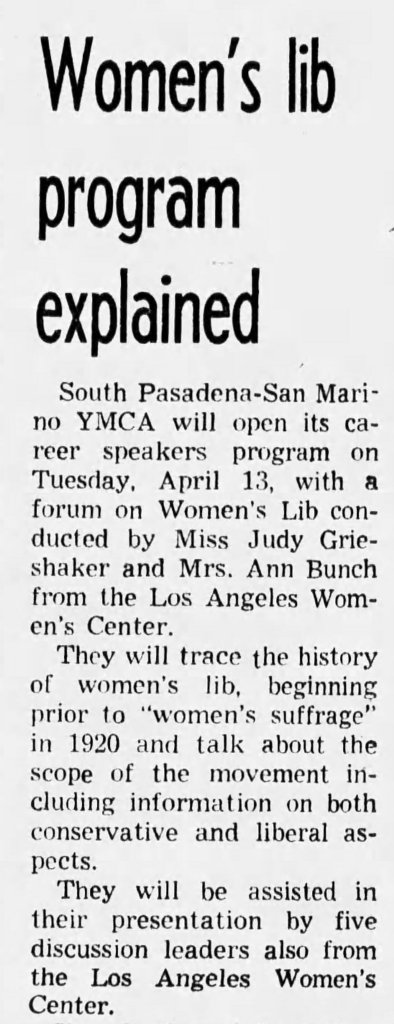
Feminism/ Women’s Liberation was more active in the early 1970s.
More so, than the 1960s.
I say this despite the publication of The Feminine Mystique by Betty Friedan in 1963. The movement flourished in a main-stream way in the early 1970s.
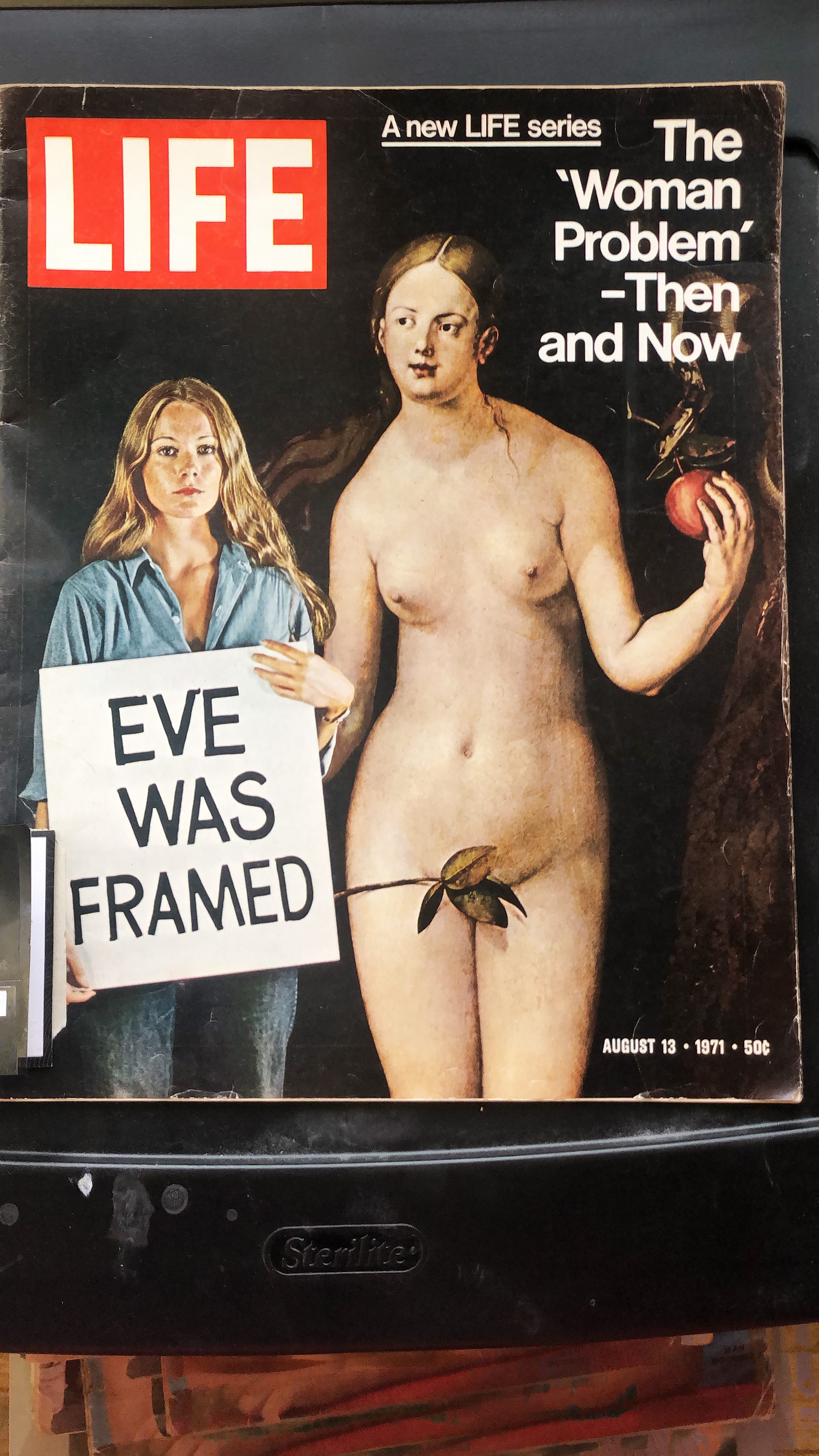
Let’s review some history to show you what I mean:
1972: The Equal Rights Amendment was reintroduced. 22 states, quickly ratified. This same year Title 9 was made a law.
Domestic violence safe houses, rape crisis centers, help lines and self-defense classes for women proliferated in the 1970s.
There were Media reports and editorials about equal pay for equal work and sexual harassment in the workplace.
There were reports about limited job opportunity and gender discrimination in housing and credit. Another topic was the implementation of subsidized childcare and wages for housework.
1973: The Roe V.Wade case. A woman’s right to an abortion become national law in January of 1973.
One exception was California:
Abortion was legalized in California in 1967 with the passage of the Therapeutic Abortion Act. This law allowed abortions in cases of rape, incest, or when the mother’s physical or mental health was in danger. In 1969, the California Supreme Court further ruled that women had a constitutional right to privacy, which included the right to an abortion. This was before the nationwide legalization of abortion in 1973 with the Roe v. Wade decision. credit Google AI
<<<<<<<Article by Linda Zink in Long Beach, explains what the Feminist Women’s Health Care Center was about. Excerpts from this article are throughout this section.
1974 – Housing discrimination on the basis of sex and credit discrimination against women is outlawed by Congress.
1975: An influential book about sexual violence and rape, “Against Our Will” by Susan Brownmiller was published.
In this environment many women were exhausted yet fed up with their treatment by almost always male doctors.
OB/Gyns were considered the experts and authorities on female bodies. This caused anger and resentment by women of all ages.
They turned the anger into public activism.
The health and reproductive branch of “Women’s Liberation” is symbolized by the worldwide success of the book “Our Bodies, Ourselves.” The book’s influence is significant. The book was published in 1970 and is now on its’ 9th edition.

You or someone you know probably own a copy. Or seen it somewhere. It’s probably been banned somewhere.
Our Bodies, Ourselves originally sprang from feminist “consciousness-raising” courses held in Boston in the late 1960s. Group members gave presentations about topics considered taboo at the time, like masturbation, postpartum struggles, and birth control — which was then illegal for unmarried women in Massachusetts. NPR website 4-8-2018
2 women who became activists lived in Los Angeles and Orange County were mothers:
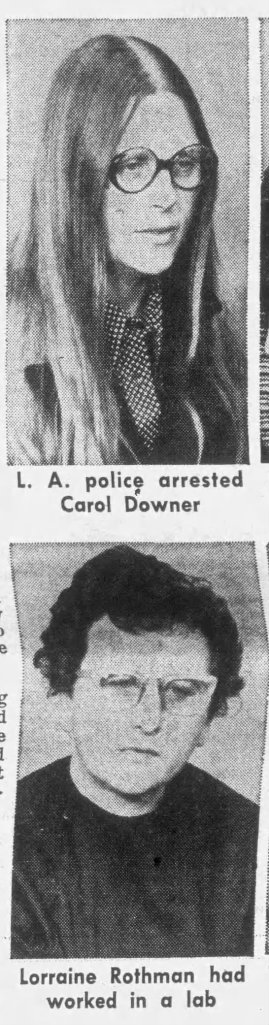
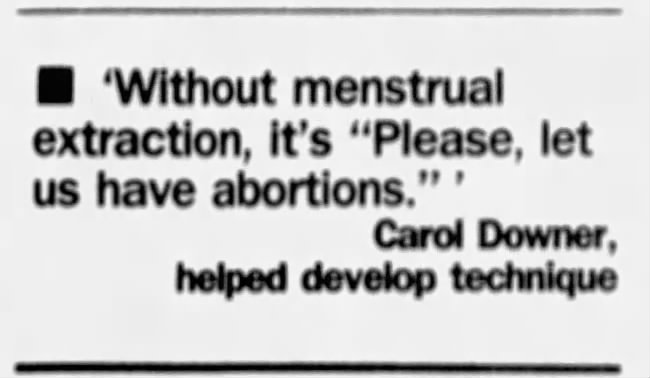
Carol Downer and Lorraine Rothman. Together, they started the Los Angeles Feminist W0men’s Health Clinic. They taught classes to women on how to be the expert on their own reproductive health. This includes fertility control with the method called “menstrual extraction”
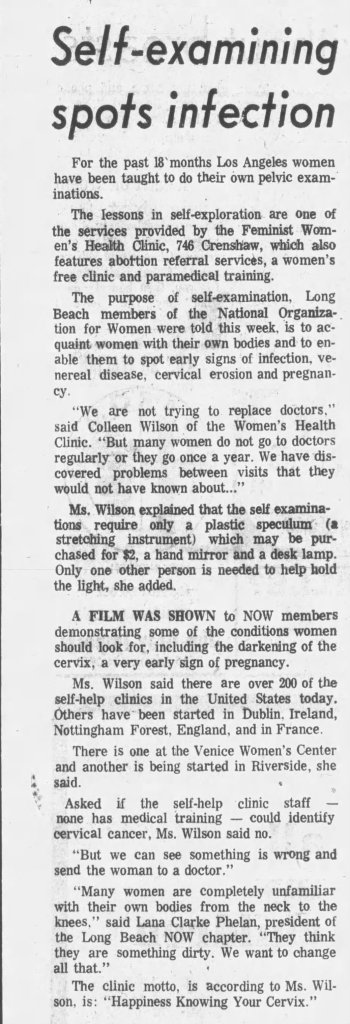
August 25th 1972 Long Beach Newspaper.
Quote below from Los Angeles Conservancy, an historic architecture preservation society.
It is from their website as part of their nomination for historic status of the FWHC building at 1027 Crenshaw.
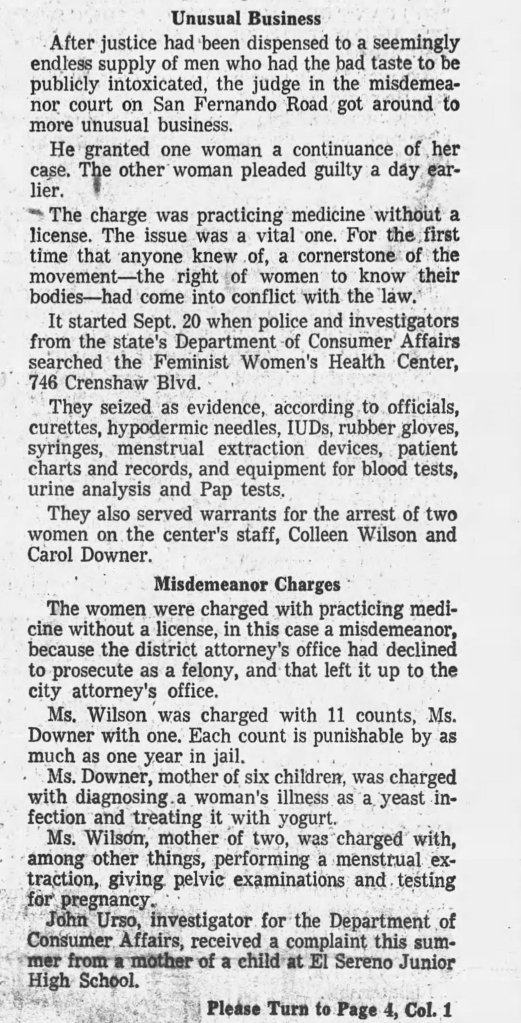
“Women’s Self-Help One clinic was the first in the nation and consequently placed the Crenshaw Women’s Center at the genesis point of the women’s self-help movement. Founded by Carol Downer and Lorraine Rothman, the clinic became a model for the national movement. In 1972, the Center was raided by police. Ms. Downer had applied yogurt as a cure for a yeast infection and was arrested for practicing medicine without a license. She was acquitted and the platform and publicity of The Great Yogurt Conspiracy raised the consciousness of the nation and helped make woman’s clinics a national movement.”
Historic status was denied.
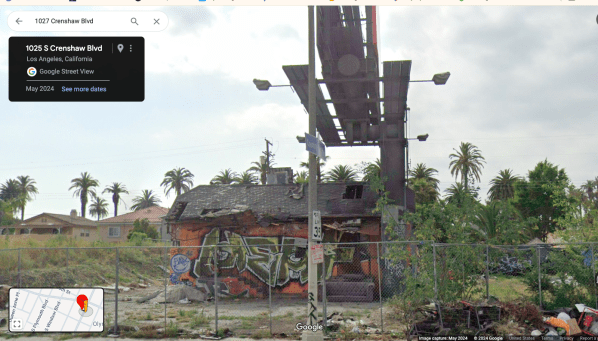
The raid happened at 1027 Crenshaw Now I am not so sure. Press articles give the address as 746 Crenshaw as seen below. I am now thinking both locations were raided.

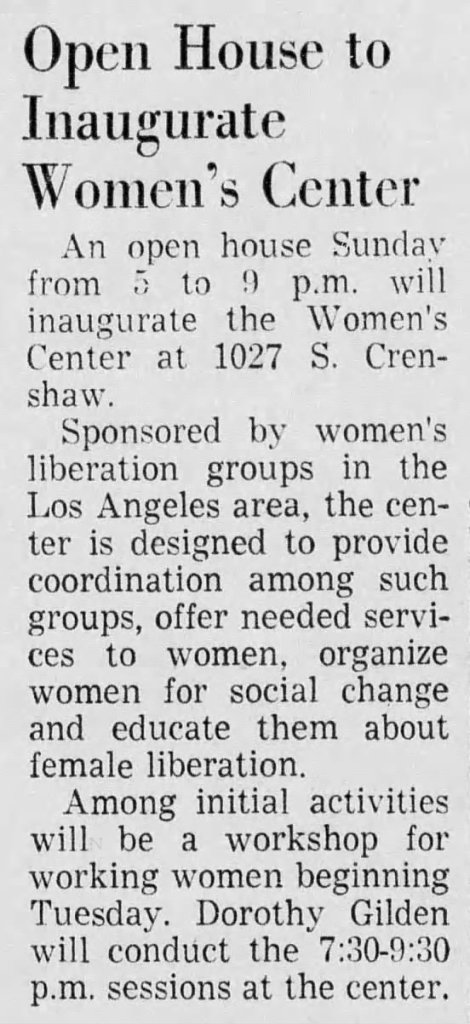
The Women’s Center opened at 1027 S. Crenshaw. LAT Jan. 9, 1970
Many classes and lectures were taught at this location.
This location was nominated for historic status.
Screen shot from Summer of 2024 of 1026 Crenshaw.
The Great Yogurt Conspiracy received wide press coverage due to its’ humorous title and the absurdity of the charges. This article explains more what it is:
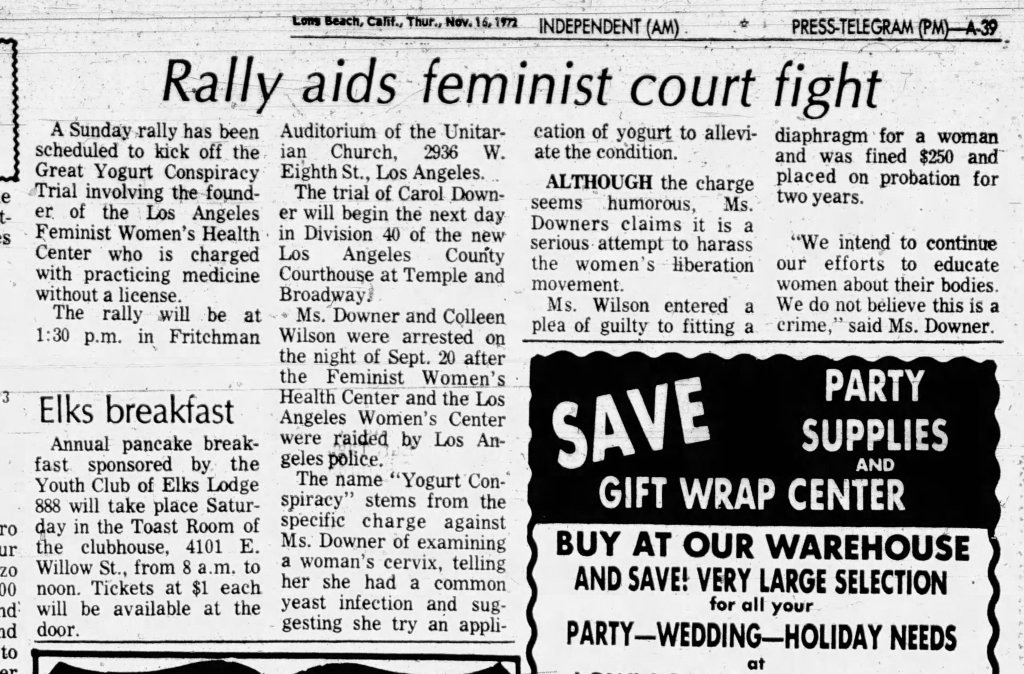
“Carol Downer revolutionized the women’s health movement, learning how to perform abortions and vaginal self-examinations, and teaching other women how to, as well. From the website Feminist Current, an interview with Carol Downer conducted about 3 years ago.
Last column in Zink article. 5/13/73 Mentions support from Gloria Steinem and others for the Great Yogurt Conspiracy, and happiness after the acquittal:
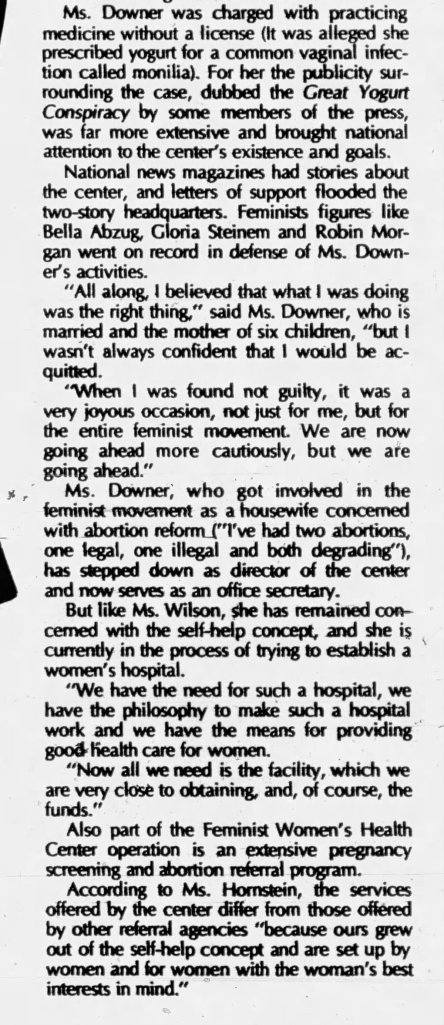
The “yogurt conspiracy,” arrest and acquittal caught the attention of cultural icons like Gloria Steinem, Bella Abzug and Dr. Benjamin Spock, bringing national attention to the LA activists.


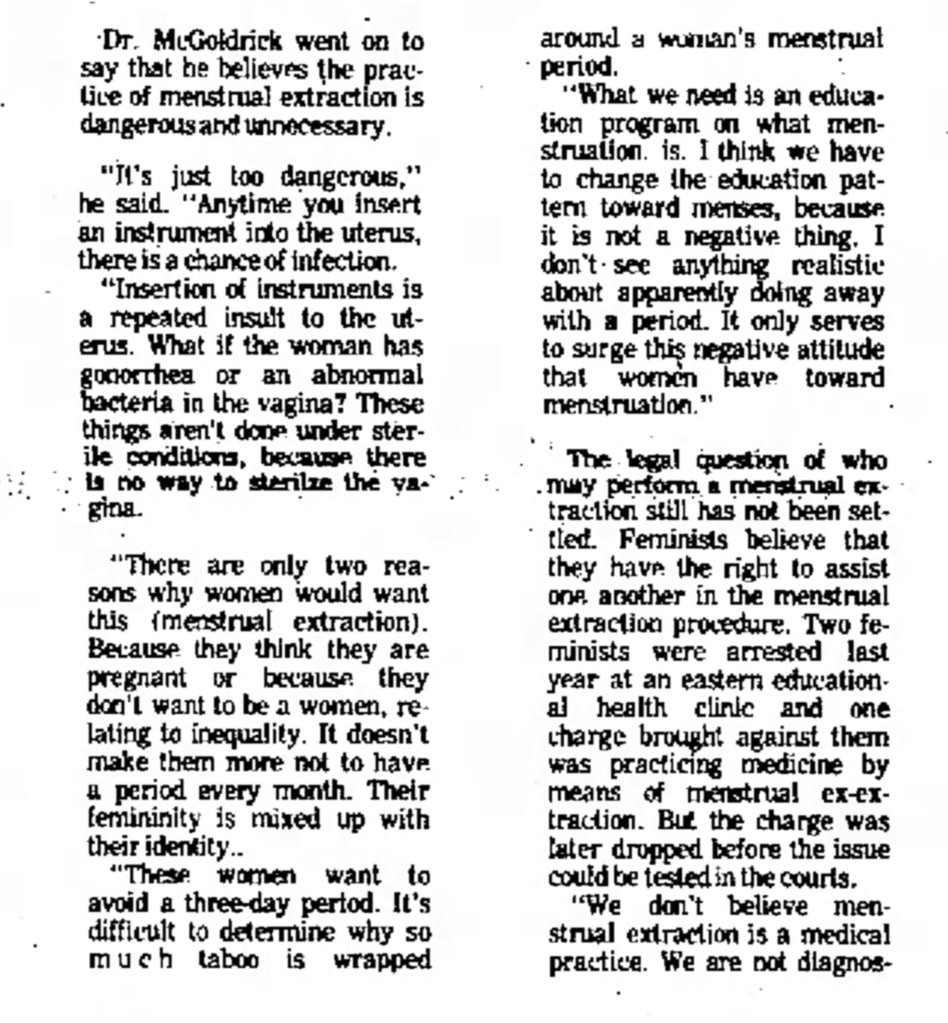

“Lorraine Rothman was a founding member of the feminist centered Self-Help Clinic movement and a major mover of many successful behind-the-scenes projects. With Carol Downer, she worked on the concept of menstrual extraction as a viable women’s home health care technique; and, in 1971, she invented the Del-Em menstrual extraction kit, which was patented n 1974……… Rothman’s collaborative relationship with Downer and the self-help clinic movement began when she attended an April 7, 1971 meeting organized by Downer to discuss women’s reproductive rights and abortion. At the second meeting, one week later, Rothman shared her idea of a safe home health care tool, demonstrating the prototype of the Del-Em menstrual extraction kit. Shortly afterwards, Downer and Rothman founded the Feminist Women’s Health Center (FWHC) in Los Angeles; Rothman went on to open a second FWHC in Orange County, closer to her home and family. Over the next two decades, Rothman traveled widely, taking the Self-Help Clinic concept to women’s groups both in and outside the US....”Archived interview subject description at CSU Long Beach.

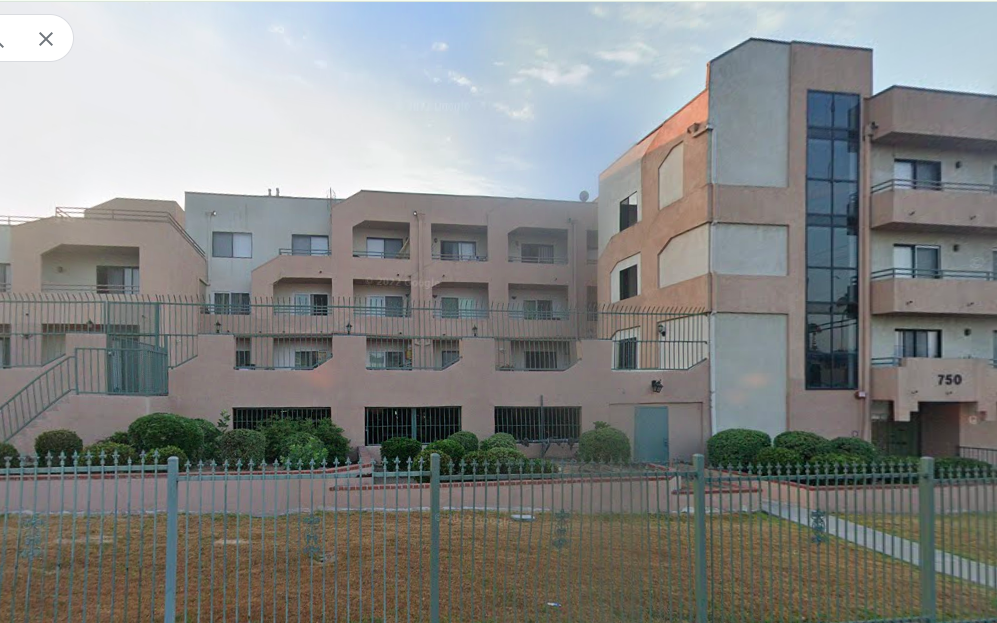
746 Crenshaw, the address Paige had in her phone book, location was demolished in the 1980s and replaced with this monstrosity.
Carol Downer continues to lives in Eagle Rock and has been working in disability and immigration law for many years. She has lived a life of activism in women’s reproductive rights and the international peace movement.
She believes that women should not depend on the current legal status of a woman’s right to an abortion. .
Downer still advocates for women to learn the self-care or self-help method of abortion. She wrote a book on the topic in the 1990s.
For more details, see the Carol Downer entry in the Embryo Project Encyclopedia.
END

She wishes to remain anonymous so I will refer to her as “Veronica.”
Veronica told me she heard Paige’s death announced on the car radio as she was driving. What she heard caused her to pull over, too shocked to continue driving. She tried later to call the radio station but couldn’t get through.
Veronica met Paige at the Malibu beach home she shared with husband Frank.
Paige had been brought to the home by Joe Rank, an art lover collector, he worked in radio and lived nearby.
Veronica never saw them together again. Paige and Joe remained friends. She thinks Joe possibly knew about Paige’s background and family.
By the end of the 1970s Rank was the founder of a very successful clothing company. (More details at the end.)
Veronica said that Joe Rank knew Paige quite well and I should contact him.
I have tried, unfortunately, with no luck. He would be in his 80s or 90s now.
The only place Joe or Joseph Rank turns up in newspaper archives is as a Spanish language radio station owner.
And this is probably the same Joe Rank who knew Paige Young; Veronica said he was in radio at the time he brought Paige to the house.
Veronica said it was during Paige’s “Playboy days,”
The two women stayed in touch until the end of Paige’s life.
Veronica said Paige told her that Bill Cosby was an “art patron.” He was helping her to stay in her Topanga Canyon cabin home and art studio.
Veronica thought it was “nice of Bill Cosby to help her out.” She thought nothing sinister about it. Paige did not say anything sinister about Bill or the arrangement.
Veronica concurred with others I have interviewed, that Paige often walked around topless or nude. She remembers Paige being naked or topless and playing in volleyball games. The “the beach boys” who hung around “were very pleased.”
Veronica thought it might be explained by Paige’s personality which could be described as “high and low” or “hi-lo.”
Veronica told me about an occasion that Paige used LSD and experienced a “bad trip.” Veronica stayed with Paige and helped her through the ordeal. Veronica was motherly to many of the young people who showed up at her home even though she was still young herself, in her 30s and had a husband and two young daughters.
Her husband Frank enjoyed “collecting people,” wrote Veronica. And many young people would hang around their beach house socializing and playing games.

I’m grateful to Veronica for her permission to use this image.
Veronica remembers buying groceries for Paige, at a store located at the bottom of “Fernwood & Topanga Canyon Dr.”
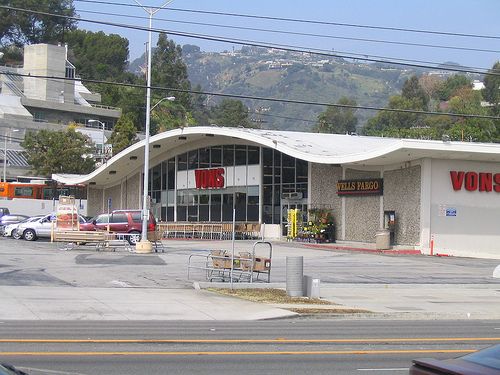
And the Safeway on Sunset & PCH, later Vons.
This happened about once a month for quite a while. The “2 friends would chit chat and catch up on news.” Paige never wanted more food than she could physically carry.
This was before her move to Westwood. After that Veronica didn’t see Paige as much but they talked often on the phone.
She remembers just vaguely that Paige mentioned her about her own art studio in Venice Beach, a block away from the beach. (See 2 chapters: Venice Beach, Richard Sample.)
(Dennis Hopper has a connection to Paige as he knew the artists that Paige knew, Larry Bell and in the same building: DeWain Valentine. Robert Irwin lived across the street at this time in Venice. Veronica remembers Hopper at events around town)
Paige sometimes expressed her suicide ideation in phone conversations with Veronica.
She did not discuss Hugh Hefner or John Huston, David Shane, Desmond Guinness or a”sex tape.”(See related chapters)
Several times Paige needed a ride to visit her sister, but Veronica never met the sister: Constance/Connie.
The last time the friends had a phone conversation, Veronica noted an “echoey sound in the background, sounded like Paige was in a bathroom.” Veronica tried to lighten the mood by asking her about the echoey sound and said,”Paige are you already in heaven?” Paige laughed and they hung up the phone with Veronica feeling Paige was in a better space.
Paige one time had checked herself into the UCLA Psych Center but was released in a just a few days.
Once Paige told Veronica “she said she had cured all the patients at the ward.”
Veronica said she never believed that Paige would actually go through with suicide.
Separately, Melanie told me about one time driving Paige to the UCLA Psych Ward. She remembers Paige “returning from the ward with a very strange man who worked at the hospital.”
He lunged at Melanie, Paige suddenly appeared with a gun and he bolted. Without pants on she said and added “it was the same gun she used on herself.”
Paige probably took advantage of the 51/50 law, which began in California in 1967.
“In California we have a law (5150) that the police (or yourself if you may harm yourself) can commit you for 3 days to a hospital for psych care. If you are pronounced no longer liable to harm yourself or others or decide you want to leave voluntarily you can after three days.”
Veronica does remember Paige’s expressing she did not have enough money for paint.
She told her to just wait a few days and would help her out with that.
Paige was dead before that happened.
Lack of money was a recurring problem for Paige.
She did not know Paige to own a car, says Veronica.
Paige did not talk of her past or any future plans. She seemed to always exist and speak in the present moment.
Melanie said does not remember Paige owning a car.
I personally think Paige sold her yellow Mustang seen by Sample in Malibu 64-67. Also seen by her cousin Christian/Chris in Sherman Oaks in 1964 as described to me. Paige made Chris a cup of coffee during his visit to her apartment. She told him about her divorce from Mark F. Segal.
Paige did not mention the violence and threats I viewed in her divorce papers. I told Chris about and he said “Oh, she would not have put up with that.”
No one I’ve communicated with who knew Paige say they can remember a time when she talked about her childhood. She never mentioned her family or her background. Veronica says Joe Rank may have known something of Paige’s family members.
Chris said he and his mother were contacted by Connie Smashey, Paige’s sister, to tell them the bad news of Paige’s suicide. Chris told me that Connie had a seemingly indifferent attitude about Paige’s death and he got the impression of “good riddance.” Chris said this made he and his mother sick to their stomach and angry and they did not stay in touch with Connie.
Aca Joe History
“Joe Rank, a Los Angeles broadcasting executive who had managed KMEX-TV, the Spanish language TV station in Los Angeles, moved to Mexico in 1973 to establish a printed tee shirt business on the beach resorts which were booming with international tourism. By 1978, Rank had shops in 75 stores in Acapulco, Cancun, Puerto Vallarta, Mazatlán, and Mexico City, plus tee shirt shops in 15 of the popular Carlos n’ Charlie’s bars and restaurants throughout Mexico.
In 1983, the name was changed to Aca Joe and product distribution was limited only to Aca Joe owned or franchised stores. The line was expanded to include pants, jackets, sweaters, and more than just tee shirts. After changing to this more exclusive distribution of the product, the stores were swamped with customers. Lines were formed in front of the stores with people waiting to get in at all hours of the day.
The success of Aca Joe did not go without notice by international investors, and soon a deal was made with American partners for the expansion of Aca Joe outside of Mexico. William Meyer became Rank’s partner in Aca Joe International and the first stores in the U.S. were opened in the Bay Area of San Francisco, with shops in Union Square, Sausalito, and the Stanford Shopping Center.
The U.S. shops were very successful, and to provide financing for expansion, the new U.S. company filed for listing on the NASDAQ stock exchange. Prospects for the future of the stores were bright, and in 1985 Aca Joe International was the fastest rising stock on NASDAQ” From the ACA Joe website.

Joe left LA and had moved to Mexico in 1973, before Paige killed herself.
Below are some photos of Paige’s over-a-garage apartment and where she stage her death.
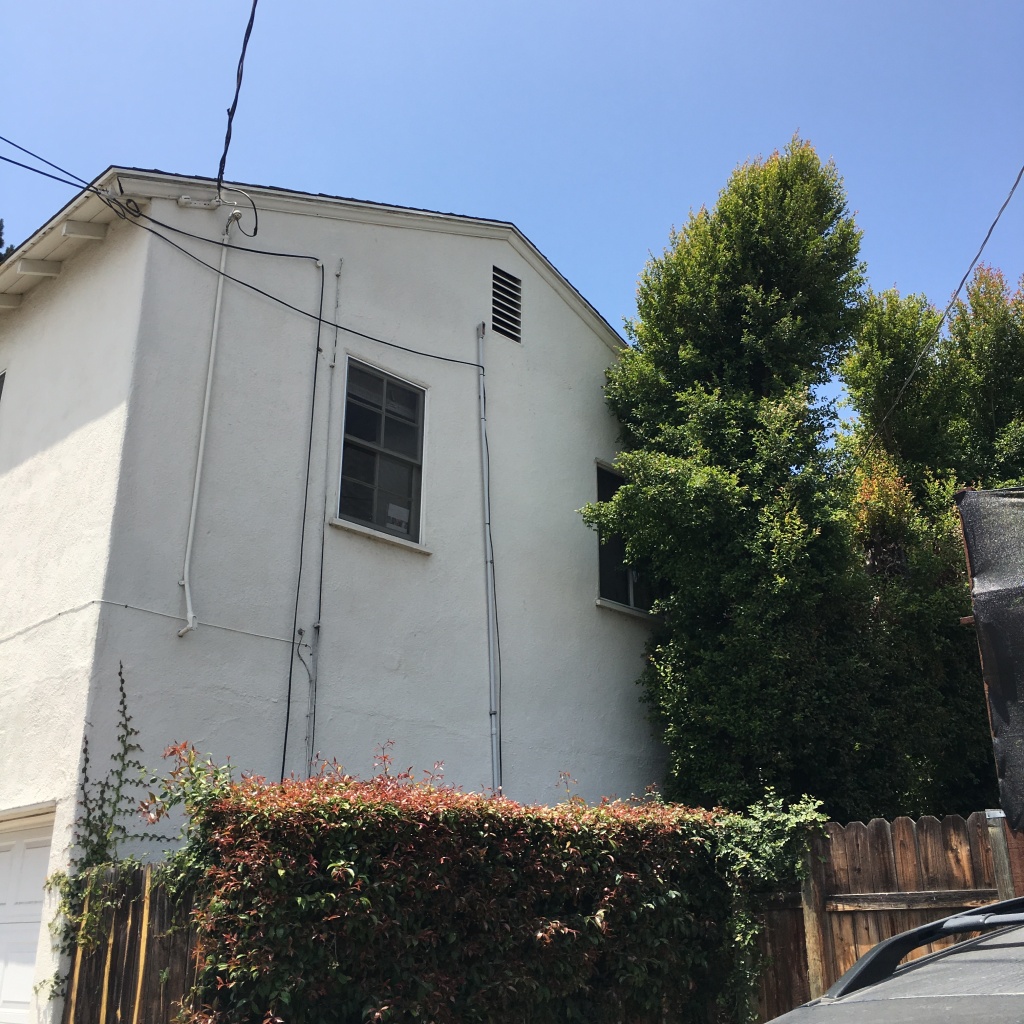
Away from the backyard and duplex.

I’m looking up from the alley. This window faces the building next door. There is a bit of yard between trees house and fence, I did not see that part. It’s where Paige kept the Akitas she wanted to breed and Melanie complained about them barking. LAPD reports talks about a man named DeWitt to whom Paige wrote instructions to take her dogs. (See chapter on death certificate.) Veronica thinks Paige was going to try and make money from breeding the Akitas.

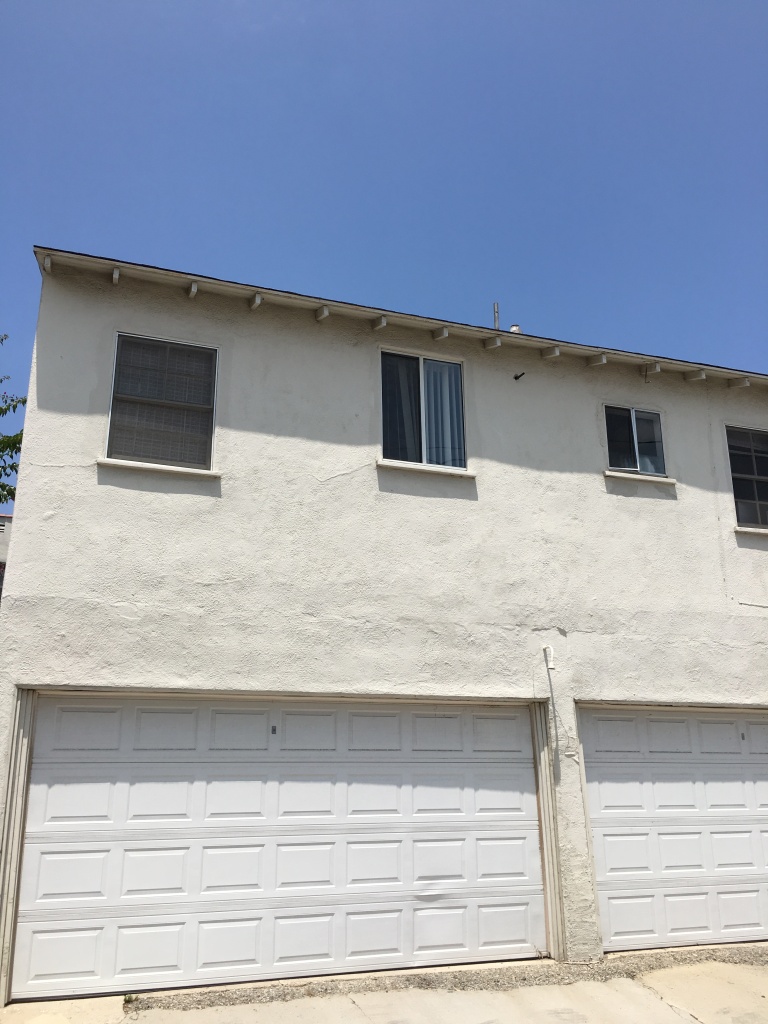
These windows face the alley. Garage had storage in it but no cars says Melanie. The window on far left is likely Paige’s bedroom.

PART 2: Richard Sample Interview
Posted on June 15, 2021
Close up of a small copy: Richard Sample as painted by Paige Young.


To open our interview, I promised Richard on our 2nd day interview, we would end after one hour. It end up being two.
I asked Richard if Paige ever used LSD, the drug that inspired the label “the Psychedelic Era.” Richard said no, not that he ever witnessed or heard.
(Melanie Myers, neighbor who found Paige dead, said on the documentary Secrets of Playboy, that she never witnessed Paige using drugs; she was more into “clean living.”)
I brought up the sex tape mentioned in the Daily Mail article, and I brought up David Shane, who was not mentioned in the article.
Richard said, “I think that that is something Dennis (from a Los Alamos, California art gallery) told me about Jonathan Winters. And that tape. I think Dennis knows something about that tape.”
Richard said this is all he can remember.
He has not heard of David Shane.
Richard again mentioned how he and Paige were regulars at Barney’s Beanery and added that they sometime socialized there with the Smothers Brothers.
Malibu Friends:
“In Malibu we hung out a lot with Don Dwiggens. He wrote the book ‘The Life and Loves of Frank Sinatra’. Another one was ‘The Bachelor.’ “Dwiggins took a lot of pictures of Paige.”
Richard does not know if these photos were were ever published. “His wife still lives in Malibu.”
“He was killed in a car accident.” (1988)
I had never heard of Don Dwiggins and neither have most people. It turns out he was a longtime LA reporter, prolific author, pilot, stunt pilot and aviation historian. And a man of numerous hobbies apparently.
Dwiggins lived in Malibu for decades where he was a legend. There is an in- depth tribute for Don Dwiggins that appeared in the LAT, at the bottom of this page. It is written by Jack Smith, one of Don’s good friends. Smith is a legendary Los Angeles columnist and writer who spotted Huston and Hefner playing backgammon, probably at Pips and possibly Paige Young.
More Malibu friends:
“I had my paintings in Jack Bailey’s (Queen for a Day host) gallery and many of my paintings sold when his gallery was shown on a TV show.”
Jack Bailey resided in Malibu during the mid-60s where he ran the Jack Bailey Gallery for about 2 years. There are articles in the Malibu newspapers to support this.

“He owned about 65 of my paintings.”
Vincent Price was another patron of Richard’s. Price is well-known for his art collection.
About the ending of his relationship with Paige: “I had moved out of the studio in Venice and moved to Solvang, and Paige stayed there. (Venice) She was supposed to pay me rent, but she never did. I went and asked her to leave.”
Paige had moved out and and at some point moved onto a houseboat in Marina Del Rey. (See chapter: Paige’s Most Public Year 1969)
“I only talked to her on her houseboat for about 10 minutes. I don’t know who owned it.”
I got the feeling it was an uncomfortable and sad conversation.
We again discussed Rex Ramsey, who tried to steal Richard’s Corvette and Paige’s Mustang.
The Corvette that Rex Ramsey tried to steal: His wife got a flat tire in the Corvette and was on the side of the freeway, when a semi-truck flattened it.
I have spoken to Rex Ramsey briefly on the phone. He said he does not remember Paige, but does remember her husband of one year, Mark F. Segal, his long time friend from high school.
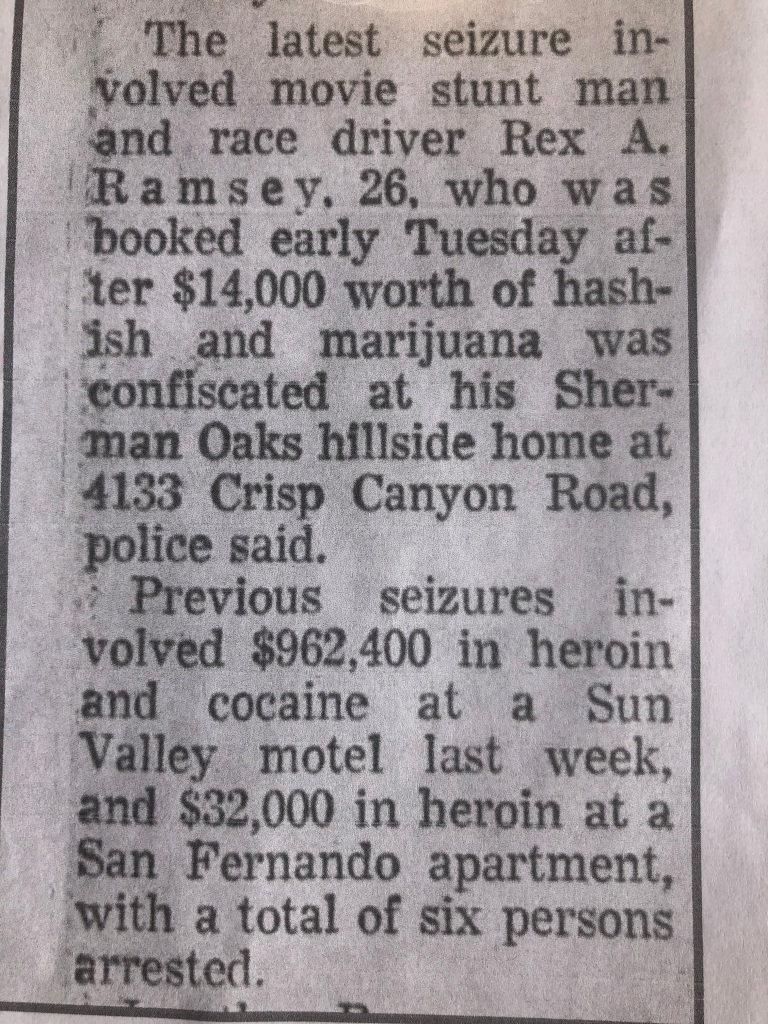
Ramsey hasn’t answered or returned any of my phone calls since that first one.
Richard brought up Hugh Hefner.
“Paige told me she overheard a conversation, with Hefner, about selling women to business men from a foreign country. They were talking about the money.”
Richard Sample
I responded “For what, like, sex or types of sexual favors, or….?”
Yes, he nodded without elaborating.
I prompted with “When Paige told you this, did she seem shocked, upset or…?”
“She said ‘I hope that doesn’t happen to me.'”
He added, “If I could, I would shoot Hugh Hefner and probably get away with it.”
I pressed but he didn’t answer.
Sample just said “Hefner ruined a lot of good women.”
Anything else you can recall that Paige said about Hugh Hefner or anyone connected to him? “Not that I can remember.”
Richard said he never met Hefner nor hung out with any of his crowd. Richard expressed to me and reporter Ryan Parry that he had a distaste for Hefner and “that crowd.” And he let that be known to Paige.
In my opinion, Paige took this into consideration when sharing things about Hefner and “that crowd.” She avoided telling Richard about it. I think she must have been very distressed to share the particular incidents that she did.
Paige personality:
Did Paige have an opinion about the Vietnam war?
“She said ‘ They should just bomb it and get it over with.'”
Did Paige attend any anti-war demonstrations?
Richard shook his head no and kept shaking his head no as I asked, “So that wouldn’t have been something she would have ever done?
Because I have not found any voter registration records for Paige, but I have found many records for her family members, I asked if he ever knew Paige to have voted for President.
Several minutes long pause.
“Who is the president that had a brother who let that girl drown in Chappaquiddick?“
“Teddy, brother of President John Kennedy.“
“Well, we had a picture of Teddy Kennedy hanging up that we would throw darts at, Paige was there (visiting) and she said ‘I hope he gets what he deserves.'”
I looked around at Richard Sample’s art work. He showed me some of his paintings that are “copies” of famous artists like Picasso, Miro, Kandinsky. He said he paints these because it pays well.
I apologized to Richard if I told him any information about Paige that was upsetting. He said it didn’t.
For example, Richard did not know that Paige was born Diana Cotterell or anything at all about her childhood. (Everyone I have talked to was unaware that Paige was ever Diana Cotterell who grew up in the San Fernando Valley.)

Richard misses Idaho and wishes he were still living there.
He mentions John Chapman, President of the NEA.? “I worked for him. And he bought many of my paintings, He owned a mansion in Sun Valley.”
Info: Don Dwiggins. Paige and Richard’s Malibu friend. Richard says Paige modeled for him several times. It was hard to choose which article about Dwiggins to include, there were so many of them. Lots of reviews of his Hollywood aviation stunt pilot books.
Lower article by legendary LA writer Jack Smith.

Eagle Rock Sentinel OCT.31, 1968
The timing of his accident is chilling….

LAT March 29. 1989.
Meet Artist & Paige Young Friend Richard Sample. 1964-1969. Malibu. Venice. Celebrity Connections. Cult Characters. PART 1. Under Construction. Long. 2/12/2025
Posted on June 8, 2021
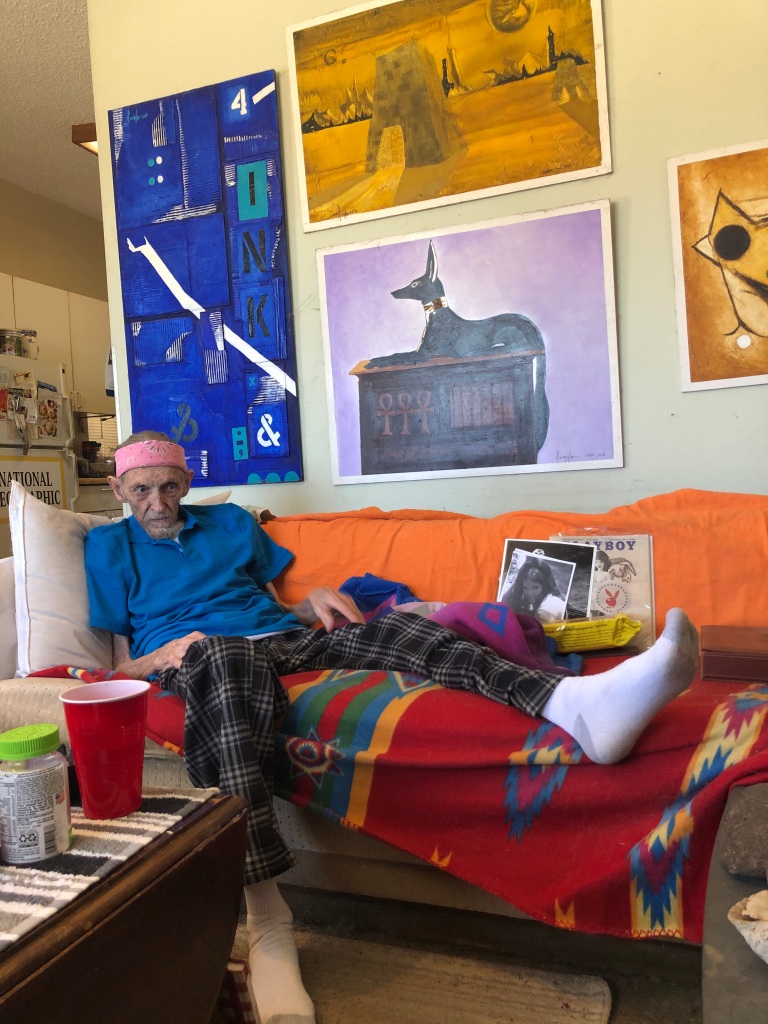
UPDATE: Richard L. Sample passed away on August 10, 2021.
Recently, I interviewed Richard Sample, Paige’s ex-boyfriend, friend, painter, sculptor, collage-maker, furniture-maker.
He now lives in the Coachella Valley area of California.
Richard Sample was still living in Sun Valley, Idaho when he was interviewed by Daily Mail reporter Ryan Parry in 2014. He says he doesn’t know who gave his name to Parry in association with Paige Young.
I am thankful to Richard Sample for inviting me to interview him in person. He took the time and effort to talk about Paige Young. It was not always easy for him (or me).
Thanks also to his niece Ellen (Ellie) Sample who has been insightful and supportive.
At the appointed time, I pulled up in my rental car and parked next to Richard’s house. There was a chainlink fence and gate that had a big padlock on it and the house was about 10 yards beyond it; I called out his name several times and did not get a response.
Luckily, Richard’s niece Ellie pulled up in her car, got out and told me Richard’s neighbor had called and told her that “there is woman in a red car in front of her Uncle Richard’s house.”
Ellie unlocked the gate and as we walked toward the house, she told me that Richard doesn’t hear very well now.
Ellie said that she was aware of the interview, but “didn’t ask him any questions so that he feels he has his own life.” Ellie lives one street over and has been very involved with caring for Richard since he moved to the area.
Richard warmly greeted me with a hug as did his dog Tolly. Ellie left us to the interview.
Richard Sample gave me permission to quote him in my article.
After we sat down to talk, Sample said to me:
“In 2001 I got throat cancer. I got radiation that burned the lining of my throat and my whole body. I also had a surgery and they cut my throat, it left me hard to talk, hard to drink, hard to eat… I am dying.”
Richard Sample is now 84 years old and does not hear too well or speak easily. I strained to hear his whisper of a raspy voice. I tried to understand what he was saying, but I didn’t always understand right away. I got better at understanding him as our conversation got going.
I will say Richard and I didn’t exactly have a normal flowing conversation. It was more of a question and answer session. Mostly the answers Richard gave took him a long time to say. I also got to know him as a person and shared my journey with researching Paige’s story.
This chapter will be a mixture of exact quotes from my tape recorder and hand written notes.
Background of Richard Sample and his connection to Los Angeles.
His father was Charles “Charlie” Sample, well known artist and metal smith, eccentric Los Angeles (and other parts of California) character.
Richard was born in Huntington Beach in 1936, 3 years after his parents married.
“My father (Charlie Sample) was a famous gold and silver smith. He made silver spurs for $8000. He also made belt buckles and horse saddles for Gene Autry, Roy Rogers, John Wayne, Mae West, Tim Holt,” said Richard.
Richard showed me a recent catalog for a company producing artistic, high quality western gear: Bohlin.
It featured Charlie Sample designs by name.
Horse saddles, bridles, spurs, belt buckles, bolo ties, rings, bracelets etc.

Richard’s mother, the former Virginia Smith, was one of about 8 women that modeled for the Columbia Pictures symbol.
His parents divorced when Richard was young and his mother remarried and had more children. Charlie moved on and did not see Richard for a while. Charlie had more marriages and children too.
Richard was upset and angry about his parents’ divorce. He “acted out negatively,” according to a relative I messaged on ancestry.com.

Father metalsmith artist Charlie Sample mentioned. LAT Jan. 18, 1937
News articles indicate that Richard’s
“negative acting out” included being on the wrong side of the law.
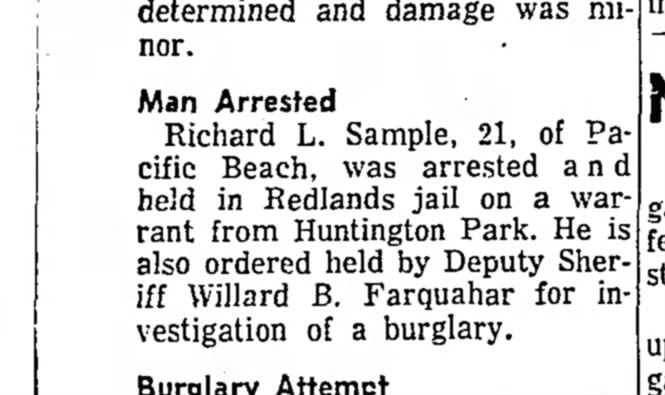
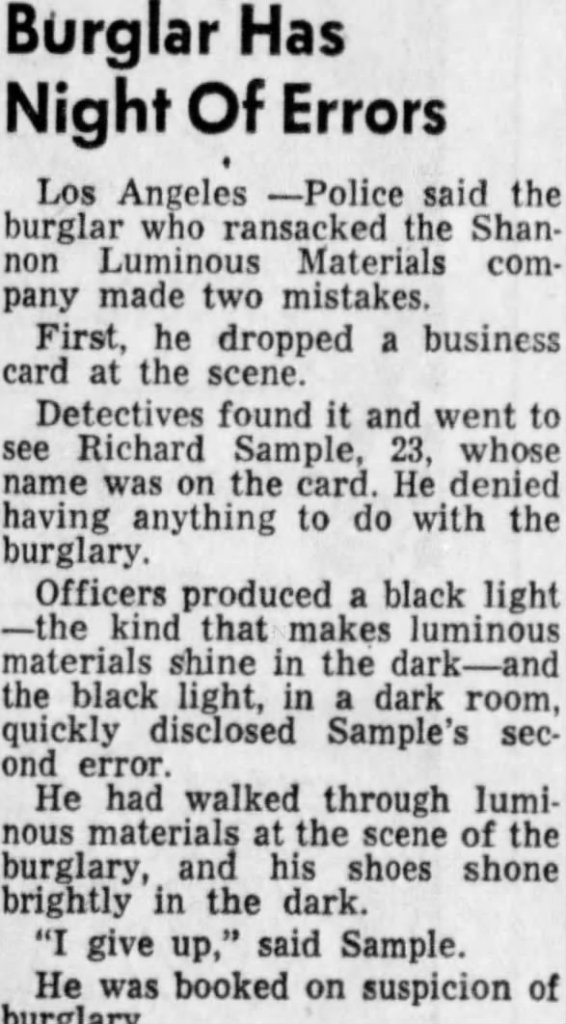
. At some point after this Richard was tried and sent to prison at California Medical Facility in Vacaville California.
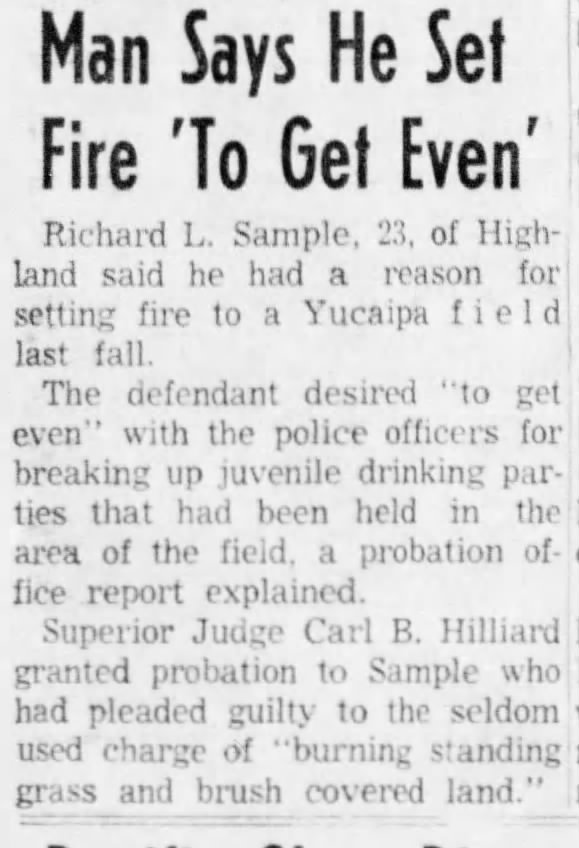
San Bernardino County Sun Feb. 29, 1960
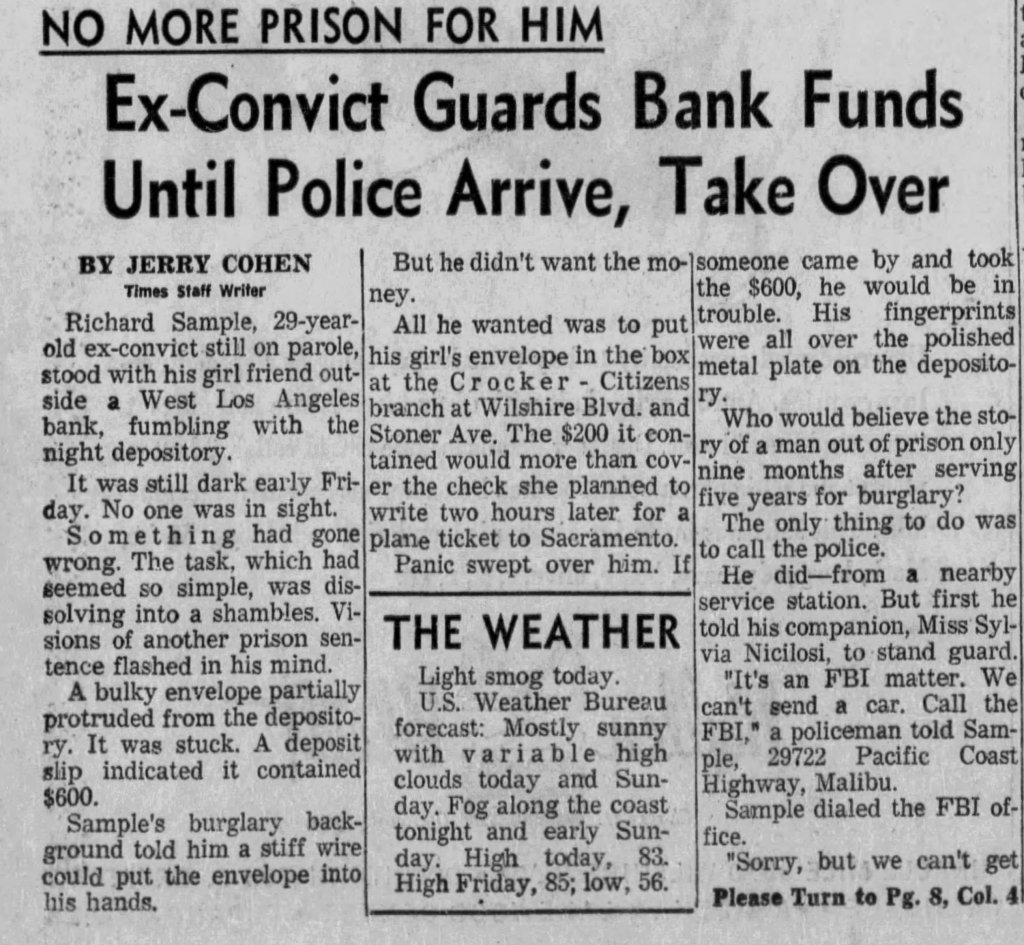
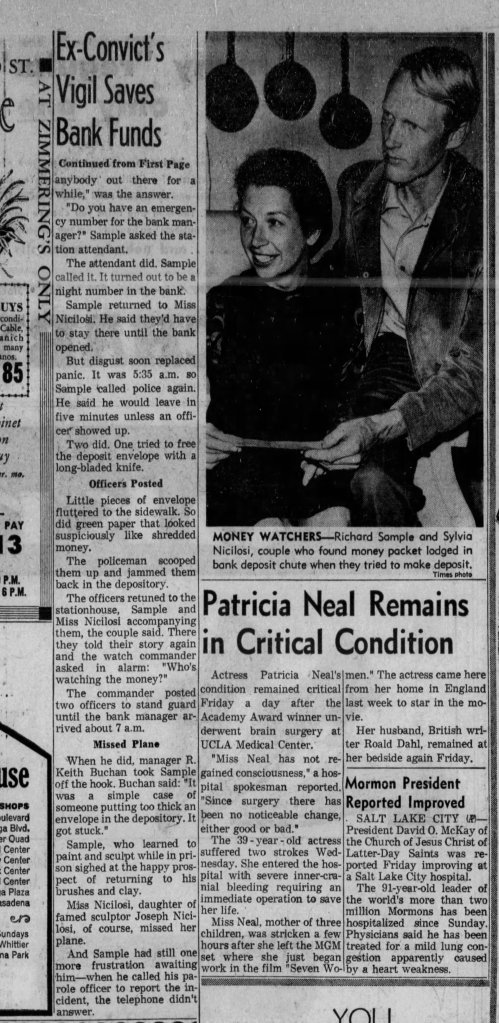
Richard and Paige got together after the end of his relationship with Sylvia Nicolosi shown above.
Sylvia is the daughter of famed LA based sculptor Joseph Nicolosi. She was one of three sisters.
I found several articles about her, she usually went by the name Maria.
Richard said he was in the military in the 1960s but “never made it to Vietnam, just Ft. Bragg North, Carolina.” He then showed me his military ID.
When our interview began, Richard was excited to tell me about aspects of Paige’s personality and character.
“Paige lived in a converted chicken coop on the edge of Malibu.“

Richard doesn’t remember which edge. (I’m confident it was the Topanga Canyon area or closeby.)
“For a dinner party, Paige had a different chair for each guest to use, not a matching (dining) set.”
“She would only eat salad if it was a day old.”
“I never saw Paige with shoes on.” (see chapter 1970 Warhol, Paige appears with her date at the Pasadena Art Museum Warhol opening and is photographed wearing a ankle length Rudi Gernreich dress barefoot. This is described by the reporter.)
“She is the only person I’ve ever known who ate ice cream with a fork,”
At the end of Richard and Paige’s first date….coming soon.
I asked about Hamish, the horse she had owned since junior high and still had in late 1964 according to her divorce filing. Richard responded she did not keep a horse in Malibu that he knew of. (Malibu is a town with a history of horse and stable owners and dedicated riders)
Paige would often strip down to her underwear and “run around topless or even nude.” Confirmed. Westwood neighbor Melanie told me that Paige often walked around nude in the shared backyard. It got on her nerves. Paige’s nudity was also described to me by Malibu friend Veronica.
When Richard met Paige
Paige was “going with a man named Harry Gesner.“
“He was an architect who designed the Cooper house in Malibu. The house was on the cover of Life magazine. Harry Gesner was a client of my landlord.”

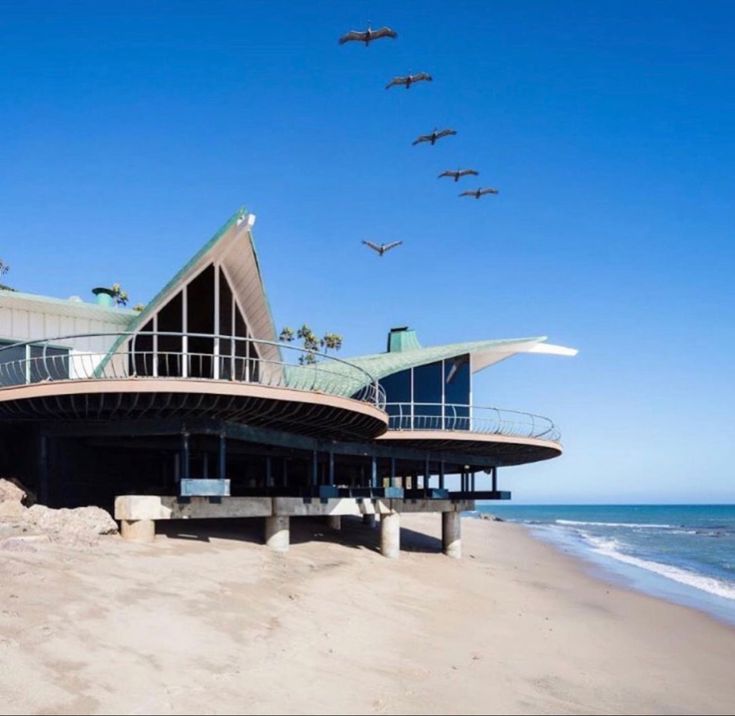
“My landlord was Edward Ravick; he was involved with the Malibu Colony and maybe lived there at times,” said Richard
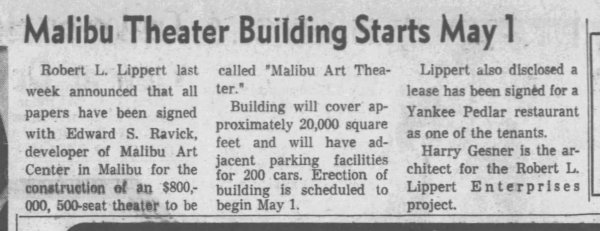
“Ravick sent Gesner and Paige to my studio in Malibu, to see my art.”
“This is how I met Paige.”
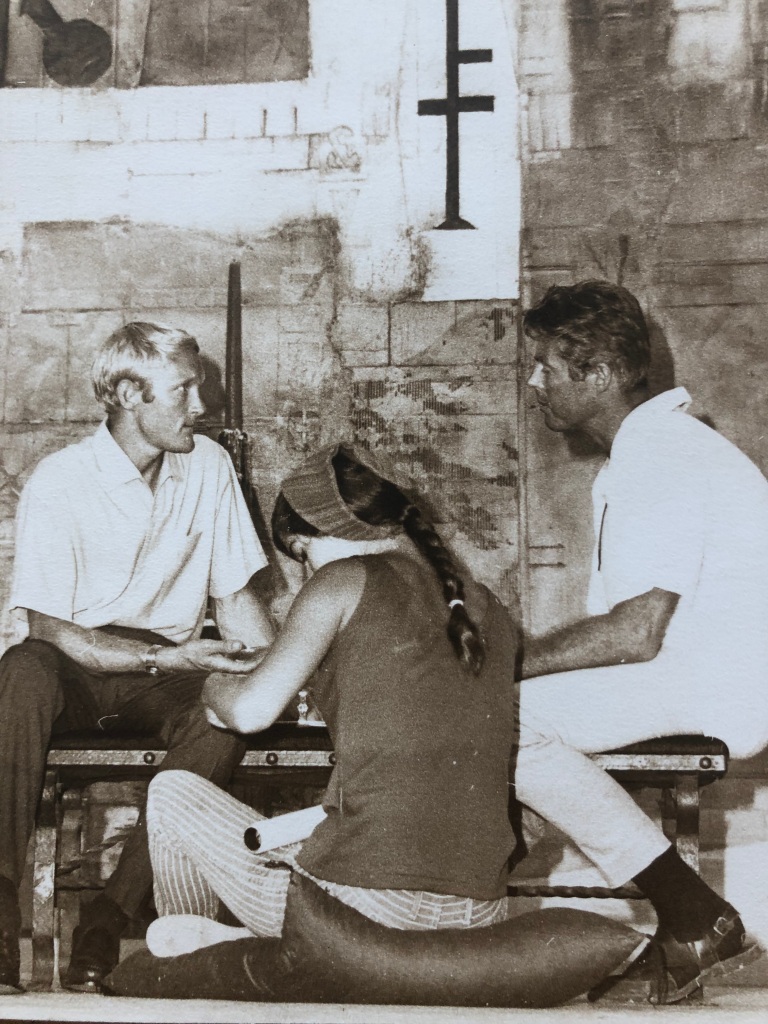

Eleven months ago, the world got a little duller with the passing of Malibu architect Harry Gesner at the age of 97. To say Gesner led a full life would be putting it mildly; the word “epic” might be more apt. Born in Oxnard to an engineer father and an artist mother, he learned to fly a plane at 14, stormed the beach at Normandy aged 19, worked as a waterski instructor in Lake Arrowhead, turned down an invitation from Frank Lloyd Wright to study at Taliesin in favor of being a tomb raider in Ecuador, squired models and actresses, fraternized with Errol Flynn and Marlon Brando, collected fancy sports cars, including a 1957 Mercedes 190SL convertible that he adapted to be all-electric, and surfed every day into his late ’80s
Pauline O’Connor DIRT, a magazine about real estate. June 1, 2023. Dirt is now called The Robb Report.
Paige Young was one of the models Harry squired.

Notice the names above. Edward Ravick being one. Before I saw the above pamphlet on ebay, Richard had told me about the buyers of his art: Vincent Price, Elaine de Kooning, and Harry Gesner, spelled incorrectly here, had purchased his art. Edward Ravick is also listed as a buyer.
This confirms Richard’s comments to me using all these names was the truth.
Elaine De Kooning attended the prison art exhibits that Richard participated in during his prison stint. Documented in newspapers.
I have found two mentions in an online Malibu newspaper on but not “saveable.” There was an Edward Ravick mentioned in a Malibu paper connected to real estate in the 1960s.
Jonathan Winters
I first contacted Richard by old school letter writing as there was no phone number for him that worked.
In that letter, I asked him if he knew of a connection with Paige and comedian-actor legend Jonathan Winters.
Early on in our interview, Richard asked why I wrote him asking about Winters.
I told him about the many newspaper interviews with Paige, I found from 1969 as she was traveling to promote Playboy After Dark.
In a few or the articles, it says Paige “appeared in many skits on The Jonathan Winters Show.”
(See my chapter on Paige’s Most Public Year 1969).
I then asked Richard why he called Jonathan Winters an “asshole” in his letter back to me.
His answer:
“Dennis, (does not remember his last name) was the owner of the Golden O Gallery, in Los Alamos, he told me that Jonathan Winters used to come and sit on the sidewalk at Dennis’ gallery and talk about Paige, and he had nothing good to say, it was always nasty or negative. I never met the man, but Dennis could tell you all about it. Richard added that Dennis never met Paige, but he “did know about her.”
Presumably because of Jonathan Winters.
He said he wasn’t aware of her appearing on the show during its run from 1967-1969.
He said it is a possibility that she did and he didn’t know about it.
Richard said that Paige never said anything about Jonathan Winters when they were together.
Winters was serious about his painting hobby.
He published a book of his paintings, Hangups.
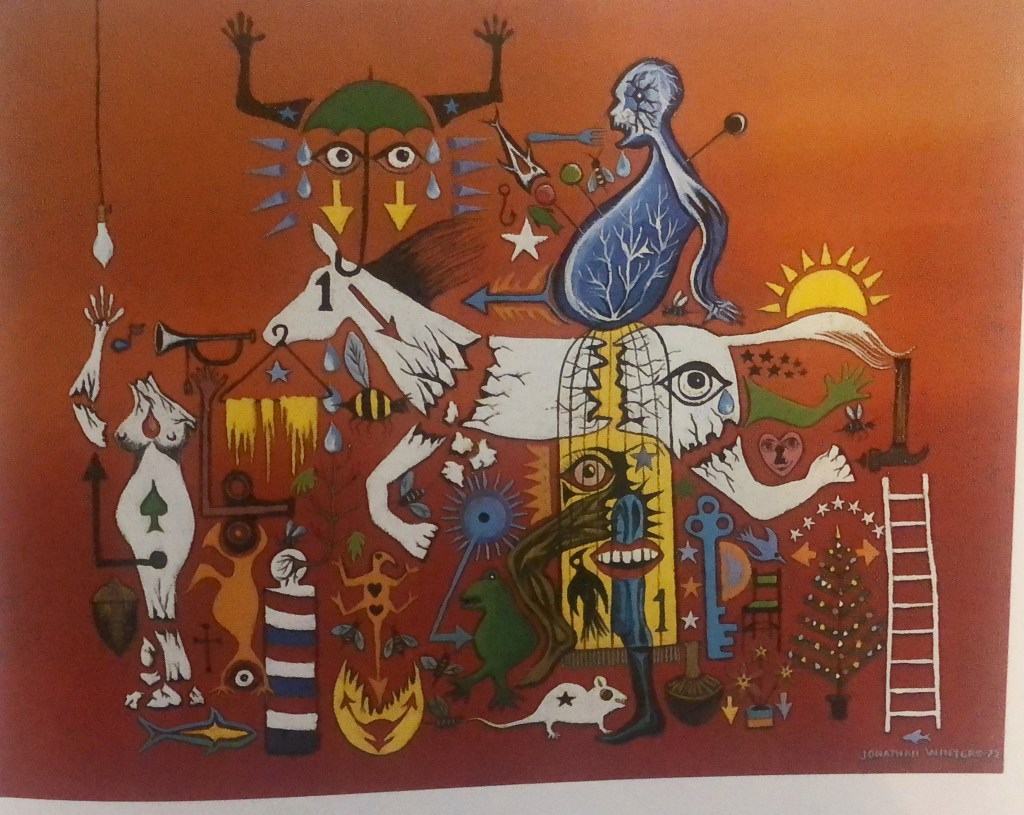
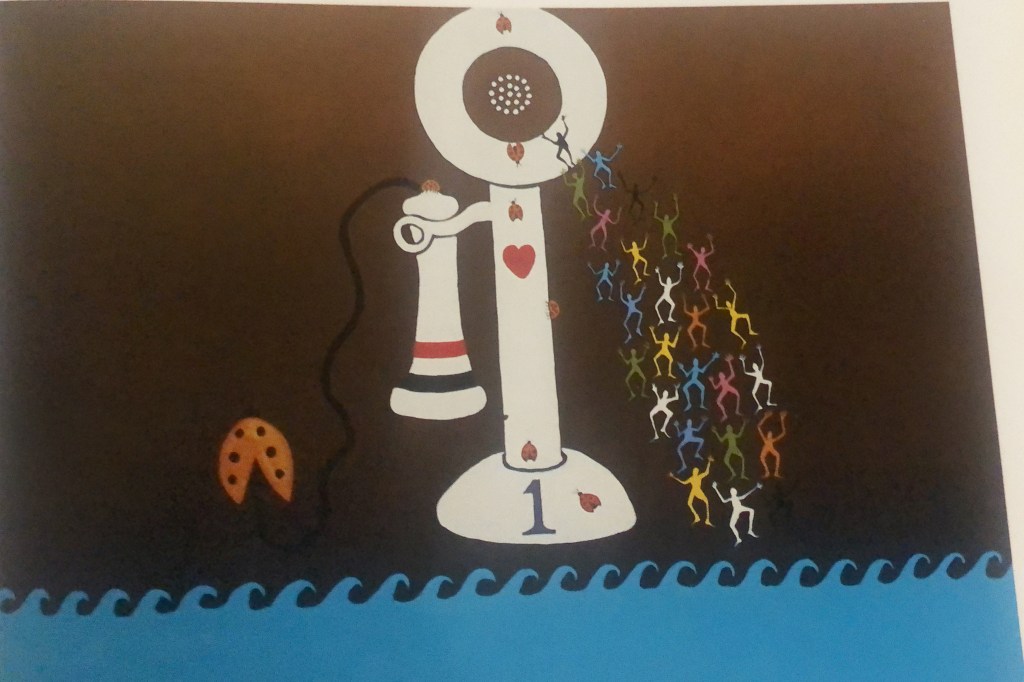
For many years Winters resided at least part time in Montecito, which is quite close to the town of Los Alamos.
Bill Cosby
was a frequent visitor and performer at many Playboy Clubs in the 60s 70s and maybe even beyond. He was a close friend to Hugh Hefner during those years.

Richard said he would occasionally pick up Paige at the Sunset Strip Playboy Club, after her shift. She worked at the club “for about 3 months,” he said.

“Bill Cosby was always trying to put the make on Paige. She didn’t want anything to do with him, she ignored him,” said Richard.
Richard then told me of one time when he was picking Paige up from the club after her shift. He saw Bill Cosby get angry at Paige after she rebuffed another one of his advances.
Richard then asked me if I was, “sure that Paige committed suicide and was not murdered.” I told him that I owned a copy of her death certificate with suicide by gun typed into the cause of death box cert. and I showed it to him.
“I wouldn’t ever think she would do that,” he said shaking his head at the document.

I decided not to tell Richard there is more proof of a suicide besides the death certificate: witnesses like neighbor Melanie, the man D. DeWitt listed as a “2nd witness” on the police report, the police at Paige’s house on that day. (See chapter on LAPD report) And the coroner’s report.
Celeste Huston told me in a Facebook exchange, which I no longer have, that Bill paid for Paige’s art lessons. She mentioned having lunch with Bill and Paige (and her husband John Huston) at the studio where he was filming in the early 70s.
Melanie is the only one of these people to have spoken out publicly about the day of Paige’s suicide.
“She was a good person. I really miss her.” Richard said about Paige a few times that afternoon.
More Background
Richard Sample moved to Venice Beach around 1967. He was motivated by the thriving art scene which was becoming more well-known on a national level. At least for those who paid attention to the Art scene.
His father Charlie Sample was already working and living in a Venice studio.
Darlene Valentine remembers Charlie as a landlord of sorts at the Venice Beach studios rented by DeWain Valentine, Richard Sample and Paige Young.
Richard got a studio for himself through his dad and Paige through her connection to Richard.

“Paige liked my father, he made some jewelry for her.”
Paige joined Richard not too long after he moved to Venice Beach. He said he invited her and was thrilled that she moved in.
Records show that Richard was married in 1968 and not to Paige Young. His niece Ellie says Richard actually “leased” the Venice studio to Paige.
I asked Richard if he encountered any of the many artists who became famous out of the Venice Beach art scene (that started in the 1950s with “The Cool School” and the slightly later “Light and Space” or “Finish Fetish” art movement.)
He said “De Wain Valentine had a studio next door to Paige and me.” (See chapter on Pasadena Art Museum appearance with Warhol 1970)

“Valentine was a friend of mine.”
“Another friend, Larry Bell, lived across the street from us, on Market.”
(Turns out Larry Bell had a building next door to Valentine, it was Robert Irwin who lived across the street. I did ask about Irwin and Ruscha but Richard did not recognize those names.)
“We (Paige and I) all used to hang out a lot, with all these (Venice artists) at Barney’s Beanery.”
After I returned from my trip, I did some research and I found quotes from Bell and Valentine in Art magazines.
There were a lot of actors and writers. We all used to hang out at a place called Barney’s Beanery, which was in West Hollywood. It was a local bar, a funky little place right at the end of La Cienega Boulevard where all the galleries were. So after the Tuesday or Thursday night openings, everyone would go up to Barney’s and hang around—there was The Raincheck Room on Santa Monica Boulevard in West Hollywood as well.
Larry Bell in Whitewall: Beyond the Walls, Dec. 2019
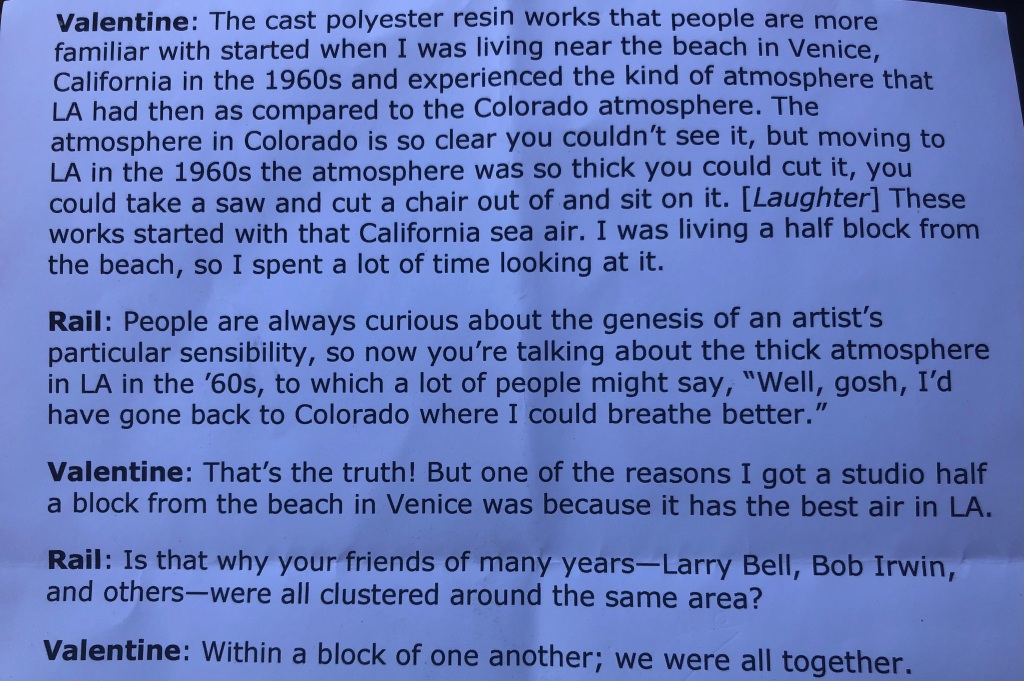
See chapter on Pasadena Art Museum for much more on DeWain Valentine.
I spoke with Darlene Valentine, the first Mrs. Valentine. When she, her husband and children moved to Venice, California in 1965, they found the studio on Market St.
She remembers him being and eccentric character and a funny man. “You were not supposed to live in the studio, (only practice your art), but many did anyway.”
Cars
Paige owned a yellow Mustang, and Richard owned a red Corvette.
“A guy named Rex Ramsey stole our cars, but Paige got them back.”
Before the interview, I already knew about Rex Ramsey; he’s connected to Mark F. Segal, through renting Segal’s (where Paige lived as his wife in 1963 and 64) house at 4144 Crisp Canyon in Sherman Oaks. Both men spent a career heavily involved with cars: sales, importing and racing. Ramsey designed a successful race car once. He did some stunt driving in Hollywood and is credited in the 1968 hit Disney hit The Love Bug.
Rex Ramsey told me Mark’s family had a series of car dealerships and a towing service business. “They were quite well off,” Ramsey said. Otherwise he said he did not remember Paige Young but maybe he would later. I haven’t been able to reach him since the second phone call when he was unable to talk with me.
Richard shows me a picture of himself decked out head to toe in animal fur, looking like mountain man Jedidiah Smith.
Richard and his father were both quite handsome.
He says that “unfortunately” he has no photos of Paige or paintings by her; he has lost a lot of his possessions and paintings over the years but he is hoping to retrieve some of Paige’s paintings in Santa Maria.
“I never knew Paige to be involved with drugs, except an occasional use of grass.” Richard said that she did sometimes drink alcohol and occasionally “went to clubs in the Marina.”
Richard Sample
And possibly the Raincheck Room per Larry Bell’s quote. And definitely Barney’s Beanery.

After I asked about something else and not hearing my question, Richard said “Paige was basically a very good person, until she got mixed up with Hefner. She went downhill then.”
Lewis Beach Marvin 3rd
was born into the family, “who owned Green Stamps. He was a friend of Paige’s and mine. He introduced me to Robert Carl Cohen who put a lot of my sculptures in his movie Mondo Hollywood.“
Lewis Beach Marvin and the amazing dwelling he put together in the hills of Malibu, is featured in Mondo Hollywood. The movie is a cult film known as an important document of counterculture LA/1960s history.
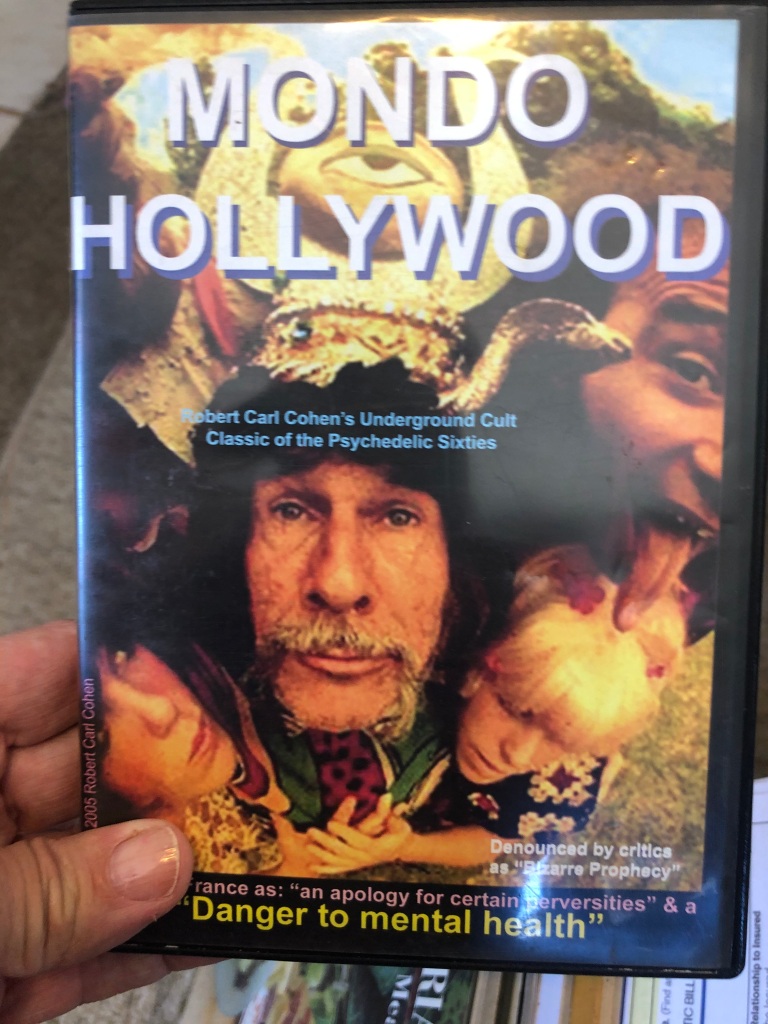
I did some research and one story says that Lewis Beach Marvin is the young man who gives Jim Morrison a lamb on stage in Miami on May 1st 1969. This can be seen on a video. It’s the concert that resulted in Morrison’s arrest due to allegedly exposing his penis on stage.
Lewis Beach Marvin was a vegan activist WAY before it was a “thing.”
He does appear in a Miami article with a lamb around the time of the Doors concert.I have also read a local Miami man gave Morrison the lamb.
The Miami arrest hanging over his head is supposedly one reason Jim Morrison left for Paris where he fatally overdosed on heroin. He was already in bad health due to alcohol abuse.
Shortly after I returned from California, I rented Mondo Hollywood on Amazon.
I was unable to specifically identify Richard’s sculptures in the film–a sculptor named Valerie Porter is one of the “main characters” and the movie is heavy on a variety of her sculptures and many sculptures and structures.
I did see an ending credit:
Moonshadow sculpture: Richard Lauren Sample..
According to Richard:
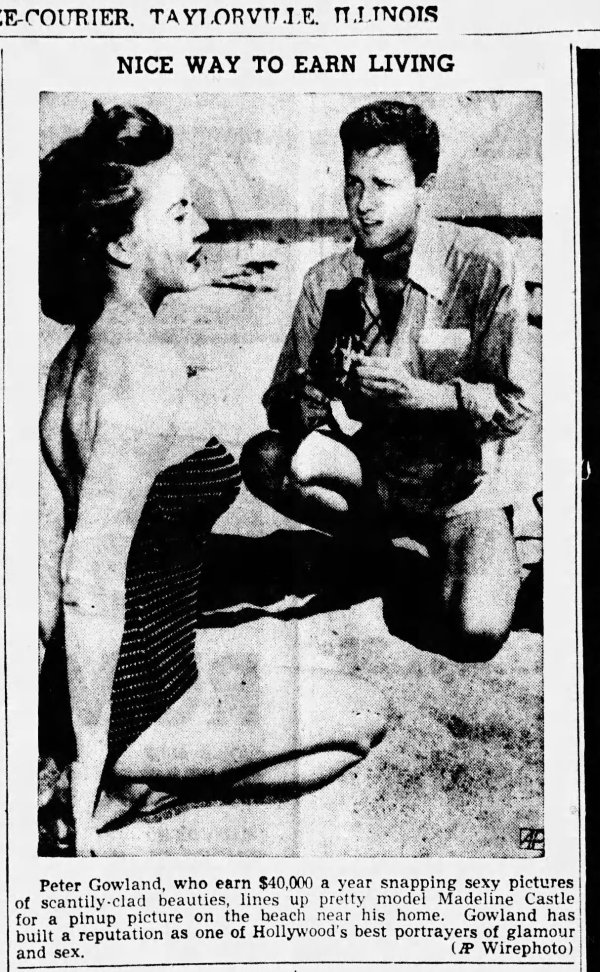
Peter Gowland Playboy and Glamour Photographer
and Paige had met a few years before her appearance as a Playboy centerfold. Paige had already modeled for Gowland several times. This checks out with a few pre-centerfold photos of Paige taken by Gowland. These can be found on the internet.
Peter Gowland is the one who suggested and encouraged Paige to try out for Playboy; he submitted her photos as she recounted in 1969 to newspaper reporters.
I knew Paige mentioned in a few 1969 interviews that “my photographer friend suggested” the idea and he submitted her photos to Playboy. I did not previously mention this to Richard.
Gowland called Richard, in 1974, looking for Paige because he hadn’t heard from or seen her for a while. He called Richard back some time later to tell him that Paige had committed suicide. Peter did not tell Richard the method that Paige used to kill herself, Sample said to me.
Sample is quoted in Daily Mail story as saying he was told by Gowland that it was an overdose.
Richard says he opened Eros Gallery in Westwood in the late 60s.
He can’t remember the location beyond that.
The next several photos are from Playboy magazine November 1968, taken by Peter Gowland.
Richard and I went through them .
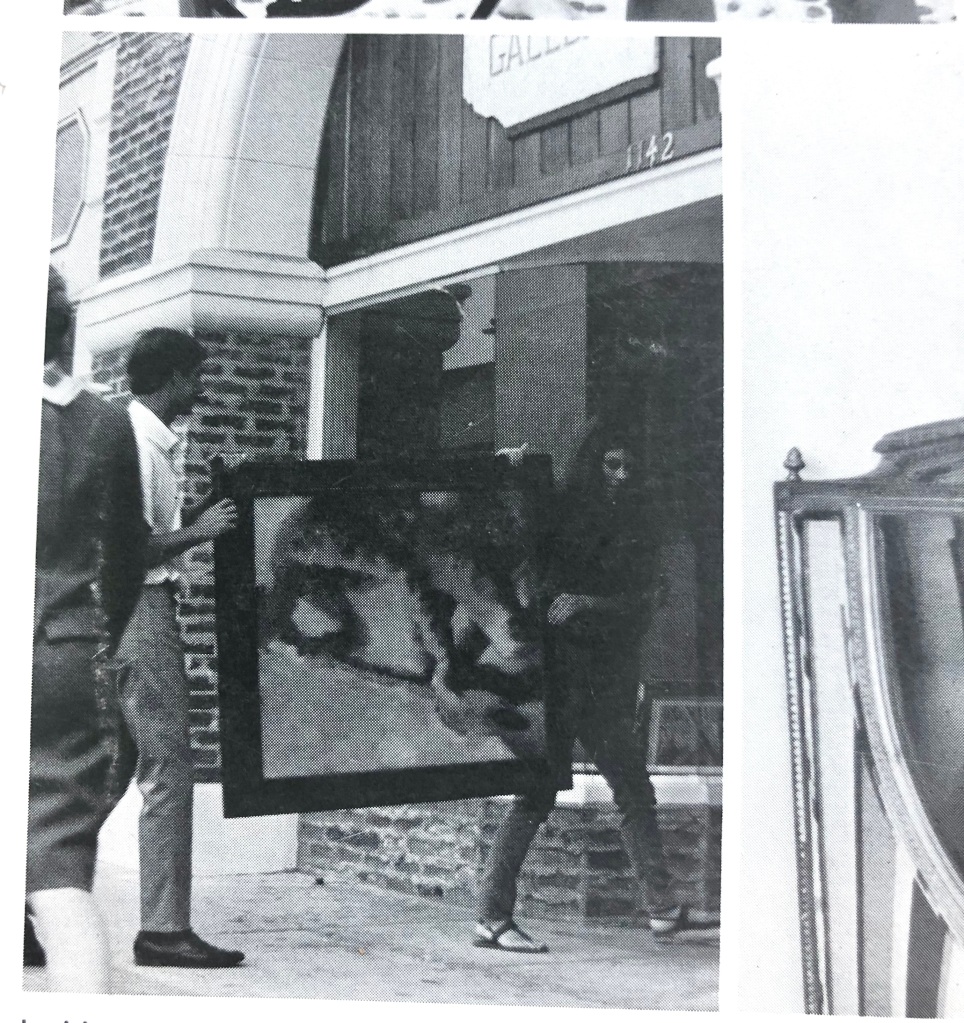
Richard said this photo above shows him helping Paige carry one of her paintings into his Eros Gallery.

Richard says the seated woman on the left is “Mrs. Burke, my partner in Eros Gallery.” Mrs. Burke was a local patroness of the Arts. He said that Peter Gowland is the man in between Mrs. Burke and Paige.
He may be mistaken, if it is Gowland, I don’t know who took the shot. Richard said Peter’s wife, who is the co-owner of their photography business, Alice Gowland was not there that day.
Richard said never met her.
According to Richard, this photo of Paige running with her dog Joshua was taken at the Malibu Colony.


Richard said he has no idea who any of these people are at the cookout or in the room with Paige painting. He doesn’t recognize the location. These may or may not be real friends of Paige’s.
Sometimes young people were hired to stand in as “friends” for a Playboy centerfold shoot. Connie Kreski is one.
Richard said that when he was living with Paige he “never questioned where she was going, what she was doing” or with “whom she was doing it.”
“And she never questioned me. That is just the way the relationship was.”
Malibu fire
“Me and Harry Gesner went to Paige’s house during the Malibu fire (he’s not sure which year in the 1960s.) and hosed everything down. Paige’s house didn’t burn but everything around it did.”
I then asked a couple of questions about Paige’s family.
Was there ever an indication that Paige had grown up with a grandmother (Virginia Young LaRocca) who was a Christian Science practitioner/ 1st Reader in the Church for decades?
Richard answered, “Nope, nope, not at all.”
Richard said that Paige never talked about her childhood in the SFV. She never mentioned her family. He did not know that her birth name was Diana Cotterell or that she was married to Mark F. Segal. She never said she used Marvin Mitchelson as her lawyer, Richard had never heard of Mitchelson anyway.
Richard said he met Paige’s sister (Constance/Connie) one time only, when Paige drove him to a visit with her. He said he doesn’t “think that they had a close relationship.”
Richard looked quite exhausted so I ended the interview for the day. I felt bad about telling him too much of Paige’s background that he never knew.
He said it didn’t bother him.
He shared one last thing:
“I introduced Paige to Tony Dow, a good friend of mine. He drove a Porsche. He liked my Vette. He lived in the Valley. “
And Tony purchased some of Richard’s art .

Tony Dow died July 27, 2022, one month and 2 days after Harry Gesner‘s death.
Dow was 77 years old and experienced decades of pursuing his passion of creating sculpture. He had a long and happy 2nd marriage to Lauren.
From an interview with Richard: The Boise Weekly, where Richard was living Early 2007.
After parting ways with Maria Nicolosi, Sample married 1969 Playboy Playmate Paige Young who later died at her L.A home of a sleeping pill overdose. An artist in her own right, Young’s impressionistic portrait of Sample hangs in Gallery 8.
Sample was born on Friday the 13th of November 1936, a “triple Scorpio” by astrological accounts. “I have my Sun, Moon and Mercury in Scorpio,” he says, which may explain his resourcefulness and intensity. The legend of Scorpio tells of a scorpion sent by the immortal huntress Artemis to slay Orion, the great hunter. Scorpio, ever resourceful, fulfilled the deed for the goddess and was given a place in the night sky as his reward.
“I may not be a famous artist, but I am a successful one,” Sample said. And prolific. To date, he has completed and sold 2,761 paintings and is currently at work on six more.
The following is the Entire interview with Richard Sample when he still lived in Idaho and opened a gallery in a storage unit.
Just across the highway from the airport in Hailey, where Gulf Stream jets blast off regularly, lies the South Wood Self Storage Facility. Row upon row of identical containers are filled with furnishings and cargo, all except for locker No. 8, otherwise known as “Gallery 8,” a space used by artist Richard Lauran Sample. Above the door reads a sign: “Art Patrons Association of Idaho,” which Sample refers to as “a group dedicated to the arts, music and literature.” Just inside is the face of the Beatles’ Eleanor Rigby, “… wearing a face that she keeps in a jar by the door.” A cat named Turpentine studies the ghost-like face in a jar and then ranges freely through the menagerie of paintings and sculptures by Sample that fill Gallery 8: abstracts, Westerns and magical realism paintings, canvases of Batman and numerous other examples of skilled craftsmanship and determined artistic vision. There is an unfinished ivory-handled knife, a tidy collection of cobalt blue glassware and a series of clocks marking time at various Air Force bases across the United States, including Area 51. Gallery 8 is a long way from the Bel-Air, Calif., mansion Sample once called home.
Ever since Sample’s mother, Virginia, posed for the Columbia Pictures torch lady painting, Sample has lived in and around the glamour of Hollywood. During the 1960s, he was featured on several television shows, including the Jack Bailey show Queen for a Day, on which lucky American housewives were given makeovers and European vacations. “I sold 75 pieces from [the notoriety of] that show,” he recalls. Over the years, people like Raymond Burr, Edgar G. Robinson, and Tony Dow of Leave it to Beaver fame have purchased Sample’s work. “I traded one of my Castle paintings to Hollywood stunt man Charlie Wilcox—a family friend who worked on the movie Ben Hur and also did stunt work on The Creature from the Black Lagoon—for a small Picasso in the 1970s,” says Sample. “I should have held onto the Picasso.”
Today, Sample’s studio contains 108 paintings, all of which he has produced within the last year, while restoring antique oil paintings and repairing artwork in the Sun Valley area to make ends meet.
“I paint fast,” he says. “I’m an insomniac, so I rest. I don’t sleep. I’ll lie down on that couch there and have dreams and visions.” Like Salvador Dali, who also experimented with the state between wakefulness and dreaming, Sample creates surrealist landscapes. His are populated with the artifacts of his youth spent in the Ozark Mountains of Missouri, where he pumped water from a well and milked 13 cows each day before walking to school. For sustenance, he hunted and fished the nearby James River, named after Jesse James. During a stint as a ranger in the U.S. Army’s Third Missile Command, Sample was part of a three-man team that fired the 32-foot-long Honest John Rocket.
“It was fully manual'” he says. “We could hit a moving tank at 15 miles.” He also painted mess halls in the military.
Sample’s surrealism features whisky jugs and mushrooms, mechanical parts and hillside shacks. A recent work, “Lunar Reactor,” has taken hillbilly motifs and expanded them upon the cosmos. The oil painting shines under several coats of deep varnish that the artist has poured over sections of the piece. “When I am finished, there will be a three-dimensional effect. You will be able to see around the individual brush strokes.”
A similar fascination with technique developed some years ago into Sample’s black and white “Castle Paintings,” which he describes as “oil etchings.” These medieval ramparts above calm rivers are painted using brushes only a few hairs thick with paint strokes made in exactly five directions, similar to the etching procedure used in the production of the U.S. dollar bill.
Sample worked alongside his father at many trades during his youth: making trick poker tables, saddles, doing bronze work and cabinetry. The father and son also ran the West Coast Mint, pounding out thousands of custom bronze medallions under a 350-ton die press, including one of a farm field with a rocket ship commemorating the POMO Air Force Installation in California. They later built a bronze foundry in Pasa Robles from the ground up, which would reconstruct Remington sculptures to exact specifications. An accomplished gunsmith and saddle-maker, Charles Sample designed and built the spectacular silver saddles used in the Pasadena Rose Bowl New Year’s Day Parade. He also introduced his son to the magic and glamour of Hollywood.
“My father made a solid silver telephone and platinum garter clips for Mae West,” Sample says. “She tried to give him a Deusenberg, but he turned her down because the car didn’t have a spare tire.” Sample worked extensively for movie star Bo Derek and made gold leaf and wooden jewelry for Willem de Kooning’s wife, Elaine. De Kooning collected Sample’s work and corresponded with him for some time in letters. Sample keeps the correspondences in boxes with color snapshots and other personal memorabilia. One photo from 1973 was taken at the Marion Davies Mansion in Bel-Air. In it, Sample stands beside a gingerbread castle he made for the Christmas/birthday party of Charlton Heston.
“I put 7,000 pieces of candy in that cake,” he recalls. Nearby stands J. Paul Getty and Sample’s one-time paramour, Maria Nicolosi.
Sample reminisces about the life he shared with Nicolosi for seven years in the mansion, which was built by William Randolph Hearst for his lover, silent film star Marion Davies.
“The place was unbelievable,” he recalls. “It had every tropical tree you could imagine. They used to shoot Tarzan movies in the back yard. There were waterfalls and caves. The swimming pool was the largest in the United States and ran like a snake through the property. Vincent Price collected my paintings. He would stop in from across the street and have tea with us.”
According to Sample, the patriarch of the Nicolosi clan, sculptor Joseph Nicolosi, an artist of international significance, held a 50 percent interest in the Park Plaza Hotel in New York City. He had passed away before Sample took up residence in the mansion with his daughter.
After parting ways with Maria Nicolosi, Sample married 1969 Playboy Playmate Paige Young who later died at her L.A home of a sleeping pill overdose. An artist in her own right, Young’s impressionistic portrait of Sample hangs in Gallery 8. (Richard married Daryl if you remember, in 1968. The stayed married for a few years.)
Sample was born on Friday the 13th of November 1936, a “triple Scorpio” by astrological accounts. “I have my Sun, Moon and Mercury in Scorpio,” he says, which may explain his resourcefulness and intensity. The legend of Scorpio tells of a scorpion sent by the immortal huntress Artemis to slay Orion, the great hunter. Scorpio, ever resourceful, fulfilled the deed for the goddess and was given a place in the night sky as his reward.
“I may not be a famous artist, but I am a successful one,” Sample said. And prolific. To date, he has completed and sold 2,761 paintings and is currently at work on six more.
Sample also inherited a collection of books from his father published by the “photographer on horseback,” L.A. Huffman, who traveled the West in the 1870s. A book of glass plate prints and accompanying stories have provided the heart of Sample’s work for many years. He renders the photographs in sepia-toned oils. “There is a story behind every one of these paintings,” he points out. One is of a prairie Indian burial on stilts, entitled “Spirit Poles.” Another represents a self-portrait of Huffman, painted, as they all are, on maximum density particle board, which Sample says will never warp or bend. “These will last a thousand years,” he says. “You can wash them with soap and water.”
His decision to work in “permanence” came after working in the art of restoration at the L.A. County Art Museum, where several of his cardboard collages were hung in the 1960s.
“I’m self-taught,” he explains, while extolling the virtues of Ralph Mayer’s The Artist’s Handbook of Materials and Techniques.
“I have had three copies of this book over the years. It is the best book ever written for artists wanting to learn. It has taught me permanence. It continues to teach me the chemistry and permanence of paint,” he says.
Sample proudly displays a diploma for an Honorary Doctorate in the Arts from California’s Polytechnic State University, which he earned after completing a rigorous examination on his knowledge of things such as paint chemistry.
Yet Sample’s interests and talents range far beyond the fine arts and include herbology, anthropology, astrology and rock-collecting, to name a few. Against one wall, beside a tableau of religious icons and tribal mementos, is a case filled with meteorites.
Among the artifacts Sample has collected as an amateur archeologist are two nearly perfectly round black stones he found in a dried river bottom near Shoshone. He explains that the natives used them as weapons at one time, bound in hard leather at the end of a battle axe. Sample is incorporating each of the balls into meter-high white plaster abstract sculptures that will resonate with deep history and contemporary sculptural forms. “I also practice Tai Chi and read quantum physics,” he says, “including just about anything Albert Einstein wrote.”
Sample’s studies in physics pertain to certain technical projects he plans to undertake with the U.S. military, projects he would rather not discuss publicly. Relying on friends from NASA, he has plans to install a live video feed of nearby heavenly bodies to a televison set in his studio in the near future.
Even in Idaho, where he continues restoration, cabinetry and painting projects for actors Bruce Willis, John Larroquette and others, Sample still has the occasional brush with fame.
“One night at my brother Bill’s, Muffet Hemingway,” who is Margaux Hemingway’s sister, Joan, “came driving straight across the yard and right over the Christmas tree,” Sample says. “Muffet walked into the house and started munching on a crab leg, waved to herself in the glass window and then got into her car and drove away back across the yard. My brother came out and said, ‘Who’s the chick grazin’ in the kitchen?'”
Sample will auction off some of his work in spring of 2008 and give 15 percent of the proceeds to the Parkinson’s Foundation. “All of these 108 paintings will be sold in two days,” he says. “The last show I had, 1,500 people showed up at the Sage Brush Arena in Hailey. My place is always open to students and lovers of art,” he says.
1970/1 Paige At Pasadena Art Museum With Warhol Wearing A Rudi Gernreich Dress. Meet Paige’s Date Bill Gardner & Artist DeWain Valentine. Venice Beach Studio. Art Scene LA.(Long) *Updated* 3/8/25
Posted on July 21, 2020
Around May 15, 1970, An appearance by Paige Young at the Pasadena Art Museum (PAM) was recorded by Marvene Jones of the Los Angeles Evening News, and her photographer. Jones’ column, The Social Butterfly, Focused on hip happenings of the LA social set.
The occasion at PAM was a gala opening for the new Andy Warhol exhibit.
Warhol himself makes an appearance, obviously a big deal.
Los Angeles Evening Citizen 5/16/1970

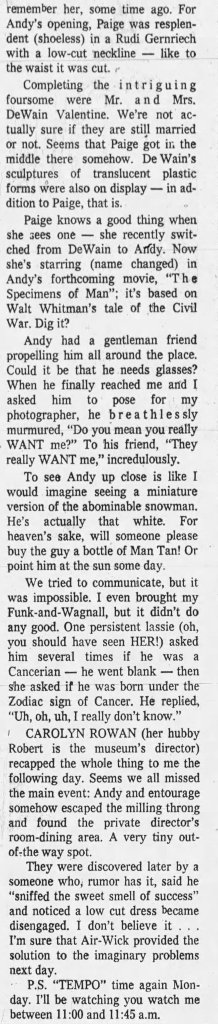
Rudi Gernreich is famous for his aesthetic contributions to fashion in the 1960s.
Did Paige get the dress directly from Rudi? I think so. Paige Young and Rudi Gernreich lived or hung around Venice Beach at the time. Both were guests at Venice Beach artists’ openings. Rudi Gernreich was and is known for his innovative, modern, risque and gender-bending clothing. He is celebrated to this day for his impact on 1960s fashion and way beyond..
At the end of the article, Marvene Jones gossips that Paige removed her Gernreich dress in the VIP area, later in the evening.

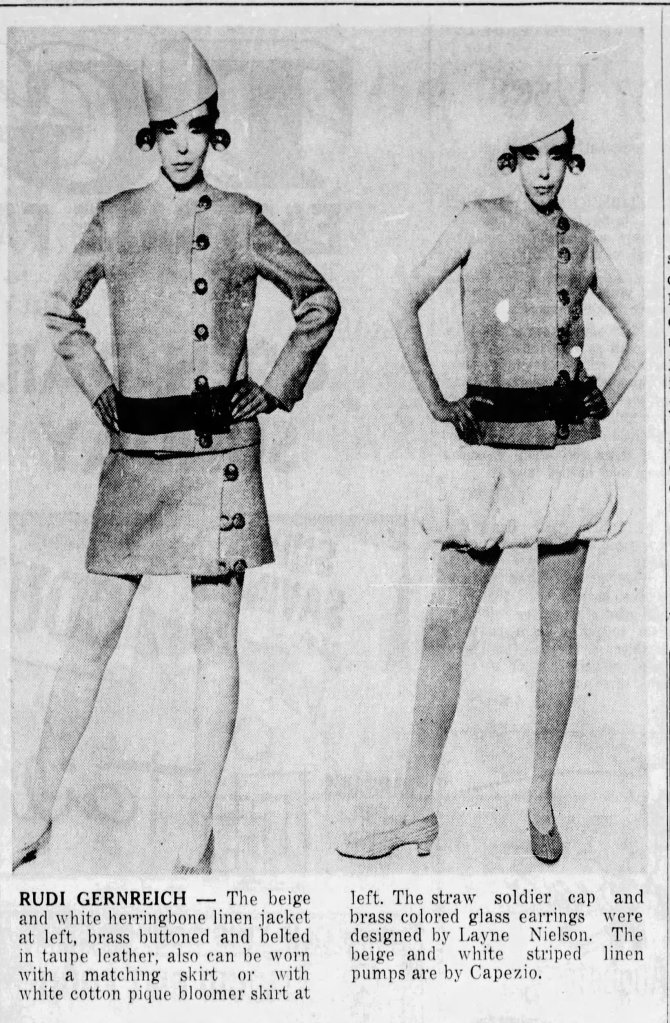
Who is Bill Gardner? pictured with Paige.
From his own website:
William Louis Gardner
William Louis Gardner was born in Minnesota and finished school there. He
Bill Gardner’s website
joined the US Air Force and worked at the Pentagon in the Target Library of the world. Went on to the Pasadena Playhouse to learn television and movie making. He got a job with actress Marion Davies at her home. There He met a movie agent and started a career in Hollywood. William Louis Gardner has worked in Hollywood as the agent, personal secretary, PR advisor and manager for for Mickey Rooney, Jonathan Winters, Jill St.John, Bobby Van and director, John Huston. William Gardner is the author of two books, “Confessions of a Hollywood Agent,” and “The Games End.”
According to the Jones article column 2, Paige Young and Andy Warhol discuss a role for Paige in an upcoming Andy Warhol film.
It’s not something that ever happened. I think the two were making flirty small talk. Ironically, Paige mentions Warhol and the Pop Art scene in an interview with Playboy magazine.
She said about Pop Art “it gives me a headache.” And
“I wouldn’t waste my paint on it.”
Marvene Jones also says that Mr. and Mrs. DeWain Valentine made up a foursome that evening with Paige and Bill Gardner. Valentine had an exhibit showing some of his large cast polyester resin pieces at the Pasadena Art Museum. It was being shown along with the Warhol exhibit.

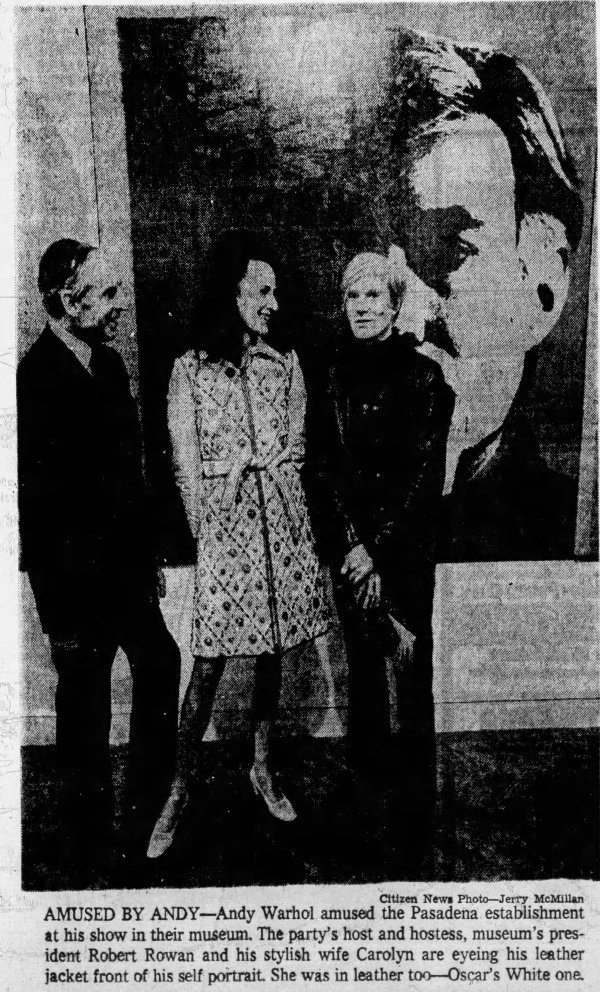
PAM has been called the Norton Simon Museum since October 1975. (An interesting LA story itself.) Classic Hollywood actress and widow of producer David Selznick, Jennifer Jones married Norton Simon, a very wealthy man. He took over the museum in the mid-1970s.
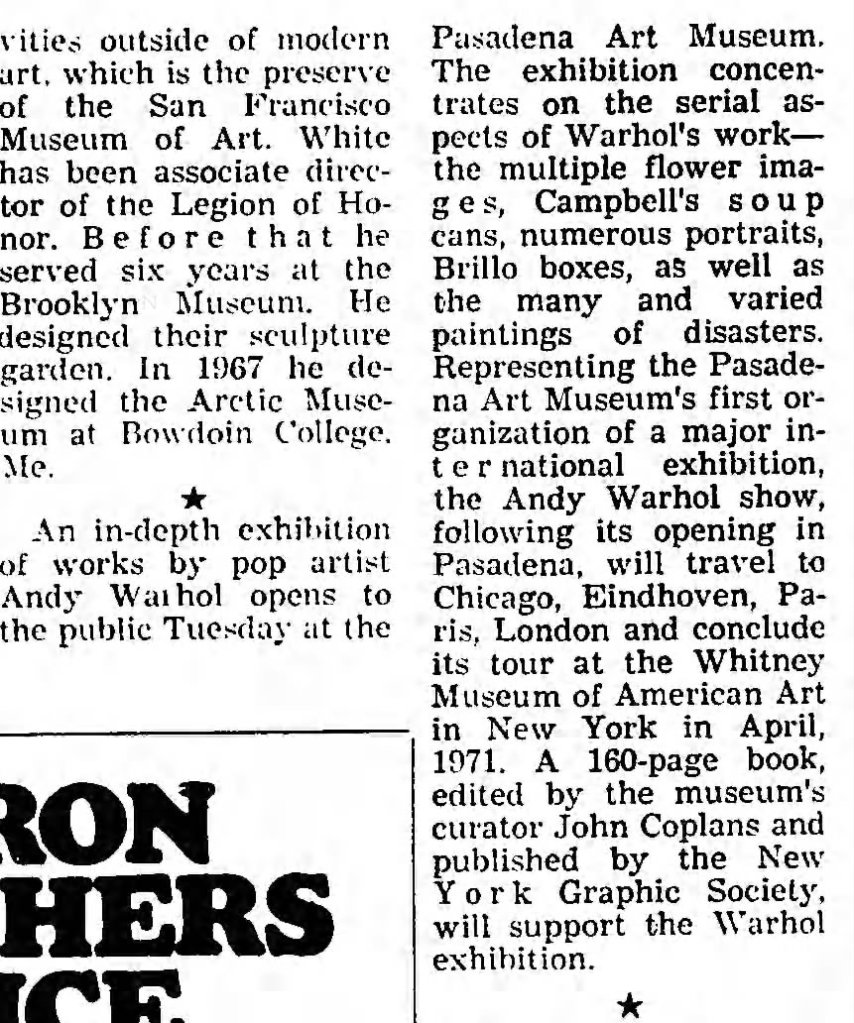
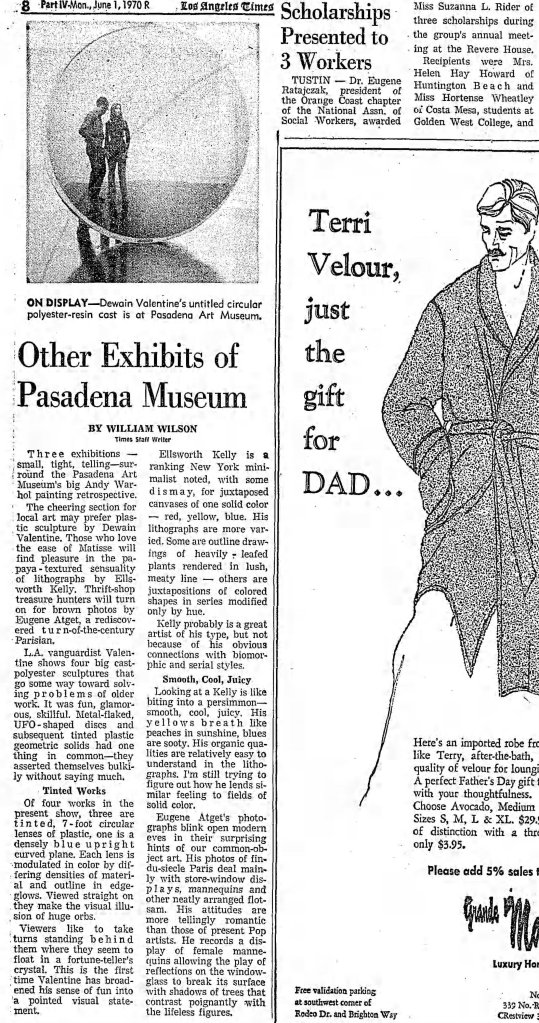
DeWain Valentine, sculptor from Colorado, was a young and rising artist in the 1960s Venice Beach art scene.
Los Angeles Time March 10, 1968.

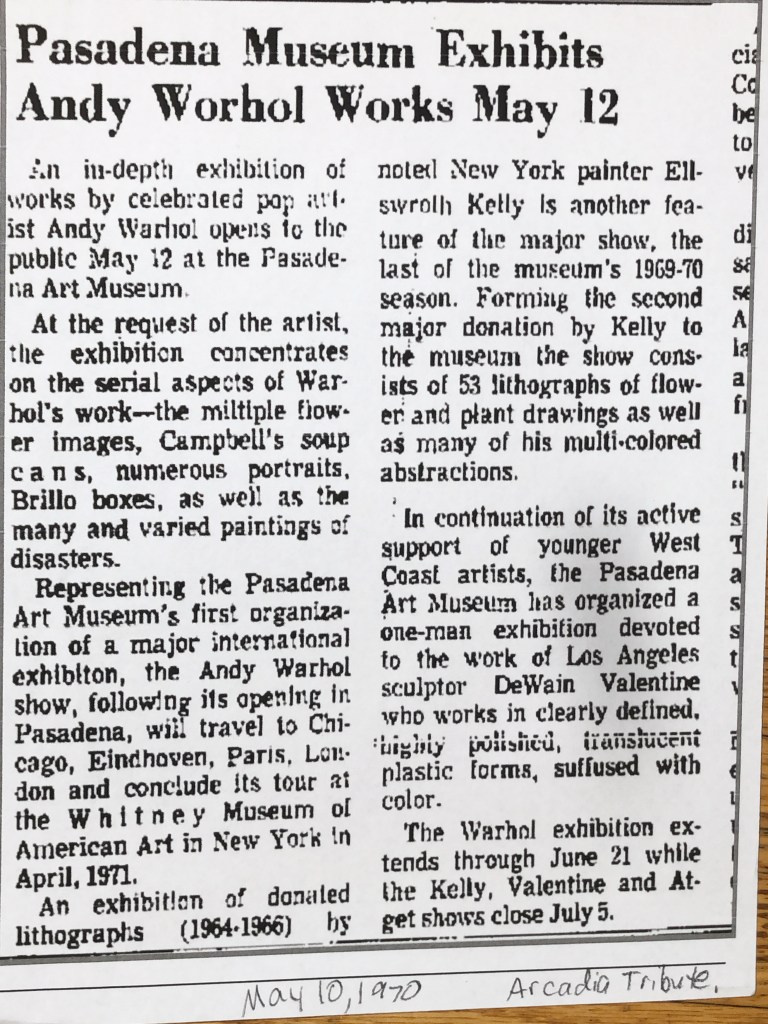
Valentine is considered one of the innovators of the “Light and Space” art movement. The others include Larry Bell, Robert Irwin, Helen Pashgian, James Turrell, John McCracken, Fred Eversley, and Doug Wheeler.
Many of these artists lived or rented a studio in Venice Beach due to the cheap rent. This was continuing a practice already established by this point in time.

brief Background of the Venice Beach Art scene:

Before the
Light and Space artists emerged in the 1960s,
there was the Ferus Group.
Named so because they exhibited at the Ferus Gallery, which opened in 1957.
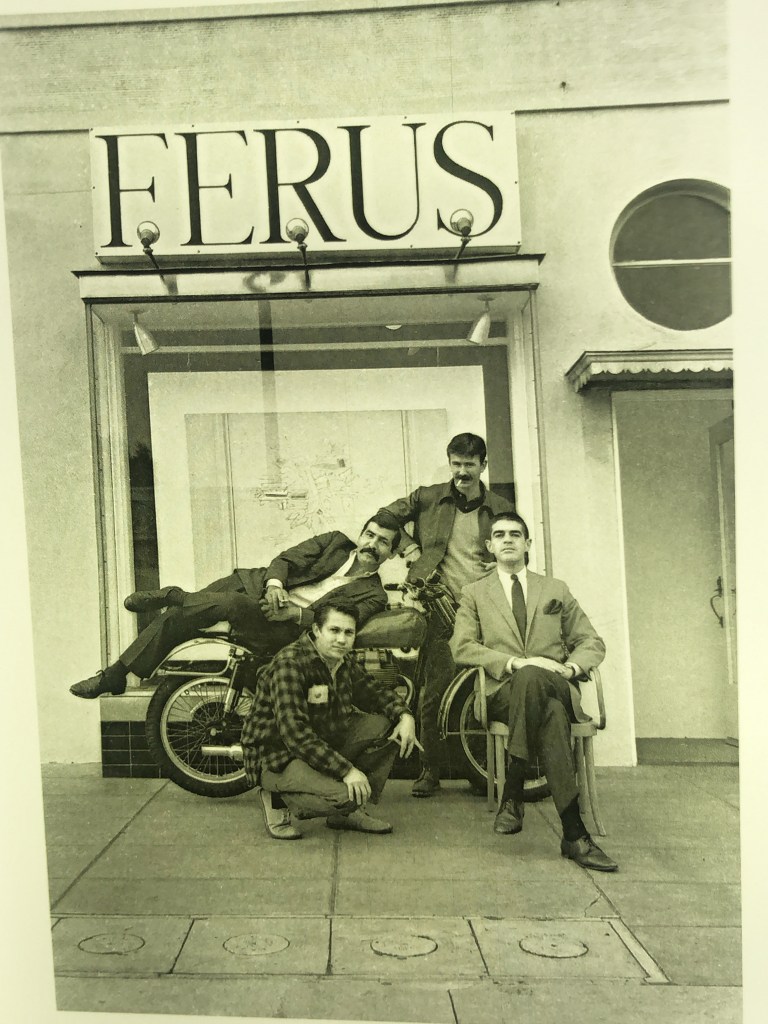
The Ferus Group includes California based artists: Ed Keinholz (original part-owner of the Gallery), Wally Berman, Billy Al Bengston, Ed Ruscha, Larry Bell, Robert Irwin, Ed Moses, Craig Kauffman, Ken Price and John Altoon.
Artists Jay DeFeo and Sonia Gechtoff from San Francisco.
Ferus Gallery included New York artists in their exhibits: Andy Warhol, Robert Rauschenberg, Roy Lichtenstein, Frank Stella.
The curators and owners of the Ferus Gallery who helped bring them to renown are Walter Hopps and Irving Blum.
Hopps had the eye for cutting edge art.
Irving Blum was good at selling the art.
Many of southern California artists lived in Venice Beach.
The Ferus Gallery gang interacted with Andy Warhol during his well documented stay in Los Angeles in the early 1960s.
Warhol drove with actor Taylor Mead, assistant Gerard Malanga and painter Wynn Chamberlain from NYC to LA.
It was Warhol’s very first trip to LA.
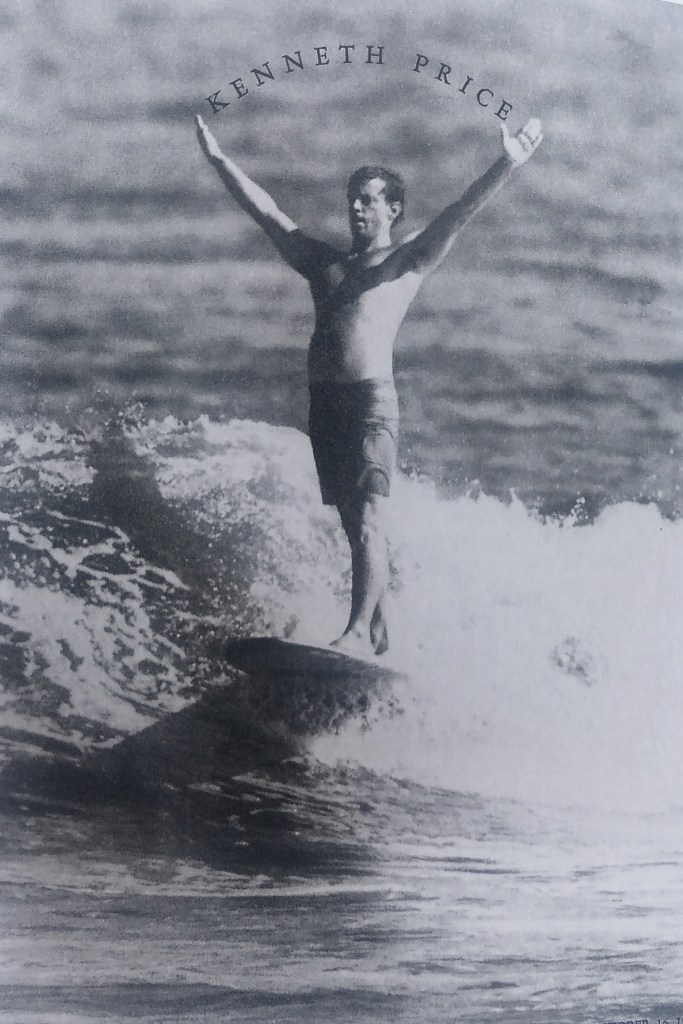
The trip plan was to catch opening night for Warhol’s 2nd exhibit at Ferus. His Campbell’s soup can collection has already shown there to jeers and laughter.

The Southern California artists were allowed to live and create far away from the critics and competitors of the Art world.
They found freedom outside of New York City.
Ed Moses once said “No one cared what we were doing.”
Alongside this growing art scene in Venice Beach in the 1950s and early 1960s, the “Beatnik Scene” was happening.
Author Lawrence Lipton documented and helped popularize Beats and Beatniks into a popular culture trope. More on this soon.
The hotspots for Beats and Beatnik culture:
Venice Beach and Hermosa Beach communities in LA, North Beach in San Francisco and Greenwich Village in NYC.
In 1959 Lawrence Lipton published The Holy Barbarians, a seminal work that served as one of the first comprehensive “insider” accounts of the Beat Generation. Lipton, a poet and critic, lived in Venice, California—an area he dubbed “Venice West“—and functioned as a “father-confessor” and chronicler for the local Beat community. PBS SoCal
Bob Denver as Beatnik Maynard G. Krebs in the TV show The Many Loves of Dobie Gillis. 1959-1963. The Krebs character helped to create the trope of the Beatnik in popular culture. Bongo drums were essential.
Movies:
1959 Mr. Tucker, proprietor of a Los Angeles coffee house, hires three down-on-their-luck classic beatnik patrons. They are out-of-work actor John Mapes, struggling writer Ray Miller, and George Leland. George is the wayward son of movie star Rita Leland. They agree to participate in an armored car robbery. This occurs during a four-hour stopover in Chicago on the trio’s train trip from Los Angeles to New York. Mapes’ worried wife Jeanne joins him on the train, concerned about his not having had a job in more than a year. (wikipedia)
Disappointingly, The Rebel Set is not about Beatnik culture.
The film begins in a Beatnik coffeehouse with Beatnik patrons. Two of the patrons are struggling actors. They are recruited to join in an armored car heist in Chicago.
The group of Ferus artists were organizing as a Cultural force at the same time the Beatniks were becoming a pop culture force.
Over the next couple of years, Ruscha fell in with the artists orbiting the Ferus Gallery, which opened in 1957 on La Cienega Boulevard in West Hollywood. Founded by the curator Walter Hopps, his wife Shirley Hopps, and the artist Edward Kienholz, Ferus quickly became the ground zero of Los Angeles art, hosting exhibitions by Kienholz and a roster of talents that included John Altoon, Larry Bell, Billy Al Bengston, Robert Irwin, John McCracken, and Ed Moses, as well as Ruscha. Stylistically they were a diverse lot whose efforts ranged across figuration, Expressionism and Minimalist abstraction and this was no less true of Ruscha’s output, which ran the gamut from Pop Art to conceptualism. ART NEWS Nov. 2, 2023. Article about Ed Ruscha by Howard Halle.
The Ferus ‘Studs’ the new generation of artists, young abstract painters, ceramicists and assemblage makers who had been flying under the wire now were the featured artists at the Ferus Gallery. The Gallery was ripe for the adventurous artists who would set the new bar in contemporary styles. The Ferus Gallery had belief in the performance of their work and was one of the first galleries to support it.
Ferusgallery.com

END
The Light and Space or Finish Fetish art movement was born in the mid-1960s.
DeWain Valentine was a key player along with Larry Bell, Doug Wheeler and Robert Irwin, Helen Pashigan, Peter Alexander and more.
Originally from Ft. Collins, Colorado, Valentine developed a type of polyester resin material. This material allowed him to make large scale pieces like the one you see here.
Previously, the material would crack when making a piece this size: approx: 17 1/4x 17/4 x 7/8.
Valentine was a newcomer to Venice Beach compared to the others artists, he arrived with his wife Darlene and sons in 1965.
He had been hired to teach a course on plastics at the UCLA Extension program.
From my reading, he experienced a rapid success on the West Coast.
For much more detail on these art movements which established the Los Angeles art scene as one on par with New York City or even Europe, watch the documentary “The Cool School, ” available on Netflix.
Richard Sample
Told me that after he moved to a studio-home in Venice (late 1960s), he invited Paige to live with him.
Richard’s father is artist and western jewelry maker, Charlie Sample. He was able to get Richard the studio space in Venice Beach.

I asked Richard the location and he said he could not remember it, but that it was quite close to the ocean and his artist neighbors and friends were, DeWain Valentine and Larry Bell. (See chapter: Interview with Richard Sample)
Paige refers to her “new Venice art studio” and discusses the art scene there in several interviews with Playboy magazine and US newspapers in 1969 and 1970. (See chapter: Most Public Year 1969)


De Wain Valentine, Concave Circle Blue Green, 1968–2017. Cast polyester resin, 23 1/2 x 23 1/2 x 9 7/8 inches. © De Wain Valentine. Courtesy of the artist and Almine Rech. Photo: Melissa Castro Duarte. Brooklyn Rail.
Richard Sample and Paige Young joined the community of Venice artists. They were “not working with the new materials,” to quote Paige in an interview. She was referring to her neighbors and friends, Valentine, Bell, Irwin, etc.

A female friend does remember Paige talking about her Venice art studio. For the most part, I have confirmed that Paige’s Playboy publicity about her personal life mostly aligned with the truth of her real life.
She did live in Malibu as her Playmate feature and interviews state. However, technically it was the southern end of Topanga Canyon near the beach across the Pacific Coast Highway. So Topanga Beach?
Paige mentions Venice Beach as an “art colony,” where she now lives.
Philadelphia Inquirer Jun. 27, 1969

I found the location of this Venice studio:62-68 Market St.
Research and interviews show that artist Robert Irwin lived across the street from Valentine. His name was not mentioned by Richard Sample.
At one point I asked Richard if he “knew Ed Ruscha or Robert Irwin” and some others. He did not recognize those names, he was certain about Larry Bell and DeWain Valentine.
Richard Sample’s niece Ellen Sample remembers visiting her uncle and grandfather Charles Sample at the art studio/home in Venice Beach. Charles Sample was a jewelry maker and had a retail storefront in addition to his studio.
Ellen, a child at the time, remembers hearing frequent talk about a man named “Valentine.”
Richard and Ellen both recalled being able to see the beach from the studio. 62-68 Market St., a block from the ocean, is a large structure. Many artists rented their own studios according to Ellie. This is why the address lists a range of numbers.
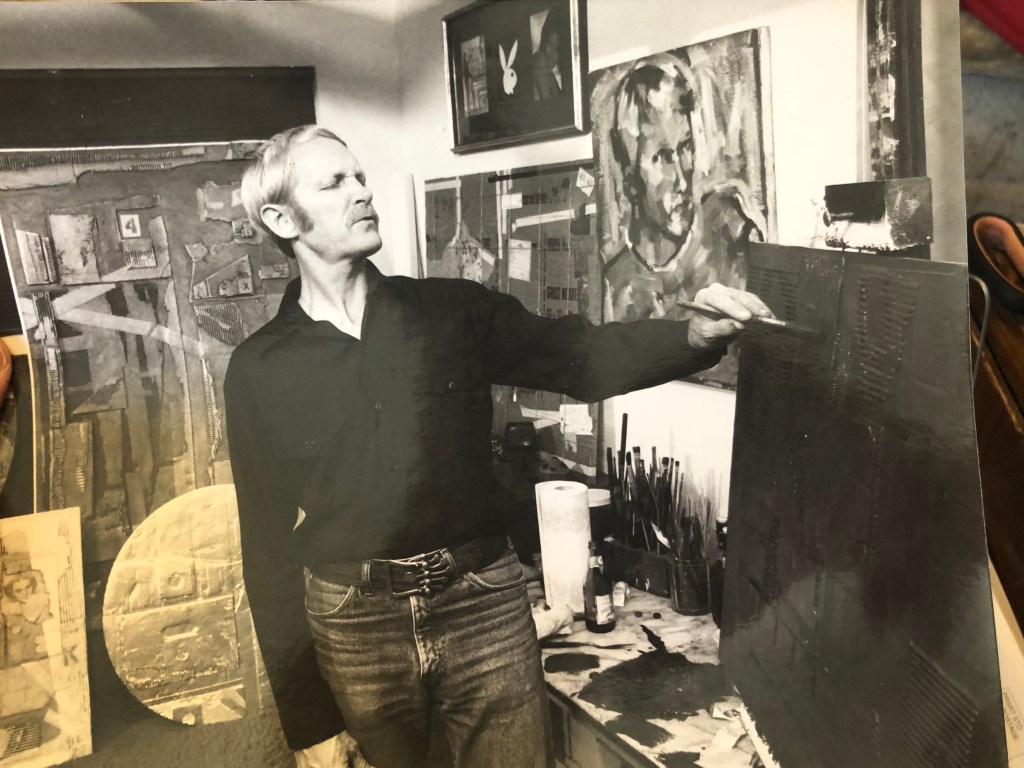
Richard Sample is listed with an address of 63 Market St. Venice, in a newspaper marriage announcement, 1968.
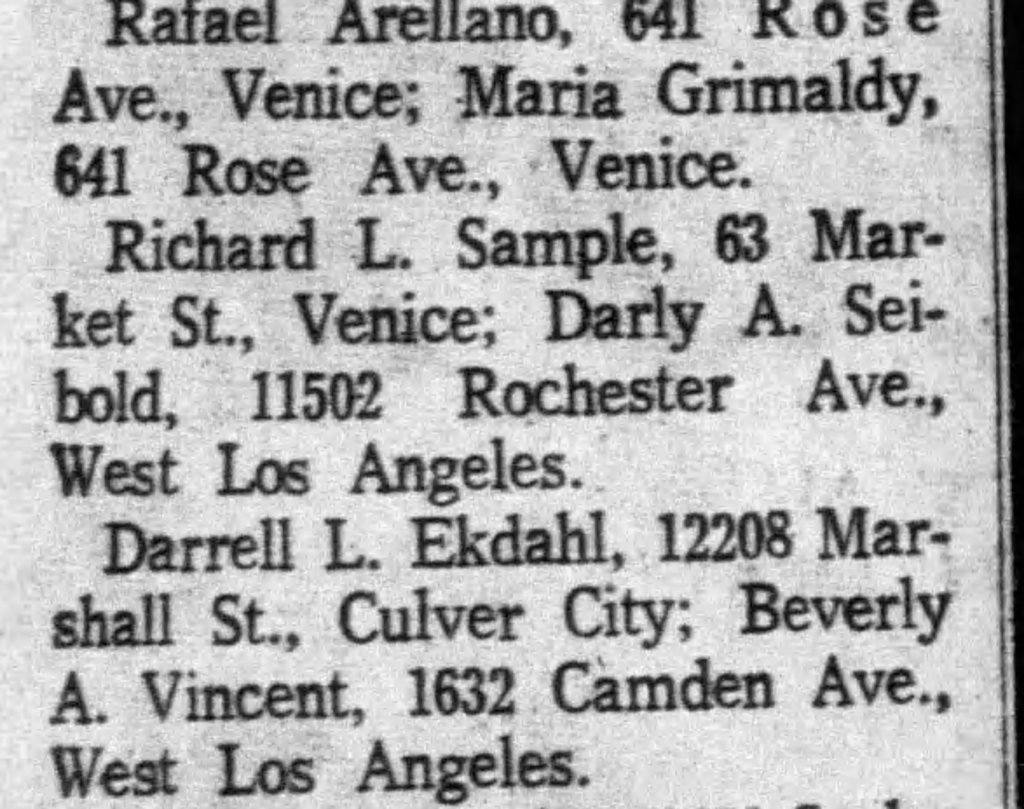
Ellen texted me a story: she thinks her Uncle Richard sublet the Venice studio to Paige at one point.
Ellen recalls “tensions” about Paige among Ellen’s aunts.
These women were the wives of Charles Sample and his sons.
Ellen said her own mother was not bothered by Paige living at the studio. However, her mother did “go with her sister-in-laws to see what was going on at the studio.” Ellen says the most tense time was when Paige’s Playboy issue was current and shortly after. (This would have been November of 1968 and 1969. In 1969 Paige was frequently traveling all over the US to promote her photos published in a”current” issue of the magazine.
Richard Sample told me he was forced to ask Paige to leave the Venice studio because she never paid him rent. (See chapter Richard Sample interview)
I have learned that Paige was not a good manager of money.
I asked Ellen if it was a possibility that Richard felt pressured to ask Paige to leave due to the tension with the women in the family.
Ellen said she thought it was possible, but just didn’t know for certain.
DeWain Valentine has spoken about his Venice studio in several art magazine interviews and the influence it had on his art.
Mrs. Darlene Valentine told me in a telephone conversation that Paige was one of many women Valentine “slept with” or “dated” during those days.
She remembered the night at the Pasadena Art Museum, but not specifically that she double dated with Paige. She does remember that Warhol superstar Ultra Violet was along with Warhol.
She does not recall meeting Bill Gardner, Paige’s date of the evening.
DeWain Valentine fondly remembers the friendships with his many fellow artists. He had a special connection with Larry Bell and Robert Irwin. This was particularly true during the 1960s and early 70s.


DeWain Valentine above states that he lived in and eventually purchased the 62 -65 Market St.
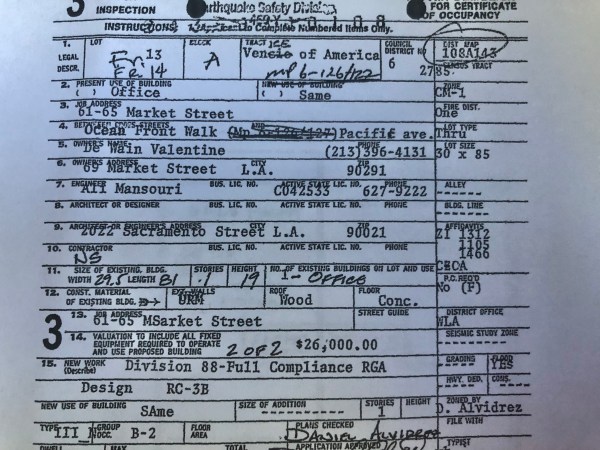
61-65 is the address listed here.
And indeed, several records with his signature and name can be seen in public building archives from LA County. They are now available online.

DeWayne Valentine spent many years living and creating art in Hawaii after the 1970s.
When he moved back to LA from Hawaii, it was to a large studio and home in Gardena.
.
From the Documentary “The Cool School.” Market St, where Valentine, Bell and Irwin, probably others, had art studios. Richard Sample and Paige Young made art and lived, briefly. Paige lived or rented the studio space for about one year. When she could not pay the rent for several months, Richard Sample “had no choice but to ask her to leave.” When he went to tell her this, Sample found her living on a houseboat in Marina del Rey.
From an 800-page + biography of Andy Warhol.

I have uploaded these paragraphs from the Warhol Biography describing the night Paige attended the Warhol opening at PAM, written up in the Social Butterfly column.
Notice the sentence “Specimen Days, a comedy about Walt Whitman’s time as a Civil War Nurse.”

<<<<<<<<<From the Marvene Jones column above. Andy’s new movie idea, Specimens of Man.

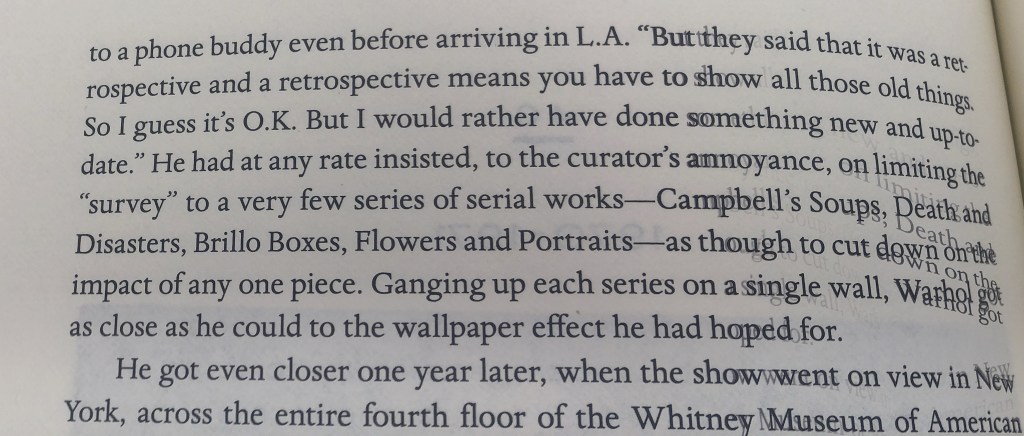
1969 January. Playboy Magazine. Playmate of the Year Contest. Winner: Connie Kreski. Anthony Newley. Roman Polanski. Can Heironymus Merkin Ever Forget Mercy Humppe…..? 1970s James Caan. Under Construction. Victor Lownes and Marilyn Cole. NSFW. 2-9-26
Posted on July 15, 2020
NSFW
PMOM = Playmate of the Month. PMOY = Playmate of the Year.
This photo of Paige Young appears in the January 1969 issue of Playboy magazine.
A brief update about her life is included, which was truthful I learned, if incomplete.
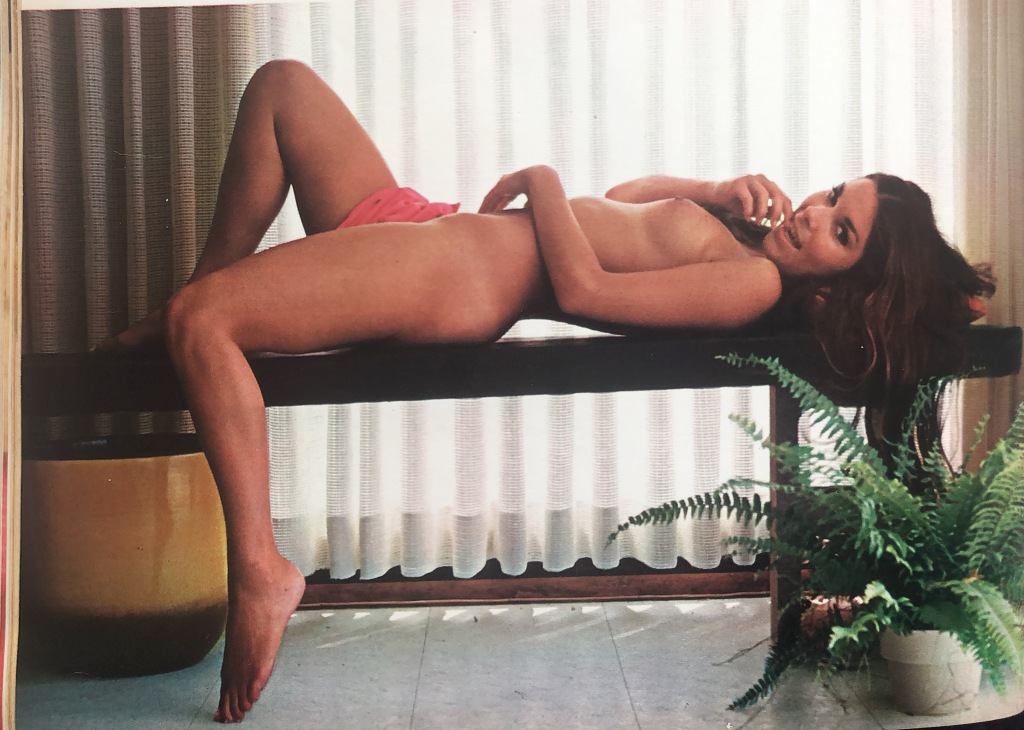
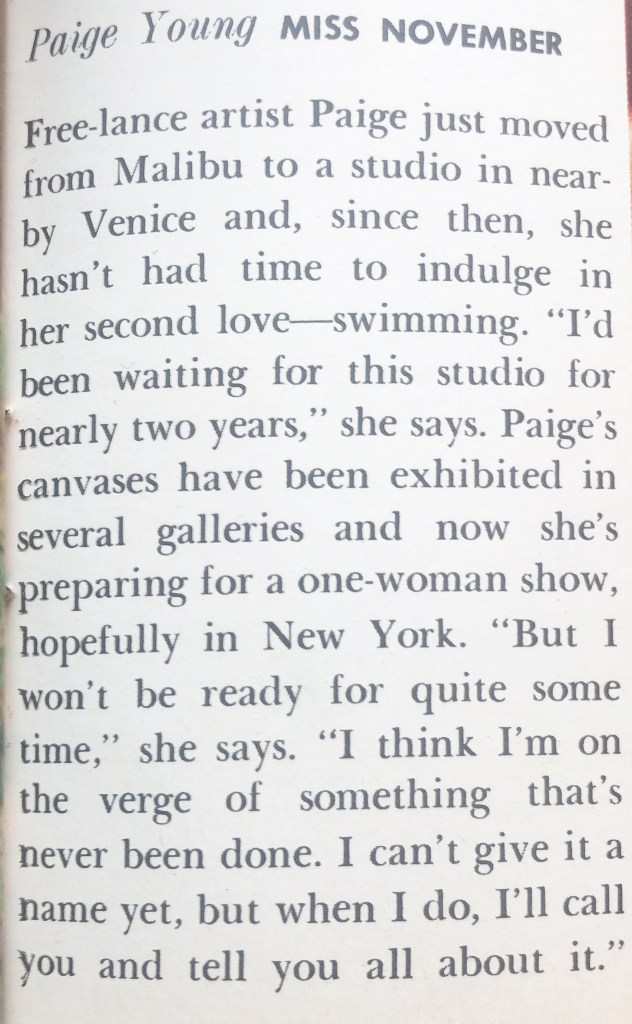
Update on Paige Young shown with her photo. Jan. 1969 Playboy Magazine.
More specifically than Malibu, which was always printed in Playboy, Paige lived in Topanga Canyon/ Topanga Beach. At that time, an area of artists, musicians, hippies, surfers and Hollywood celebrities. She knew Bill Cosby at the time and he may have helped her obtain her home there.
The January 1969 Playboy magazine issue shows all 12 Playmates of 1968.
A brief update accompanies each one, as we read in Paige’s entry.
Standard protocol for this annual issue.
It means the PMOY title will be announced soon.
1969 is also the 15th anniversary issue of the influential and wildly successful magazine.
Hugh Hefner became famous for his publishing and business empire.
Besides the magazine, the trendy Playboy Clubs Playboy Bunny cocktail waitresses were instantly iconic.
Successful enough to have created scores of imitators in the magazine publishing world during the 1950s and early 1960s.
Titles like Escapade, Nugget, Modern Man, Adam, Dude and Rogue, to name only a few. An easy Google image search.
The imitators experienced varying degrees of success.
The Playmate of the Year
has a higher status than Playmate of the Month (PMOM) obviously.
Kind of like, the “elite of the elite.“
Or the “creme de la creme.“
A PMOY title is akin to winning a beauty contest, much like Miss America or Miss USA. The winner reigns for one year and is then replaced the next.
The 12 finalists are the 12 PMOMs.
The yearly 12 have already cleared a major hurdle by winning over many other young women for the coveted monthly spot.
Round 2: the 12 finalists compete for the PMOY title.
PMOY means more of everything you have already experienced as a regular PMOM: public appearances, photo sessions, media interviews, a modeling fee, career opportunities.
(However, a pink car is reserved exclusively for the PMOY.)
PMOY 1970 Claudia Jennings with her prize of a “Playmate Pink” color Mercury Capri. Behind it is Hugh Hefner’s favorite mode of transportation the few years he owned his jet called “The Big Bunny.”
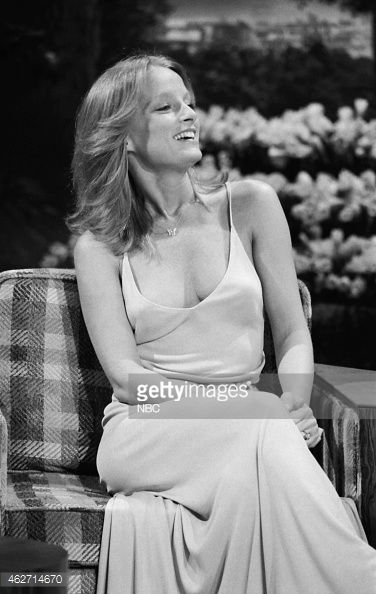
Claudia Jennings, an aspiring actress, is seen here being interviewed on the Tonight show, sitting on Johnny’s famous couch around the time she was given the title PMOY 1970.
She did become a successful actress in films like: Truck Stop Women, Gator Bait. and Unholy Rollers.
More about Jennings in my Start Here page.
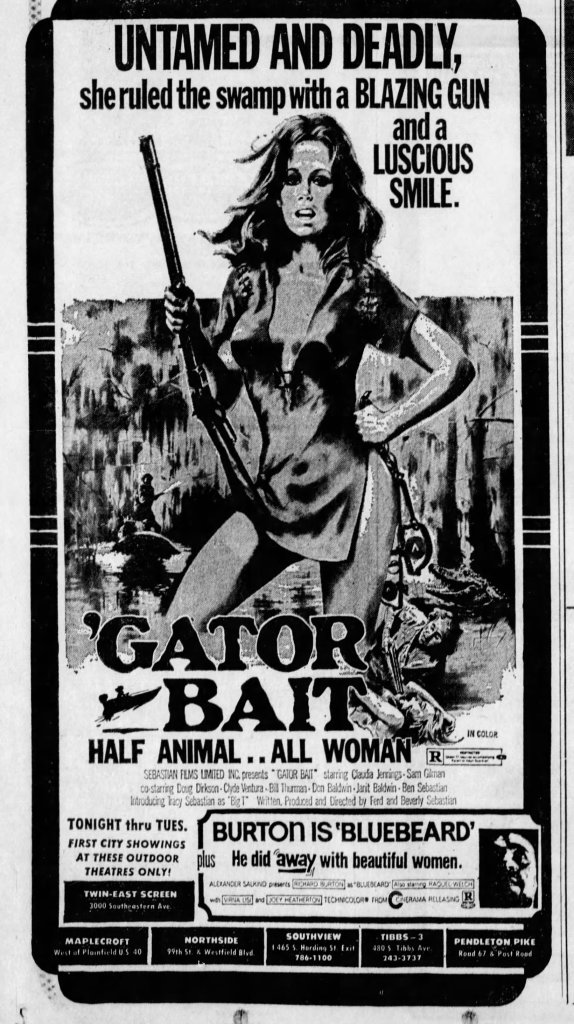
The PMOY gets a big party thrown in her honor, often at Hef’s Chicago mansion, later LA. Attendees include press, various celebrities including good looking film actors, Playboy and Hollywood big-wigs and assorted VIPs.
You would meet 100s of men in particular I imagine.
How was PMOY chosen?
I wonder if reader feedback influenced the decision, was it up to Hugh Hefner alone, or decided by committee?
Paige Young did not win and I doubt if she was even in the top 3.
The winner was Connie Kreski seen here on the cover of her PMOY issue
June 1969

Winner Connie was the girlfriend of Victor Lownes, head of the London Playboy Club & Casino, Chicago friend of Hugh Hefner.
Both are forgotten figures of the 1960s.
More on Victor Lownes coming up.
By the time of her PMOY title was announced in 1969, Connie had already filmed a movie directed by English singer, actor, composer Anthony Newley.
Newley wrote many classic songs like Goldfinger, What Kind of Fool and I?, Feeling Good and Candy Man!
Connie Kreski
born Constance Joanne Kornacki in Wyandotte, Michigan.


Connie said in several press interviews that she grew up in a “strict Polish Catholic family.”
Constance Kornacki was studying for a degree in psychiatric nursing at Mercy College in Detroit when Playboy came calling in the form of a man at a University of Michigan football game.

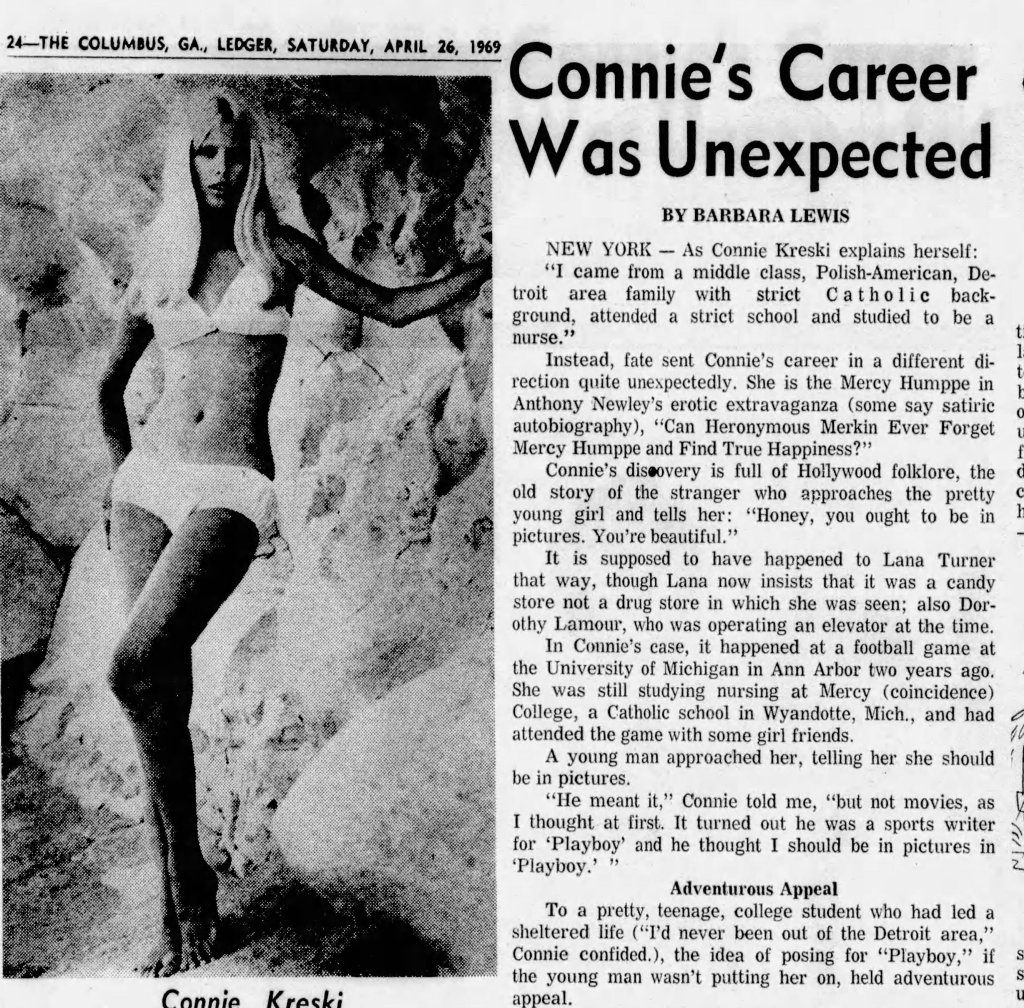
He worked for Playboy and told Connie he thought she had the ideal youthful face and figure required for Playmate candidates.
Connie appeared to look much younger than her 21 years.

This is why Newley cast her as Mercy in his 1969 released film “Can Heironymus Merkin Ever Forget Mercy Humppe and Find True Happiness?”
Anthony Newley had married a beautiful Hollywood starlet in 1963.
She was a native of England named Joan Collins.
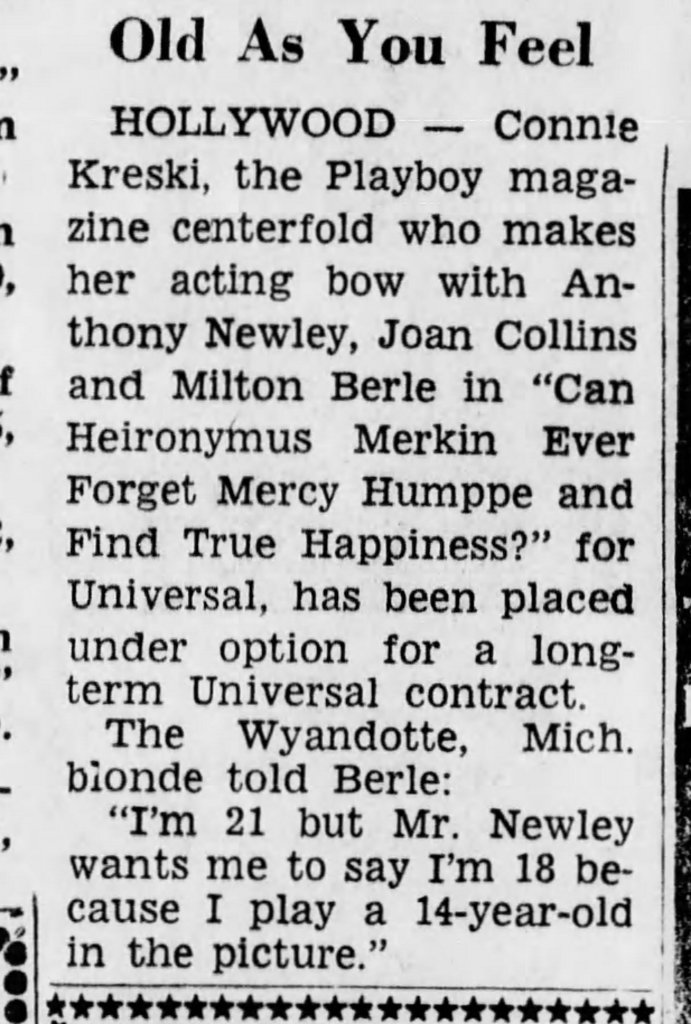
Anthony Newley plays himself in the title role of Heironymus, wife Joan Collins plays his wife in the film, named Polyester Poontang.
It was pretty much a flop and skewered by the critics.
Anthony and Joan were married in 1963 and this photo was taken around that time.
Credit Vintage Everyday Pinterest
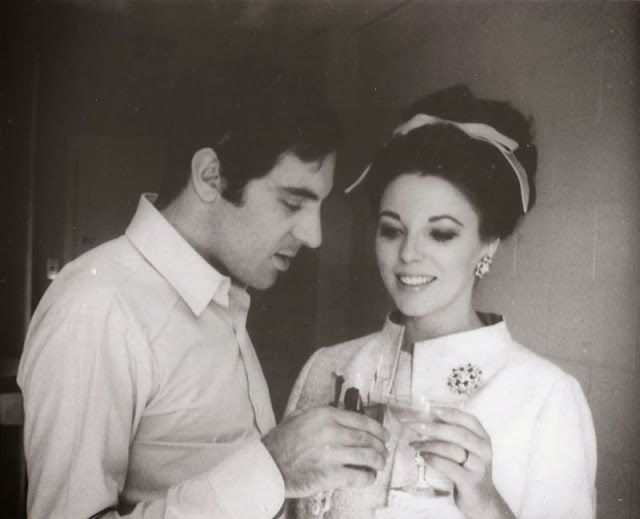
The article below was written before the disappointing reviews that followed the debut of the film in 1969.
It’s an interesting look at late-1960s popular culture by way of Newley’s film, filmed on the island of Malta in 1968.
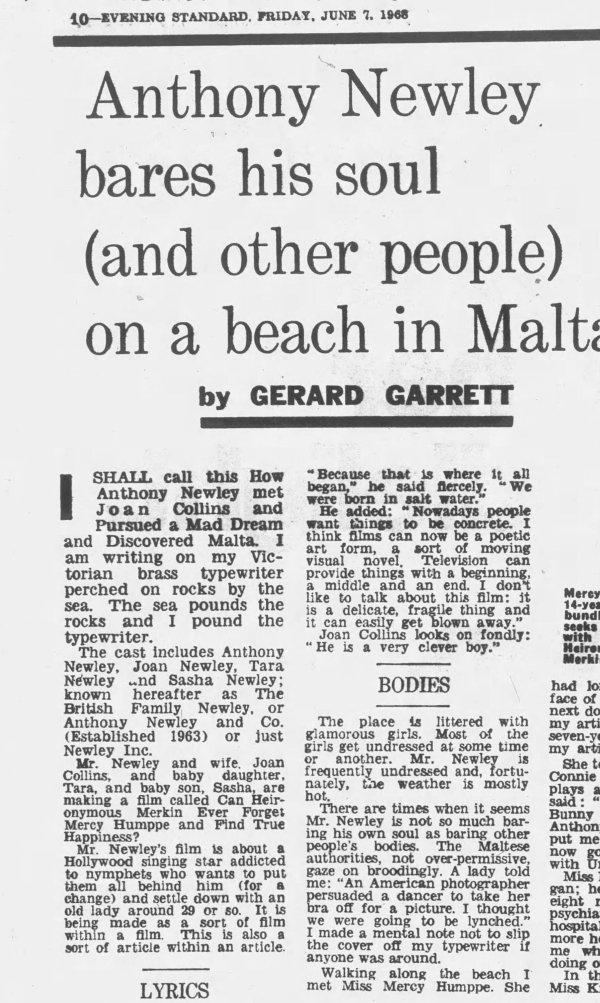
The Newley’s small children Alexander and Tara were in the film as well as and several starlets, models and dancers.
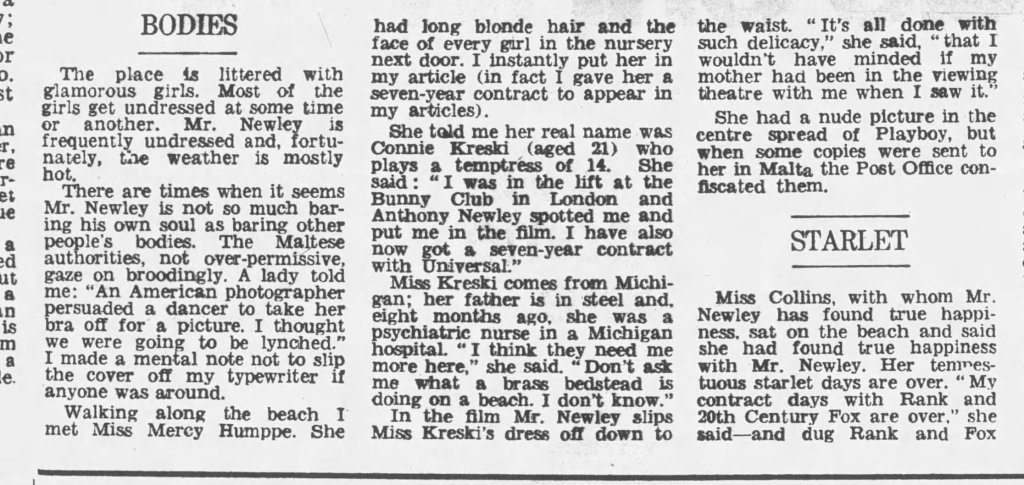
More likely, she met Lownes in Chicago and was invited by him.
Or perhaps, she followed him to London.
Note the part that Connie “plays a temptress of 14.” Paragraph 4.


Connie, just like Paige Young, had publicity all year long in 1969.
More than the 2 young women would ever have the rest of their short lives.
Connie had her picture in newspapers across the USA, England and Canada in ‘69
Connie appeared in many newspaper articles for her title role in Heironymus Merkin.
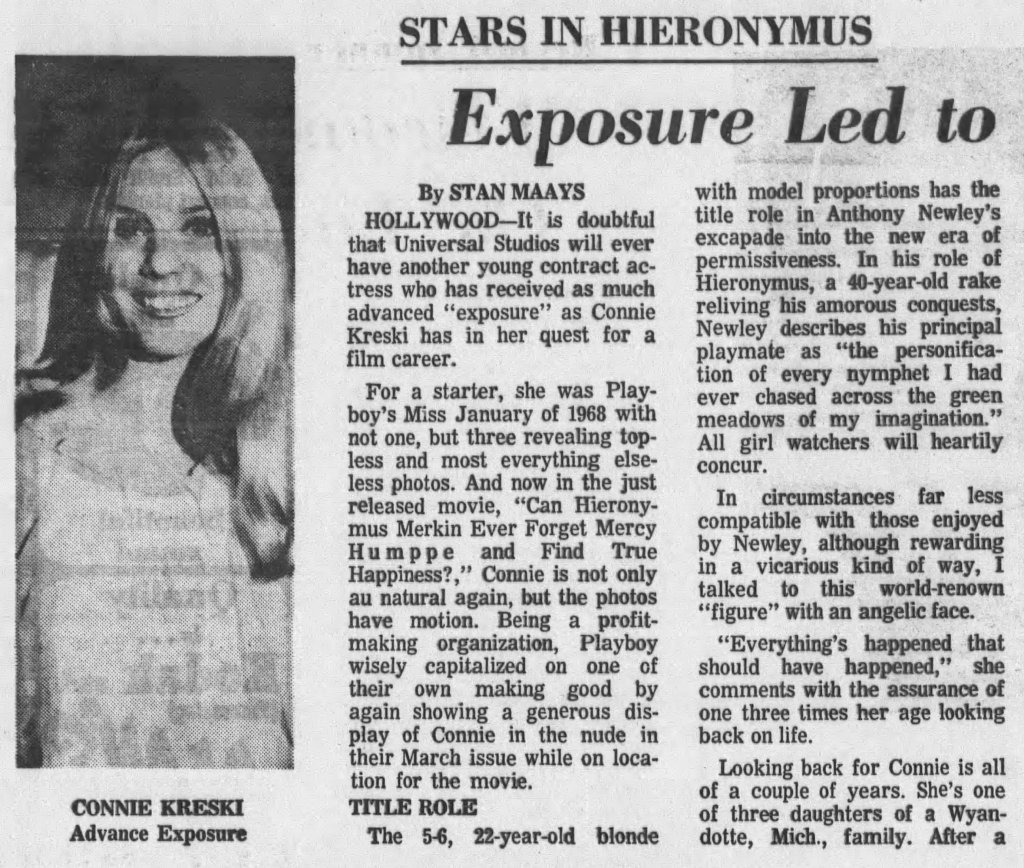
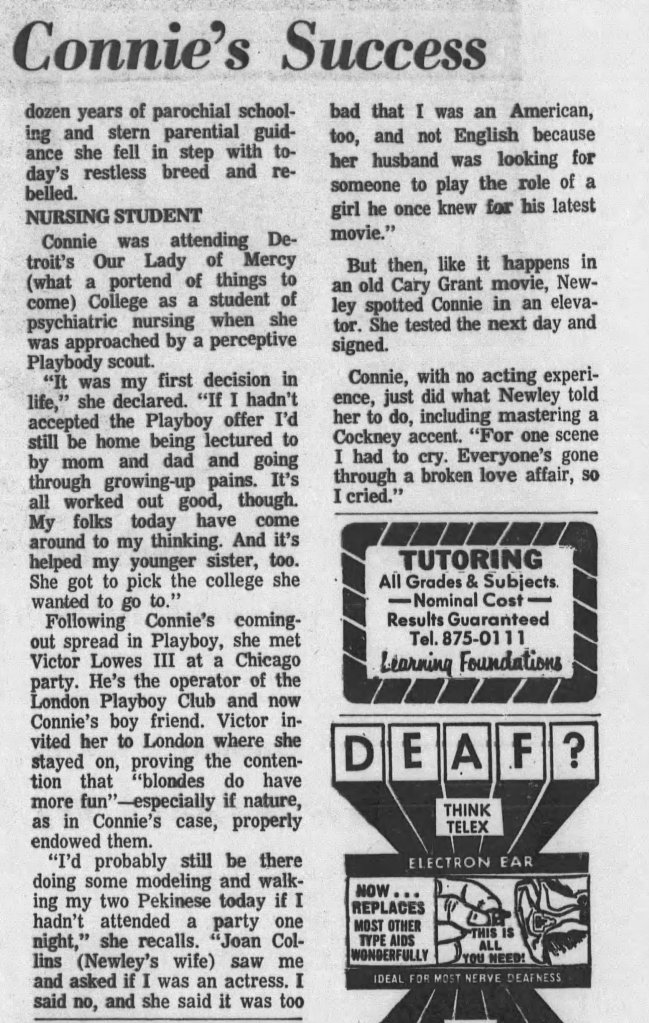
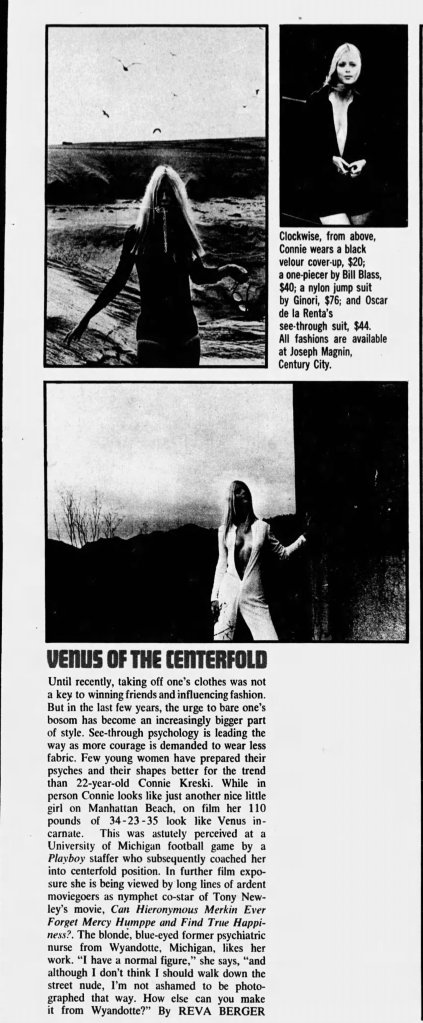
Los Angeles Times West Magazine July 13, 1969

One issue of Playboy magazine featured a nine page photo spread, serving as a promo for Heironymus. And for Connie as their Playboy Star.
Newley was a great friend and appeared on Hugh Hefner’s show of 1968-1970 Playboy After Dark.
Connie has several nude shots in the issue and a nearly nude Joan Collins has one.
Victor Lownes
is a colorful and forgotten 1960s character.
Lownes was a close Chicago friend of Hugh Hefner.
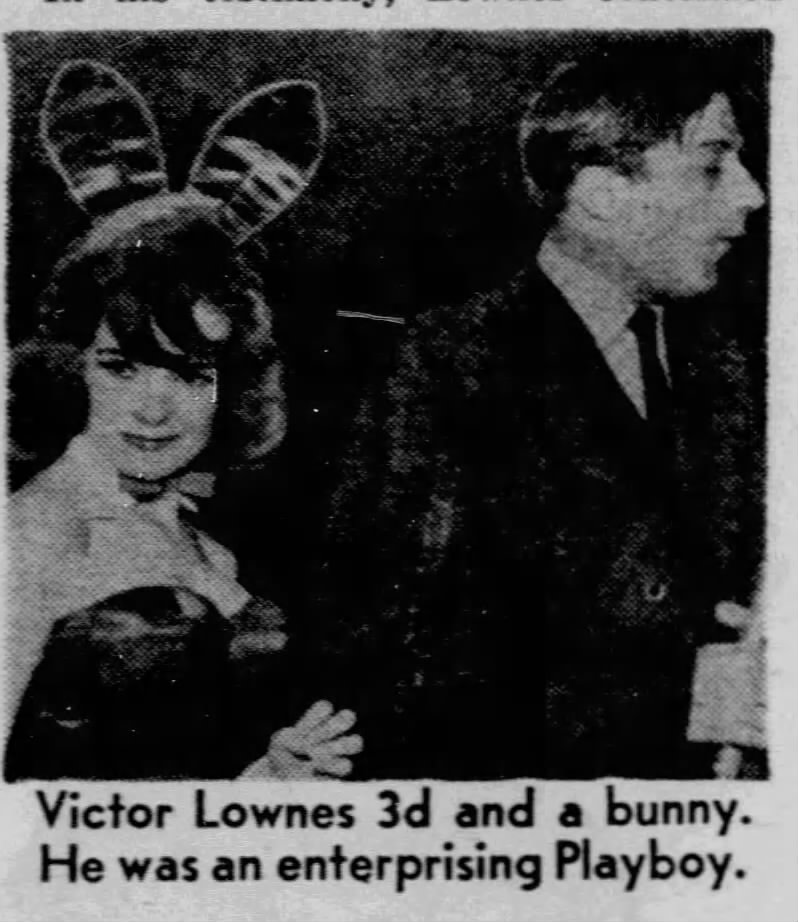
New York Daily News. Nov. 8, 1964.
People said that Lownes, who moved to London to run the Playboy Club & Casino, embodied the“Playboy man” even more than Hugh Hefner.
He was also known to sexually harass Bunnies at the clubs.
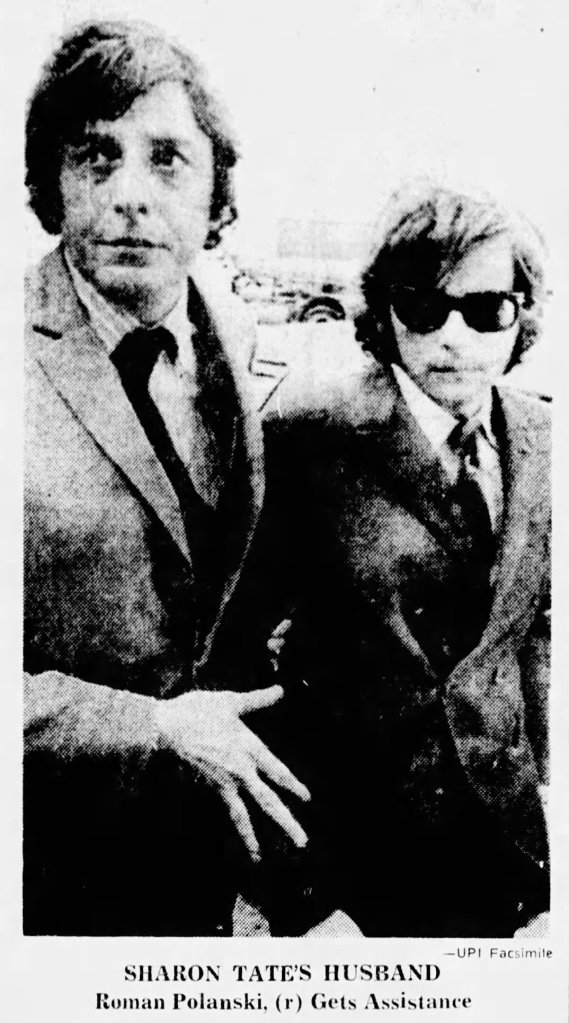
Victor and Connie are seen together in the much viewed film footage of the Tate (and maybe Jay Sebring?) funerals on youtube. However, they are never identified.
Little Known connection to Charles manson killings
Victor Lownes, Hefner and directorRoman Polanski, Anthony Newley, were close friends in the late 1960s and 1970s.
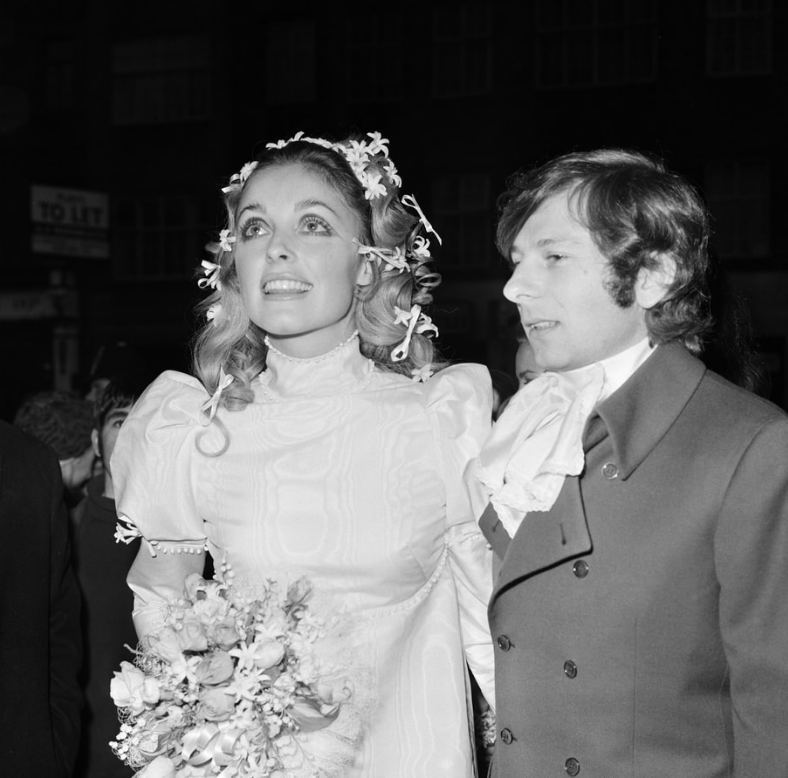
Polanski and actress Sharon Tate lived together in London for a time and had their wedding reception at the London Playboy Club in 1968. A party hosted by Victor Lownes.
Connie and Victor appear together with several mourners at Sharon Tate’s funeral in Los Angeles, on film footage seen on youtube.

Roman and Sharon also appeared together on an episode of Playboy After Dark, a show Connie appears on several times.
The couple was interviewed by host Hef; Roman does most of the talking. (Available on youtube and tiktok.)
Paige Young traveled the USA, Canada and Japan to promote the show in 1969 She may or may not have appeared on the show.
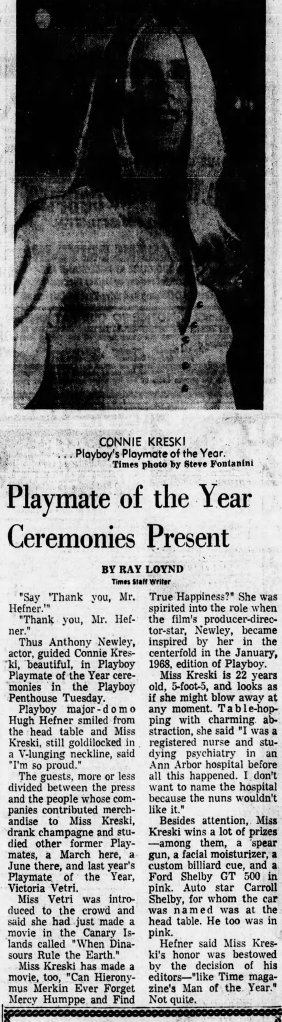
Victoria Vetri, PMOY 1968, and starlet is mentioned in left column. Her reign of ‘68 was honored at the party. The opening of her film, now a cult classic, When Dinosaurs Ruled the Earth, was also celebrated. Victoria Vetri had a small part in the Roman Polanski-directed hit film “Rosemary’s Baby.” Victoria was known as Angela Dorian when she was the September Playmate of the Month in 1967. and Playmate of the Year 1968 as Victoria Vetri. Roman Polanski convinced her to use her real name. of Victoria Vetri, where she had a bit part in Rosemary’s Baby.
The Manson murders would occur just a few months after this article appeared.


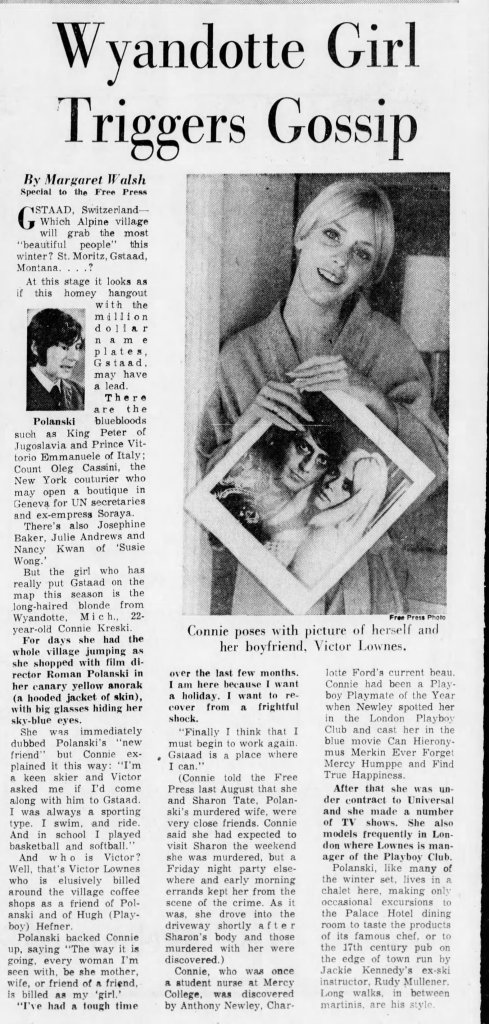
Connie holds photo of herself and Victor, who would dump her in about 2 years for the force of nature that was Marilyn Cole. Connie claims there is nothing romantic going on between her and Roman Polanski. This article is only months after the horrific murders.
Victor dumped Connie after he fell hard for a new Bunny at the London Club.
The aforementioned Marilyn Cole.
She has her own story to tell and has done so in interviews. But she’s never been asked about her love triangle involving Connie and Victor, other than the book Bunny by Russell Miller.
Marilyn Cole appears briefly in Secrets of Playboy.
This Bunny was quickly promoted PMOM in 1972 and PMOY in 1973.
Marilyn Cole’s Playboy centerfold is famous/infamous for being the first obvious straight-on view of a PMOM with full frontal nudity. Not subtle or hidden as in earlier photos.
Cole’s issue came at a time when Playboy magazine experienced a drop in readership, due to competition from the new and more explicit Penthouse magazine.
The Marilyn Cole issue provided a huge sales boost for Playboy which she talks about in Secrets of Playboy documentary.
Penthouse magazine featured more explicit and forward photography of their centerfold called a “Penthouse Pet.” In particular full-frontal nudity.
The viewer is more of a voyeur to the private bedroom of the “Pet,” than he may have seen in the Playboy centerfold.
Playboy was “forced” or pressured into publishing the centerfolds in the Penthouse style. This was to keep up with the new standards in popular culture, the more open nudity standards Playboy helped to bring in.
Detroit Free Press. Marilyn is Playmate of the Year and is thrown a big party. Here she kisses boyfriend Victor Lownes.
More on Marilyn Cole soon.

Connie during her time on Malta.
Connie Kreski has about 10 TV and film appearances after “Hieronymus.“
April 6, 1969. Long Beach Press Telegraph
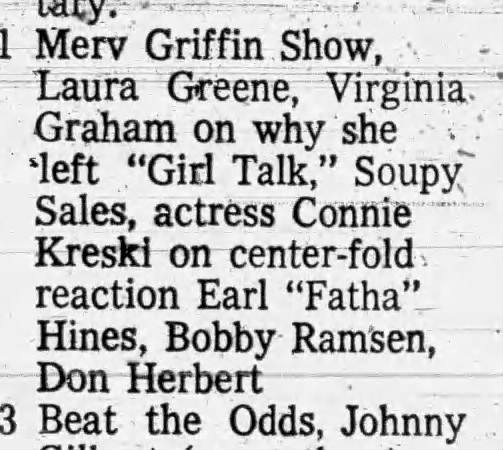
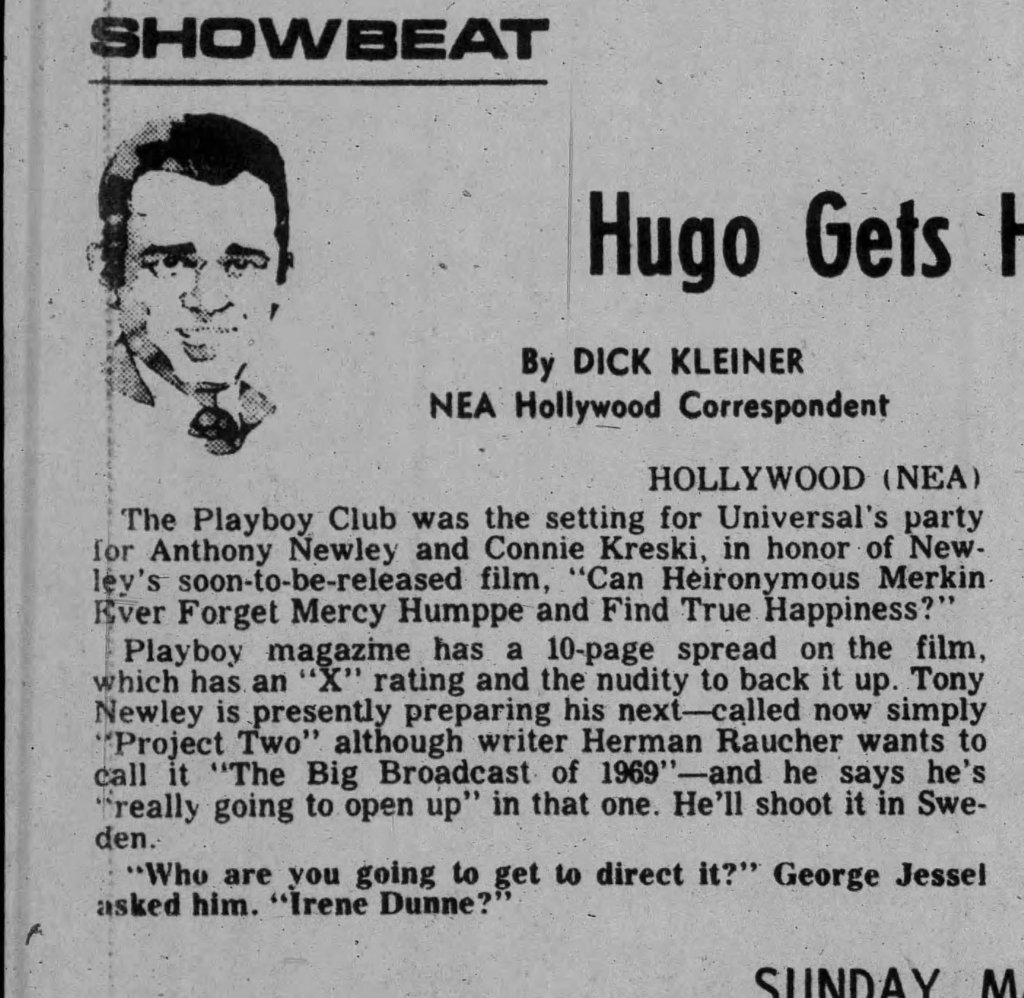

From 1969
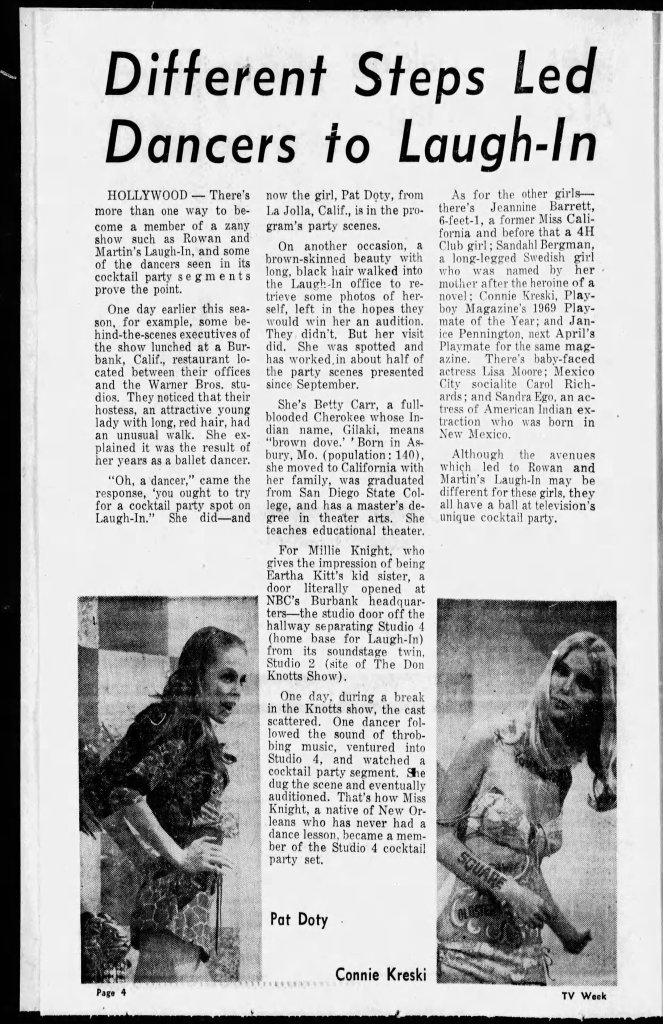
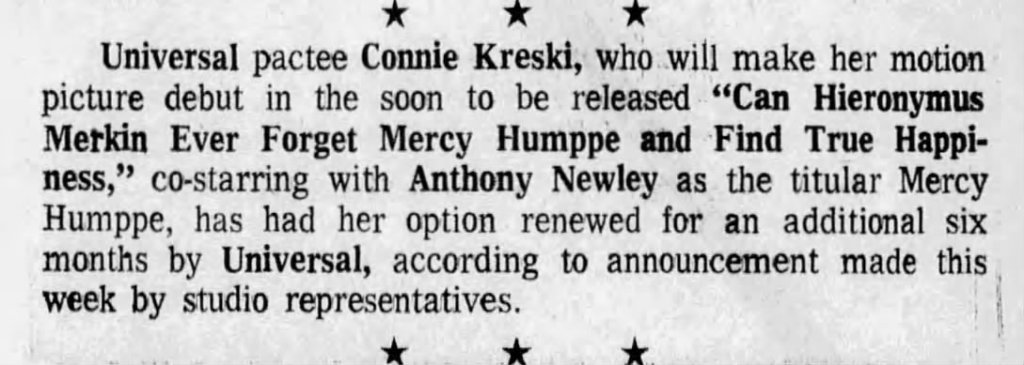
Connie appeared as a guest on the Merv Griffin and Joey Bishop talk shows.

From the Fremont Tribune, June 21, 1973
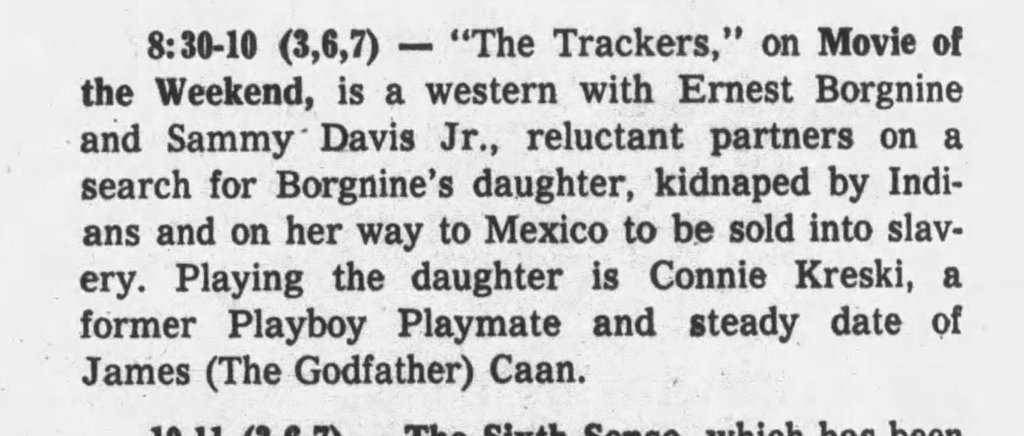
In a 1969 episode of Playboy After Dark, Connie is introduced by Hugh Hefner as “Connie Kreski, our Playmate of the Year.” Connie does not say one word the entire show.
She does have more lines on other episodes of PAD, mostly the ones from 1970, the last year of the program.
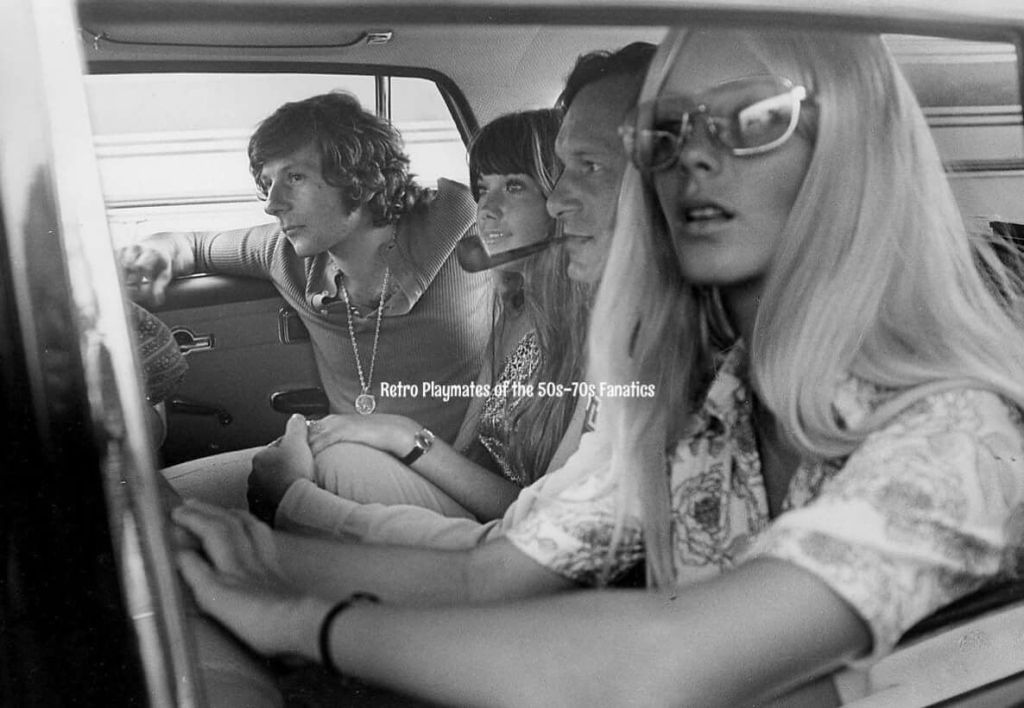
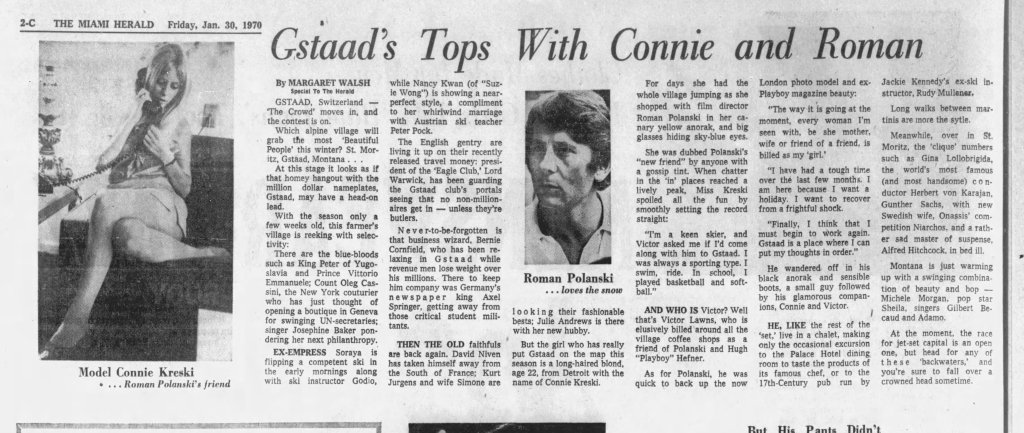

The People, London. Aug. 23, 1970 A little over a year since Sharon Tate and the others were murdered, Connie remains friends with widower Roman Polanski. Sorry for poor quality.
Kreski’s newspaper press indicates she was signed to a contract with Universal Studios.
Universal signed an extraordinary number of pinup models, beauty contest winners and starlets in the 1950s and 60s.
Detroit Free Press April 27, 1969 The hometown/homestate paper covered their Hollywood star.
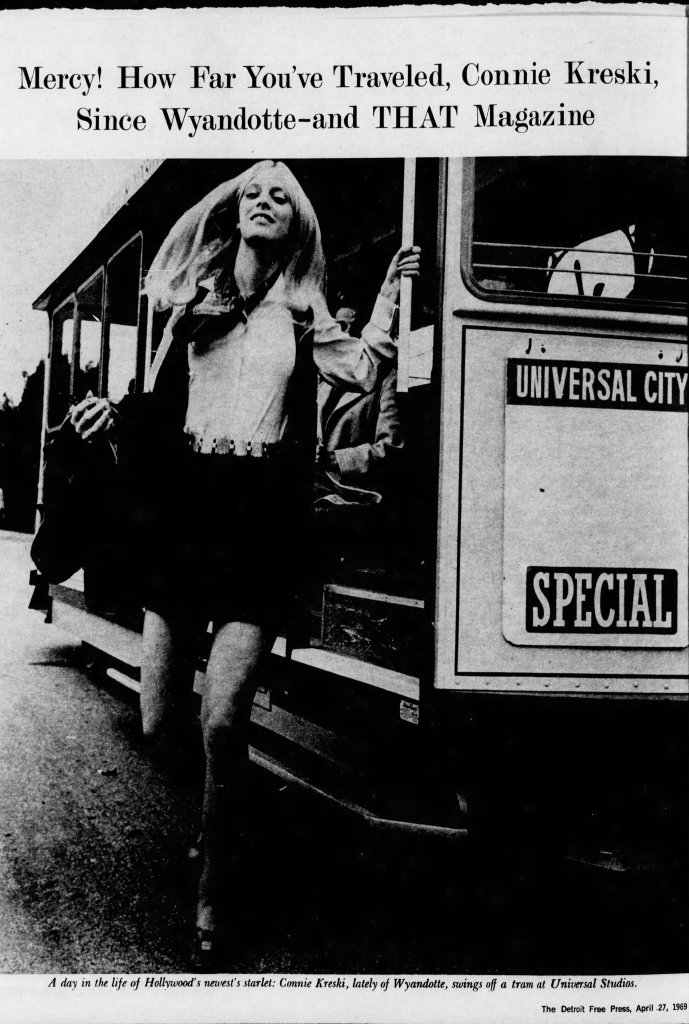
It seems Connie had about 15 minutes of fame as an actress.
She appeared on a memorable 1970 episode of Love American Style starring Kaye Ballard, playing a topless waitress: Love and the V.I.P. Restaurant.
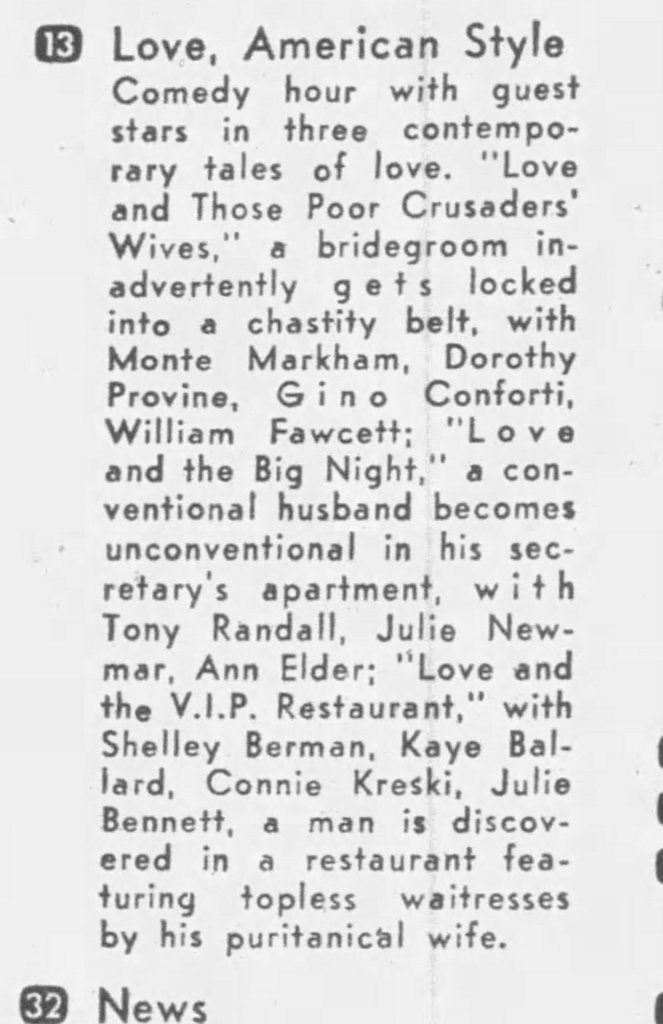
After a few years Connie’s contract with Universal was dropped which merited one sentence in a Hollywood gossip column I read.
Her last credit is a TV mini-series Aspen in 1976. Unavailable.
Boyfriend James CaaN
Connie had a high profile romance with actor James Caan beginning in the early 1970s and lasting around 4 years.
She was identified in Hollywood news articles as his “girlfriend” and “ex-Playmate.”
The two got together soon after Caan’s star making turn in The Godfather; he was much in demand by directors and studios.
And by many beautiful young women, according to several interviews at the time.
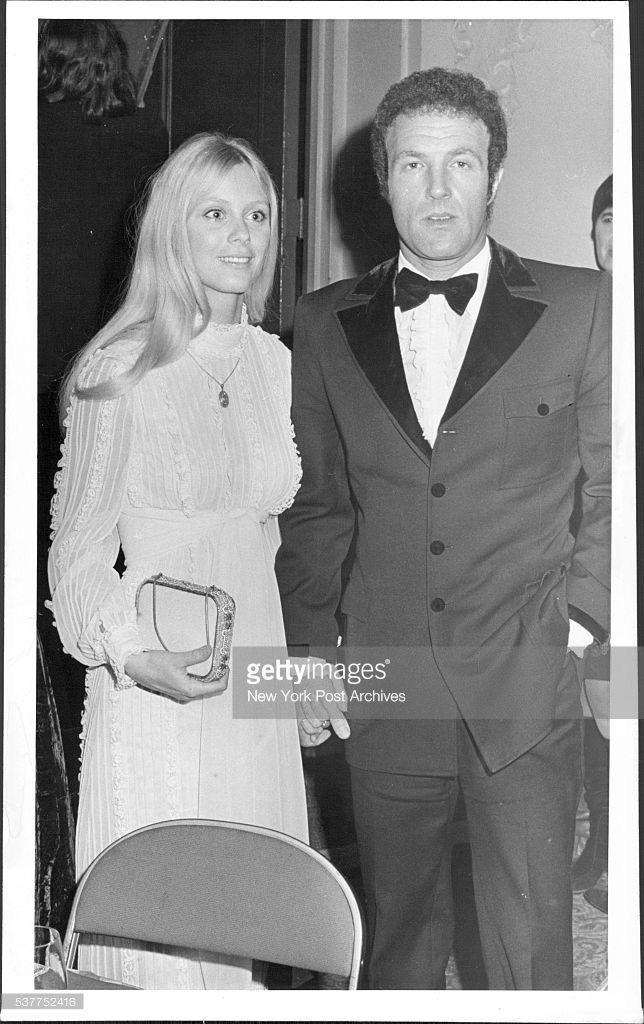
Playboy Mansion regular James Caan speaks about girlfriend Connie Kreski in NY Daily News Oct. 8, 1972
>>>>>>>>>>>>>>>>>>>>>>>>>>>>>!!!!!!!!
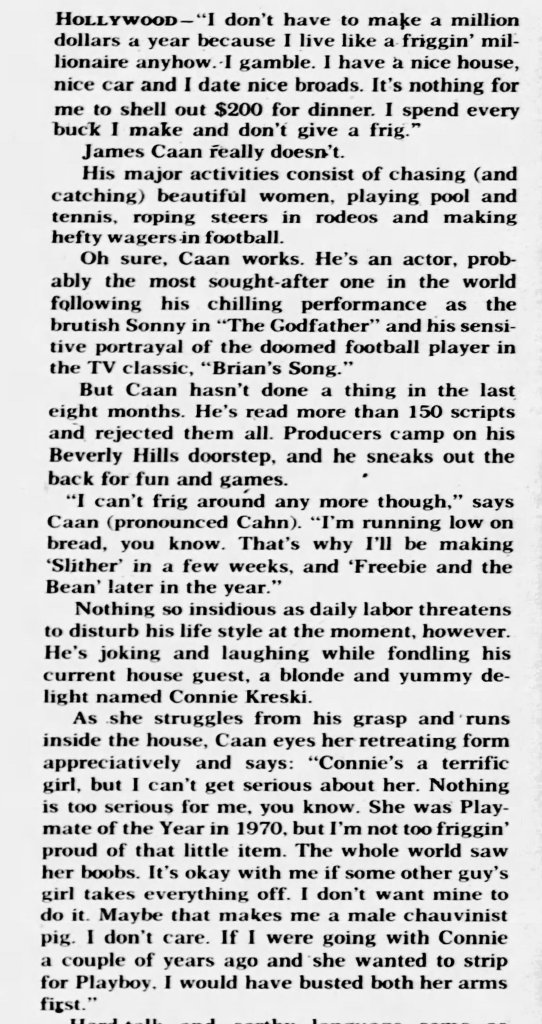
Below image is from 1970s Playboy article on men’s jewelry featuring Caan and girlfriend PMOY Connie.

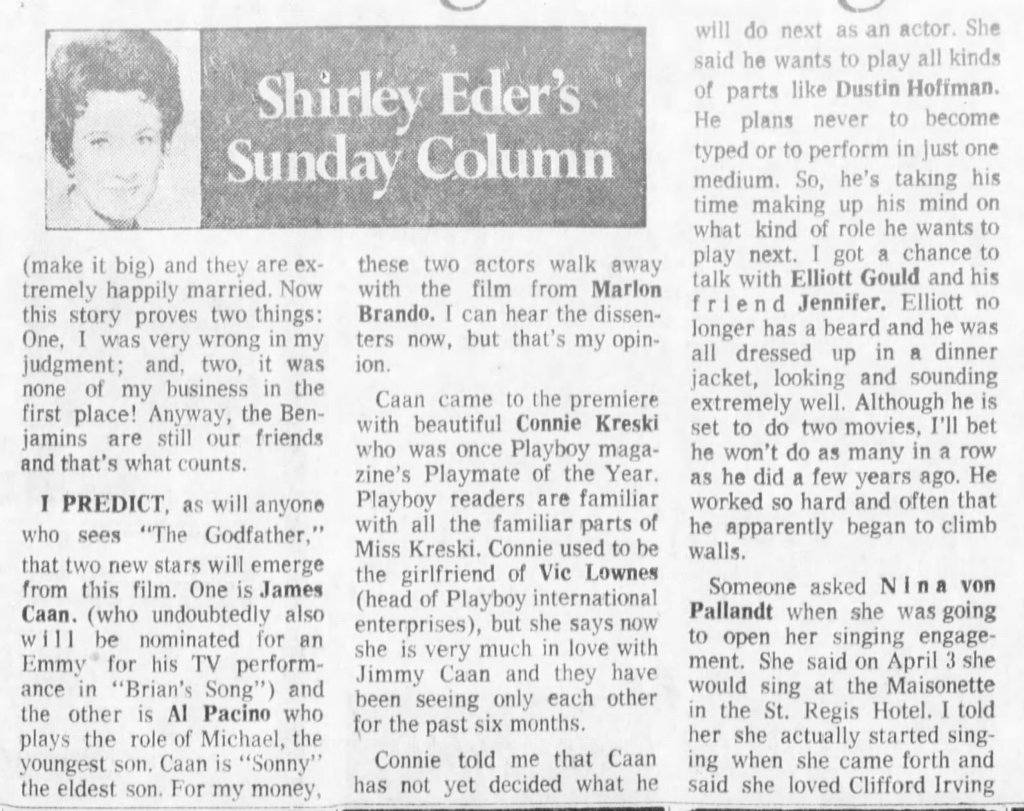
It was determined that Connie Kreski died of cirrhosis of the liver at age 48 in 1995. Laennec’s is a cirrhosis most associated with alcohol abuse over time.
What happened in her life that caused it to end this way at the age of 45?
What happened to her friendships with Hefner and Polanski and that crowd? And James Caan?

Connie Kreski is rarely mentioned in any pop culture forum.
I find that strange, given the people that she was seen hanging out with: Roman Polanski, Sharon Tate, Hugh Hefner, Anthony Newley and James Caan.
Many of these people continue to generate attention and conversation. Some are still alive, many dead.
Most recently, Connie’s ex and Playboy mansion regular and good friend of Hefner, James Caan passed away on July 6, 2022. His death drew numerous accolades and a film festival is in the works.
Unusually, Caan lacks a dedicated biography.
This will likely be forthcoming.
Caan hadn’t been asked about Connie since the 1970s, that I have ever seen.
Like Fellow 1968 Playboy Playmate Paige Young, Connie’s cause of death is incorrectly identified on the internet. It usually says “blocked carotid artery” or “cancer.” Connie’s entry in The Playmate Book, mentions her death in Beverly Hills, 1995, but doesn’t state a cause. I have included closeups of her death certificate.
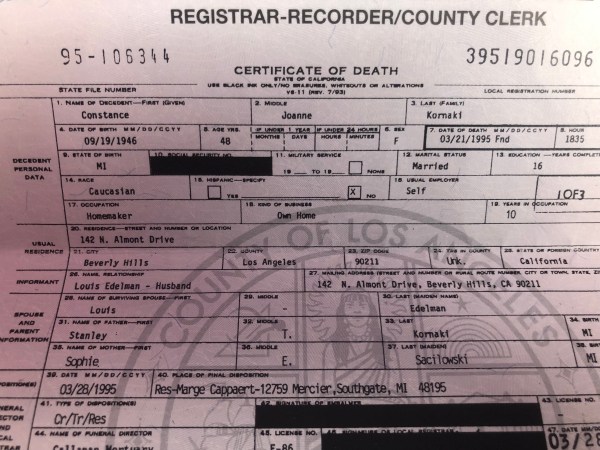
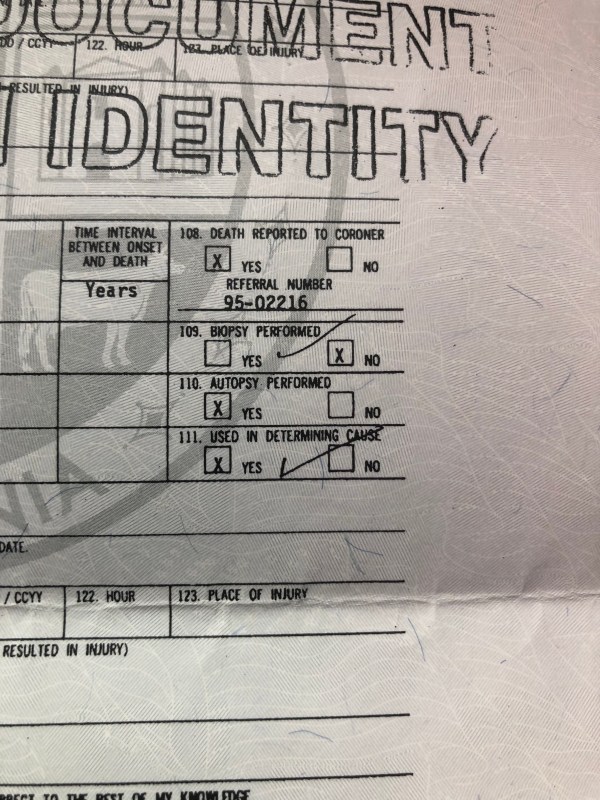
Connie died in March of1995 at the young age of 49. She died before her about 10 years older husband, Louis Edelman.
I had long wondered what happened to Connie so I ordered her death certificate.
And after seeing it, of course I wondered how she had become an alcoholic with all her seeming advantages in life.
Beauty and a budding career in movies and TV and the potential for money.
Cirrhosis of Liver is clearly stated as the cause of Connie’s premature death. Interval between onset and death says years.
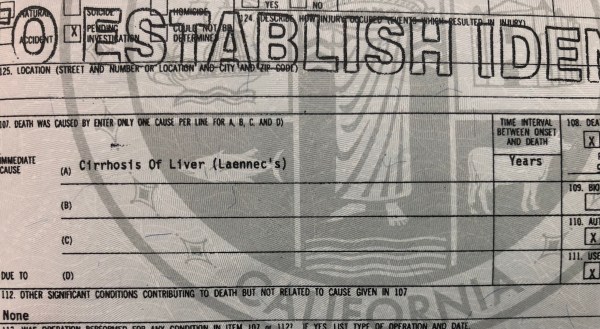
Connie and a man named Louis Edelman were married in New York in 1986 per records seen on ancestry.com.
They set up a marital home in Beverly Hills. Connie was pregnant at the time but unfortunately lost the baby.
I was lucky to get some answers by correspondence with Connie’s stepdaughter Barbara Cooper. Her father was Louis Edelman, husband to Connie.
To sum it up, Barbara told me that Connie was very nice and sweet and wonderful to her step-granddaughter.
However, she seemed to eat very little, often just picking at her food. She also witnessed Connie working out on a treadmill with saran wrap tightly covering her body, in order to promote sweating out extra calories.
Barbara wrote that her Dad would hide liquor bottles from his wife.

Barbara Cooper told me that after the loss, Connie began an obsession with calorie counting and losing weight. On top of that she abused alcohol and her husband Louis felt compelled to hide liquor bottles from his wife.
With those two illnesses, it’s no wonder that Connie died so young and before her older husband.
Barbara’s daughters spent vacations with “Grandpa and Connie in California.” Barbara told me how consistently kind and sweet Connie was to her daughters and to everybody.
She said that Connie did not talk about Playboy, Hefner, any of the Playmates, or her days in Hollywood.
More on Connie Kreski and her brief time in the spotlight

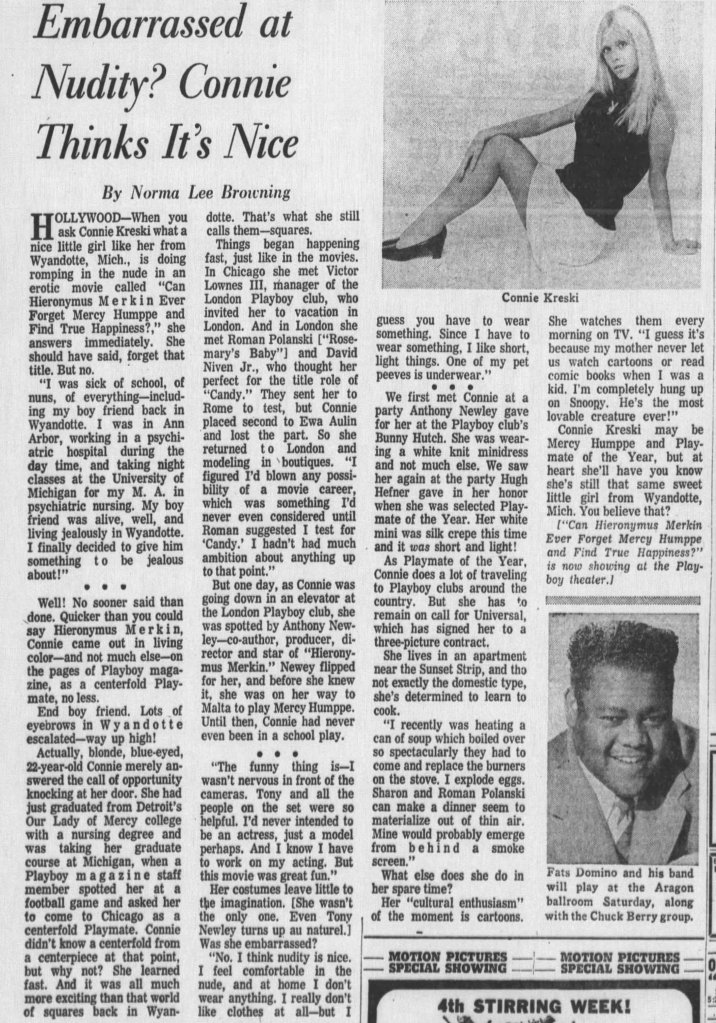
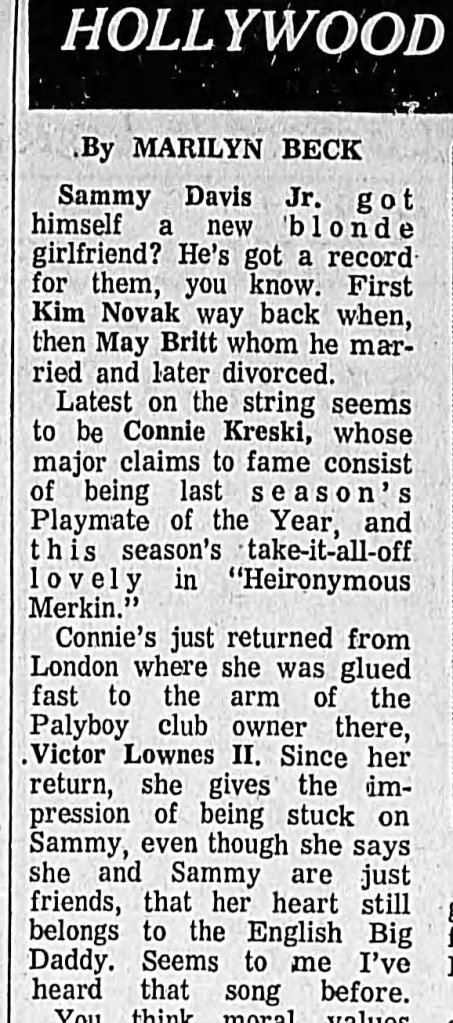
Telegraph Journal New Brunswick. July 10, 1969
Still a couple years away from meeting Marilyn Cole and giving Connie the heave-ho.
Another famous gossip columnist of the era: Marilyn Beck. Here, she dispels any truth to the rumors of a romance with Connie and Sammy Davis Jr.
She was Sammy’s type in that era given the physical qualities of Sammy’s women mentioned here.
I doubt that Victor Lownes remained faithful to Connie. She was in LA working on her new career as an actress.
Connie had a fair amount of press on and off, for about 6 years. Press for projects and Hollywood gossip due to her relationships with Victor Lownes, Roman Polanski (denied as a relationship) and later James Caan.
I’ll be posting several of all kinds.
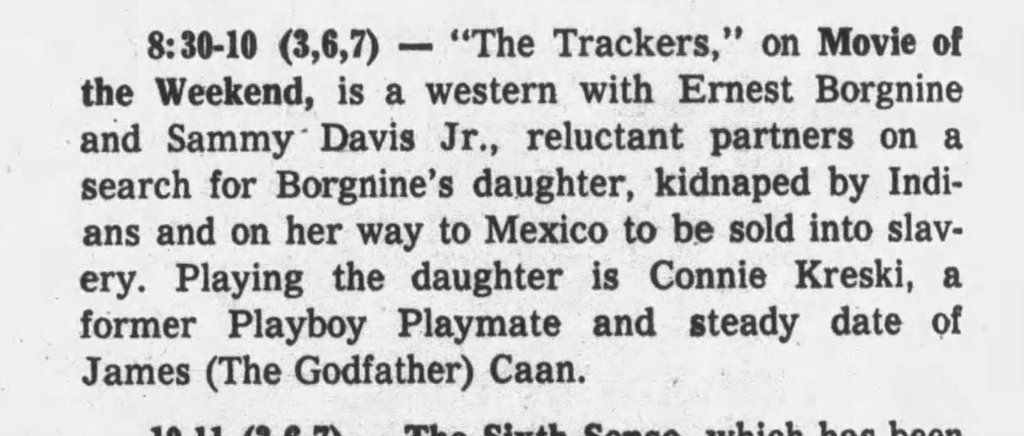

She was wafer thin with proportions of being tall; she could have been a perfect commercial model, if not a high fashion one. There are many fashion shots of Connie that I haven’t yet published.

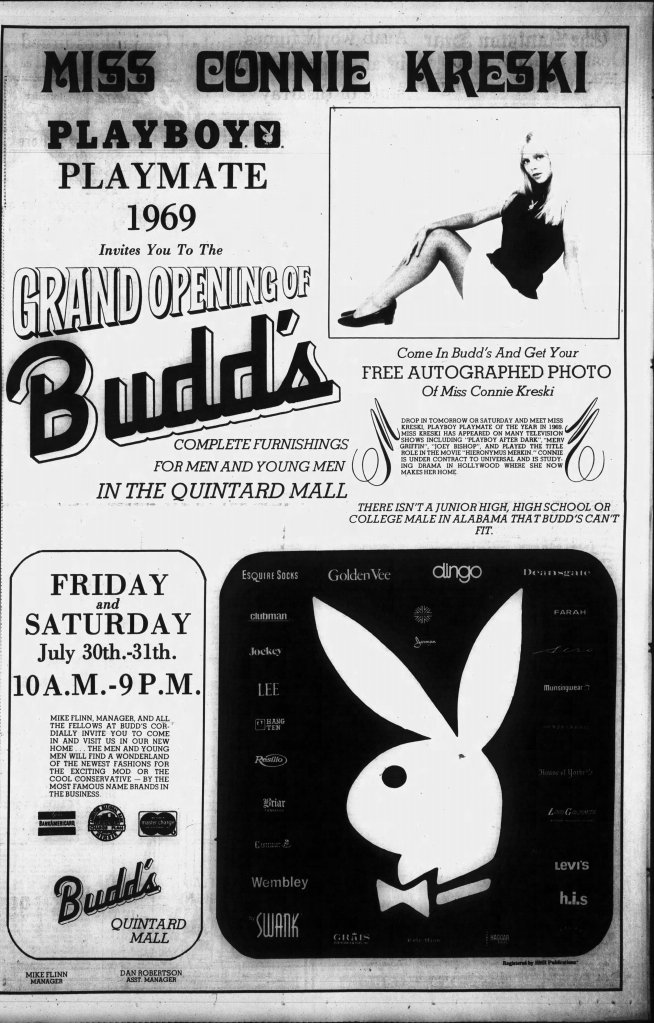

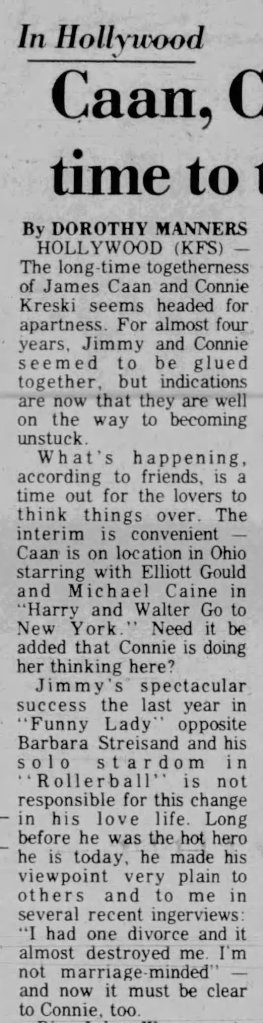
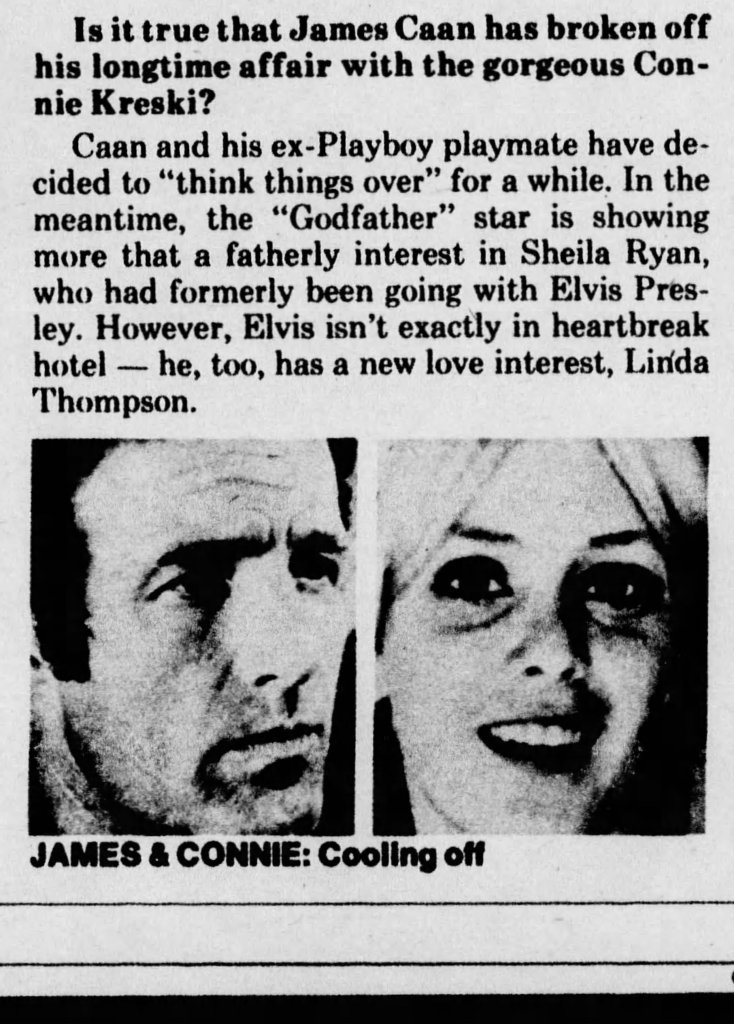
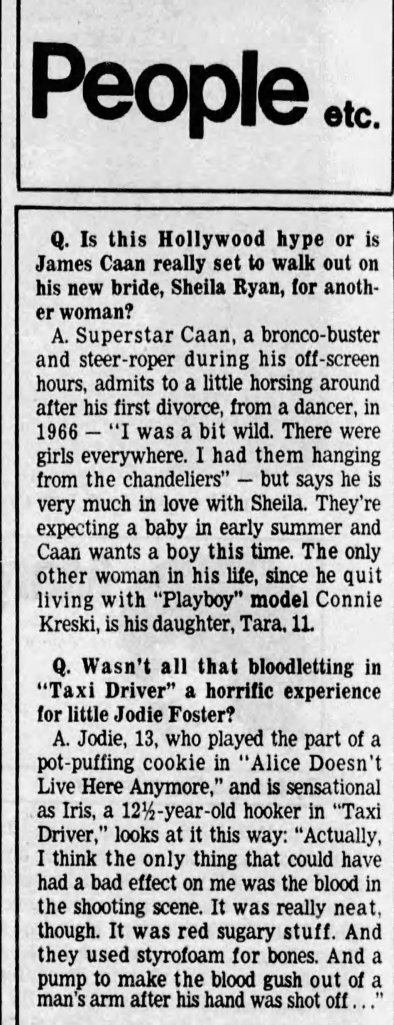
1976. Looks like Connie Kreski was discarded.
Caan and Playboy cover girl Sheila Ryan were married after Caan eschewed marriage to Connie during their time together.
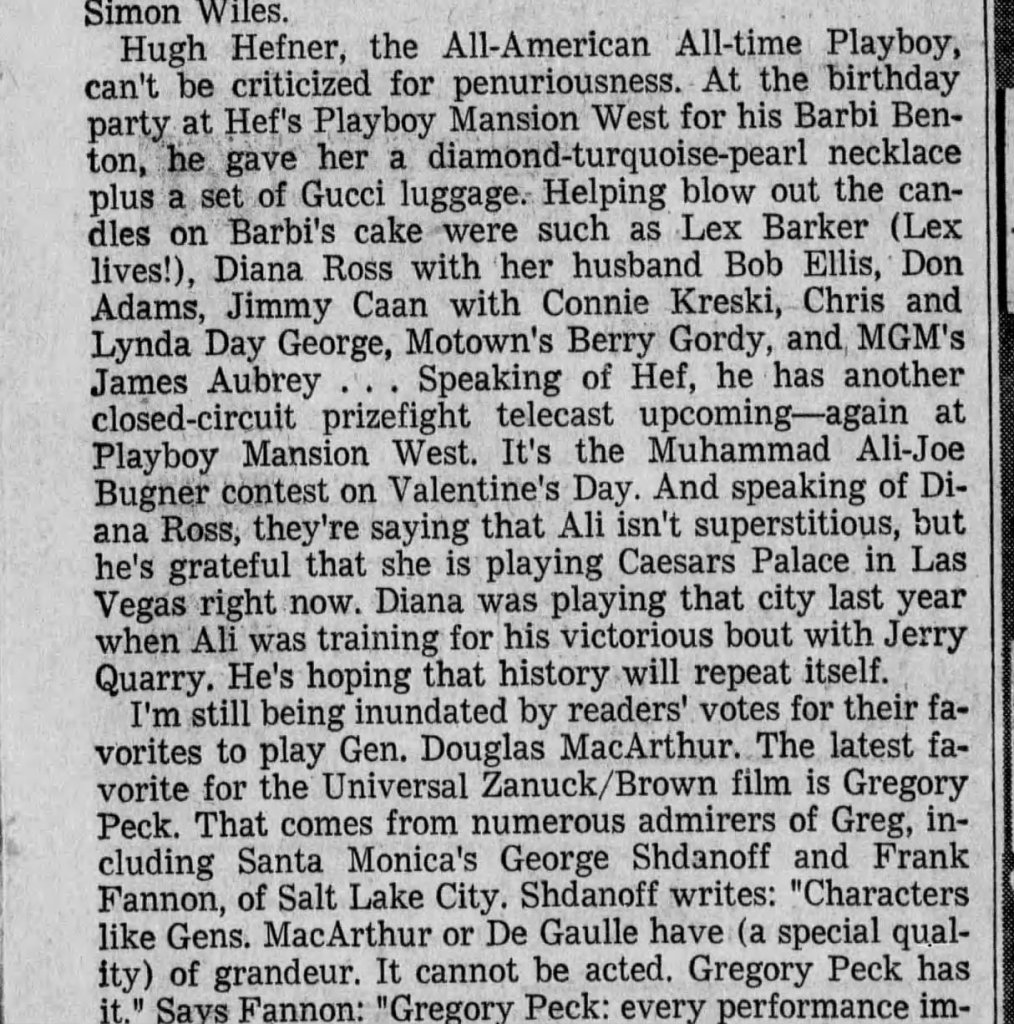
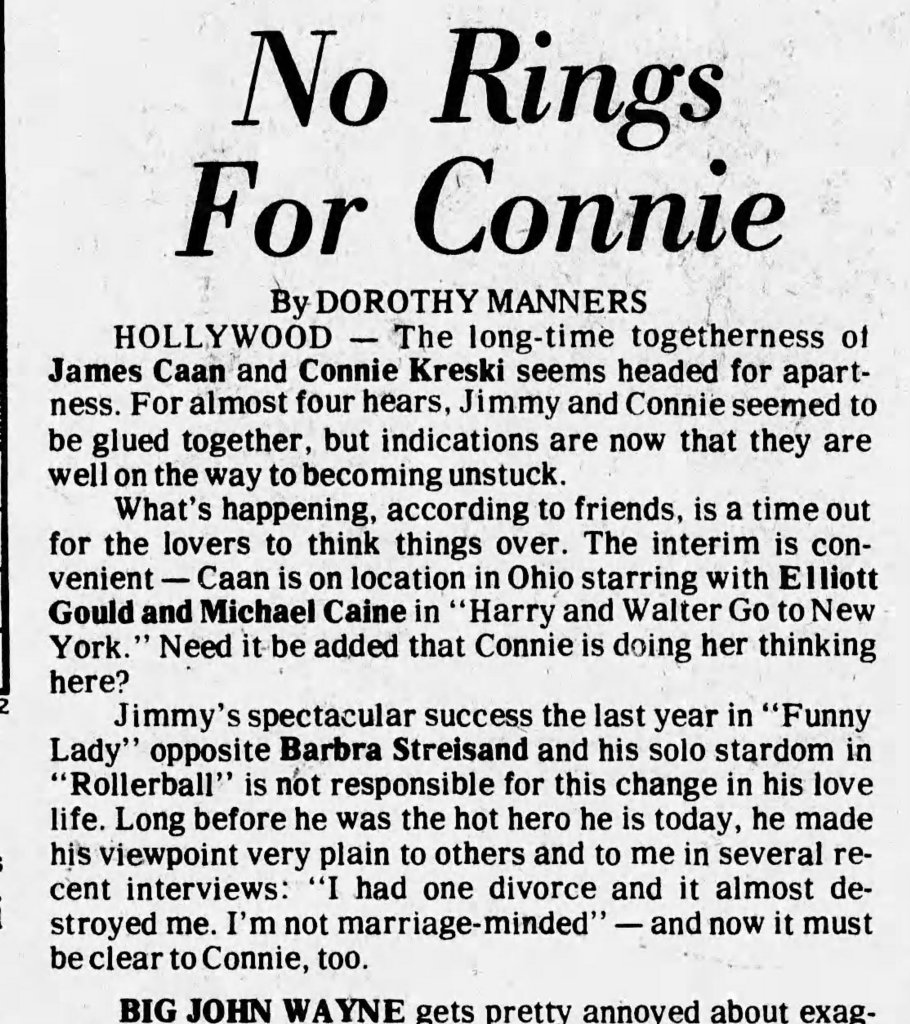
Patriot News 9/12/1975

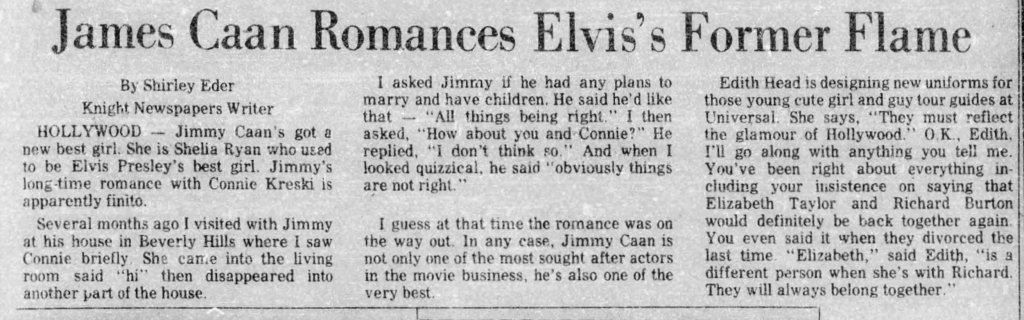
BACK TO 1969
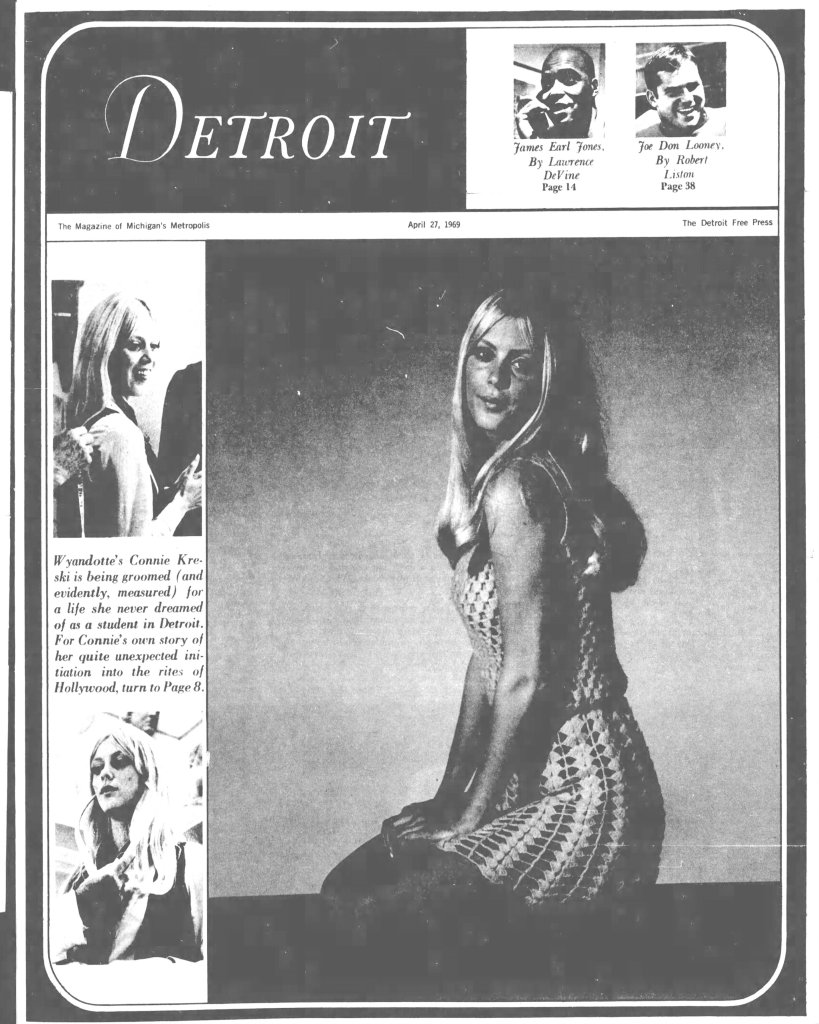


“Miss November 1968” 1969: Most Public Year, Playboy Tour. Queen of the Fleet. Marina del Rey. Playmate LIsa Baker. Jonathan Winters Show. High School Info. Many Images, May take a while to appear Updated 9/2/25 LONG!
Posted on July 12, 2020
1968 November
Paige Young appears as Playboy Magazine’s Playmate of the Month.

This year, the media was focused on the increasingly unpopular Vietnam war. Unpopular, especially among college and university students who demonstrated against the war both in the streets and on campus. It was a nation-wide phenomenon reported on the nightly news and read about in daily newspapers and magazines like Life.
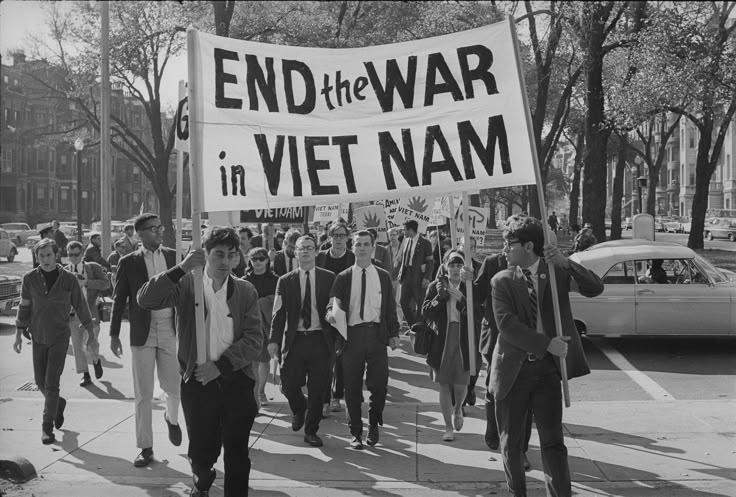
Issues of Playboy magazine were donated to the troops in Vietnam, including the November 1968 issue featuring Paige Young.
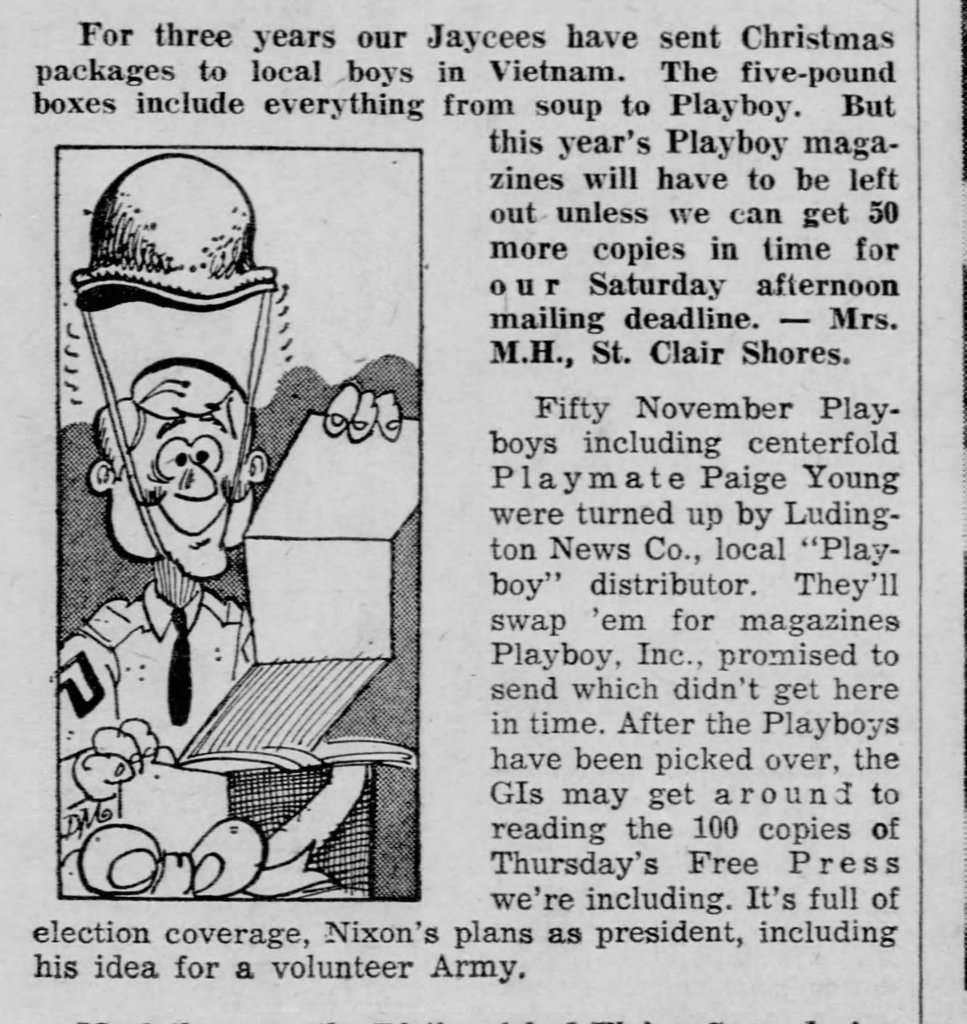
2 history altering assassinations occurred earlier in 1968.
April 4th
Nobel Peace Prize winner Martin Luther King Jr. in Memphis, at the Lorraine Motel.
This atrocious act was followed by days of racial rioting, resulting in at least 40 deaths nationwide.
I remember when it happened.
I was in 1st grade and living in El Paso, Texas.
I recall the American flag at my elementary school lowered to half-mast.
When I asked why, someone said “Martin Luther King was killed.”
Image from National Civil Rights Museum, Memphis, showing the wreath placed in front of the room where Dr. King was staying at the Lorraine Motel.
King was assassinated by James Earl Ray while on the balcony outside this room.
Martin Luther King Jr. was in Memphis on April 4, 1968, to support striking African-American sanitation workers who were protesting low pay, poor working conditions, and lack of recognition. From google AI.

June 6
Presumptive Democratic Nominee for President, Robert F. Kennedy was assassinated in Los Angeles at the world famous Ambassador Hotel. Specifically, the Embassy Room, after his campaign speech.
The assassin was Sirhan Sirhan from nearby Pasadena.
I remember watching the TV coverage of the RFK funeral and seeing my mother cry over the young ages of the pall bearers. (Still in El Paso)
Recently I learned that 14-year old RFK Jr. was the youngest pall bearer for his father.

When the globally famous Cocoanut Grove Nightclub on the grounds, the hotel was connected with Hollywood glamour.
It’s where the stars dined, danced, drank and often performed.
All the major singing legends have performed there.: Garland, Streisand, Crosby, Darin, Sinatra, Sammy, Liza.

“where stars of the motion picture world mingle with Southern California’s smart set nightly.”
This is another in my post card collection.
It looks like a high school prom couple
1955 hollywoodhistoricphotos.com
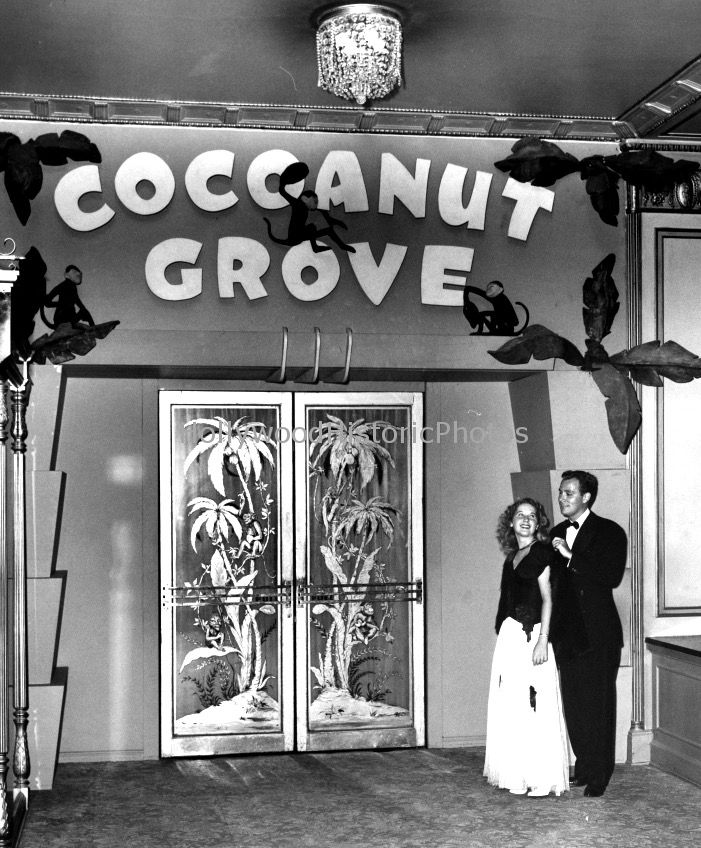
1968-69 continued
This title of Playmate will be Paige Young’s primary “claim to fame” in mass media popular culture.
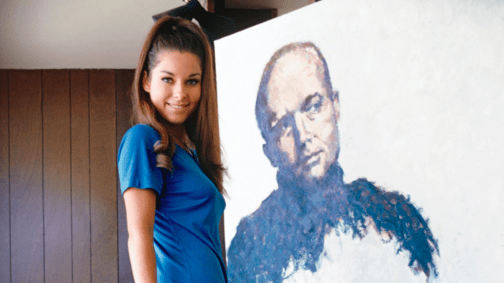
1964/65 was the time Paige moved to Malibu beach at age 20-21. She met Sample around this time.
See Chapters on Richard Sample.
The description in the November 1968 issue of Playboy magazine, says Paige Young is a full-time painter. Paige admits to the financial difficulty of this effort but she loves the fact that “my time is my own.”
Paige lives in Malibu, enjoys scuba diving, gourmet cooking and loves to host beach cookouts for friends. She can often be seen running on the beach with her Weimaraner named Joshua.
Paige hates the “9-5 doldrums,” and “working for an impersonal corporation.” (As Playboy turned out to be.)
Promo published in newspapers November 1968.
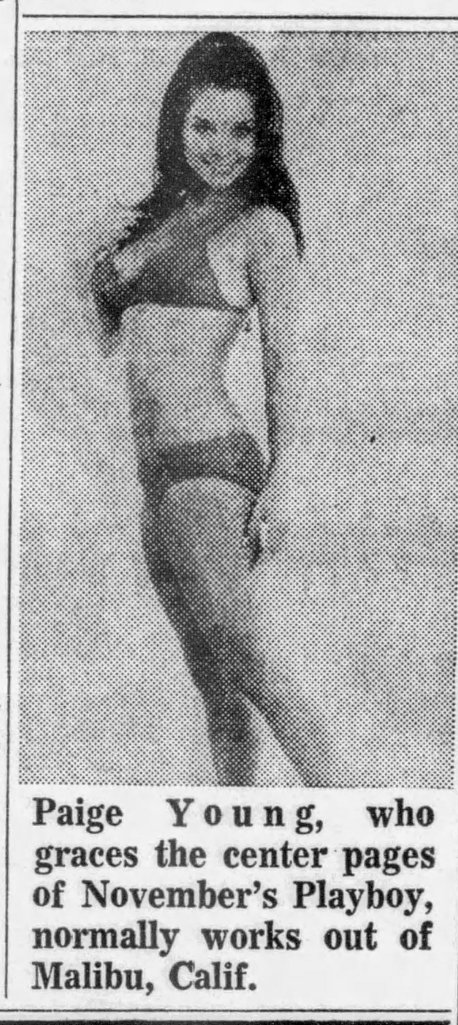
Peter and Alice Gowland were the photographers behind Paige’s Playmate photographs. The married couple with two daughters lived in Santa Monica. They were responsible for several Playmate features for Playboy in the 1950s and 1960s.
The Gowlands also contributed to many of the Playboy copycat “Bachelor” magazines of the 1950s and early 1960s. (See my chapter on The Gowlands and pinups of the 1950s.)

Image taken on Peter Gowland’s property, a rural looking setting with a home studio built by Peter, where he photographed 100s of models over at least 4 decades.
The Gowlands’ product was photographs of young, pretty, shapely and mostly white women.
They did use several Black models beginning in the late 1960s.
These images were sold to various magazines, calendar companies, and photo agencies.
Also sold to publishing houses for book covers, record albums, and mainstream ads.
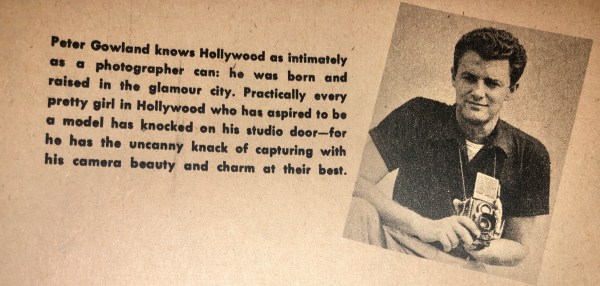
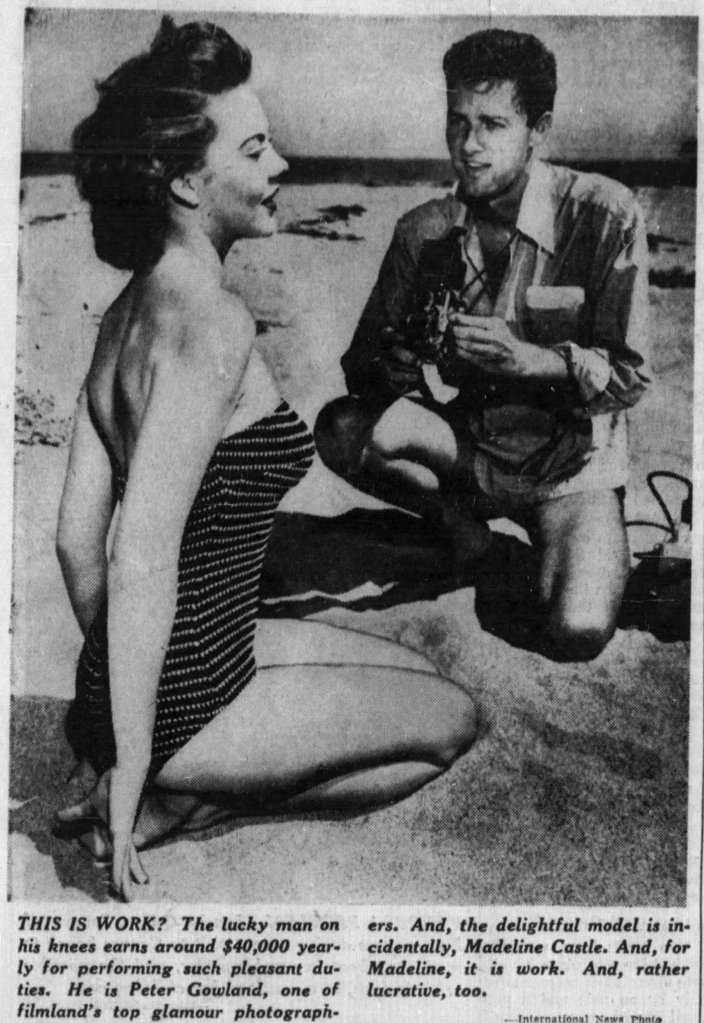
“Pinup” images were published in print media.
Along with beauty contests, they became a trope or an archetype in mass media culture during WW 2. “Pinup” became mainstream in media publishing during and after the war.
Peter and Alice Gowland were part of a group of mostly male photographers based in the Los Angeles area.
Their published images of the Southern California beach girl, often an aspiring starlet, were exported to the world.
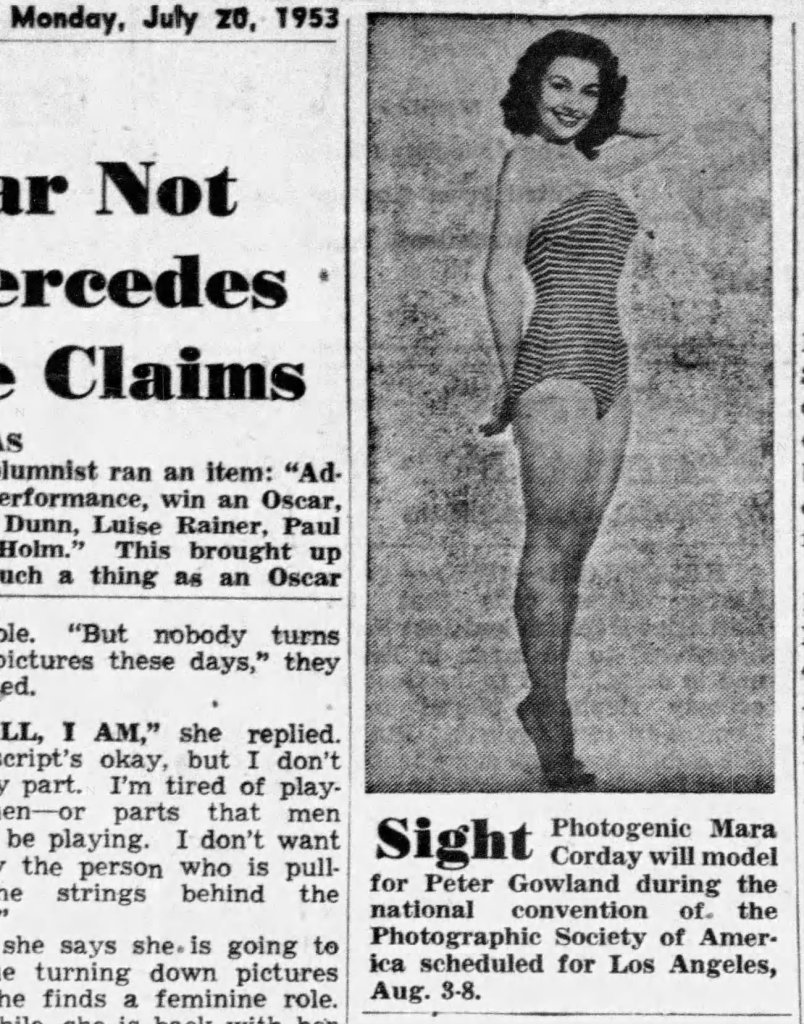
Solana-Napa News Chronicle.
1969
Maybe you already know that Paige Young’s other claim to fame is appearing on internet lists. These lists feature articles about Playboy Playmates who tragically died before their time. (See “About” page.)
is clearly Paige’s most documented year.
I read many newspaper articles from the US, Canada and Japan.
From the articles, I learned that Paige traveled widely this year working as a paid ambassador for Playboy Magazine in local Media around the country..
These nation wide tours presented an opportunity for the Playmates to get paid for traveling, representing and promoting Playboy the Brand as well as their own centerfold issue.
Paige appeared at TV stations carrying “Playboy After Dark,” a Hugh Hefner hosted TV show that ran from 1968 – 1970.
She signed autographs at music festivals, car and snowmobile shows..
What follows are several articles I found from 1968 and 1969 on a newspaper archive website.
Take the time to read the articles, if you want a little insight into the person self-named Paige Young.
At least read the first 4 paragraphs to give you a general idea.
I apologize for the quality of some, it’s hit or miss with these newsprint archives.
It’s a fascinating time capsule when newspapers were a major source of News. Some papers published a morning and an evening edition.
It was a time when a recently published Playboy Playmate appearing at an event in the US was newsworthy. It was significant enough to be covered by local media.
As you will see.
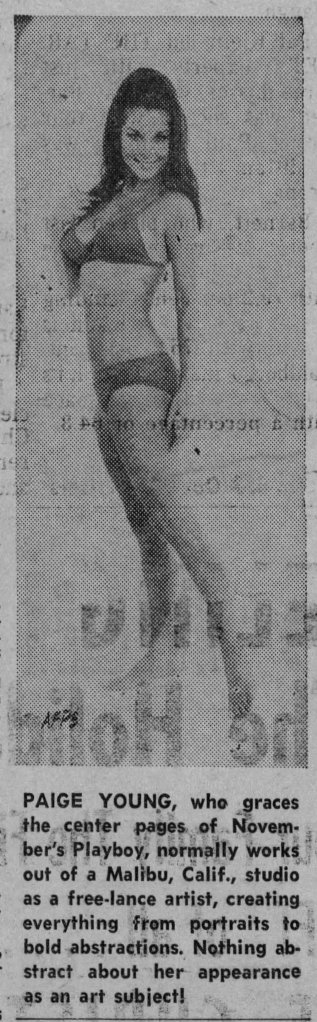
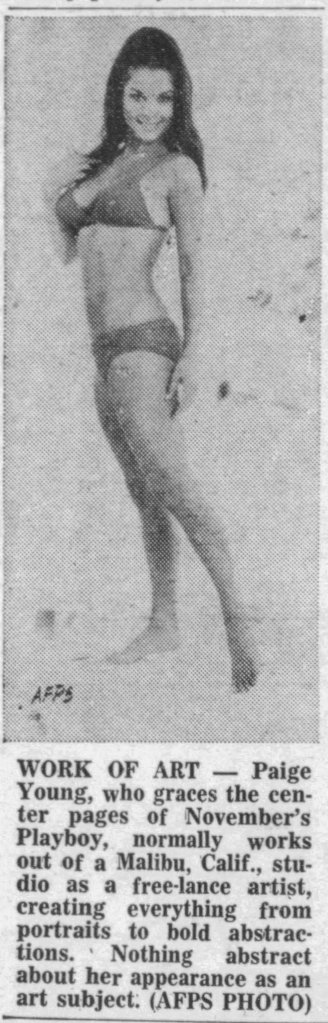
Paige gives a several contradictory answers (as you will see) to journalists on the topic of weight gain/loss for centerfold approval.
But most answers I’ve confirmed as truthful and correct.
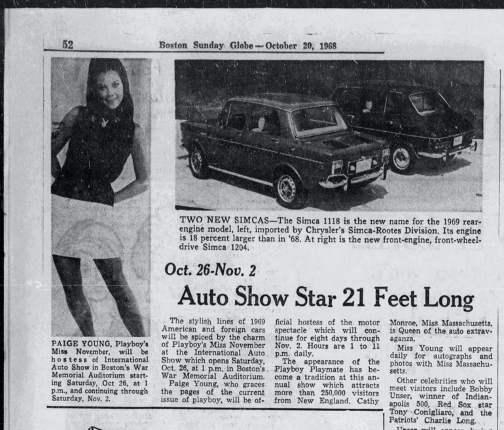
A trip to the Boston Auto Show was likely the first stop of the tour: Oct. 26-Nov. 2, 1968.


Paige was the Playmate of the current issue of Playboy during this event.
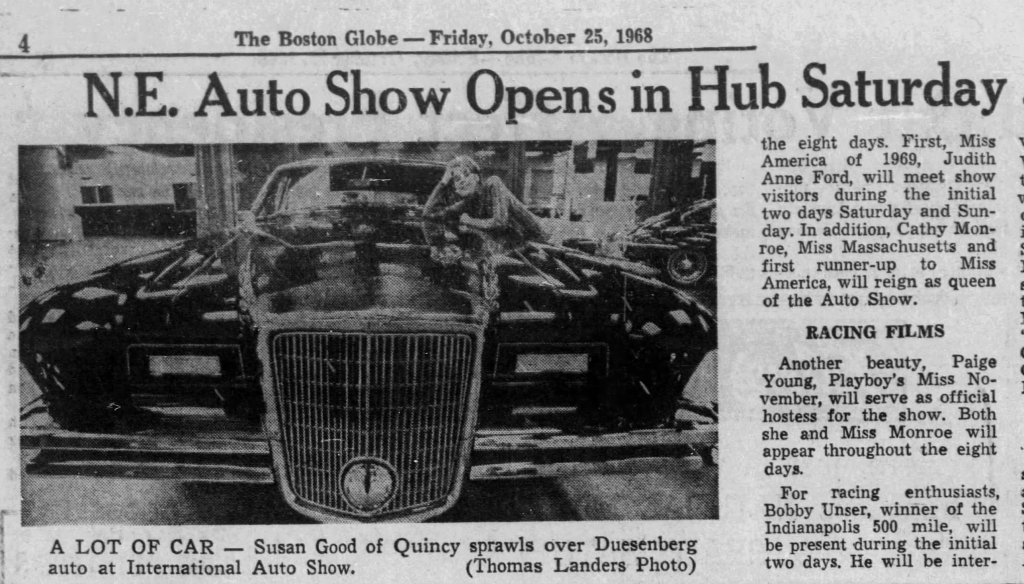


Paragraph 7: Paige says she had to gain weight for the centerfold pictures. Keep this in mind.
Daniel contacted me to share this memory of visiting the Boston Auto Show.
I vividly remember Paige,
My friend had dared me to ask her to sign the centerfold, but she politely demurred and signed the first page of her pictorial which was a headshot. She also gave me an autographed photo. Unfortunately, my grandmother was horrified and it was all confiscated and thrown away.I told her that I admired her portrait of Truman Capote and she immediately brightened. She said art was what she “really wanted to do.”
I would love to find paintings by her to buy. But I imagine that not many survived.
“I met Paige when I was 14. She was signing autographs at the Boston car show in late 1968. We talked about art. She was intelligent, beautiful, and kind. I’m looking to find original art by her as I think she was a great artist who was hobbled by her beauty. “
Feedback left by a reader Daniel
Daniel- Thank you for sharing your memory of the Boston Auto Show with Paige, it’s very much appreciated!

1969
On the personal front
Paige continued to battle ex-husband Mark F. Segal.
He had yet to pay for 5 of the 6 months of alimony he owed her. He also owed lawyers fees to Marvin M. Mitchelson. Segal had made one payment to each in 1964 and that was it. (See related chapters.)
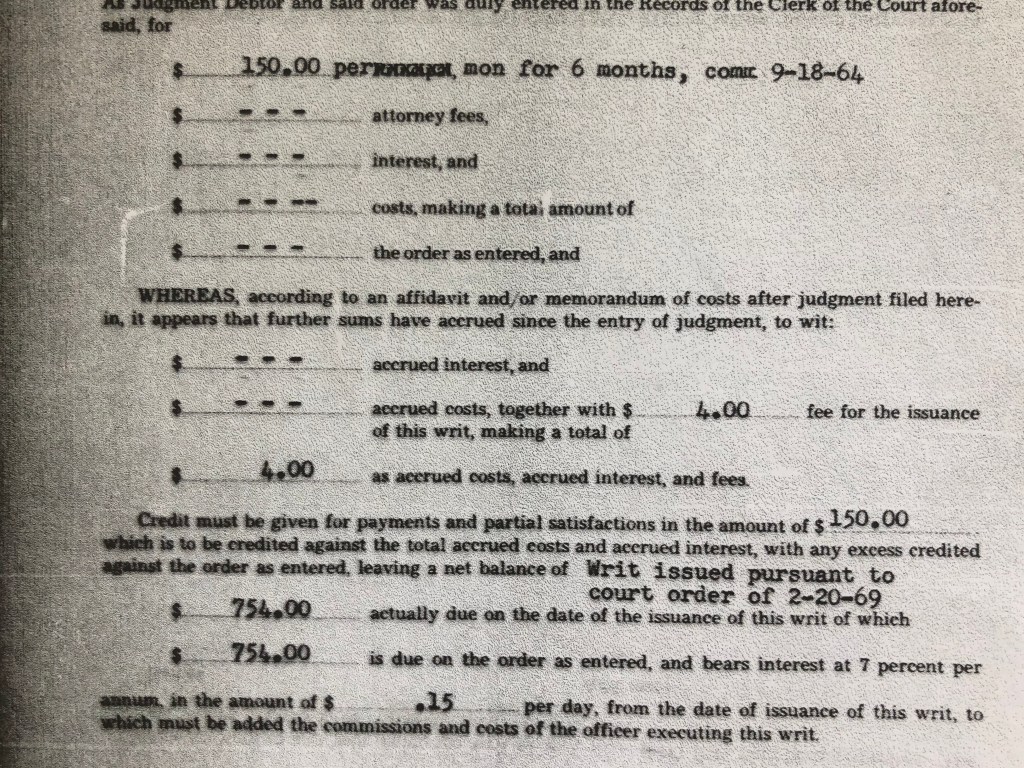
By now Paige’s law firm was Silverton, Ruderman and Graf of Studio City, not Marvin M. Mitchelson as when she filed for divorce.
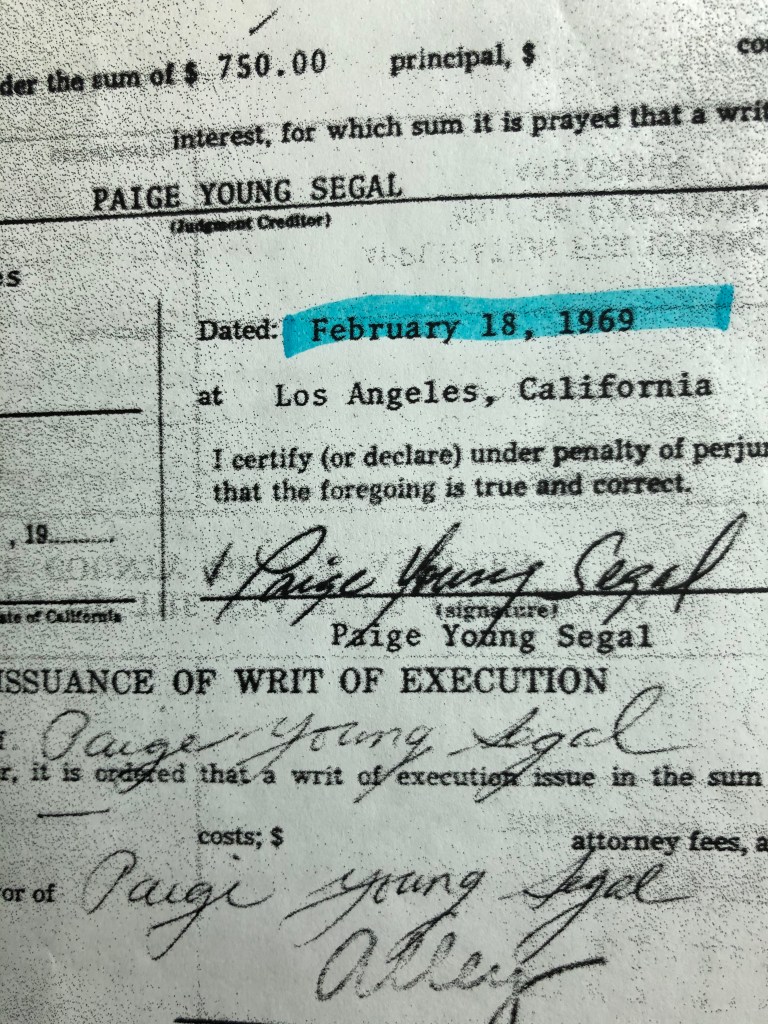
Paige visits NYC in June of 1969

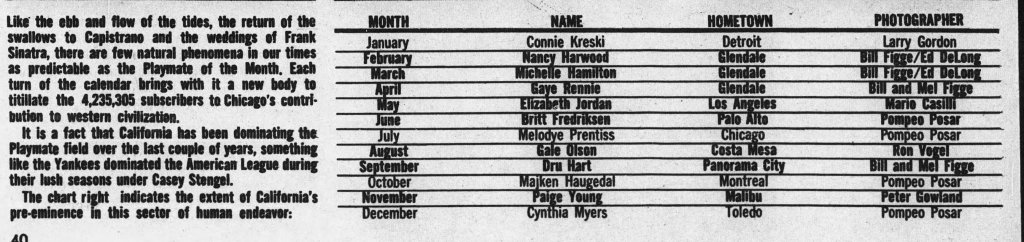

On the Vintage Los Angeles Instagram page I asked and was answered, “the Joe Franklin TV shows from 1969 were not saved.” So there is no record of the interview.
Also, there is another reference to weight compatibility and photos for Playboy. Here, she says it took 2 1/2 years for the Playmate photos, because of weight gain. In contrast to the interviews above. Paige talks about how easily she gains weight and has been “dieting for weeks.”
Queen of the Fleet is mentioned. More on that coming up.


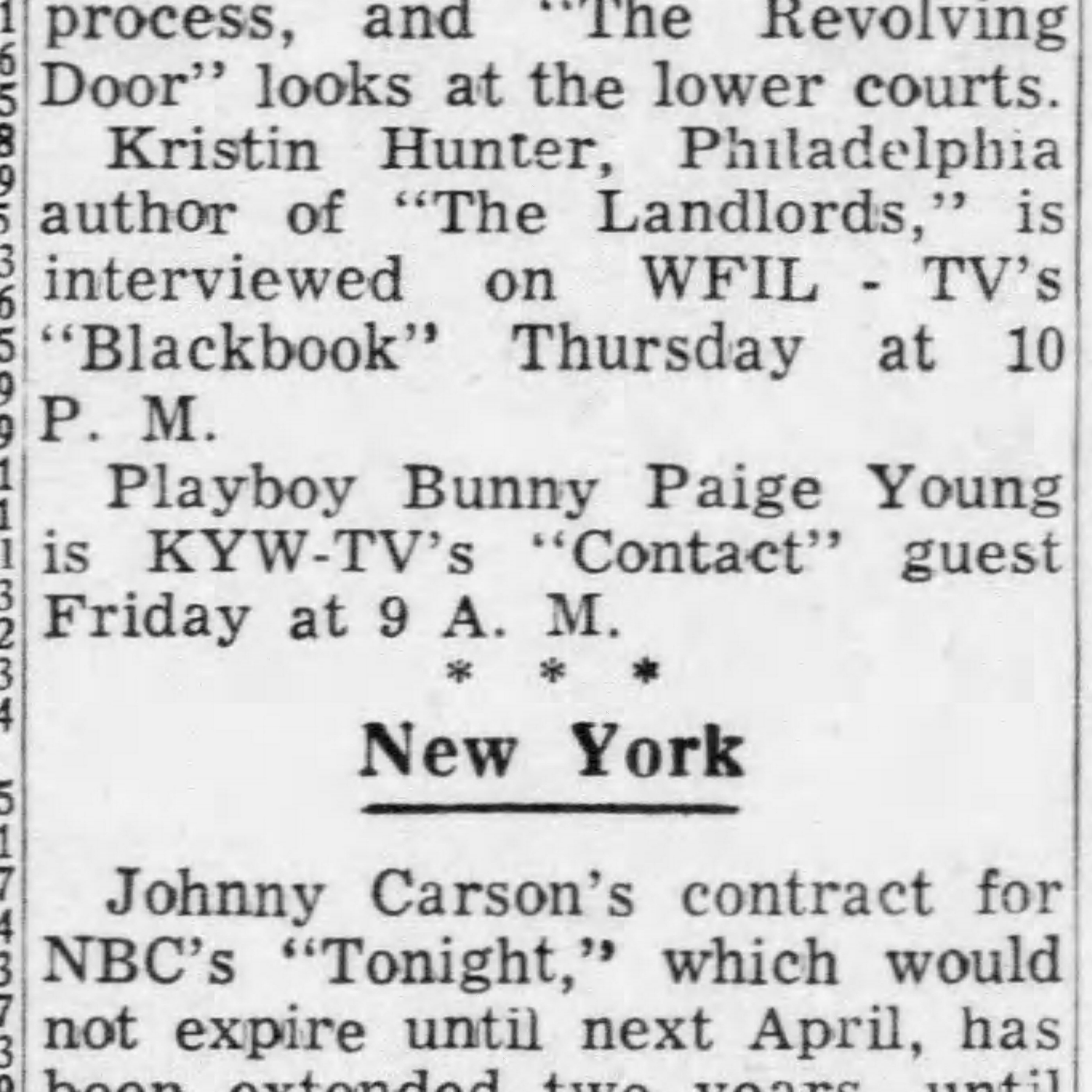
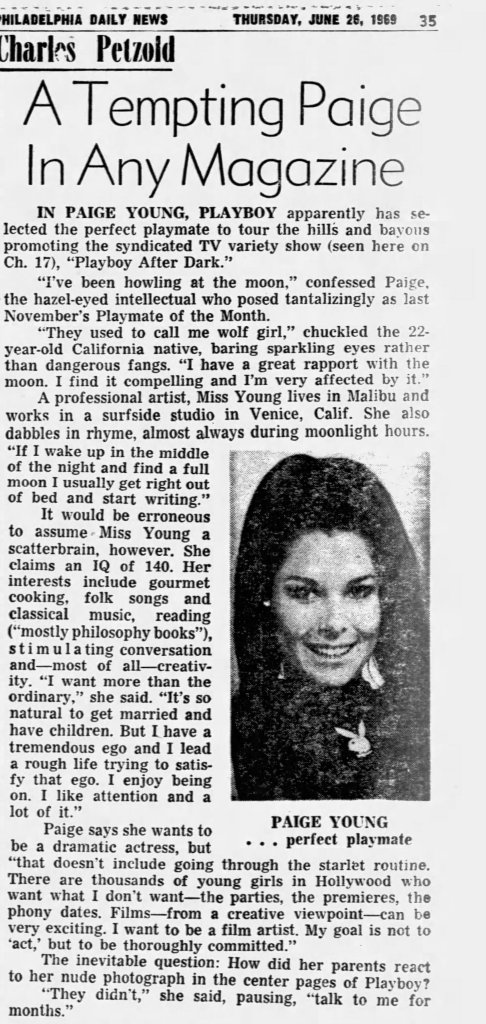

Bob Sanders states Paige had not appeared on the Playboy After Dark TV show after “having been asked and politely turning it down.”
Several newspaper articles in 1969 state Paige was an extra on Jonathan Winters Show. She may also have had a small part on Playboy After Dark as decoration. I’ve yet to see an episode of Playboy After Dark that shows Paige Young. I’ve never found any TV or movie credit for Paige Young. She is not in any imdb listings.
Minneapolis cont.
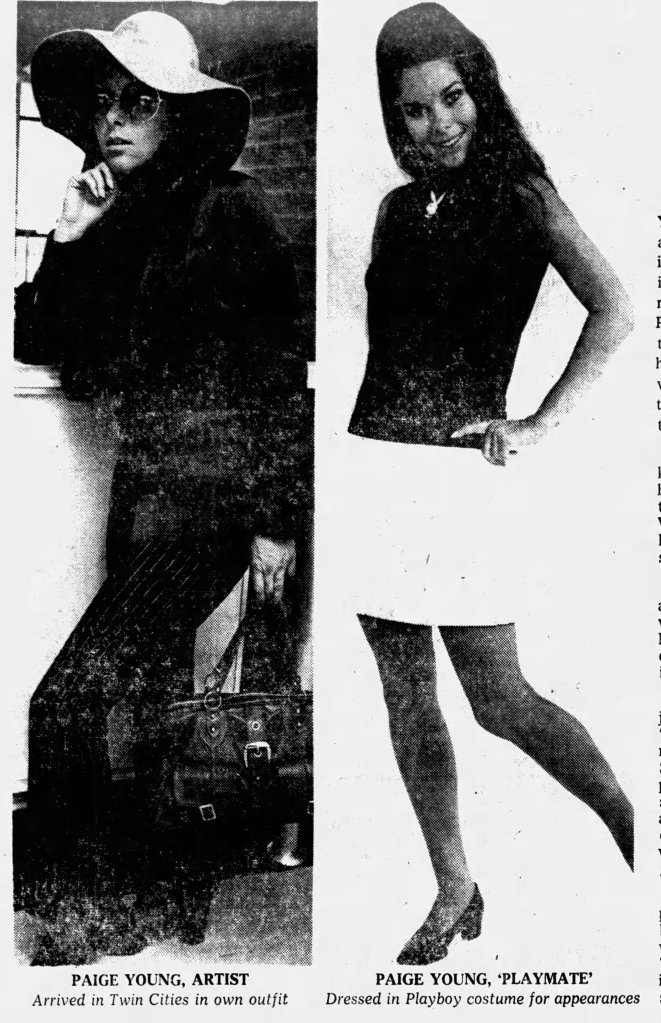
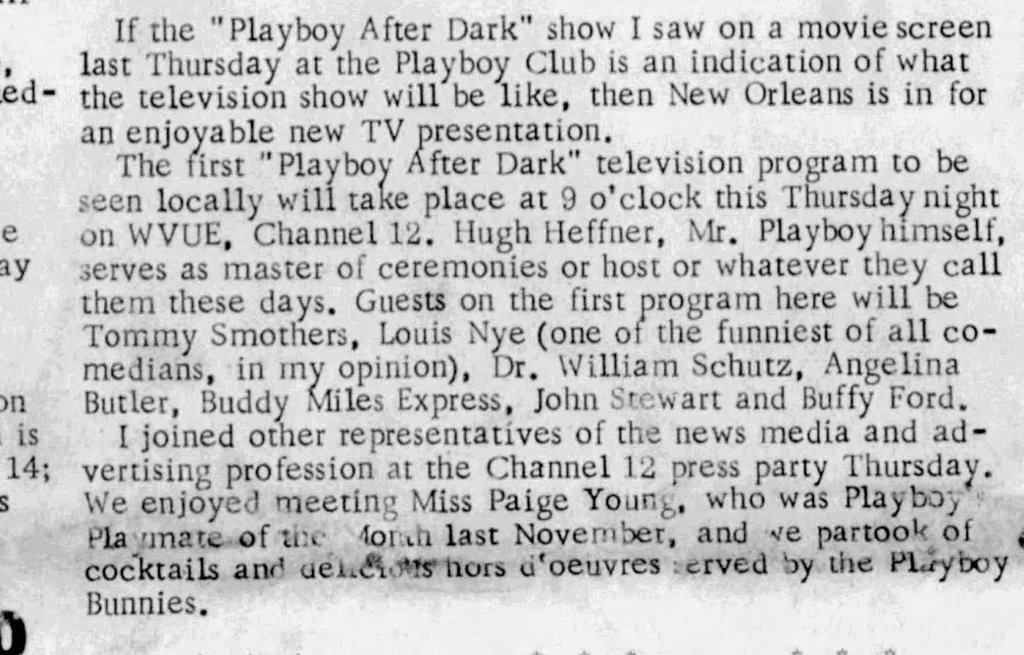
Lake Havasu City, Arizona
1969 continued
March and April primarily, images of Paige Young wearing a polka dot bikini appeared in dozens of USA newspapers.
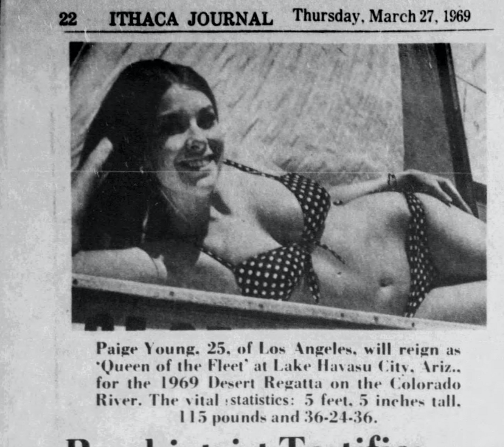
Paige was named “Queen of the Fleet” for the first annual Desert Sailboat Regatta. The event was to take place in the fairly new city of Lake Havasu City, Arizona. (LHC)
Some context is important, so briefly...
“Lake Havasu City is in western Arizona. It’s known as a base for trails in the nearby desert and water sports on Lake Havasu. London Bridge, relocated from England, links the mainland to marinas and a looped path in an area known as the Island.”
wikipedia definition
Lake Havasu City, Arizona was established in 1963 after businessman Robert McCulloch purchased the land in 1958.
McCulloch bought a London Bridge in 1968 when the City of London placed it for auction. He had an idea that it might be a successful lure for tourists and potential home buyers including retirees.
McCulloch bought 100s of ads in different newspapers across the US. From LA to Davenport, he promoted a vacation to Lake Havasu City.
He also advertised it as a land investment.
Just two examples below.

LHC placed the London Bridge about 1 year after Paige appeared as “Queen of the Fleet.” McCulloch was advertising it way before.
Queen Paige Young and the Regatta Sailing event were designed by McColloch to advertise the marvelous boating and water recreation activities available in LHC.
And hopefully you will enjoy yourself so much you will want to live in there year round!

Media Blitz!
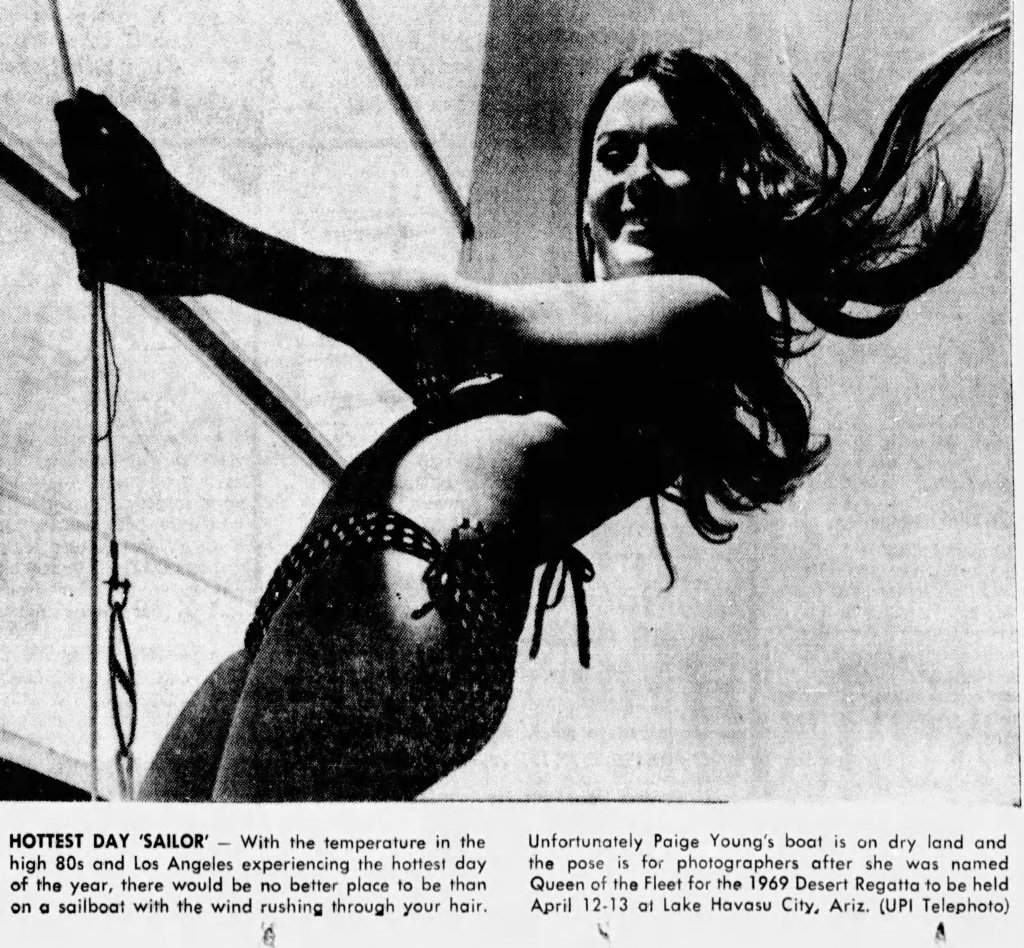
Santa Ana Register Mar. 27, 1969


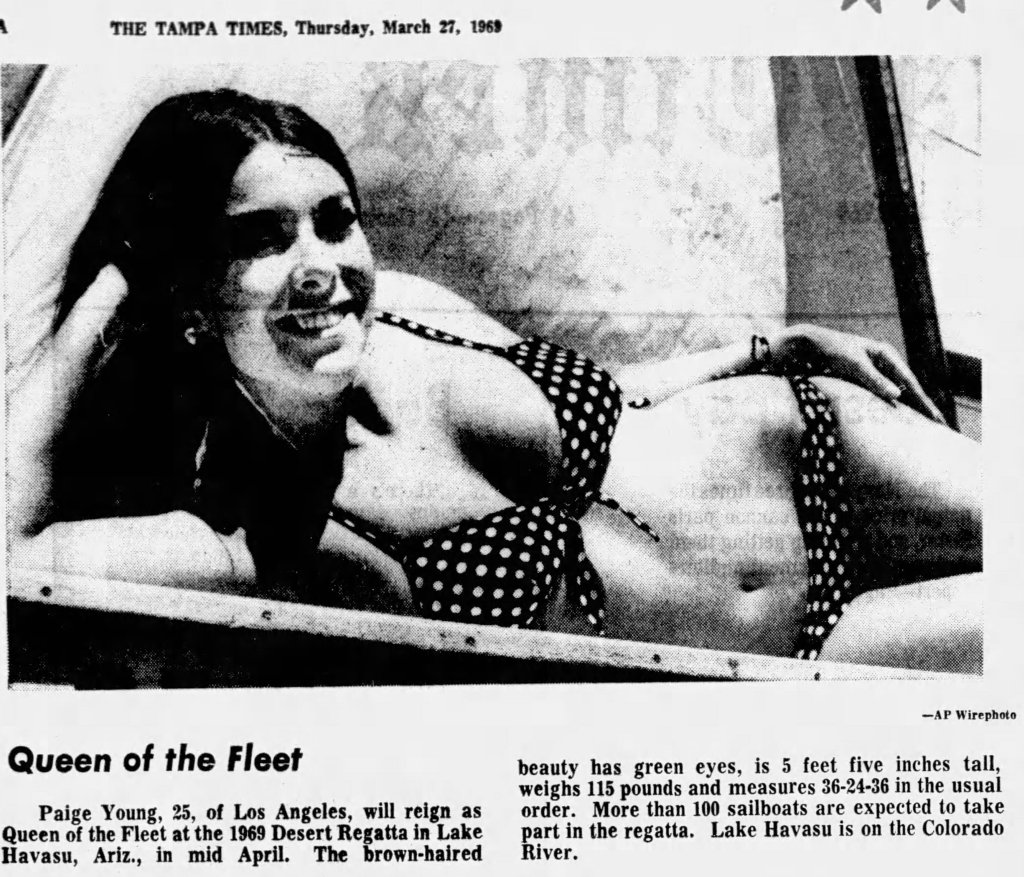
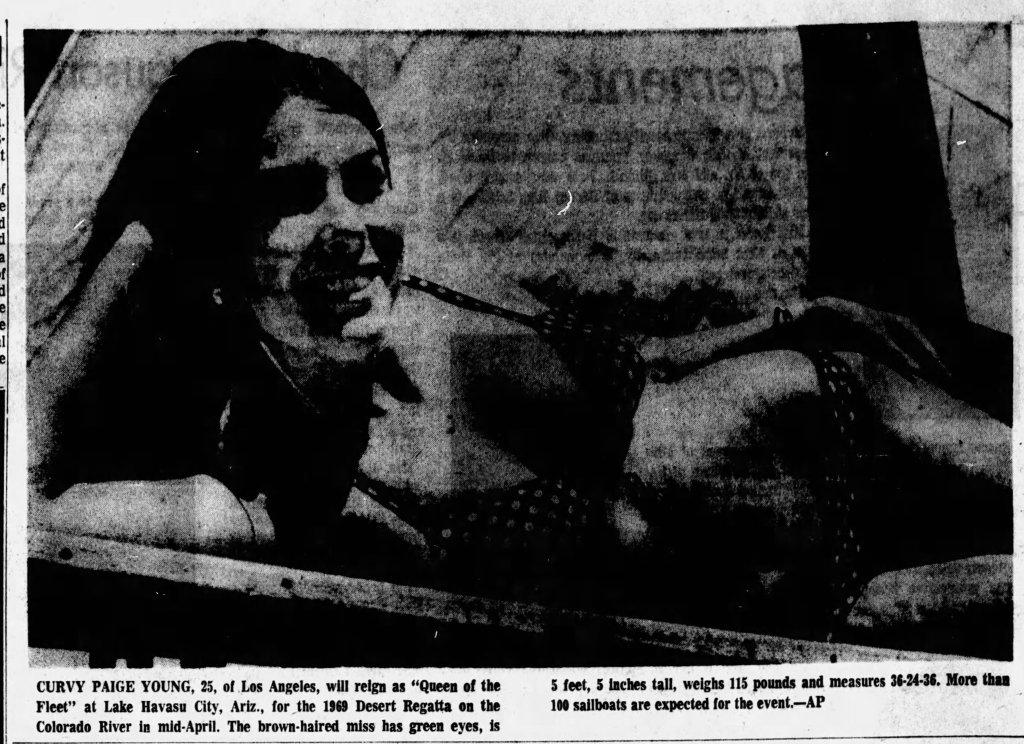

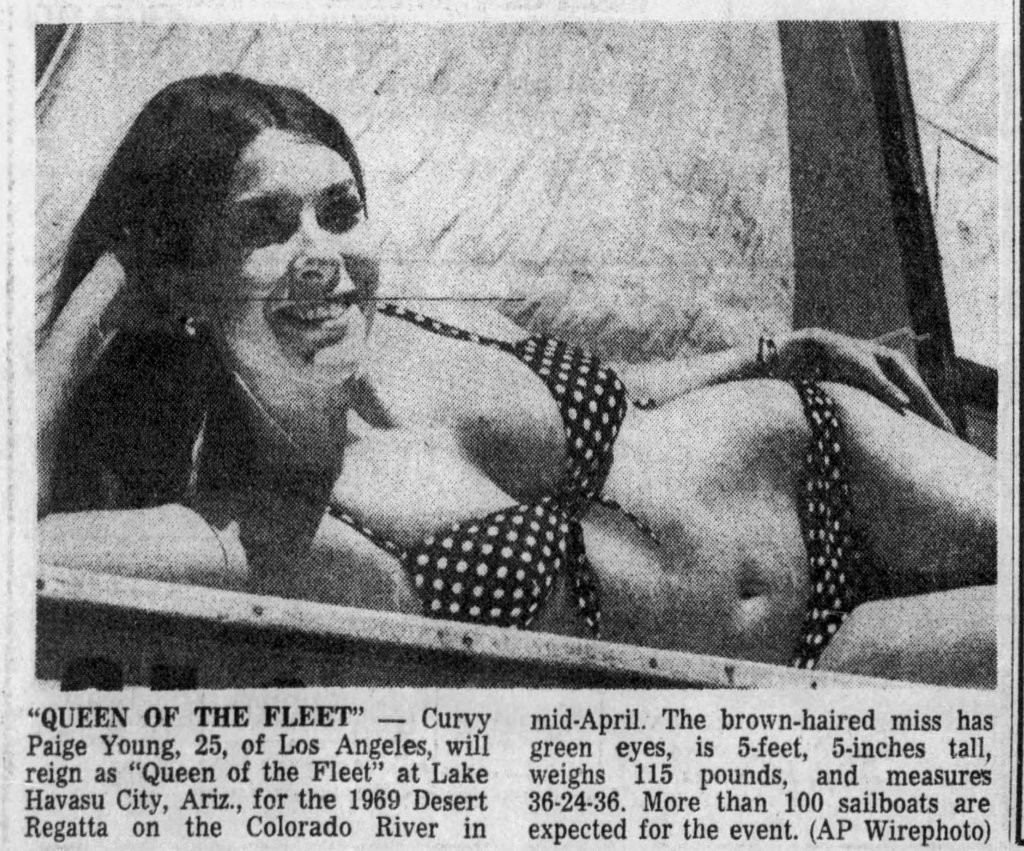
As you can see, this particular photograph of Paige as “Queen of the Fleet” was a popular one.


Paige acted as a promotional ambassador for the event and the town and the marvelous boating experiences on the lake.
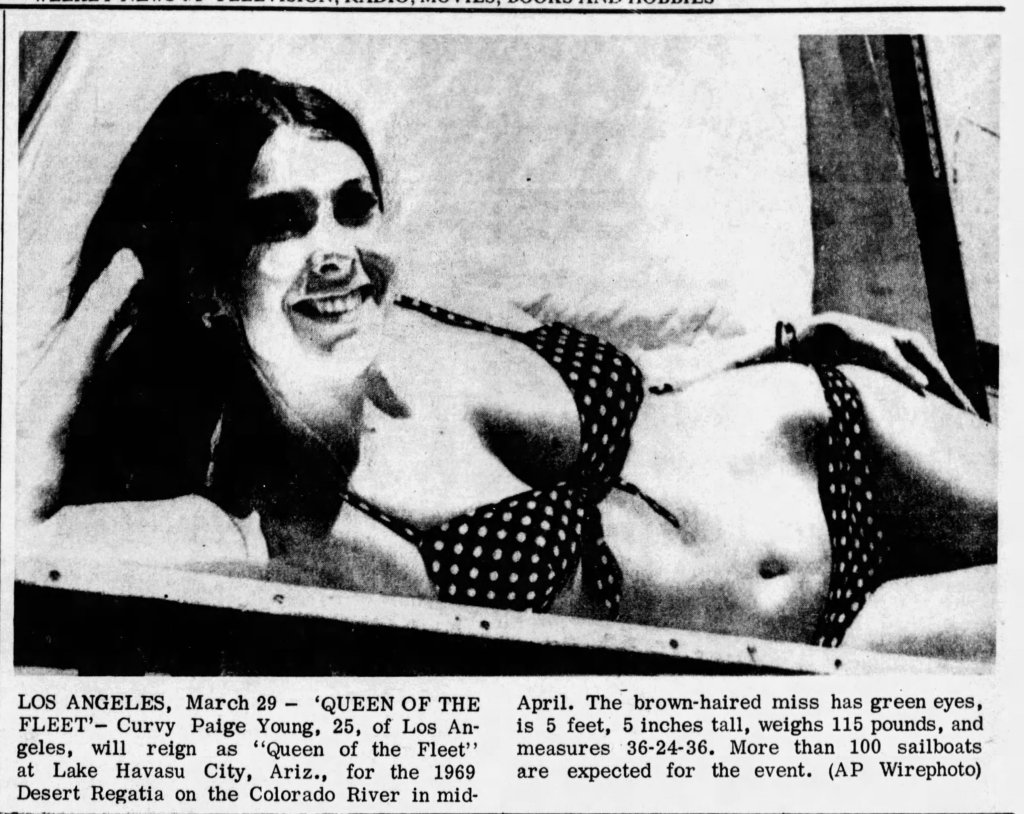
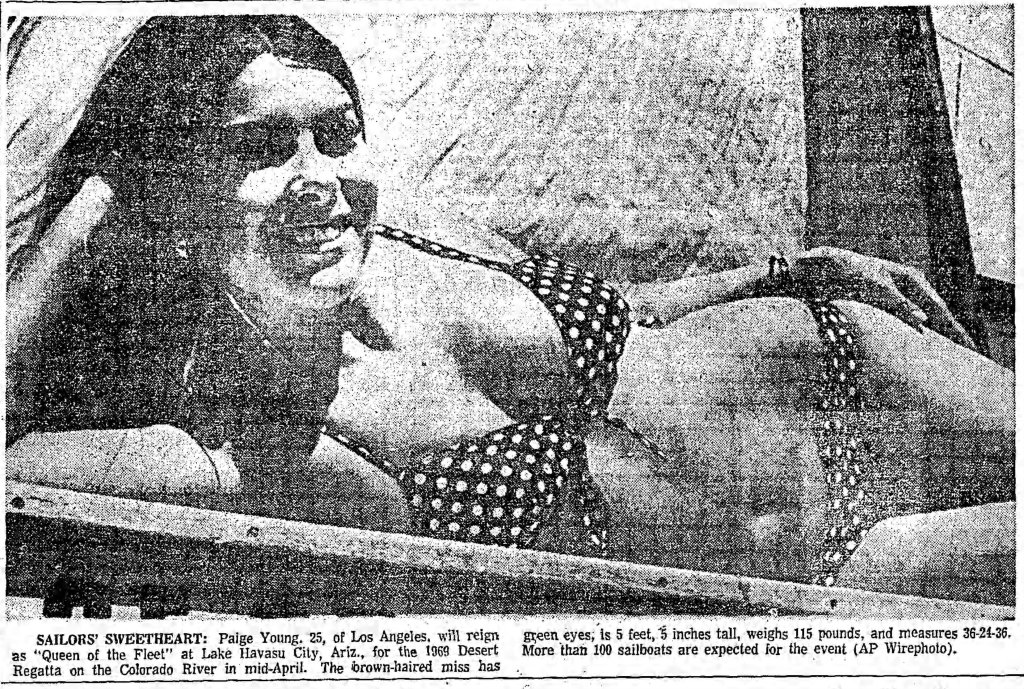
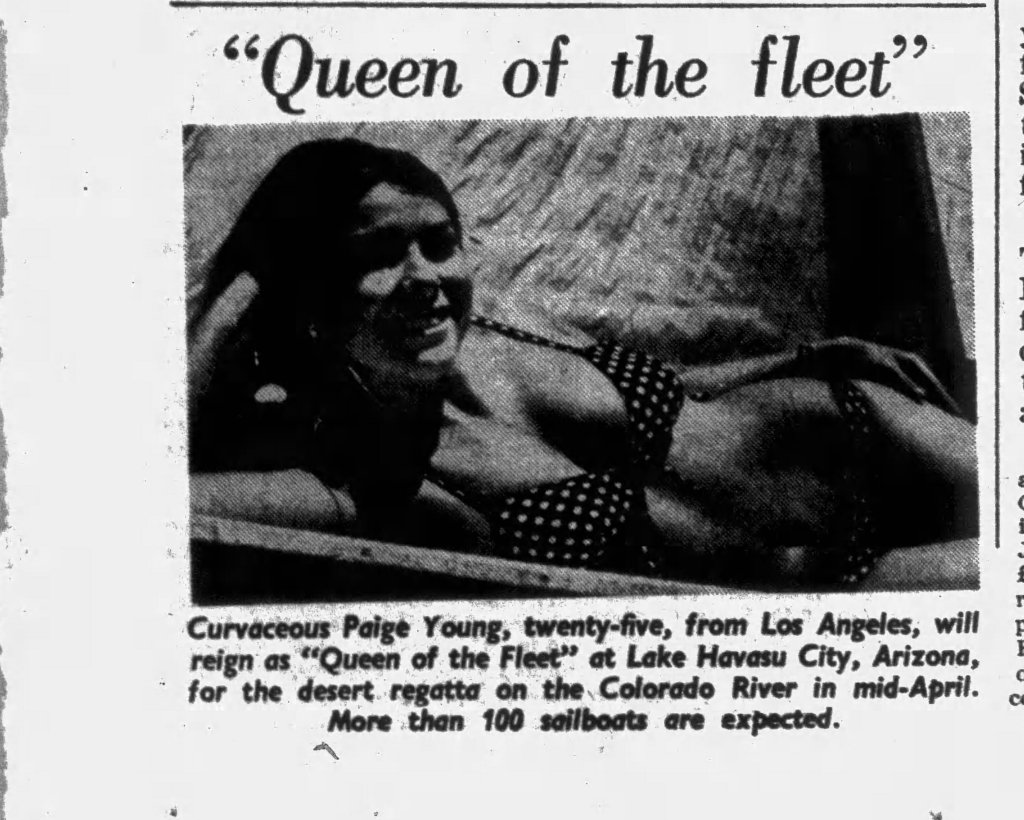

This next article (April 16, 1969) is one of the few to mention Robert McCulloch as regatta chairman. It details information about the boats entered.
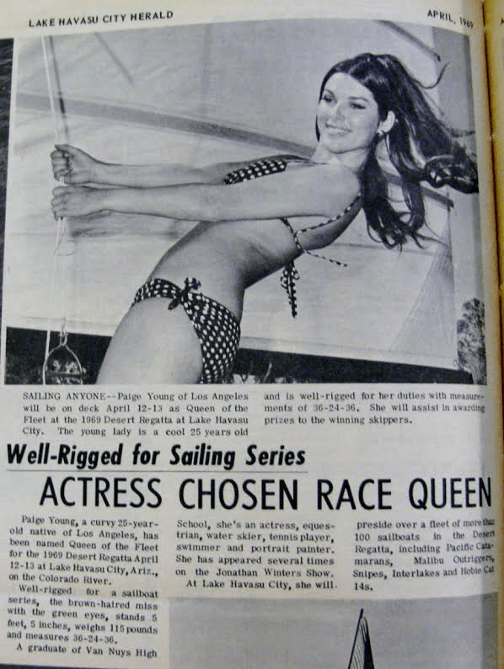
With the exception of the last, this next set of Regatta Queen promotion clippings refer to Paige as “graduating from Van Nuys High School.“
I have researched classmates.com for many hours, in the years she would have attended and/or graduated: 1959-1962.
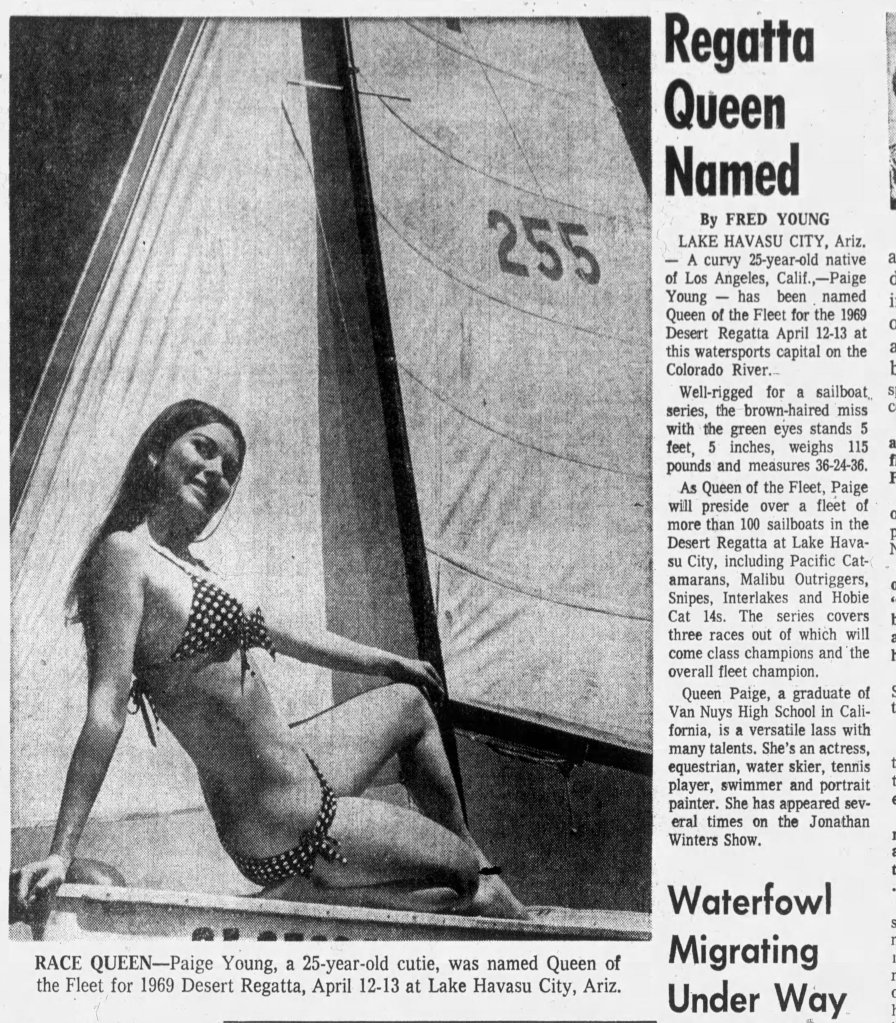
I have been unable to find any Paige Young or Diana Cotterell in the VNHS yearbook. I cannot find her class photo in yearbooks of Grant High School, North Hollywood High School, or Birmingham High School. These are all high schools near VNHS.
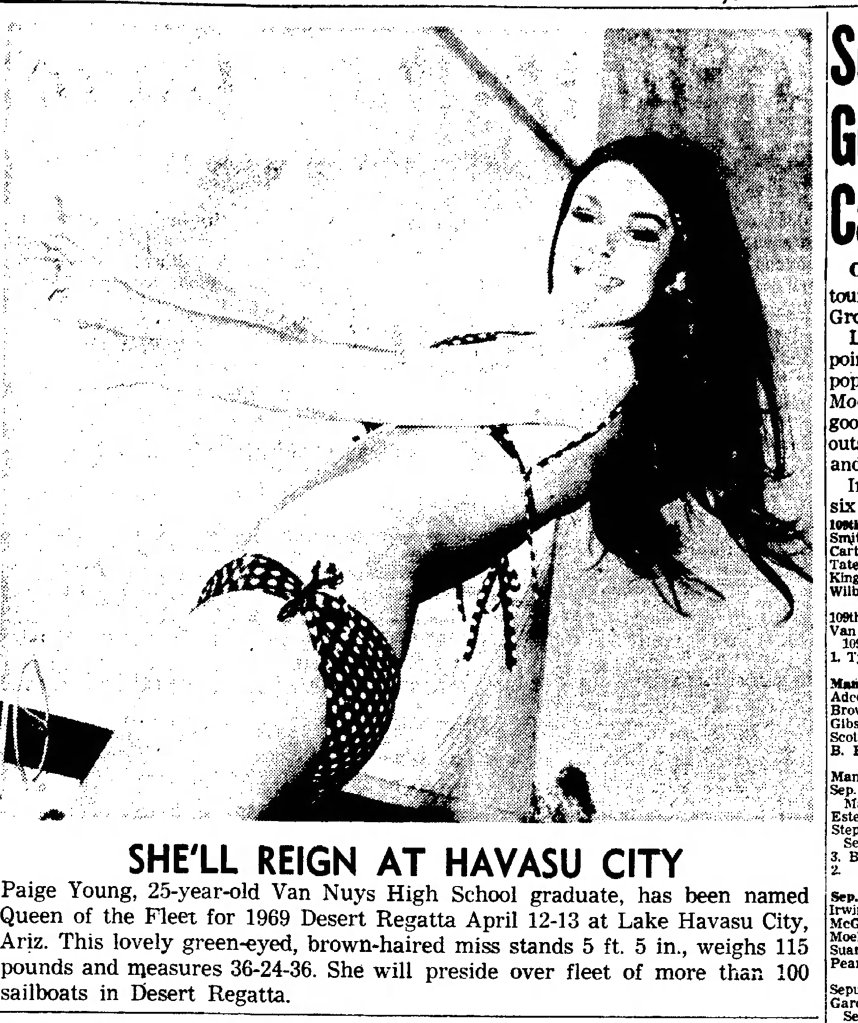
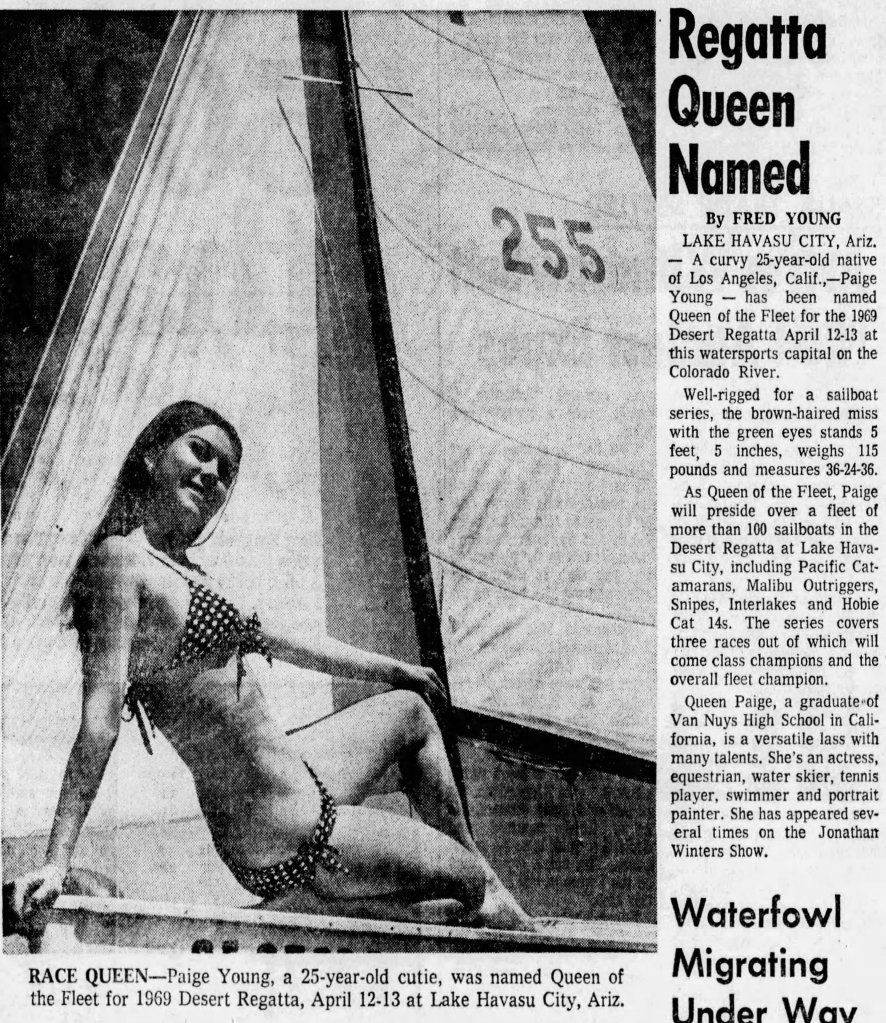
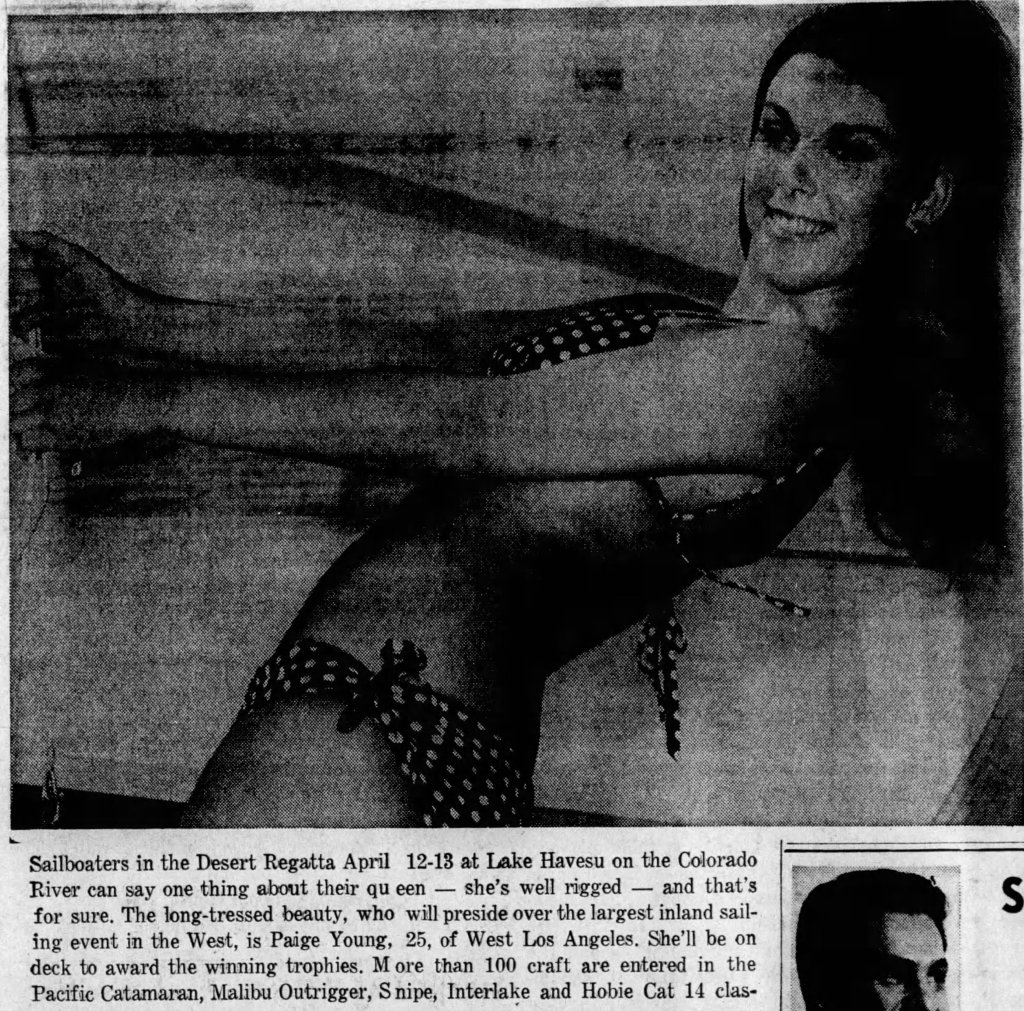
Diana/Paige had a friend and fellow horse lover at Van Nuys Junior High.
Her name is Joan Edwards and she attended and graduated from Van Nuys High School in 1962. I was able to speak with her one time.
This should have been Diana/Paige’s graduation year also. Joan told me that she doesn’t remember seeing or talking to Diana after the end of their VNJH years and she only remembers her with the name Diana Cotterell.
I think Paige dropped out of high school after the 9th grade, 1959. Her grandfather, Ned LaRocca, died in November of that same year. She would have been only 15 or 16 years old. Many of the interviews from 1969 state she began painting professionally at age 16.
Could it be related? I don’t know. But possibly. Her mother remarried in 1958 and had a child with her 2nd husband in 1960 when Paige was 16.
If Paige did attend or graduate from a high school, it definitely wasn’t Van Nuys High School.
This is one of the few “lies” about Paige that were told for the publicity tour.
The wire service photos you have been looking at never mention Paige’s title of Playboy Playmate, but the local Lake Havasu City paper does.
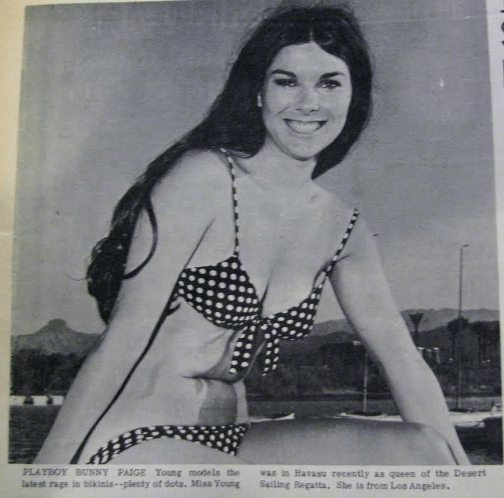
Rare image, not publicly available.
The individual at the record department of LHC learned about the connection of Paige to Bill Cosby. After that, he ceased communication with me.
I’m relieved he sent the images first.
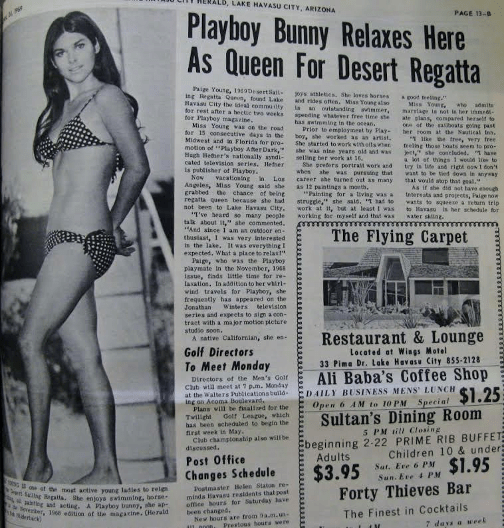
Note: the information of Paige’s appearance on the Jonathan Winters Show in the Lake Havasu article.
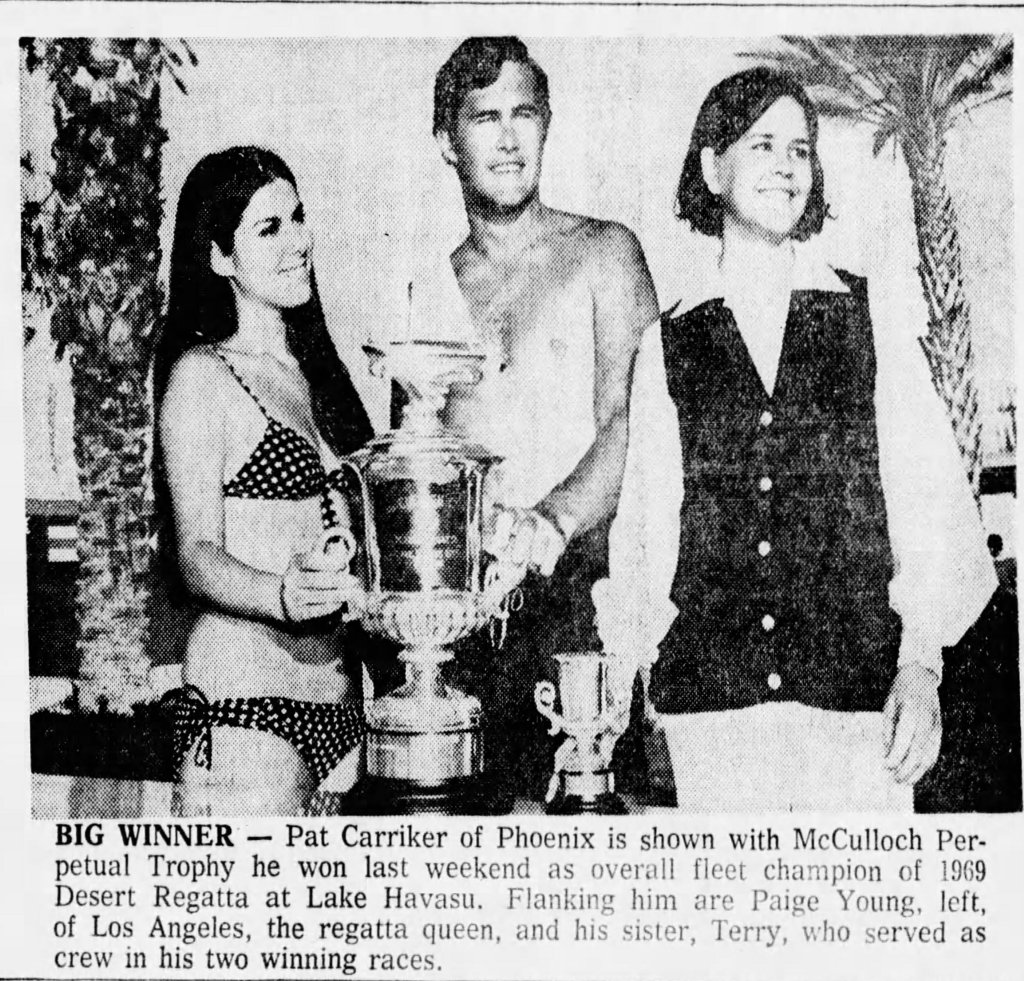
Jonathan Winters
The terms Playmate and Bunny became interchangeable in the media very quickly. Here is another example; ad from a Fresno mall appearance with Paige and Lisa Baker.
Playmate of the Year 1967, Lisa Baker, was also (I have read) on the Winters show according to some of her press.
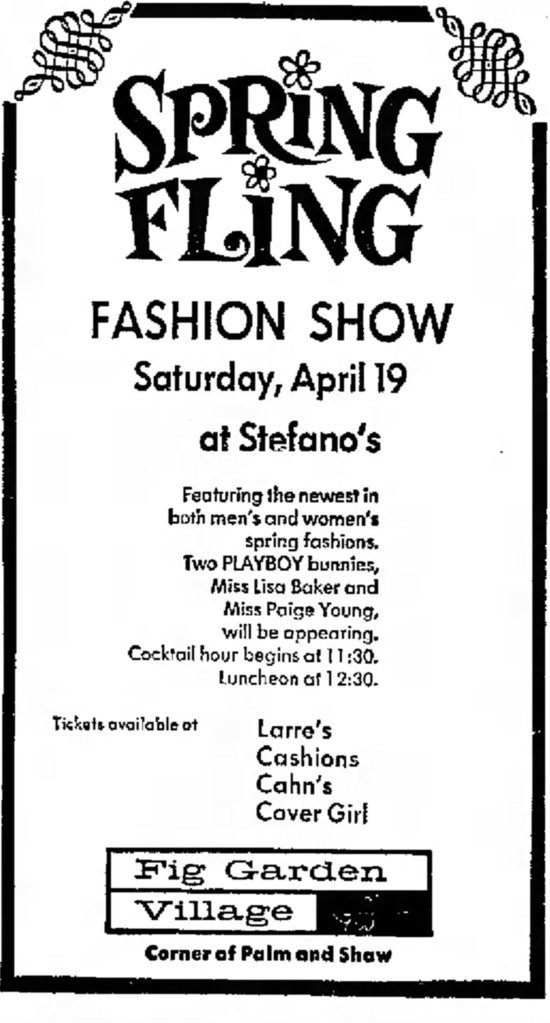

Jonathan Winters Show connection
I’ve been unable to find any credits for Paige or Lisa on the Jonathan Winters Show 1967-1969. The show was filmed at CBS Television City on Fairfax, as was Playboy After Dark. PAD ran from 68-70.
Paige and Lisa’s roles may have been as extras or “background décor.” I viewed several episodes of the show at the Paley Center for Media (now closed) in Los Angeles and I could not spot Paige Young.
I haven’t yet been able to find Paige as an extra on Playboy After Dark; I have not viewed every episode though.
(I did find images of a dancer on the Winters show that looked strikingly like Paige. It was eerie. The choreographer of the show was Robert Banas.)
Please see chapter Richard Sample interview for more on Jonathan Winters and a possible connection to Paige Young.
1969 travels continued…

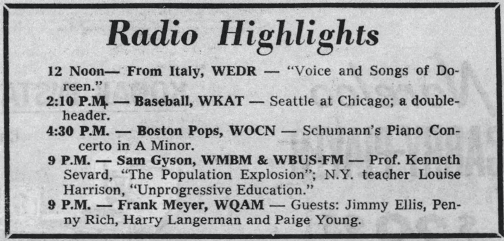
Marina Del Rey
In the summer of 69, Paige is interviewed for an article in “West,” an LAT magazine. It tell us about a few young people who live in the “geographically desirable” community of Marina Del Rey.
Article tells about hip Marina Del Rey, considered “G.D.” which stands for “geographically desirable.”
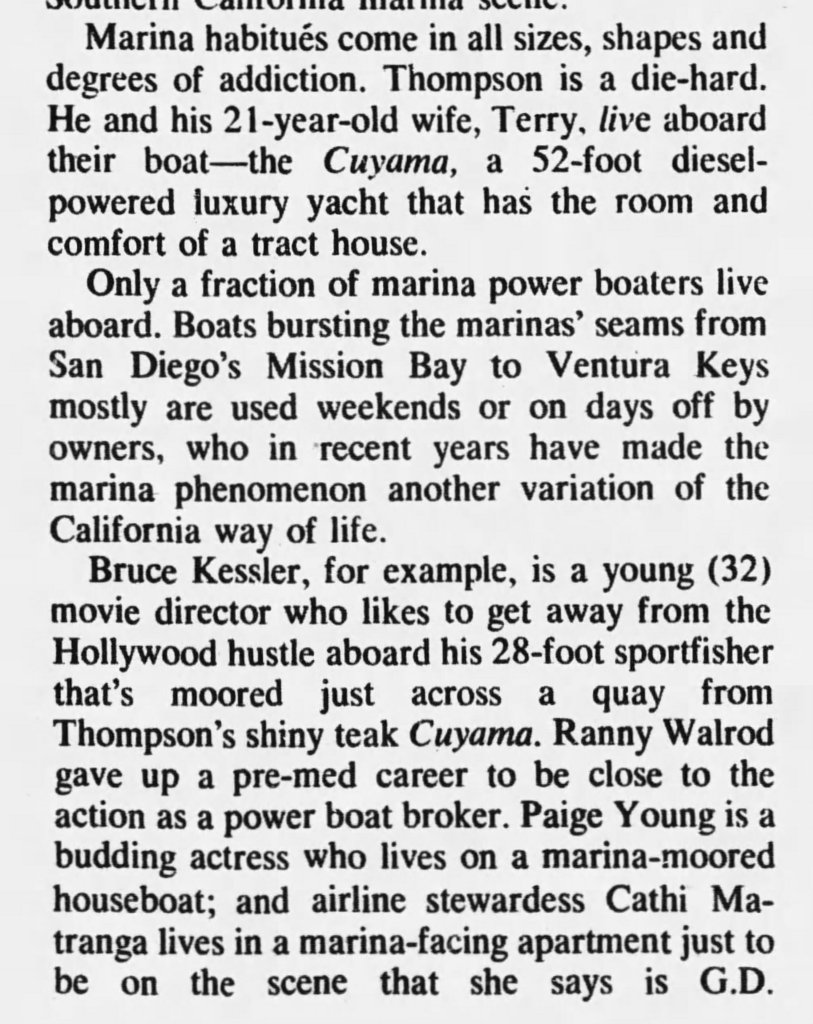
As opposed to the SFV or Pasadena?
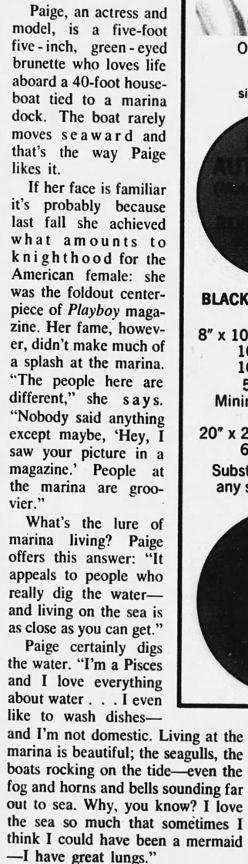
Paige lives on a houseboat in Marina Del Rey.
Wait, doesn’t she live in Malibu!?
This is the only reference to Paige living in Marina Del Rey that I found, so far.
Update: May 19, 2021: Paige’s friend Richard Sample told me that this is when he last saw Paige.
She was living in her houseboat on the Marina. 69 or 70. He was there to ask her for rent she had not paid on the Venice Beach art studio.
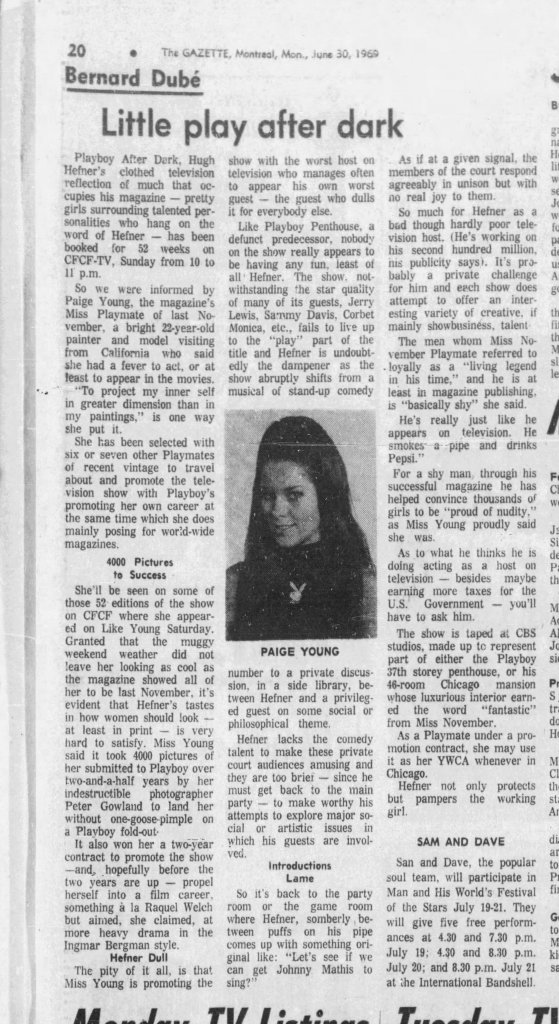
Akron, Ohio
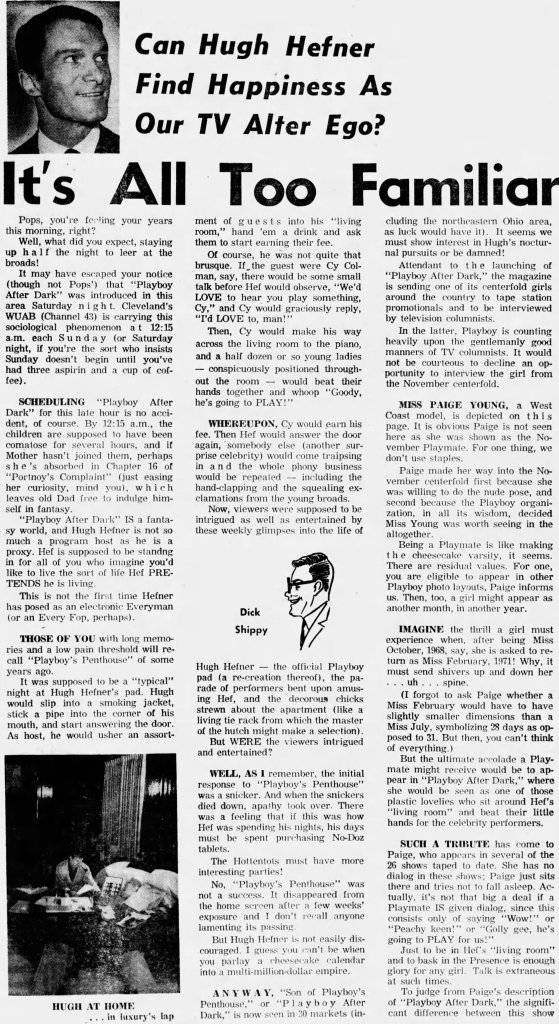

Dick Shippy was a long-time columnist. He has a conversation with the chaperone and Playboy PR man accompanying Paige Young. We know it is Bob Sanders. Shippy derisively refers to Sanders as a “flack.” Not to his face I presume.
Last sentence of article reads: “safe to assume she knew she was on a fools errand. One might also assume that puts her one up on the man from Playboy.”
Article says Paige met Hefner only once briefly at a stop at the Chicago mansion.
(By the end of her life Paige knew Hefner better in her own hometown of Los Angeles. Hefner bought a second mansion residence there in 1971.)
During their conversation Shippey notices Paige “sitting there looking lovely and trying not to fall asleep. ” The attention goes back to Paige.
She says she is a self taught artist turned actress. She has an art studio in Venice Beach. She also took drama lessons with Jeff Corey. So far though, she has only had a non-speaking role on the Jonathan Winters show, and as an audience member on the set of PAD. (perhaps Paige is way in the background of both shows.)
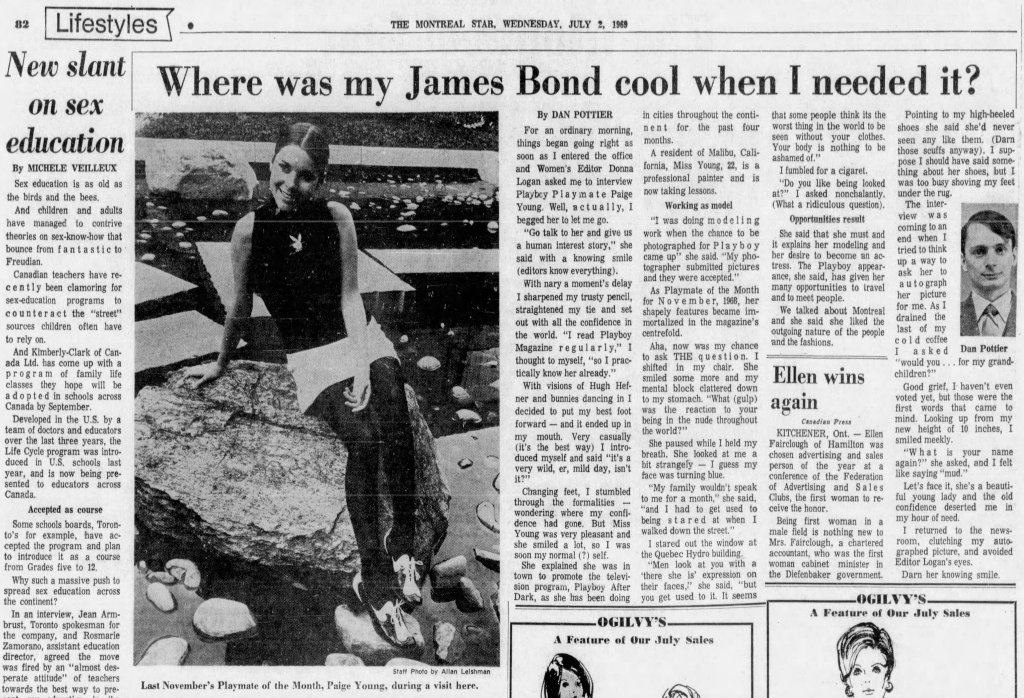
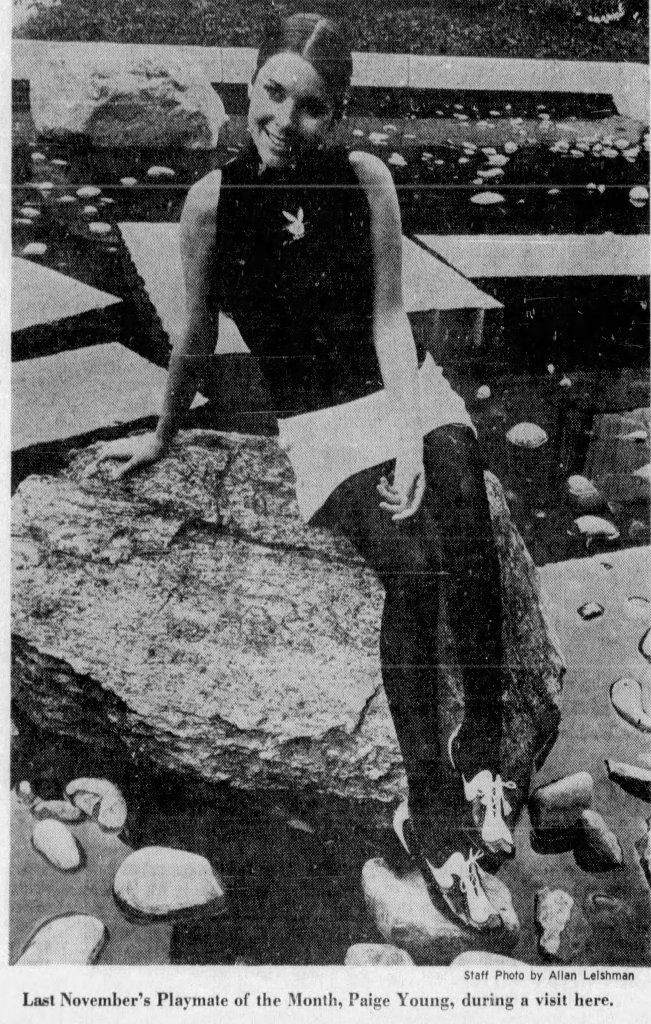
Atlanta
August of 1969.
This photo below appeared one week after the infamous and tragic Tate-LaBianca murders happened.
Sharon Tate and the others were murdered overnight on the 8th, the newspapers published the first stories the 9th.
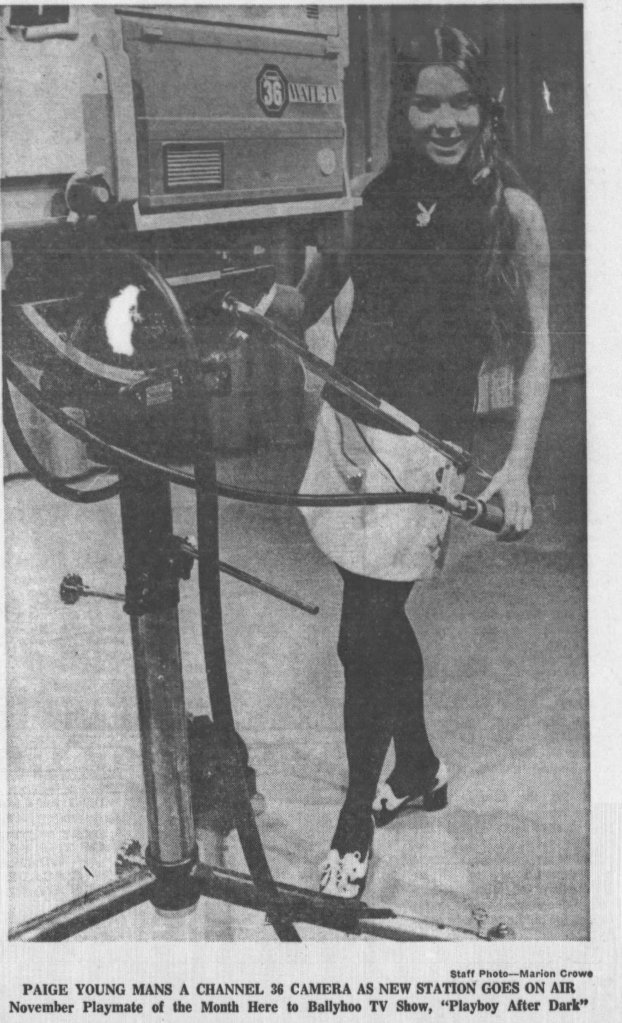
Paige visited the Playboy Club in Atlanta as she did in NYC and New Orleans. Playboy Club Atlanta threw a party in honor of this new TV station Channel 36 which carried Playboy After Dark.
Infamously committed by the Manson “family,” in Paige’s hometown of Los Angeles.
Romemary and Leno LaBianca were then murdered overnight on the 10th in their home in Los Feliz.
This murder was headlines the next day on the 11th.
Paige may have been on the road when it happened August 9-11, 1969. There is no press on those dates, that I’ve seen.
It was truly a shocking news item to read and hear on the evening news shows.
Much has been written about the impact the murders had on Hollywood celebrities and the wealthy of Los Angeles. The palpable fear that ensued. Sales of guns, watchdogs and alarm systems soared.
Coincidentally, when Paige was a toddler in the mid–1940s, she lived with her family in a house very close to the LaBianca home on Waverly. (See chapter on Family History in Los Feliz).

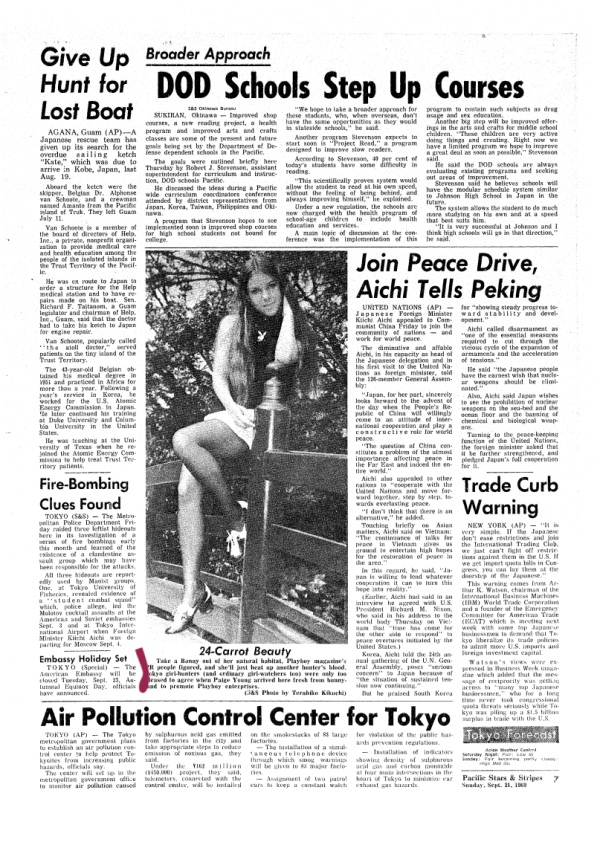
September 1969: Japan
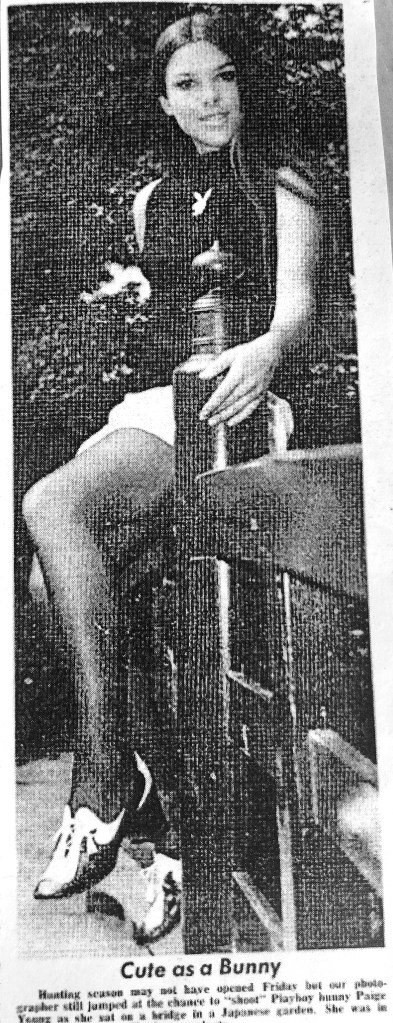
“Hunting season may not have opened Friday, but our photographer still jumped at the chance to ‘shoot’ Playboy Bunny Paige Young as she sat on a bridge in a Japanese Garden…..”
Stars and Stripes. Japan tour.
In late September, several local newspaper ads announce the first annual “Winter Fun and Snowmobile” show in Edmonton.
.
As you will see by the next news articles, the scheduled appearance by November 1968 Playmate Paige Young was heavily publicized.

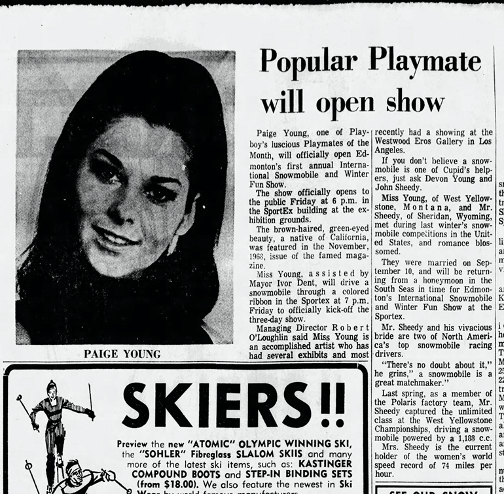
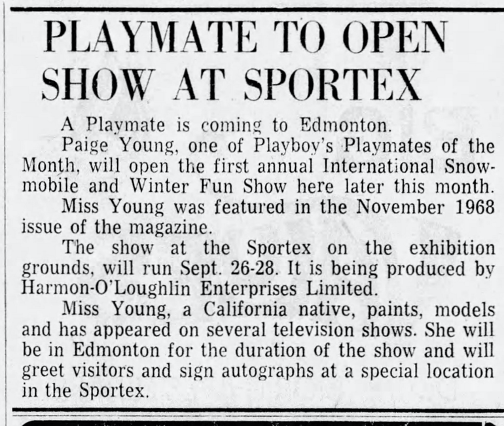

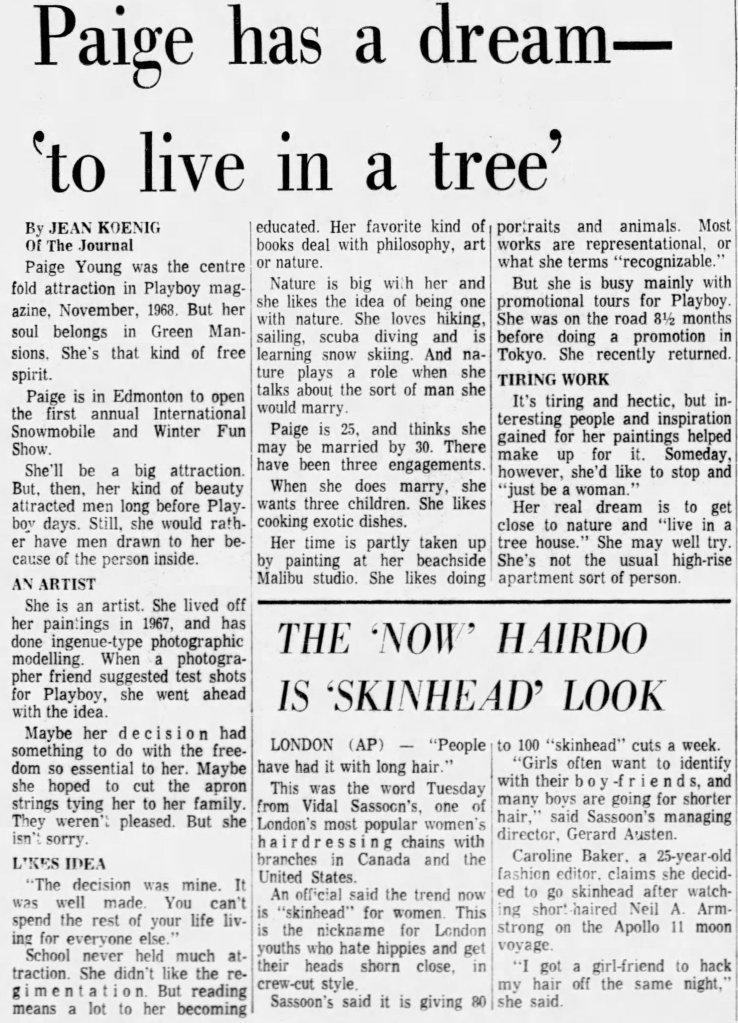
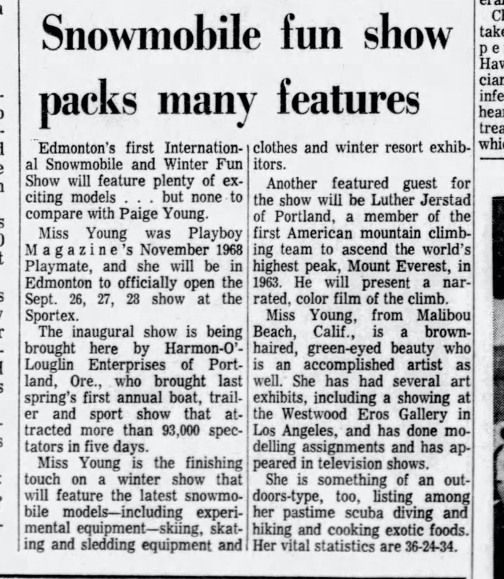
“From Malibou” The reporter was thinking Caribou? Richard Sample mentioned Eros Gallery to me and so does this article! So does Playboy Magazine.
But when it gets to the big day……
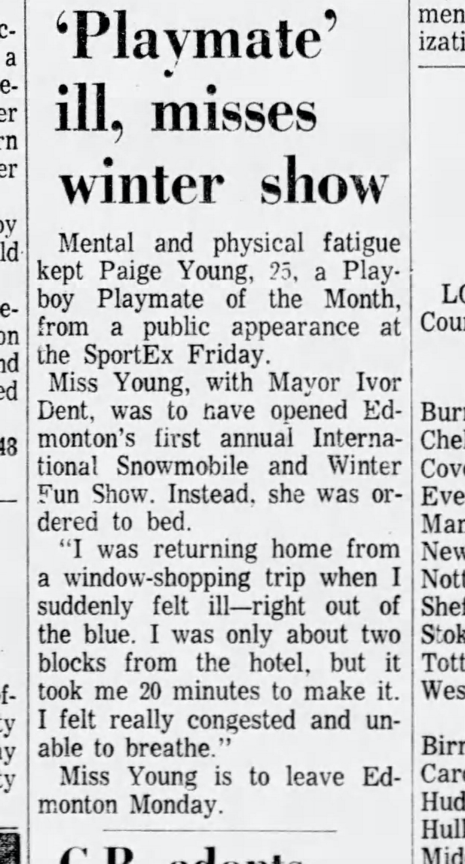
Devin Sheedy, women’s snowmobile speed record holder, steps in for an ailing Paige Young.
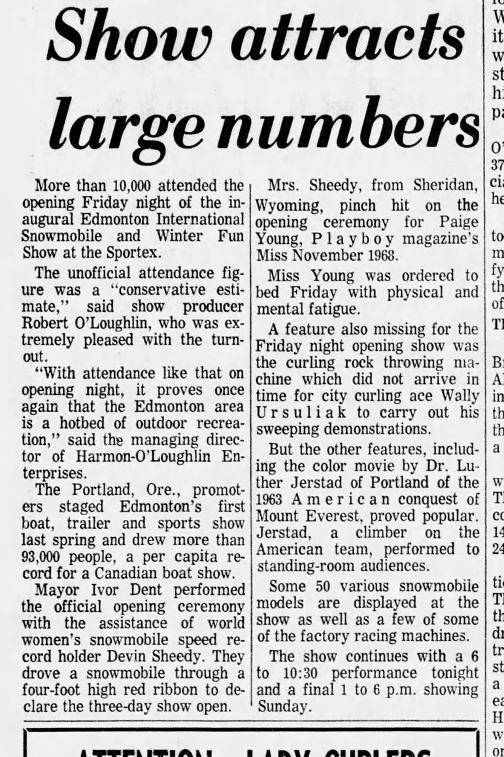
*For more information a possible reason for Paige’s illness in Edmonton, see the chapter on Nick Lees”*
1969 continued
The articles show us that most of Paige’s year is taken up with Playboy promotional traveling and appearances. She autographs Playboy headshots at car shows and Battle of the Bands contests. She visits Playboy Clubs, TV stations, and newspaper, radio and TV interviews.
The Edmonton Winter Sports show in late September of 69 is the latest date I’ve have found for her promotional appearances. (So far.)
Boston Auto Show: late Oct. 1968 to the Edmonton show: late Sept. 1969, is just under one full year. Perhaps Paige completed the contracted one-year to Playboy? There was an option for 2 years.
Seems like she had really “had it” by the end.
Or was it just a ruse to run off with Nick Lees?
.
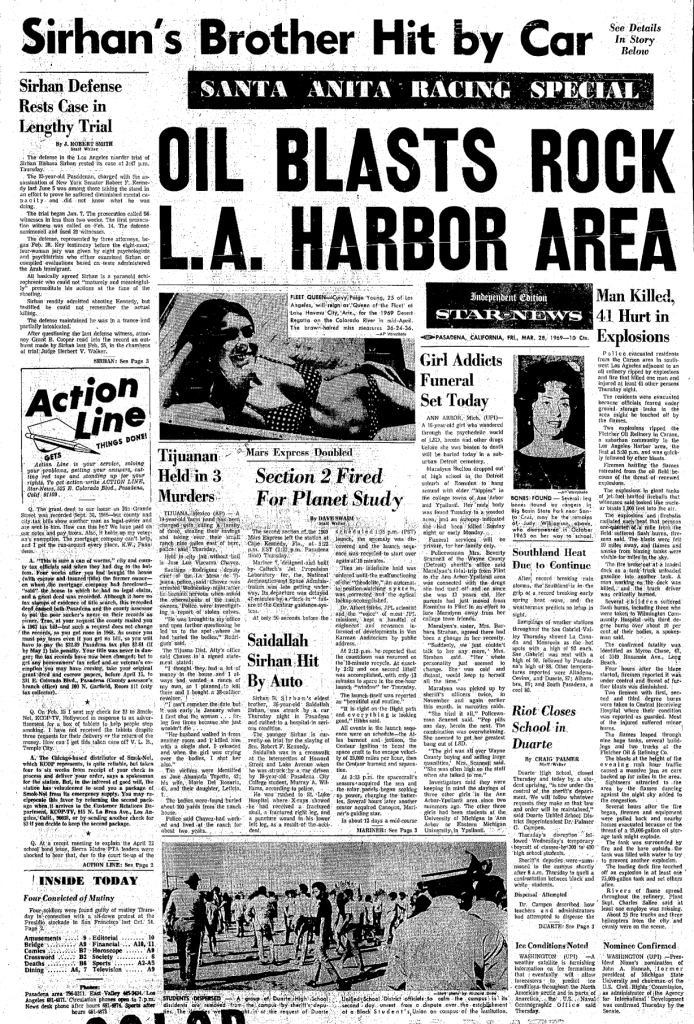
I don’t know how many people know that Sirhan-Sirhan’s hometown was Pasadena.
RFK, of cou
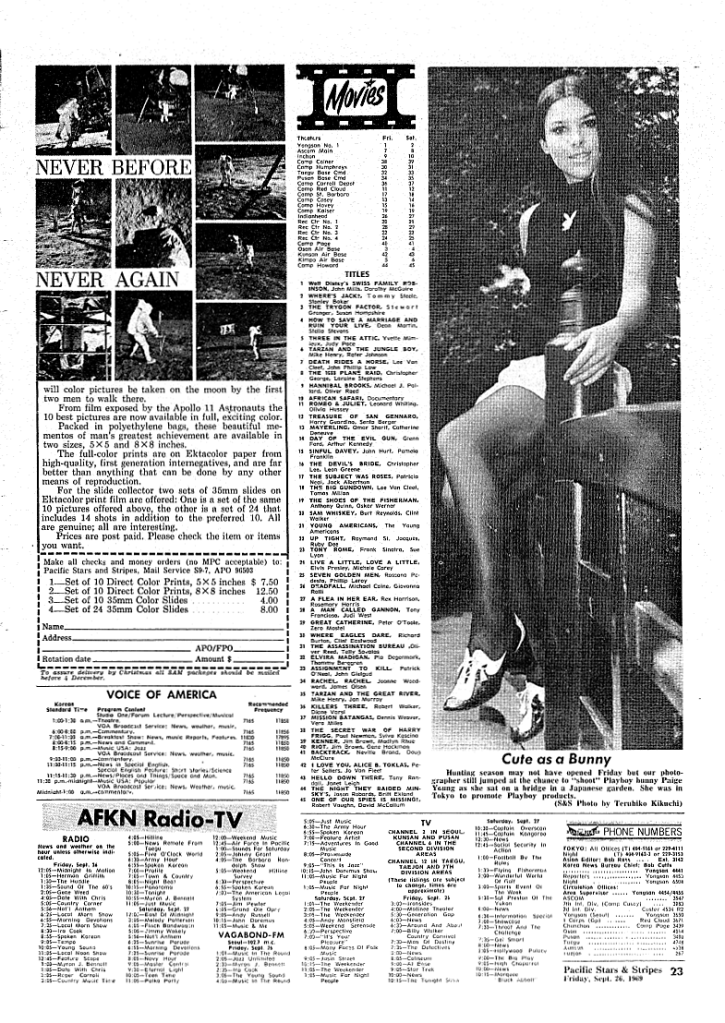
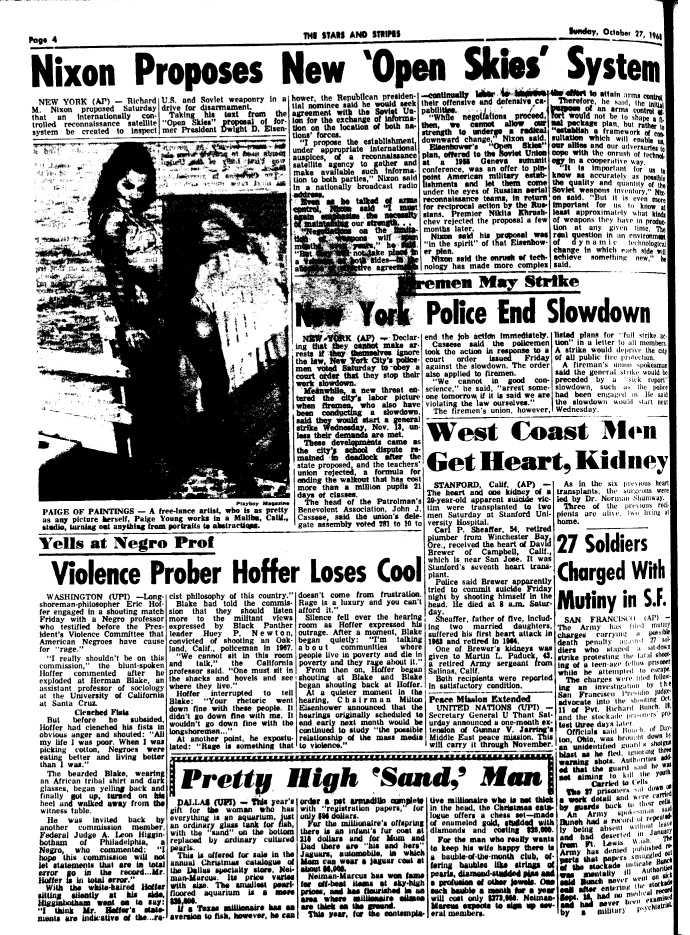
Latest articles to come up on the archive:
(New articles found after 9/2/25 will be placed at the end of this chapter below.)
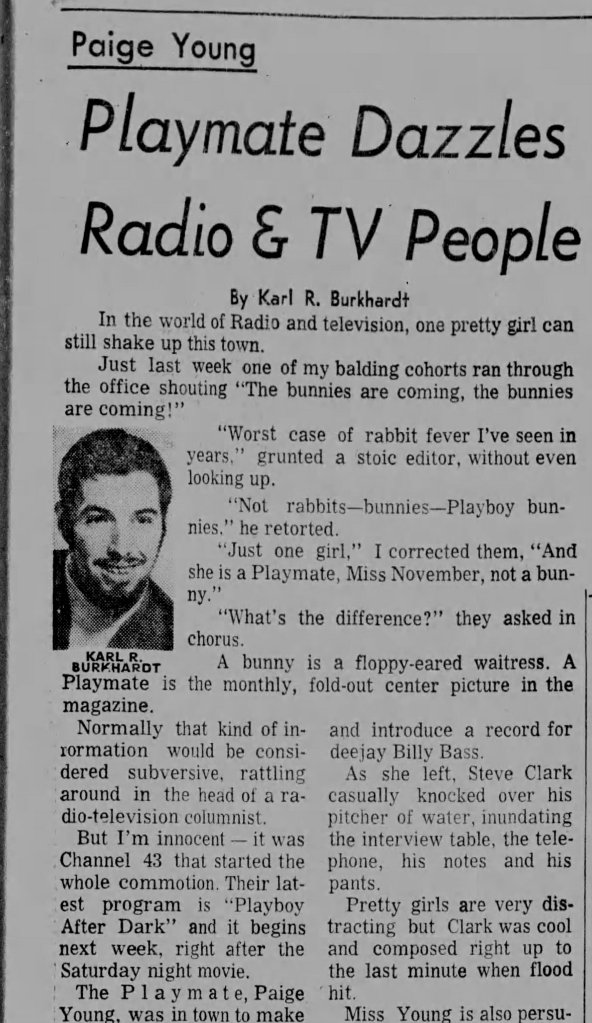
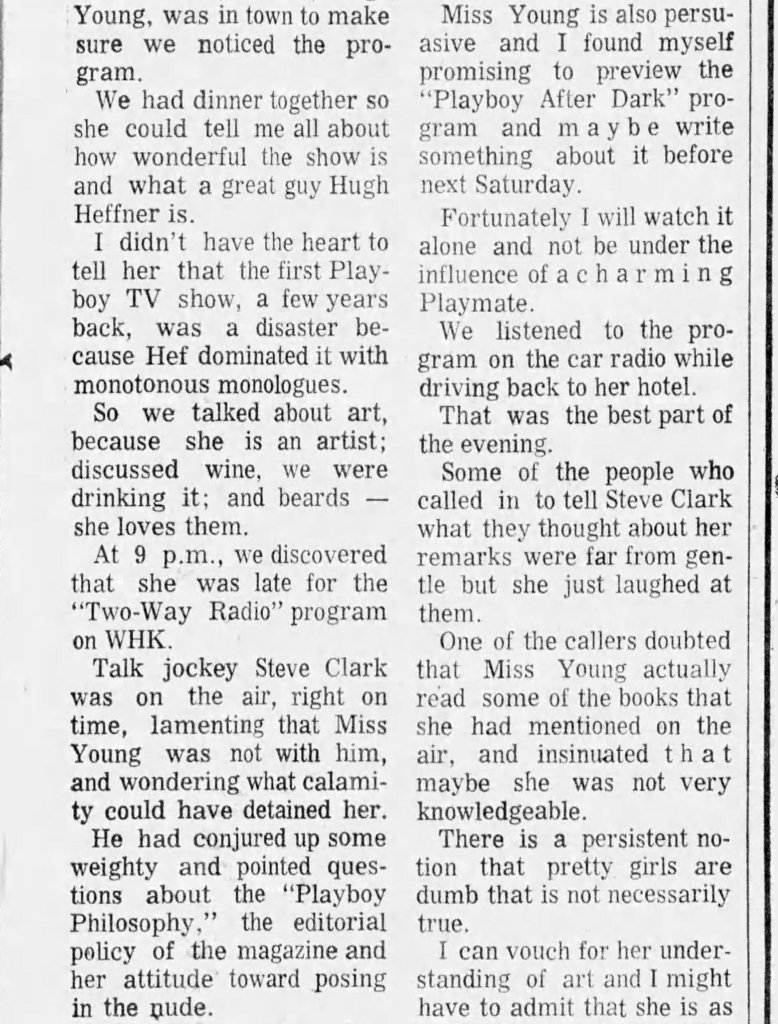
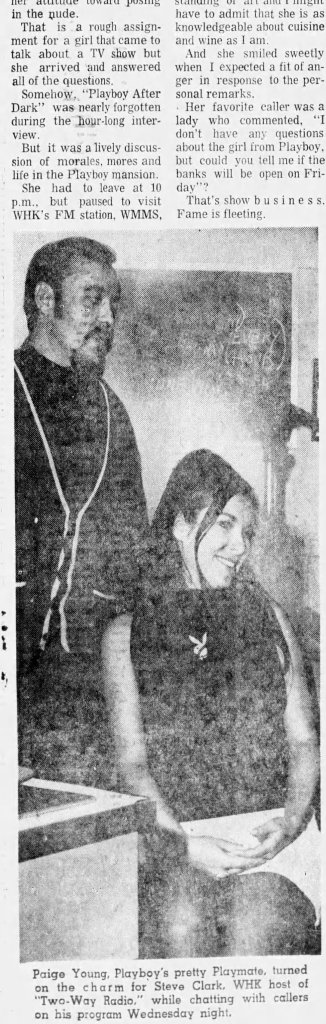
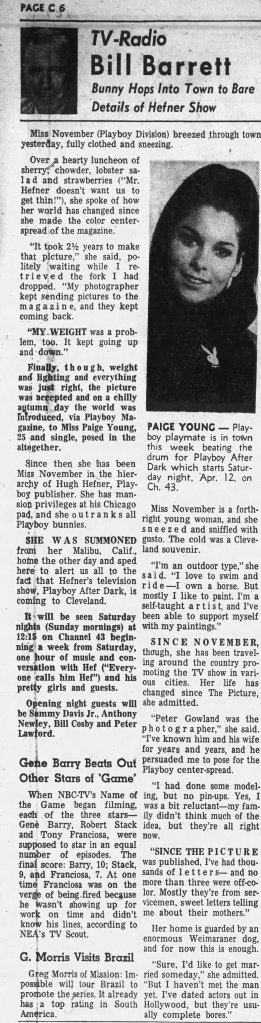
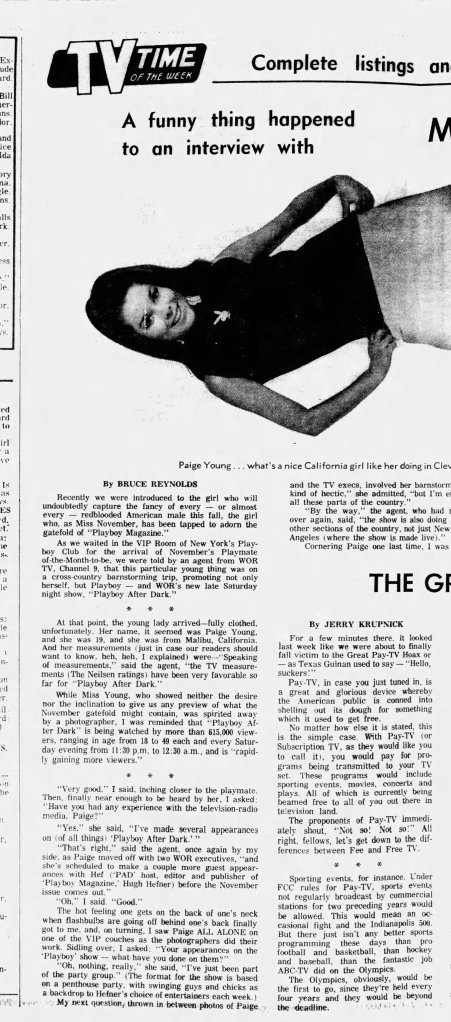
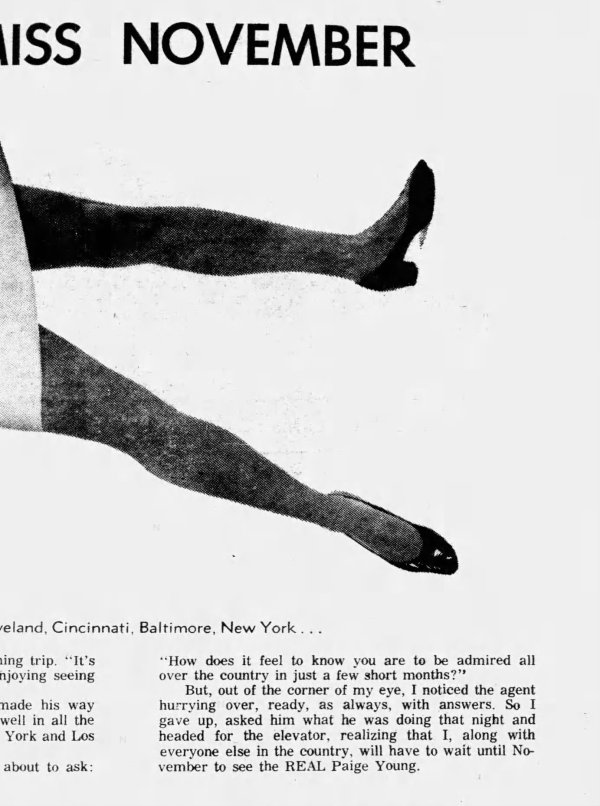
P
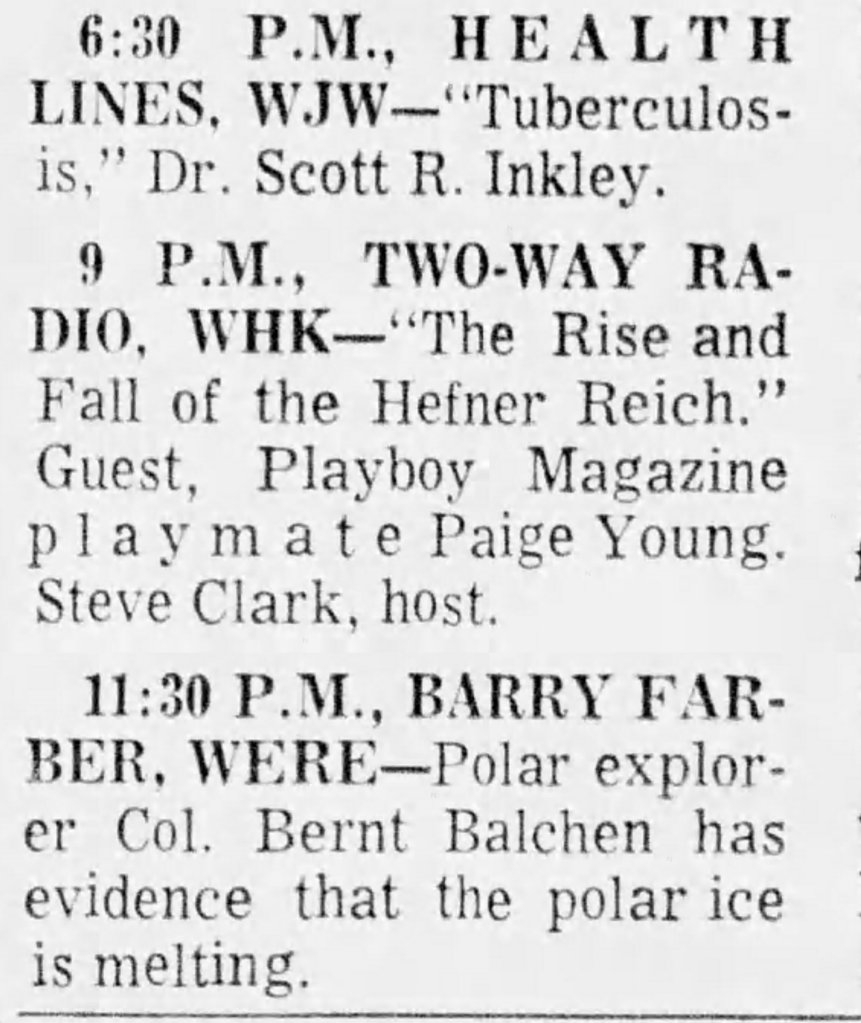
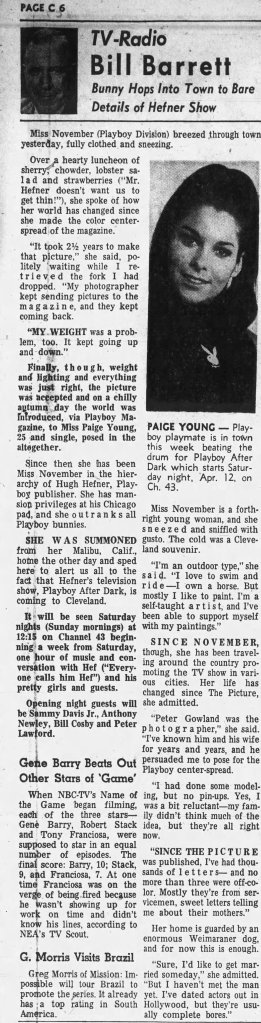
Cleveland Press 4/3/69 More talk about weight and the centerfold. Excuses eating that “Mr Hefner doesn’t want us thin. Which turned out to be false.” Talk of long relationship with the Gowlands. Contradictory answers again on Paige’s weight for the Playmate feature. Fabulous information.

1950s #1 Updated 11/4/25: 1950 Census. Gardena. Move to San Fernando Valley. Ned & Virginia LaRocca. The Marinello/Bartletts. Recording Industry LA. Leith Stevens.
Posted on May 12, 2020
San Fernando Valley abbreviated SFV.
The 1950 census
gives more information about the LaRocca/Cotterell family unit.
We seem the family listed at a residence in Gardena at 1830 W. 147th.

Enlarge the document and you see that Joseph’s occupation is Radio Orchestra Manager, Virginia, a Christian Science Practitioner.
Donna has an empty box for occupation, her daughters Constance S. is listed as 7 years and Diana L. as 5 years.
Constance would have been in the second grade and Diana, kindergarten, if she went.
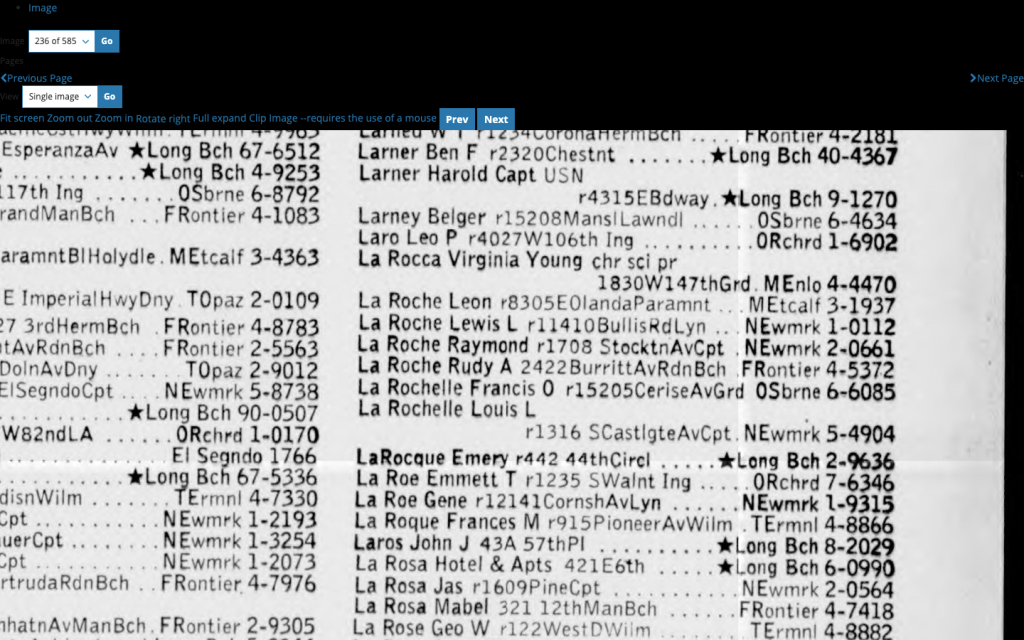
See the listing for Virginia LaRocca, CSP, at this same address but no Joseph is listed.
It’s unusual that Joseph and Virginia weren’t listed together. The married couple had been listed together every other year for decades, both in directories and voter registrations.
I first connected the family to 13055 Moorpark St. address by a city building permit dated Dec. of 1952.
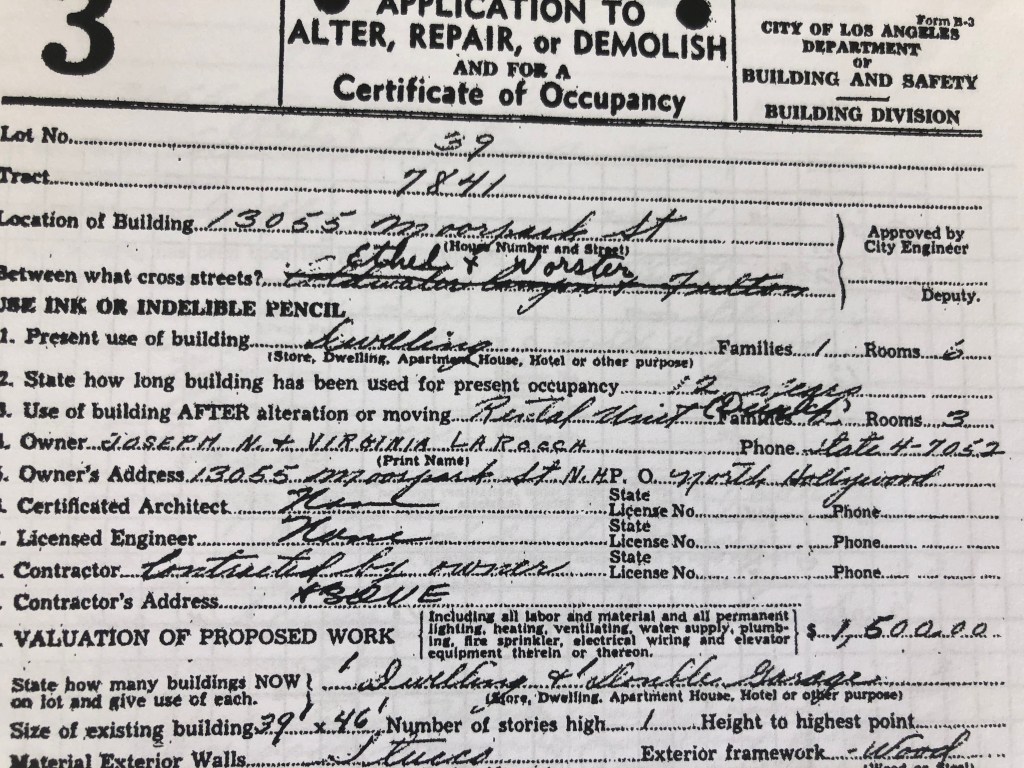
Christian Young, a relative of Paige Young’s, told me in a phone conversation about a memory from his childhood.
“The house on Moorpark had a cabinet you could crawl through and get to their grandparents’ side (of the house).”
It seems reconstruction was made into a duplex, Ned and Virginia are on one side, Donna and the girls are on the other.
More specifically, off of the intersection of Coldwater Canyon and Ventura Blvd.
The duplex on Moorpark & Ethel, is located on the west side of Studio City, close to the eastern border with Sherman Oaks.
The Los Angeles River is nearby the house, as is Sportsman’s Lodge; a classic Hollywood and SFV landmark.
It’s recently been totally or partially demolished.
Ned & family were aware of this part of the SFV area for some time before their move.
Joseph’s only sister of many brothers was named Kathryn Marinello.
She and her husband Anthony, opened a food store at 13251 Moorpark in 1947, seen below.

“New Business Filings in the Valley” Van Nuys News
There is a 1947 City document I have been unable to download; indicating a “food store” at 13251 Moorpark St. The building was not owned by the Marinellos but a business announced, as seen here.


Mildred and Clifton’s first child James is recorded as 1 year old.
Their daughter Donna Lee was born only a few years later. Looks like she was named for Donna LaRocca Cotterell, and Diana Lee Cotterell.


Meanwhile……Diana’s father Robert Morgan Cotterell also moved to the SFV around this time, but further west of his daughters and ex-wife.
His new wife (1949) Patricia/Pat Frick and their two children born in 1950 and 1951, started out in the Canoga Park/Winnetka area.
Robert’s daughters by Donna V., were living in Gardena when “Bob and Pat” were parenting 2 toddlers on Lurline Ave.
I can’t imagine they saw each other that often but who knows?
It’s the first of many moves around LA for the Cotterell family due to Bob Cotterell Sr.’s career at Douglas Aircraft.
We do not know exactly why the LaRocca family moved to the SFV.
However, we know they were part of a massive migration to the area after World War 2, from both inside and outside California.
“The end of WW2 transformed the Valley and vastly accelerated its growth
with: vast tracts of suburban housing, shopping centers and industrial parks where chicken ranches, orchards and cattle ranches and wheat fields once existed. The 1940s and 50s, when I was growing up, the Valley was full of movie cowboys, beautiful ranches and fine horses.”
Jerry England at cowboyup.com
“In the five years after the war, the population (of SFV) more than doubled to 402,538 residents-the pastoral San Fernando Valley was suddenly the ninth-busiest urban area in the nation. Valley society was a mix of young suburbanites, older families who had come west to try their luck as engineers, animators, or pioneers in the new field of television, and ranchers trying to hang on in the face of the new hordes.”
The San Fernando Valley: America’s Suburb by Kevin Roderick
I discovered that Ned LaRocca spent most of the 1950s working as an “orchestra manager.”
He worked for composer/conductor Leith Stevens.
I saw this information through Ned’s death certificate, seen below.
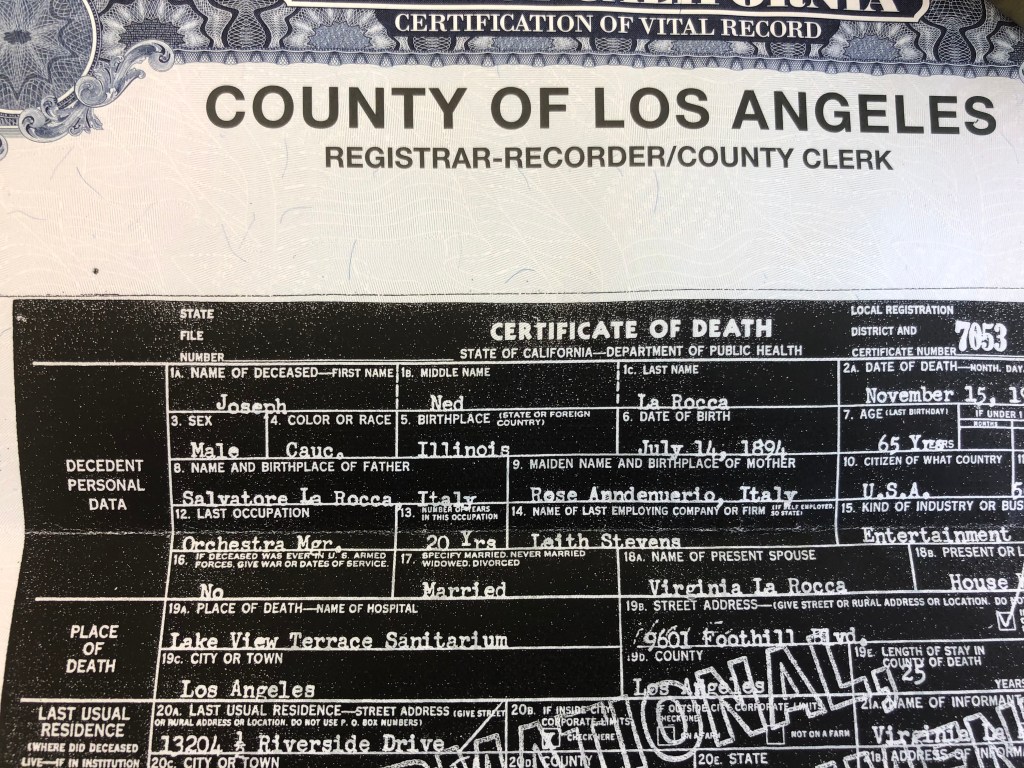
I can confirm two Leith Stevens projects that have a credit as “contractor” for Ned LaRocca: A Doris Day album recorded in 1951 at 1032 Sycamore Street.
It was a studio known at that time as “The Annex.”
The website careerexplorer.com defines an orchestra contractor is: “He or she has the job of finding the appropriate musicians for Broadway shows, television episodes and commercials.”
Ned had experience adapting to a new mass medium.
In his first industry performing on the Vaudeville stage performing the harp. (See related chapters)
Vaudeville died in the early 1930s during the Great Depression and Radio programming became a mass entertainment form.
One significant factor that changed the popularity of radio programming was the rise of TV in the 1950s.
Drama, comedy and musical variety and interview shows moved to TV.
In the 1950s Los Angeles had a burgeoning music recording industry scene.
Ned worked in each of these mediums. Performing on radio broadcasts and orchestra managing for films.
In 1950, just under 20 percent of American homes contained a TV set. Ten years later, nearly 90 percent of homes contained a TV—and some even had color TVs. The number of TV stations, channels, and programs all grew to meet this surging demand.
encyclopedia.com
Ned LaRocca has a credit on Leith Steven’s 1953 score to the Marlon Brando movie “The Wild One.”
This record was a hit, released by Decca records, it remains Stevens’ most widely known work. J. Ned LaRocca is credited as “Contractor” on the project: Per Discogs.com.
As I understand, the Wild One was the first soundtrack entirely made up of Jazz music.
I recently watched The Wild One and noticed there are long stretches where there is an notable absence of music.
Besides composing and conducting “The Wild One” soundtrack, Leith Stevens composed scores for radio shows, movies and T.V. from the 1930s until his death in 1970.
This includes Film Noir classic Private Hell 36, co-written by and starred Ida Lupino.
Another Stevens credit was for The Bigamist, directed by and starring Lupino. So there was a relationship there with the pioneer female director, Lupino. Or maybe he was just assigned to the project.
War of the Worlds 1953, The Hitch-Hiker, another Lupino film. and Destination Moon, 1950.
Just a very few: It’s a Wonderful Life, 1946, Ma & Pa Kettle Back on the Farm, 1951, 1954, Earth Vs. Flying Saucers in 1956, The Ann Sothern Show, 1960, Twilight Zone, early 1960s.
He composed 100s of stock music pieces for Hollywood media.
Virginia Young LaRocca in the 1950s.
Diana’s grandmother. She started out life as a Mormon in Utah, but somewhere along the way became a Christian Scientist.
She is listed as “Chr. Sci.pr.” (Christian Science Practitioner) in Los Angeles telephone directories in the 1940 and 1950s. Virginia was listed with her own telephone line.
(Read more about Virginia and her sister Josephine’s early years as a Vaudeville performer in the family history chapters.)
A Christian Science practitioner is an individual who prays for others according to the teachings of Christian Science. Treatment is non-medical, rather it is based on the Bible and the Christian Science textbook, Science and Health with Key to the Scriptures (1875) by Mary Baker Eddy (1821–1910), who said she discovered Christian Science in 1866 and founded the Christian Science church in 1879. According to the church, Christian Science practitioners address physical conditions, as well as relationship or financial difficulties and any other problem or crisis.
wikipedia
At some point, the Christian Science Church won the right to accept insurance for their practitioners. However, I have been unable to find exactly what year.
So, I can’t tell how much income Virginia might have earned from her vocation as a CSP.
In 1955, an LA telephone directory lists a Ned J. LaRocca at 4414 N. Ethel and a Virginia Young LaRocca with the same address.
Donna Cotterell is listed with the 13055 Moorpark address. 13055 Moorpark is on a corner with Ethel St.
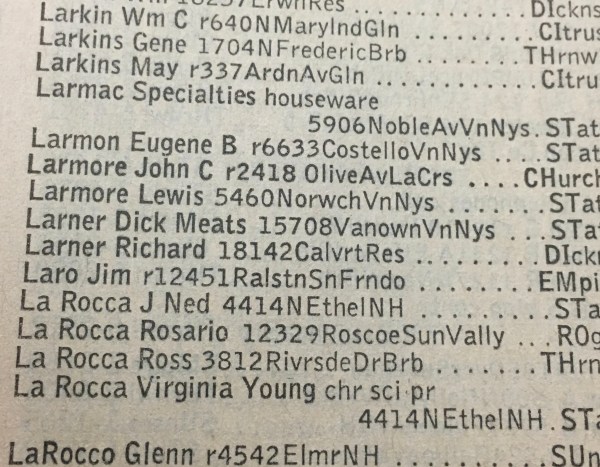
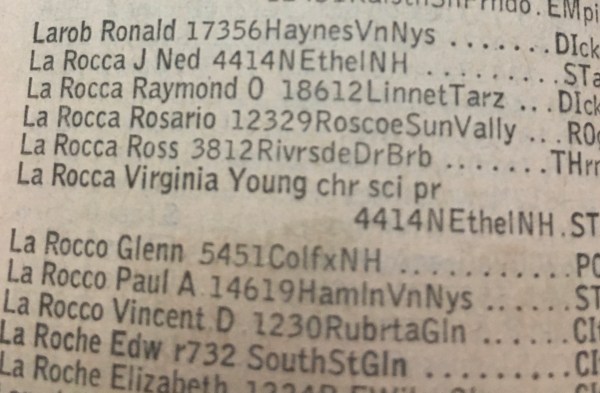
4114 Ethel St. doesn’t seem to be an “real” address; I don’t find a record of it anywhere besides the phone directory.
1957 Virginia Young LaRocca is listed in the phone directory at 4414 N. Ethel State 4-7052 North Hollywood. Cr. Sci. Pr.
This could be a result of the house modification for Donna, Diana and Constance Cotterell, it was made into a duplex.
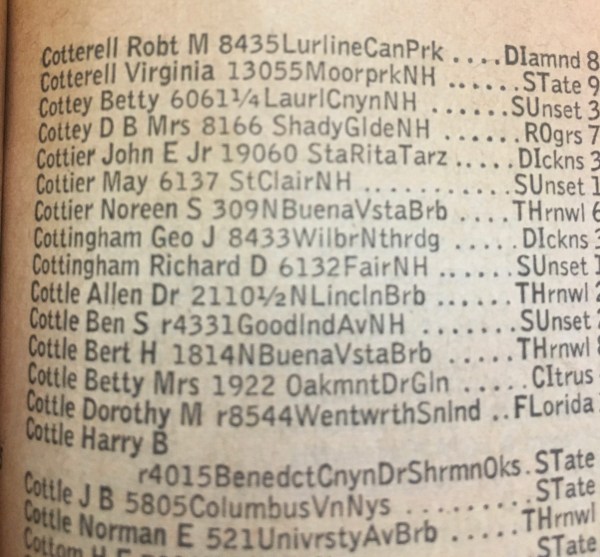
I’m sure Donna received child support from her ex-husband Robert Cotterell. And likely alimony until Donna remarried in 1958 to Jack Holroyd in a Las Vegas wedding.
It is probable that grandfather Ned LaRocca was the primary breadwinner of this household.
This would have been normal for the times.
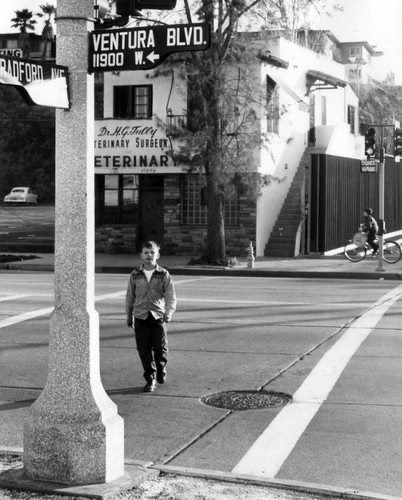

Family History #2. 1930s & 1940s. The Great Depression. Peoria. Move To LA. Frank & Rose. Marinellos. Radio City. Sunset and Vine. KNX. CBS. Architecture. Tom Breneman. Jane Harker #2 Warner Brothers. Samuel Lanier. Updated 1/6/2026
Posted on May 6, 2020
Frank LaRocca was a violinist and
brother of Diana Cotterell’s grandfather and defacto father Ned.
Frank worked as a music director in Decatur, Illinois during the 1920s.

Frank’s wife was named Rose. The rest of the LaRocca family still lived in nearby Peoria, Ill., where the LaRocca children of Sal and Anna had grown up.

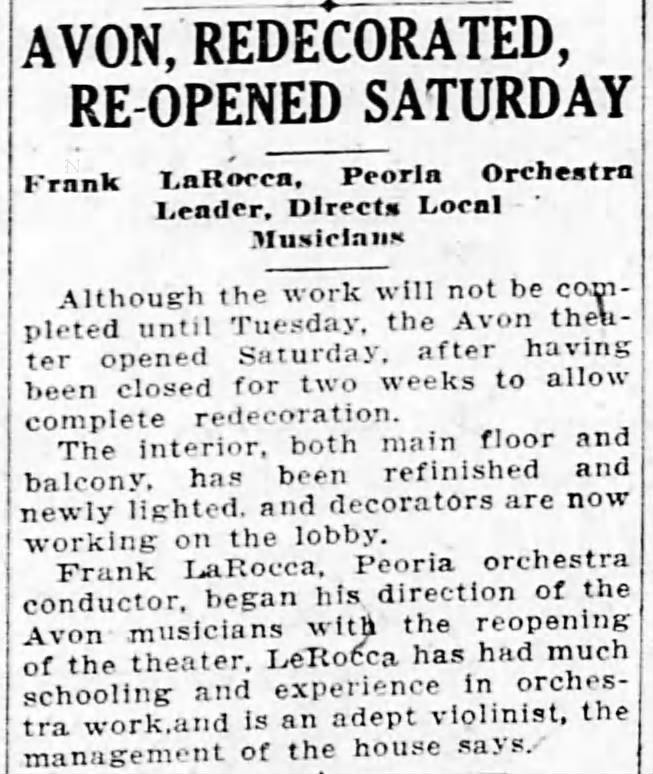
Decatur Herald Aug. 23, 1925
Mildred Marinell”o”
was a first cousin of Donna LaRocca, Diana/Paige’s mother. She was introduced in Family History #1.
Mildred and Donna lived next door to each other in Peoria, Ill., in the 1920s and 1930s, (see below) and later in Sherman Oaks, CA. in the 1950s. Mildred appears as a witness at the Hollywood wedding of Donna to Robert M. Cotterell in 1940. (See other 1940s chapter.)
Below
shows the 1930 census of Ned, “Jeanette” and Donna LaRocca listed as “Lodgers.” Lena Buckley listed as the “Head of House.”
That’s strange as the LaRocca Home on Martin St. has census records going back to the 19–teens when Salvatore LaRocca bought the home. Or maybe they rented?
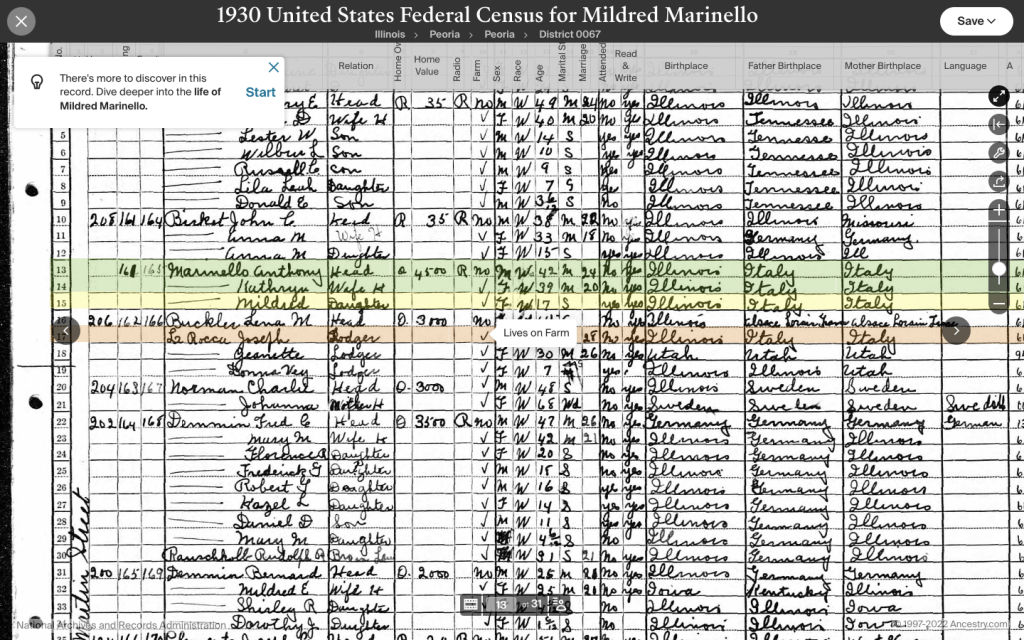
Look right above the LaRoccas green and yellow highlighted. We see that Donna’s cousin Mildred lives next door with her parents Anthony and Kathryn LaRocca Marinello. There is no Roxy, Paul or Frank LaRocca listed as they were previously.

Mildred dropped the O or I from her last name. She was a singer in the 1930s.
Frank and Rose may have departed for the West Coast by this time.
Paul and Roxy remained in their hometown of Peoria until their deaths. One son named Nikolas died as a young man of about 20 years.
1931 and 1932 Los Angeles phone directories list Frank LaRocca and wife Rose in Los Angeles. The couple are listed at 2303 Gatewood.
Ned, his wife Virginia LaRocca and 9-year-old Donna, join Frank and Rose in Los Angeles by 1934.
The family moved into a house located at 2234 Shoredale Ave. It’s located about 2 blocks away from Frank and Rose on Gatewood.
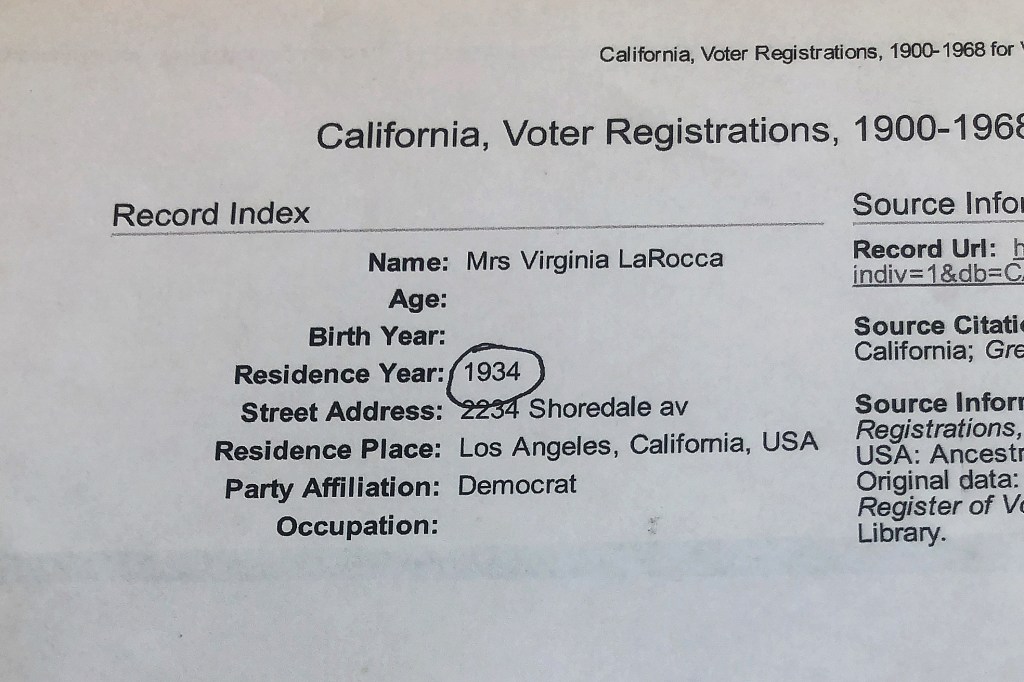
The Shoredale and Gatewood houses were in a neighborhood very close to Elysian Park. This location is near the LA River and Riverside Drive.
This was well before “the 5” freeway was built.
Brothers Frank and Ned LaRocca are listed as “music teachers” in the LA phone directory in the mid–1930s.
Ned and “Gin” on Shoredale and Frank and Rose not even 3 streets away on Gatewood.
Ned and Virginia LaRocca performed in Vaudeville tour acts in Los Angeles during the teens, 1920s, and 1930s. The green line is the LA River, grey with white stripe is the 5 Freeway, and light grey is the aptly named Riverside Dr. From what I observe on google maps, the buildings they lived in are still standing.
The LaRoccas were familiar with LA due to their Vaudeville touring.
Additionally, both Ned and Virginia had siblings already settled in Los Angeles.
As we have seen, Frank LaRocca and his wife Rose.
And, Virginia’s sister and sometimes partner in Vaudeville, Josephine Young Harker and her husband George Truman Harker.
Harker was a businessman from San Francisco by way of South Dakota. Jo and George were living in South Pasadena with their family of 2 children, Mary Jane and Jack Truman, and a live-in housekeeper.
Ned, Virginia and Donna wintered in Santa Monica one year during the Great Depression, according to a Mormon family history website. The story went that Ned LaRocca was supporting a houseful of women on a meager salary during the Depression.
Perhaps Ned played in a dance band on the famous Santa Monica Pier. Some write ups say he was a “Jazz Harpist.“
1937 January
According to his death certificate, Frank LaRocca is admitted to Methodist Hospital with peritonitis/perforated duodena. After one week in the hospital, Frank dies, having contracted pneumonia two days earlier.
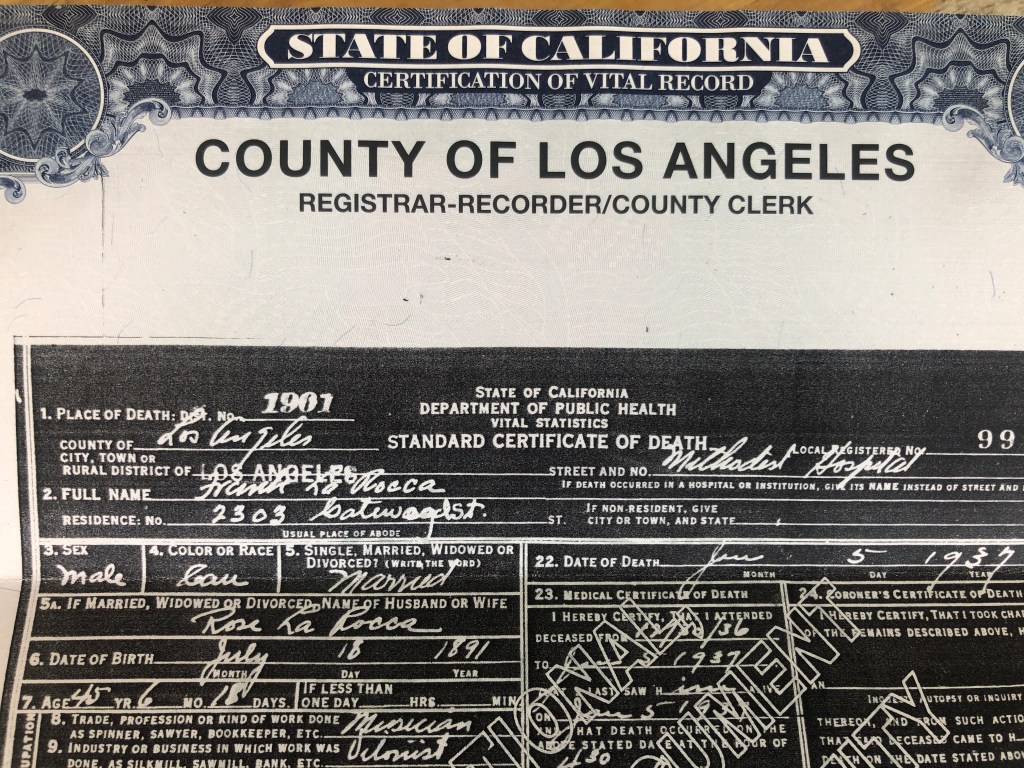
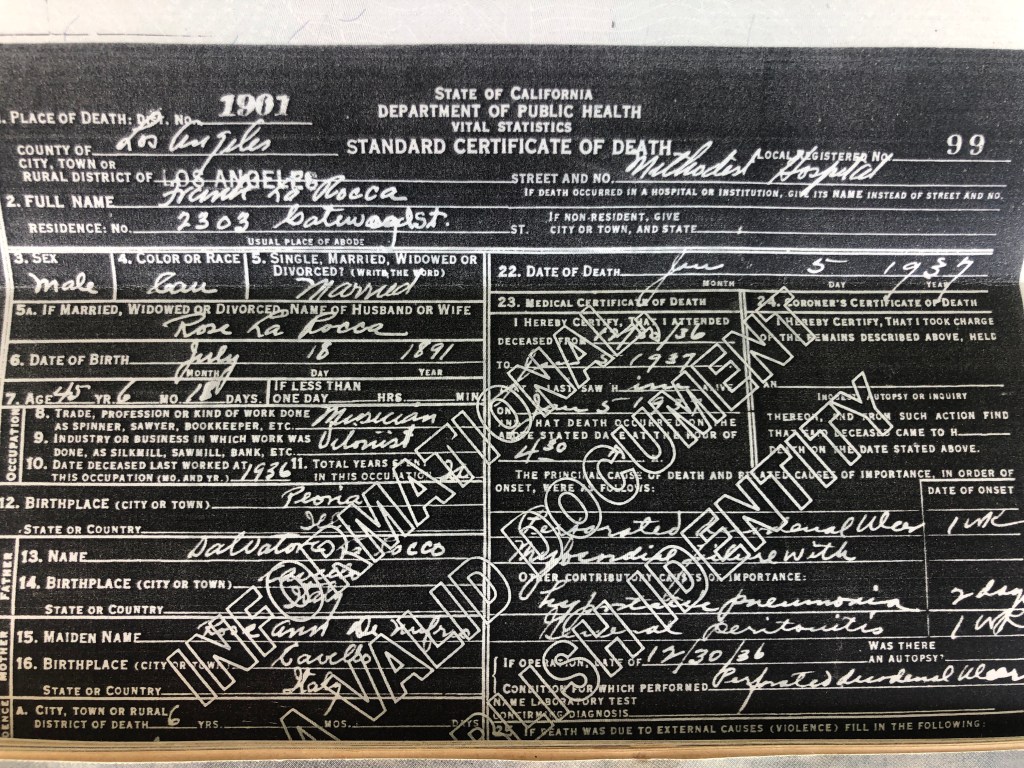
LAT obit. January 1937 Frank and Rose did not have children.
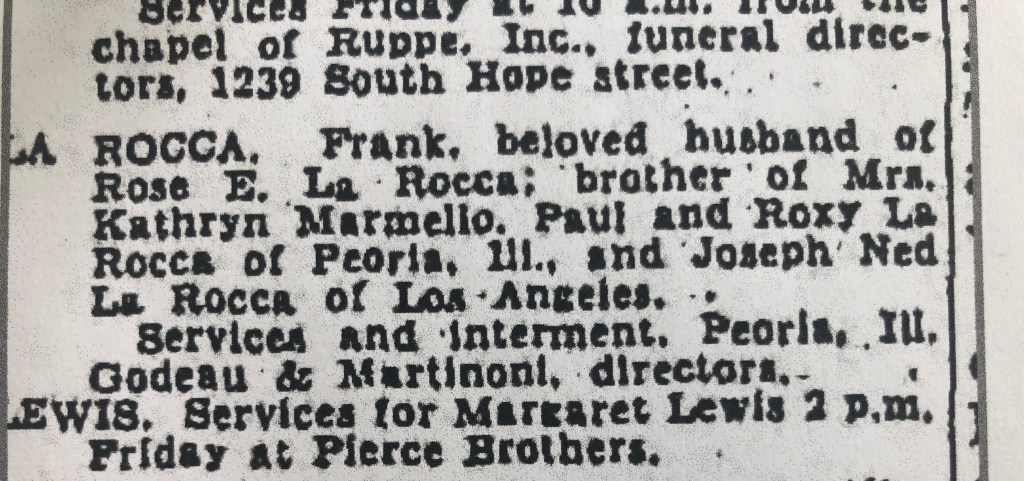
From find-a-grave. Frank’s tombstone in Peoria, Illinois.
His find-a-grave page includes an obituary from the Peoria newspaper, stating that Frank’s brother: Ned LaRocca lives in LA, is a harpist in a “Hollywood radio orchestra.“
Ned played at the famous Hollywood Hotel in the 1930s.
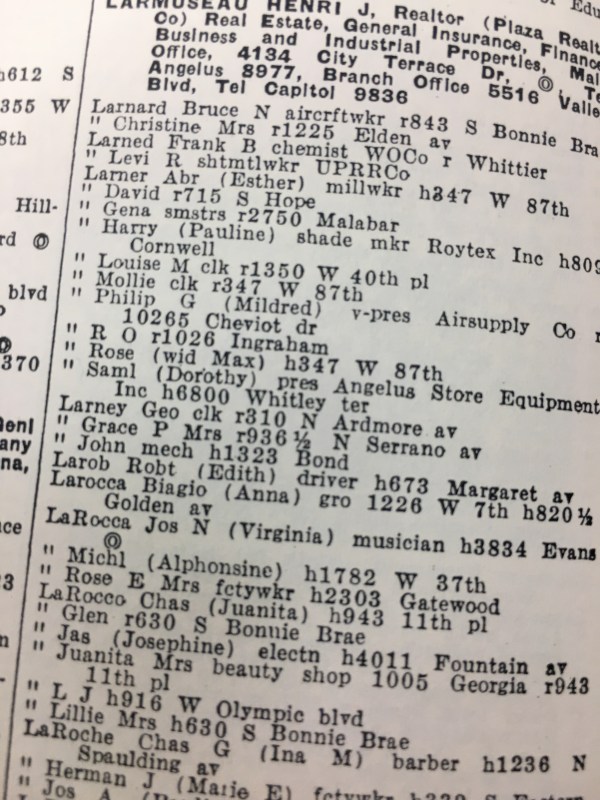
Late 1930s LA residence directory.
Ned and “Gin” are at 3834 Evans St. a single family dwelling. This new home is located a stone’s throw from well known Marshall High School.
Joseph’s sister-in-law Rose is now a widow to Frank. She is listed as a factory worker this year.
Rose LaRocca was also an Illinois native.
She returned to Los Angeles after her husband’s burial in the family plot in Peoria.
In other directories in the years directly after Frank’s death, I saw Rose listed as a cook. In another year, she was a seamstress.
I don’t think imagine this was an easy road.
Biagio LaRocca may be a family member. He was also listed in the Oakland directories in the late 1920s, when Ned and Virginia spent two years.
In the late 1930s, A “Radio Row,” was forming along the section of Vine Street between Hollywood Blvd. and Sunset Blvd. The anchors were NBC, CBS, ABC.
Moving pictures and radio replaced Vaudeville as the entertainment offering to the masses in the 192os and 1930s.
Technology created and distributed the new medium.
Music was needed for Radio dramas, comedies, advertisements and news shows.
A Streamline Moderne building was the new west coast headquarters of NBC radio. on Sunset & Vine in Los Angeles, opening in 1938.


*Below, I’m attributing radiocityhollywood.com below for several historic descriptions and explanations.
The National Broadcasting Company originally used the phrase Radio City to describe their studios at Rockefeller Center in New York City. When NBC opened their new Hollywood studios at Sunset and Vine in 1938, they placed the words Radio City prominently on the front of their new building. However, the area between Hollywood Boulevard and Sunset Boulevard on Vine Street became known as Radio City for tourists and locals alike who visited the many radio studios and radio themed cocktail lounges and businesses in the area.
radiocityhollywood.com
CBS radio aka “Columbia Square” opened just down the street from NBC, and also in 1938, either months or weeks before NBC.

Architect is Swiss-born William Lescase. CBS Columbia Square is the official moniker. The legendary Brittingham’s Restaurant existed in Columbia Square. This building and NBC were major tourist attractions in 1938 throughout the 1940s in Los Angeles.
Veteran performing artist Ned LaRocca found employment for his harp skills at both these NBC and CBS buildings
This building is the new home to KNX Radio, where Ned LaRocca found work in the late 1930s and 1940s.
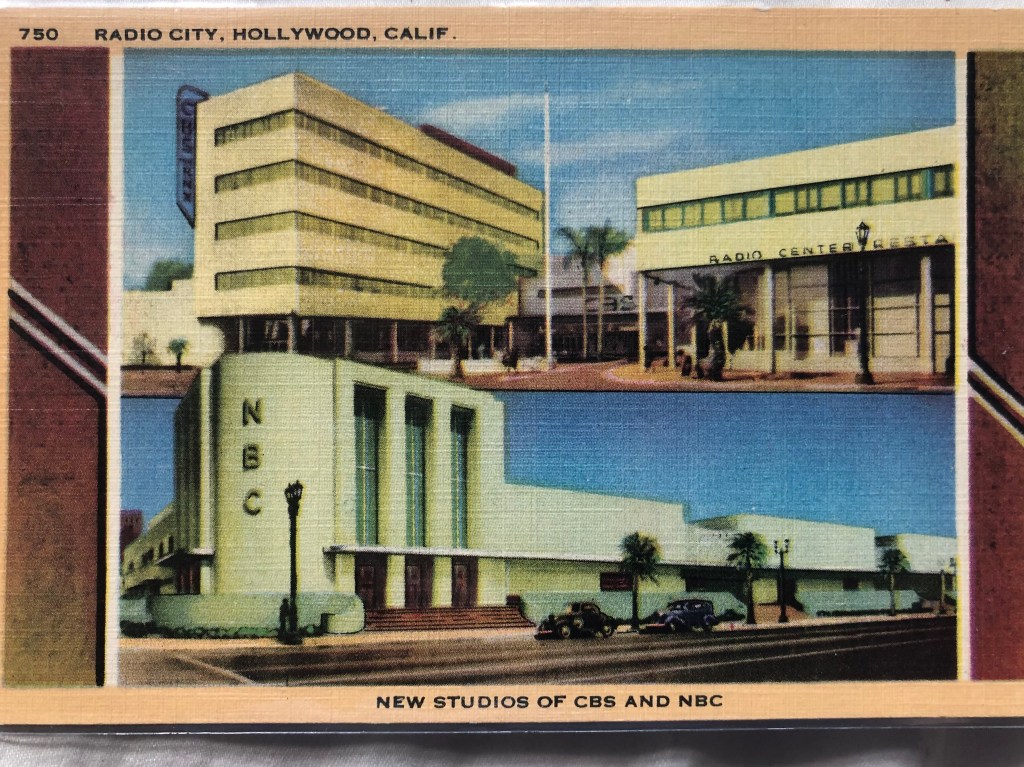

Radio Row in LA must have been a scene overflowing with human activity. Many people needed wanted or both, to be in the area.
The buildings contained employees of the many different businesses, their friends and families, audience ticket holders, tourists from near and far, “Big wigs” in the Industry, interns, janitorial staff, waiters, waitresses, hosts, cooks, caterers, and owners were present on the scene.

Los Angeles Evening News, April 29, 1938
Ad for famous Knickerbocker Hotel.
<<<<<<<Sunset & Vine, Radio City and CBS.
Professional radio performers like Tom Breneman and musicians like harpist Ned LaRocca also had a job in Radio City.

More on Jane Harker coming up below. In the 1940 census, Ned is listed as a Harpist on the radio.
The Hollywood Palladium opened two years later between NBC and CBS, with the Tommy Dorsey Orchestra, featuring band singer Frank Sinatra. Across Vine Street, on the northwest corner of Sunset and Vine, sat Music City and Capitol Records, operated by bothers Glenn and Clyde Wallich.
A block away, the Columbia Broadcasting System opened its new modern studios at Columbia Square. Across the street, on December 26, Earl Carroll opened his premier nightclub and restaurant, with the glamorous neon sign proclaiming, “Through these portals pass the most beautiful girls in the world.”
The National Broadcasting Company, after moving from New York to San Francisco, opened its’ new Moderne studios at the intersection of Sunset and Vine in Hollywood, California.
radiocityhollywood.com
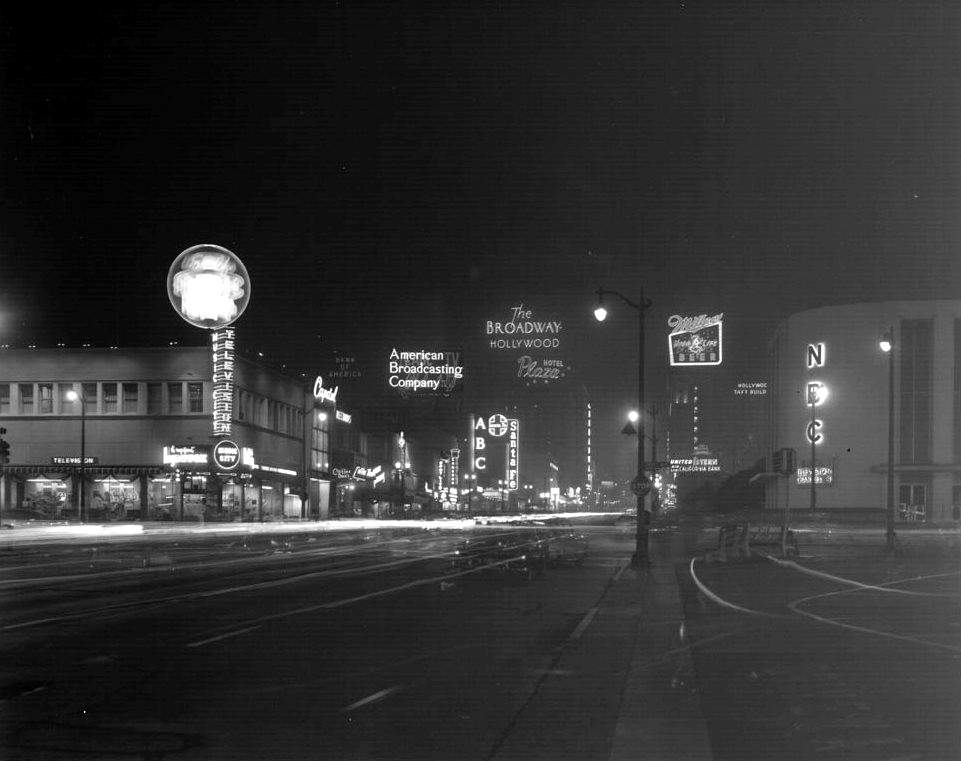
Film-Noirish image at Sunset & Vine, found on the internet. Looking at NBC from Vine St.
NBC on the right. 1940s. Capitol Records on the left, before the iconic new location, the “Stack of Records” building, was built at nearby 1750 Vine St. by Welton Becket and Assoc. (Opened in 1956)
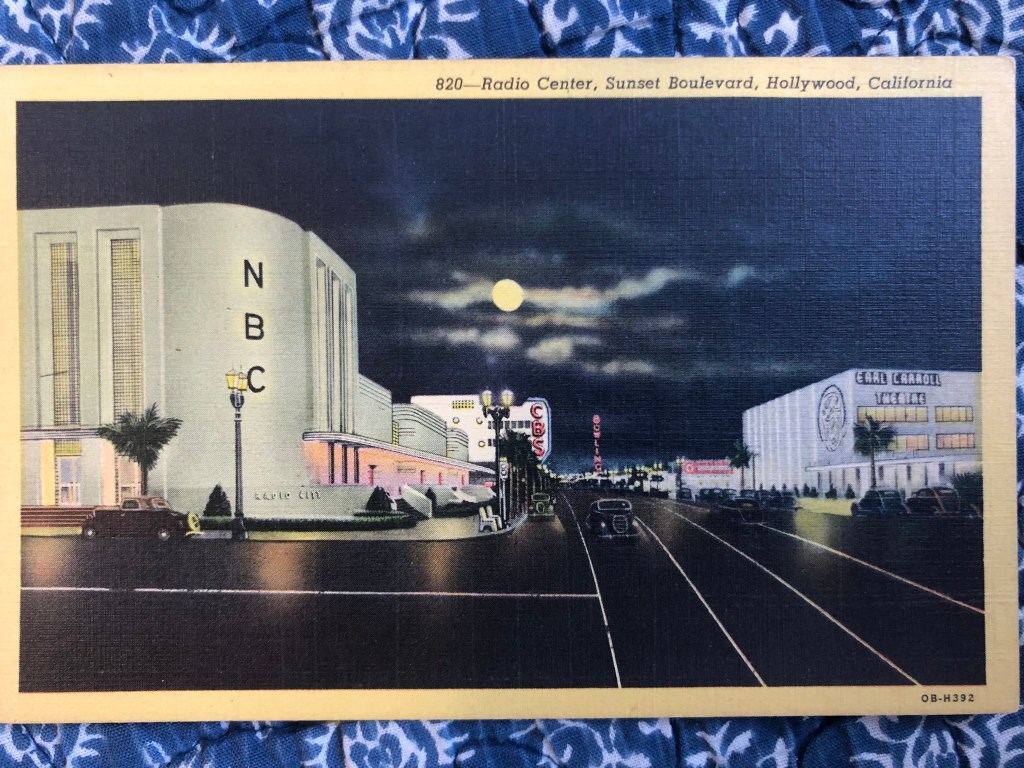
The radio industry in Los Angeles was at its’ zenith in the 1930s through the 1940s.
There was a radio industry presence before the iconic NBC and CBS buildings in 1938. And I wonder in Ned found work there upon his relocation to Los Angeles.
Roughly the 1930s and 1940s was the Golden Age of Radio.
Television would soon replace radio as the mass entertainment medium of choice during the 1950s.
More from Radio City Hollywood:
The American Broadcasting Corporation set up shop a few doors north on Vine Street. Up the street was the Radio Room, Club Morocco, Mike Lyman’s and the famous Tom Breneman’s Breakfast in Hollywood restaurant. Even further up Vine, just before Hollywood Boulevard, Clara Bow operated her restaurant, the It Cafe. Across the street, south of the Boulevard, was the world famous Vine Street Brown Derby, more restaurants and bars, and at Selma Avenue, the RCA building. Further south, at the end of the block, at the intersection of Vine Street and Sunset Boulevard stood the radio flagship studio, NBC Radio City.
It was a glorious year, 1938, for Hollywood and for radio. And, while NBC called their new studios Radio City, the entire area became famous across America and around the world.
Radio City Hollywood website.
Tom Breneman broadcast his mega popular show “Breakfast In Hollywood” from his restaurant on Vine off Sunset Blvd.
I have listened to a few of his radio broadcasts on YouTube. Breneman often asked audience members, “Where are you from?” The answers come from a combination of tourists and locals, from my observation.

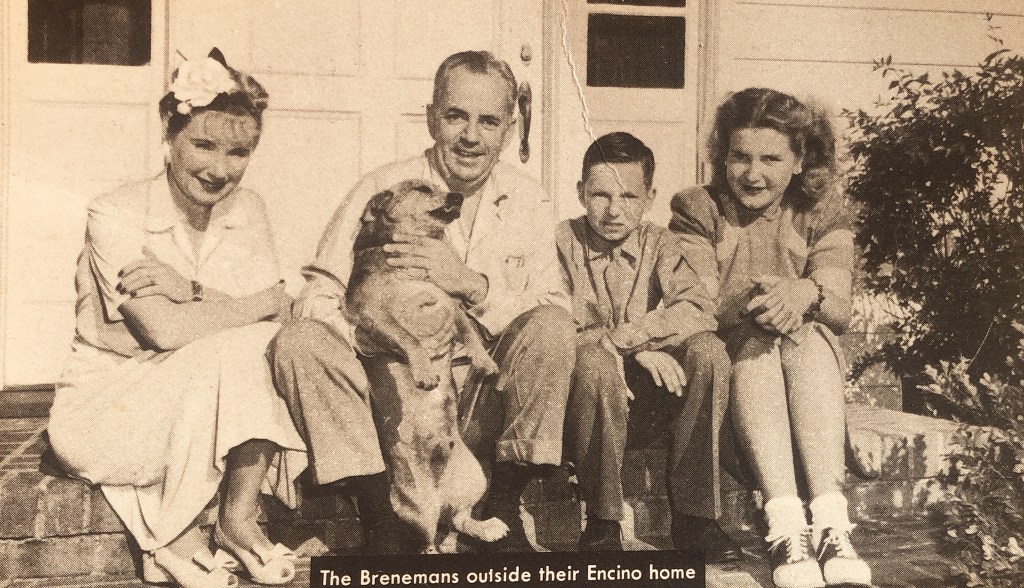
Mr. Breneman was known as the Mayor of Encino. Here we see Tom’s family in the 1940s. Breneman made the commute from the Encino in the SanFernando Valley to Hollywood for his show.
Ned LaRocca made the same trek in the 1950s from Studio City.
Tragically, Breneman died of a heart attack in 1948.
Ned LaRocca continued to work at NBC and CBS throughout the 1940s. He made an important contact with Leith Stevens, a conductor and composer who worked in Radio for years in NYC.
More on Stevens in the 1950s chapter.
1938, 1939 & 1941 LA phone directory, Joseph LaRocca is listed as a musician and living at 3834 Evans.
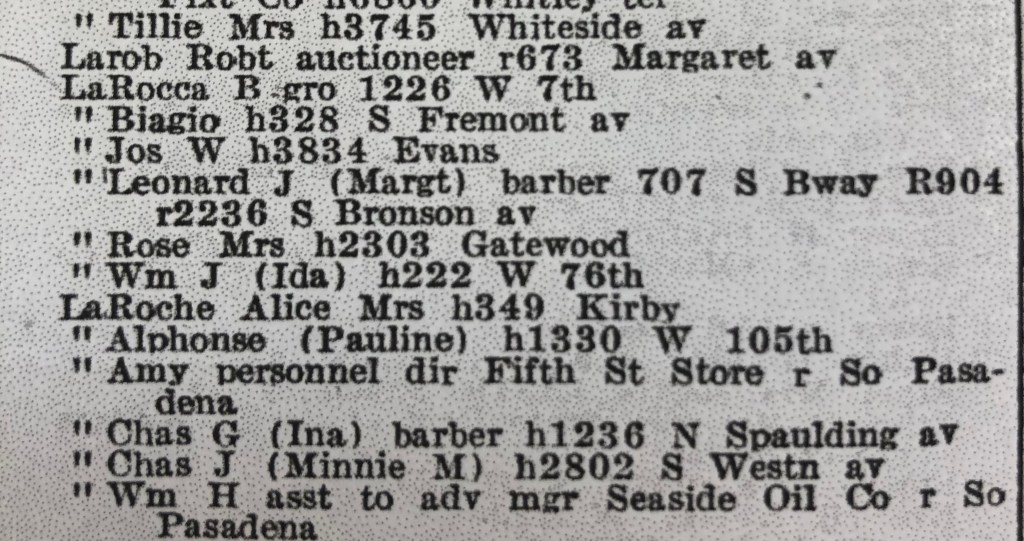
Rose’s home state was Illinois.
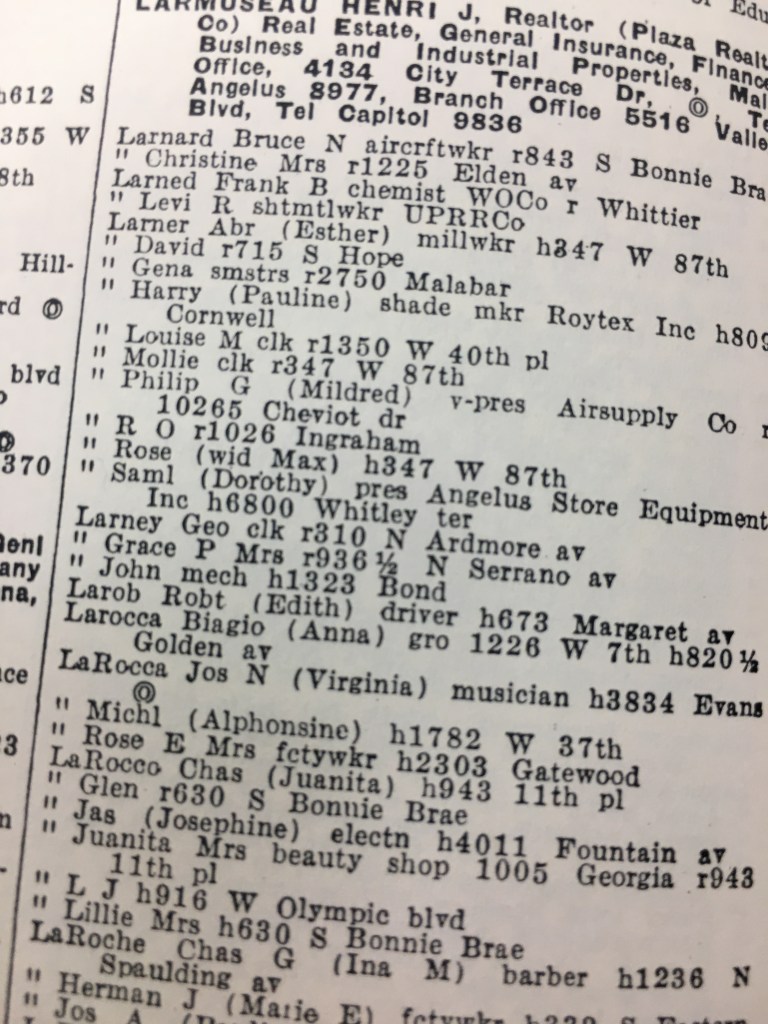
Late 1930s Los Angeles directory. Joseph’s sister-in-law Rose, widow to his brother Frank, is a factory worker this year. One year she was listed as a cook and another year, a seamstress.
Biagio LaRocca may be a family member. He was also listed in the Oakland directories in the late 1920s, along with Ned LaRocca.
Besides Mildred Marinell, Donna LaRocca had another female cousin named Mary Jane Harker, born two years after Donna, in San Francisco.
Jane had a very short lived Hollywood career, from 1945-1947, contracted to Warner Brothers studio.
Please see new chapter on Jane Harker.
Jane Harker was the daughter of Josephine Young, Virginia Young LaRocca’s sister. Her father was named George Truman Harker.
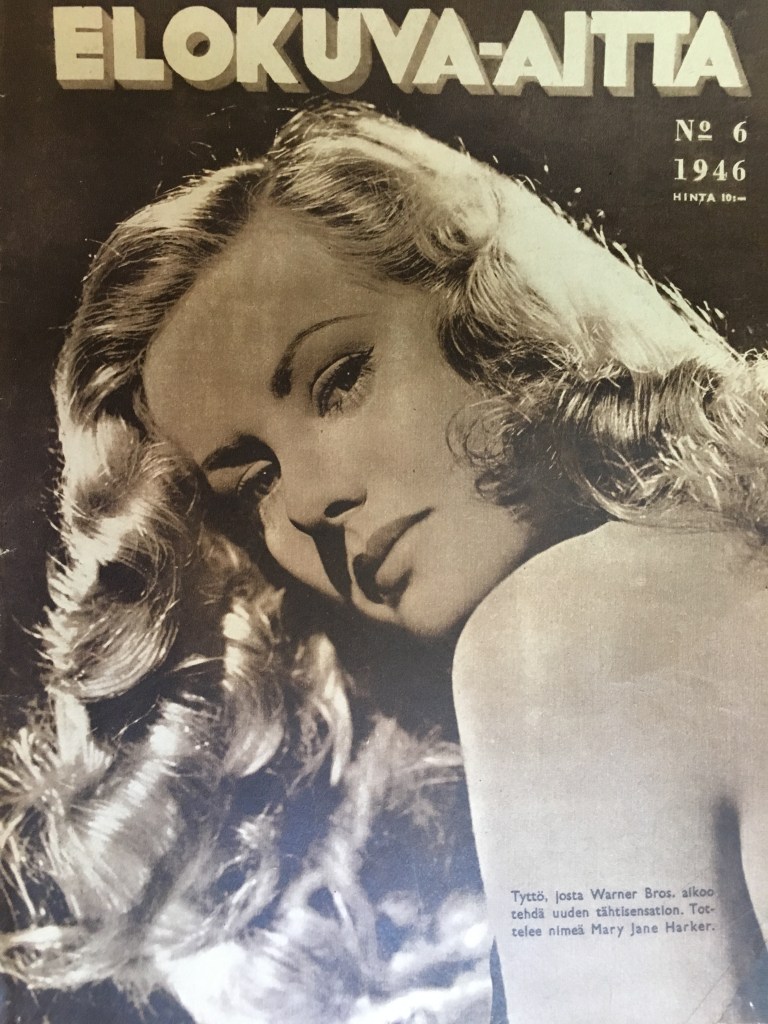
She was out of Hollywood, both the industry and LA, by 1947, after marrying war hero, Navy pilot Samuel L. Lanier.
Military life moved the couple and their 4 children around a lot, Hawaii and San Diego, but eventually they settled in Jacksonville, Florida.
.
Salt Lake City Tribune July 19, 1945. Paige Young’s 2nd cousin. “Mary” would soon be dropped.
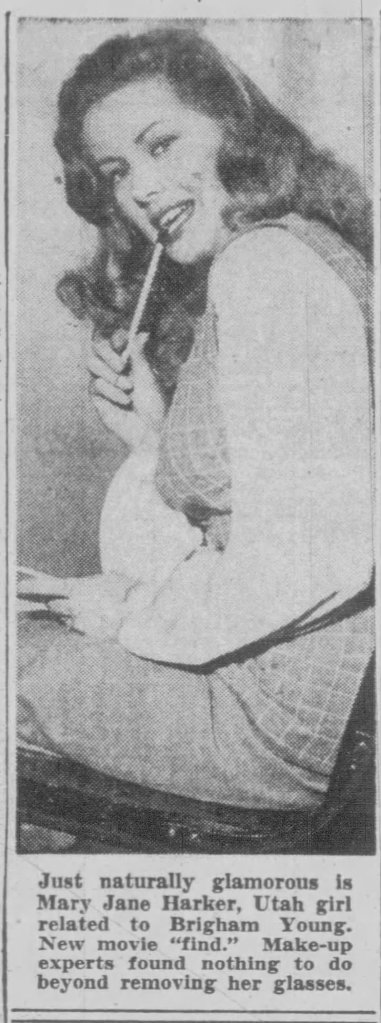
The information about Jane Harker that you see on websites imdb and Warner Brothers wiki, is incorrect.
I hope to establish the correct biographical information on this forgotten Warner Brothers contract player.

Article announces a hometown war hero’s engagement to a beautiful Hollywood starlet and native Californian: Jane Harker.

A little about Samuel Lefkovits Lanier:
Lefkovits was the family name. Sometimes it is spelled with a z, like this article. Samuel Lefkovits was known as “Sammy” and hadn’t yet changed his surname to Lanier but he would in within the next 16 months. Looks like Sammy was just beginning his training as a pilot, 13 months before Pearl Harbor. Alabama Daily Decatur Nov. 1, 1940
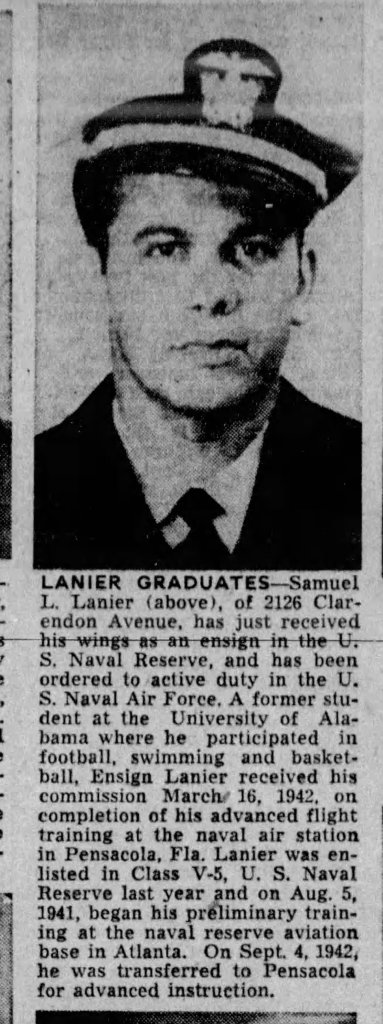
Birmingham News Apr. 19, 1942 Pearl harbor was just 4 months earlier, when this article and photo of Samuel L. Lanier was published.
His parents were Norman and Ida Lefkovits, active members of a thriving Jewish community in Bessemer. (And Birmingham)

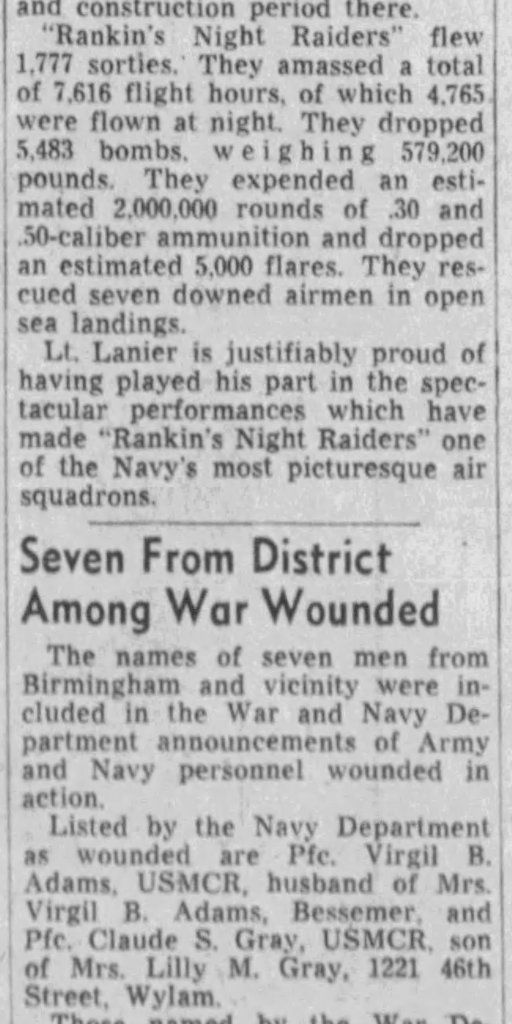


Why Grow Old? was a long running beauty and health column written by Josephine Lowman. Jane Harker was the model for the column for several years in the 1940s. I’ll include a few more (of dozens I saved) sometime in the future.
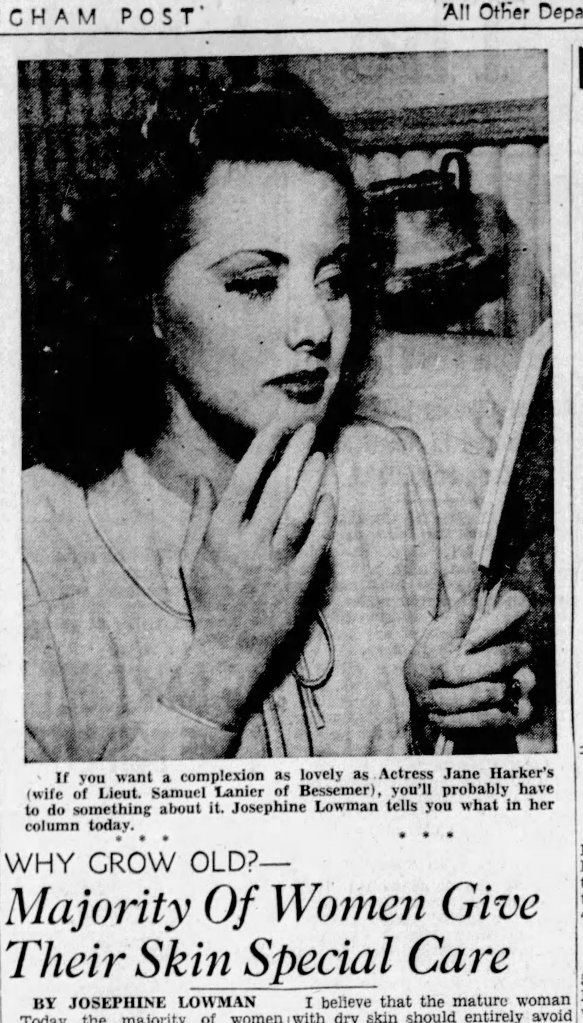
Birmingham Post Feb. 12, 1946. The Lowman Why Grow Old? column, makes use of Bessemer’s connection to glamorous Hollywood.
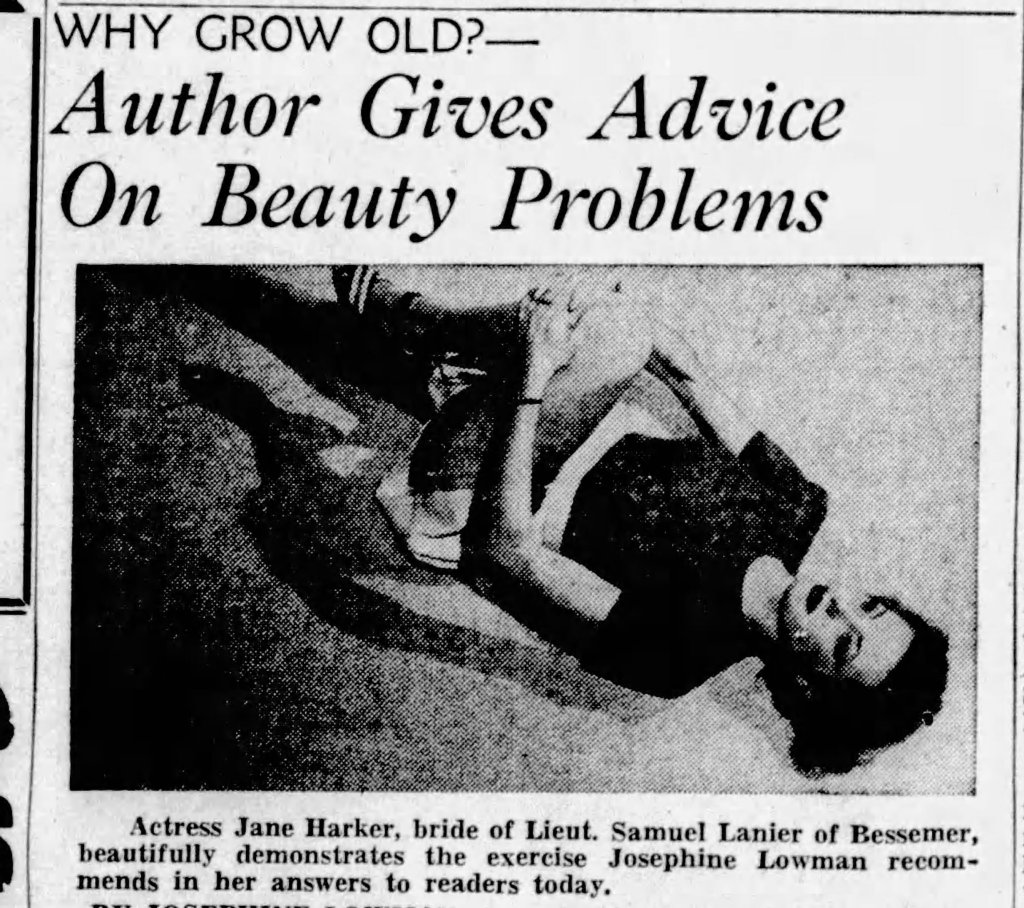
There were dozens of short articles in newspapers across the US even been hundreds, that appeared when Jane Harker left a burgeoning film career in LA.
The reason was to marry and relocate with her military husband Lt. Samuel L. Lanier.
Below is a small sampling of these announcements.
I will be adding more in the future along with Jane Harker’s many fashion photographs published. “High fashion” as opposed to studio publicity pin-up shots.
Martinez News Gazette Apr. 15, 1947
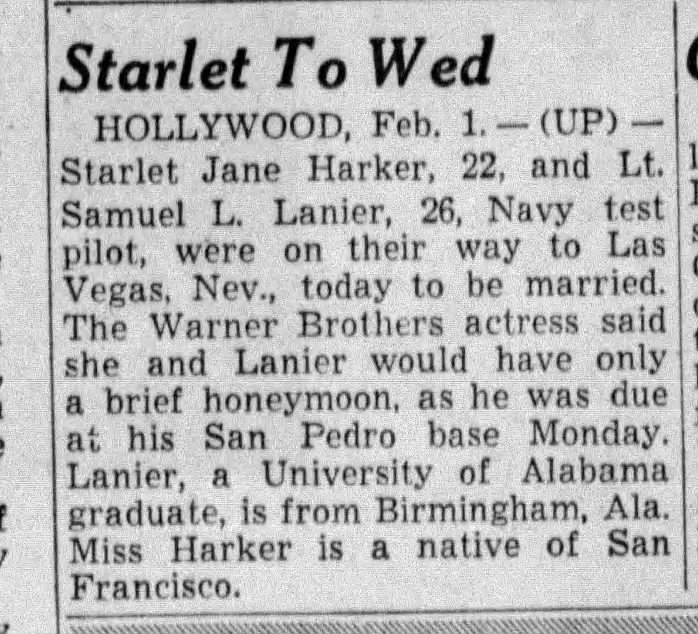
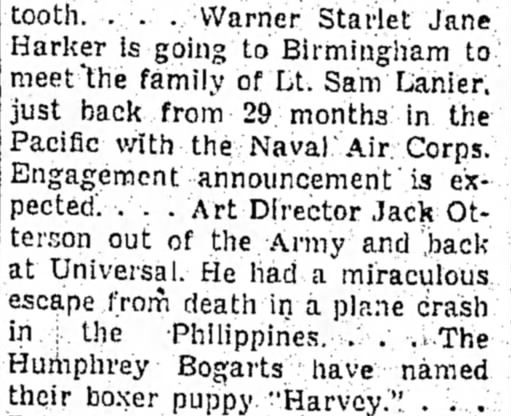
From Harrison Carroll,a Hollywood gossip columnist. Bradford Era (PA.) Nov. 23, 1945.
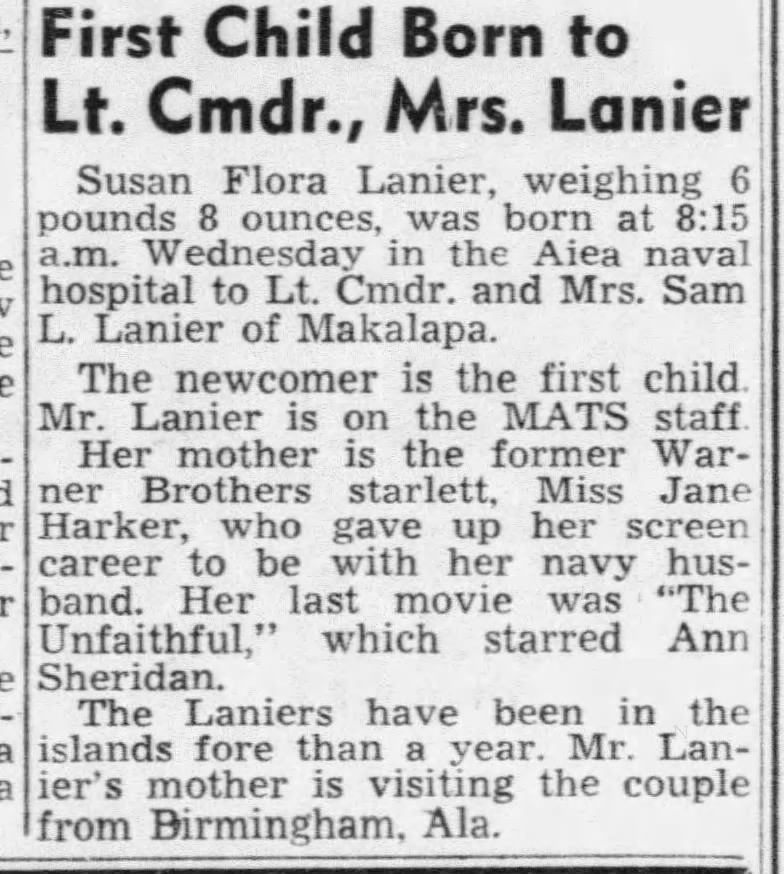
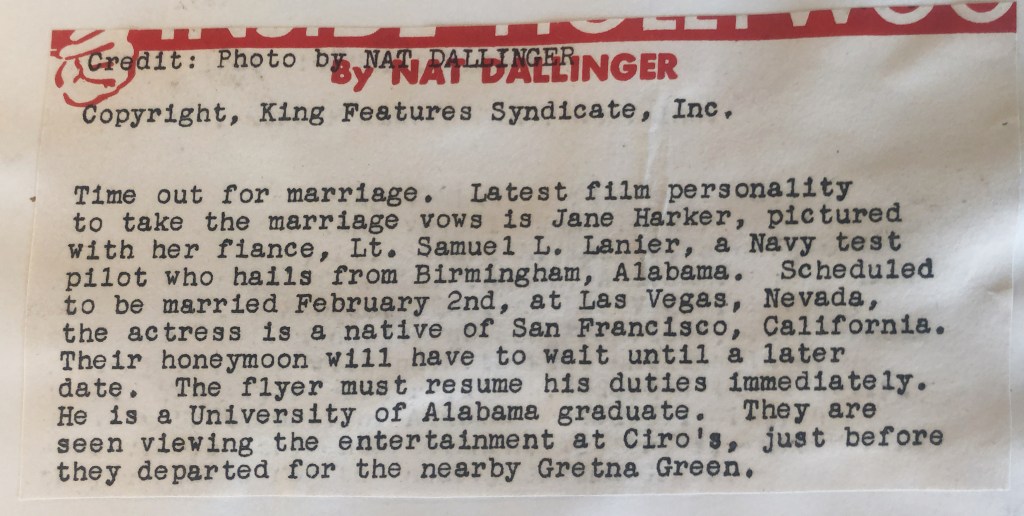
.
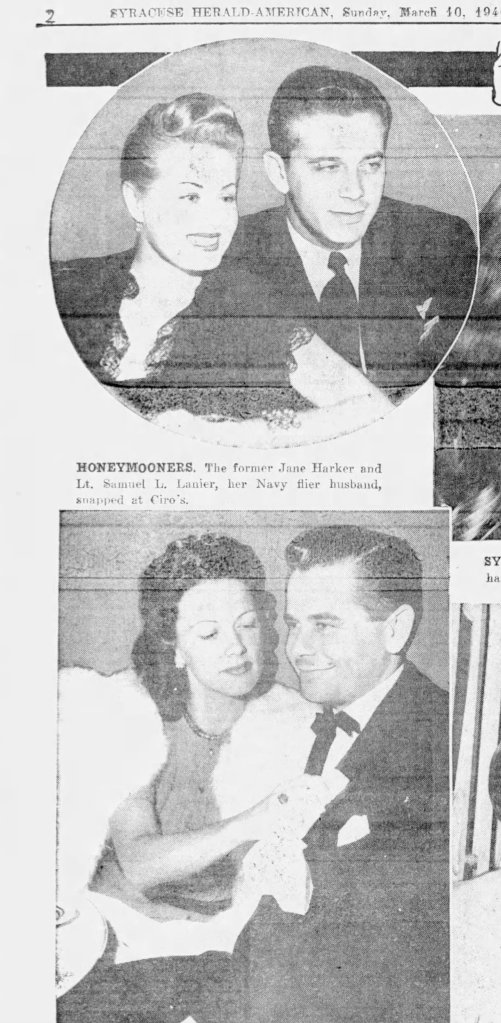

 Paige Young in Los Angeles