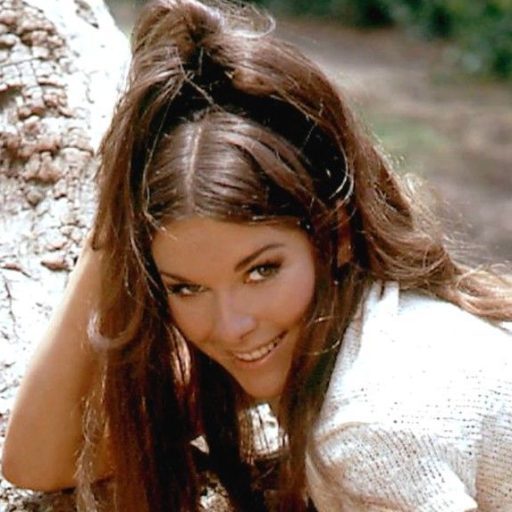
 Paige Young in Los Angeles
1950s #1 Updated 9/16/26: 1950 Census. Gardena. Move to San Fernando Valley. Ned & Virginia LaRocca. The Marinello/Bartletts. Recording Industry LA. Leith Stevens.
The San Fernando Valley (SFV) saw significant migration after World War II, with families like the LaRoccas moving to the area for various reasons. The 1950 census reveals details about the LaRocca family, including Joseph’s role as a Radio Orchestra Manager and Virginia’s work as a Christian Science Practitioner. They lived in Gardena before relocating to a duplex on Moorpark Street in Studio City. Family connections also included the Marinello family, who owned a nearby grocery store. The LaRoccas were part of a rapidly growing suburb that transformed from agricultural land to a bustling urban area, replete with shopping and housing developments.
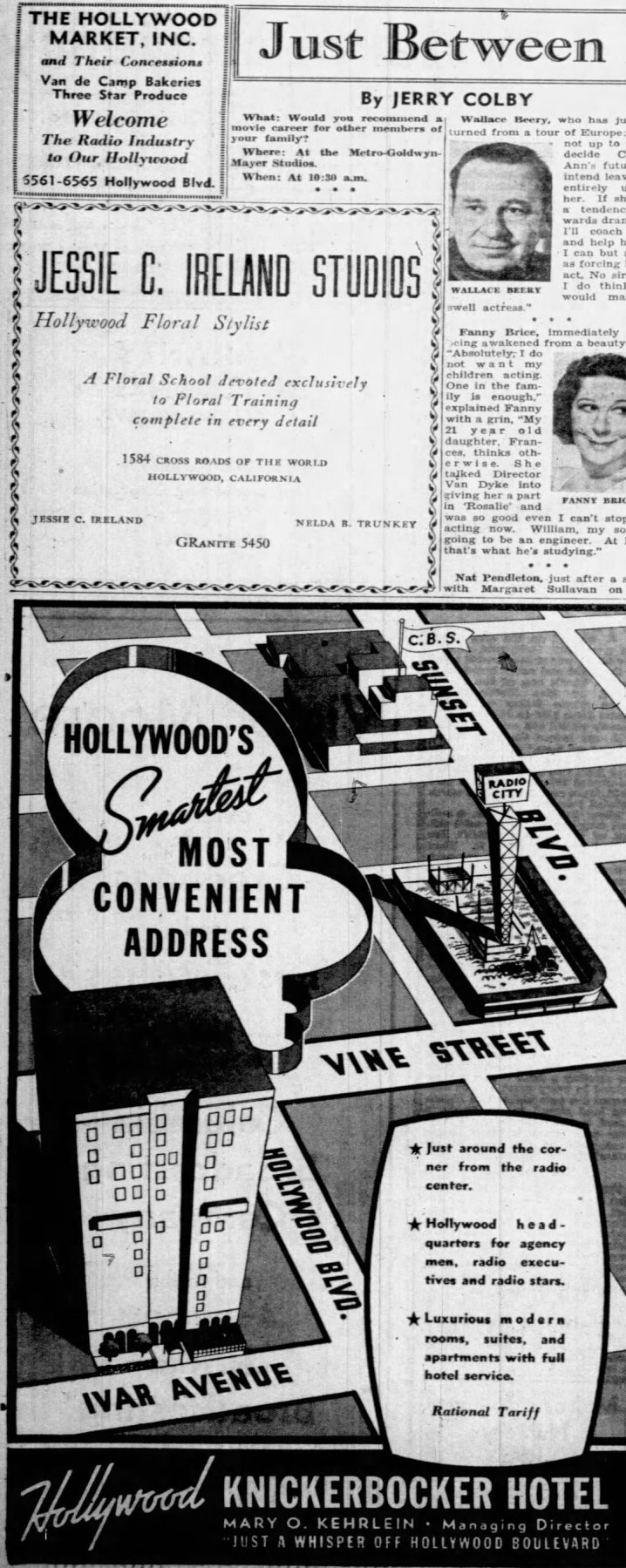
Family History #2. 1930s & 1940s. The Great Depression. Peoria. Move To LA. Frank & Rose. Marinellos. Radio City. Sunset and Vine. KNX. CBS. Architecture. Tom Breneman. Jane Harker #2 Warner Brothers. Samuel Lanier. Updated 1/6/2026
Frank LaRocca was a violinist and music director in Decatur, Illinois, during the 1920s, married to Rose. He later moved to Los Angeles with his family, where his brother Ned, also a musician, found work in the radio industry. Frank passed away in 1937 from complications of a perforated ulcer. His widow, Rose, returned to LA and worked various jobs. The LaRocca family members were deeply embedded in the entertainment scene as vaudeville performers and radio musicians throughout the 1930s and 1940s.
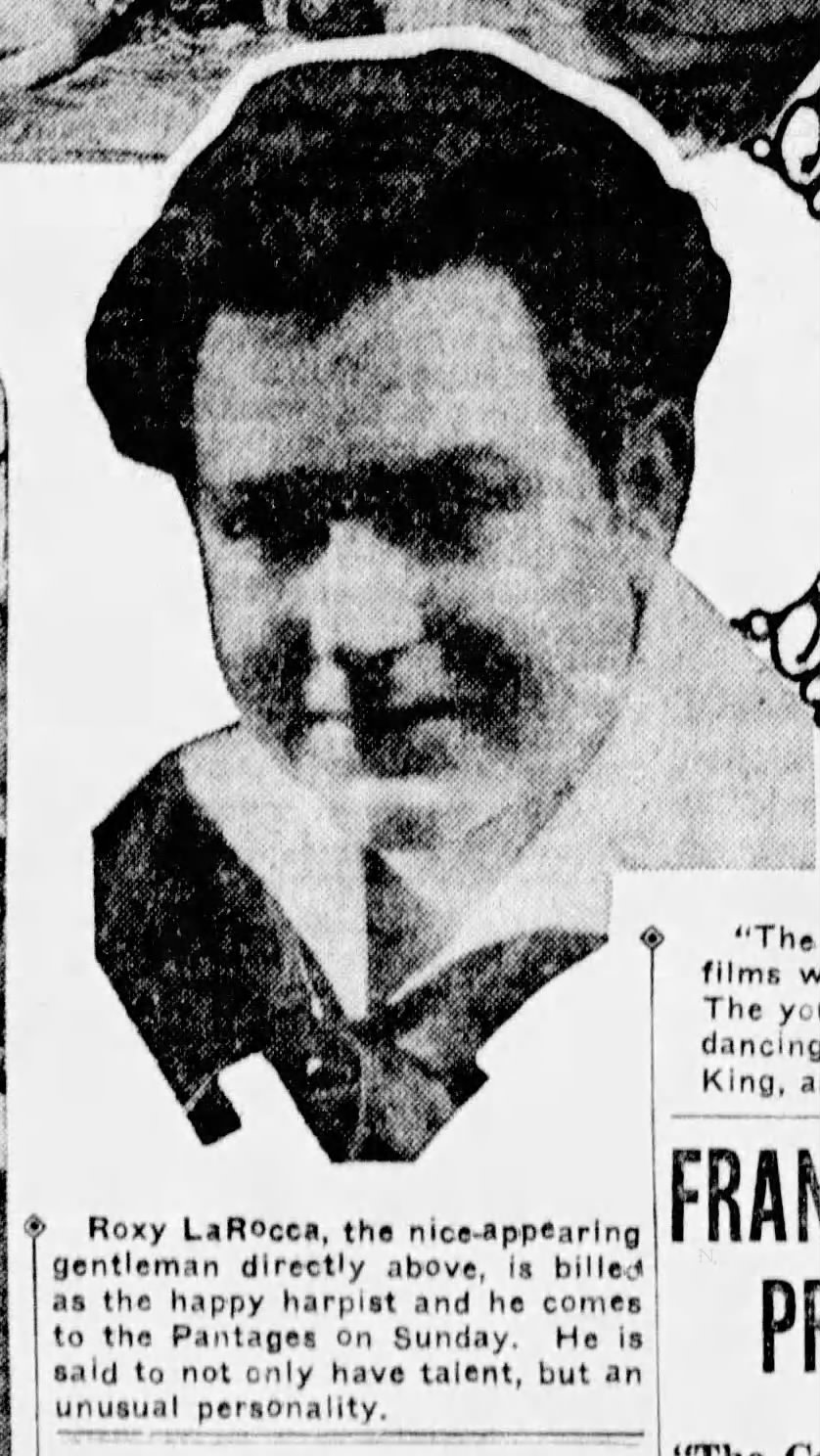
Family History #1:Teens, 1920s. Vaudeville. Joseph And Roxy LaRocca. Peoria. Virginia & Josephine Young. SLC. The Great Depression. Oakland.
Roxy LaRocca, known as “the Wizard of the Harp,” was a celebrated vaudeville performer and the great uncle of Diana Cotterell. Originating from a musically inclined family, Joseph Ned LaRocca was Roxy’s younger brother, and both toured the vaudeville circuits. Their father, Salvatore, was also a harpist. The LaRocca family faced challenges during the transition from vaudeville to emerging mass-media forms like radio, ultimately leading Roxy to retirement and local political involvement in Peoria.

