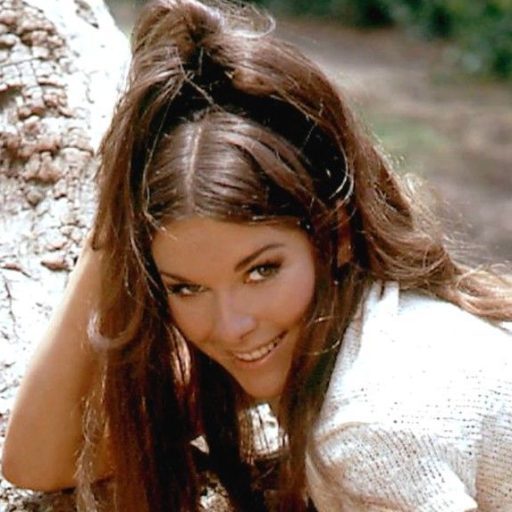
 Paige Young in Los Angeles
Nick Lees and Bob Sanders Reminisce about Paige Young.
Nick Lees, a writer for the Edmonton Journal, wrote the following article in 1981. Nick Lees returned to his job at the Edmonton Journal 7 years after he was fired for leaving on his unscheduled vacation with Paige Young. Is Nick the reason Paige missed her contracted appearance at the winter sports show? Did she make up this “sudden illness” excuse? The part…
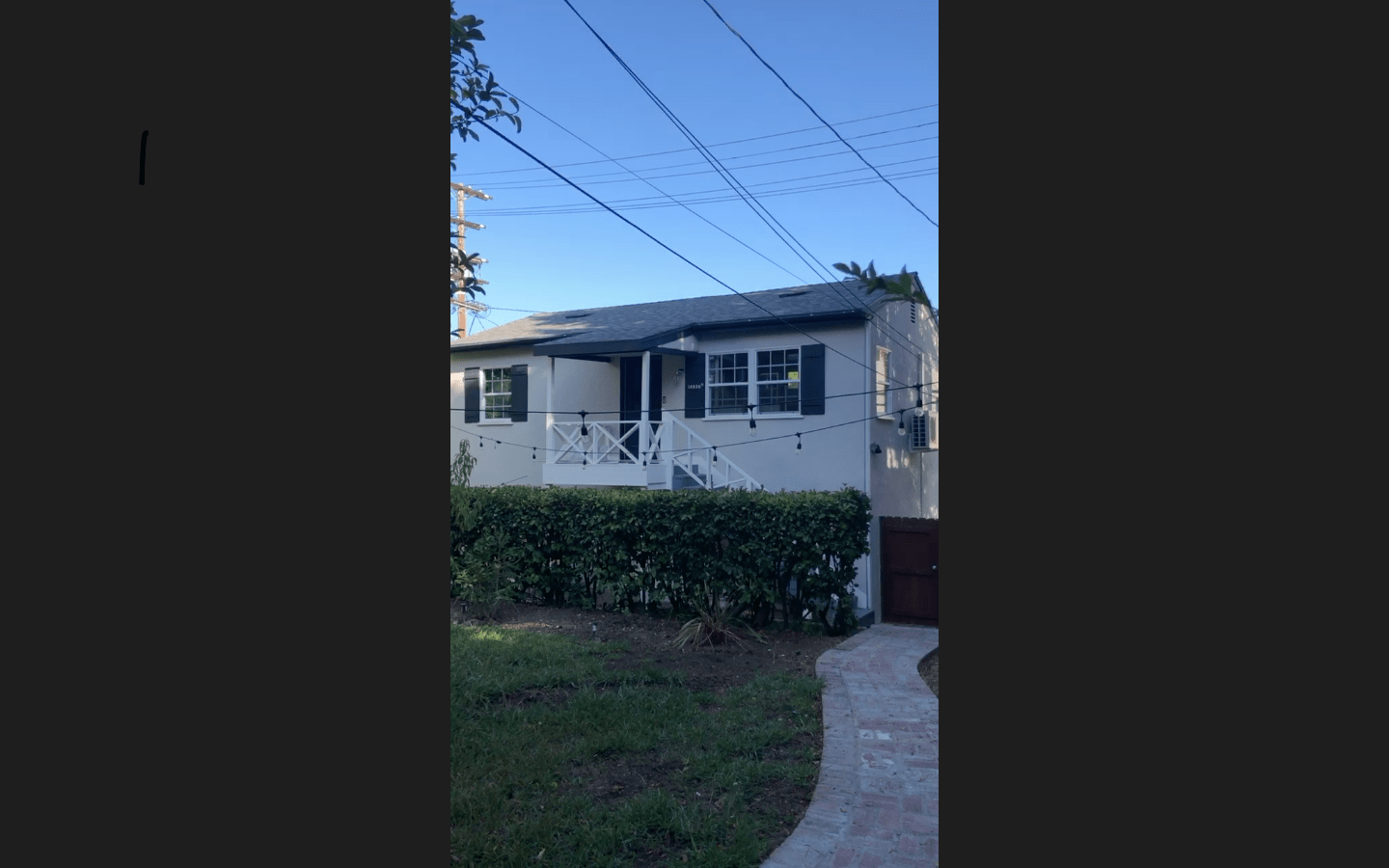
1974 #1 Official Death Cert. Witness. LAPD Suicide Report. Sex Tapes? Cremation & Ocean Burial Records. David Shane & Family. Secrets of Playboy. Bobbie Arnstein. Joni Mattis. Very Long. Updated 3/26/26 (Currently Undergoing Editing.)
The narrative recounts the tragic suicide of Paige Young, a former Playboy model, on April 7, 1974, her 30th birthday. Struggling with a looming scandal over an alleged sex tape, Paige reportedly expressed deep depression to her neighbor Melanie Myers before her death. Melanie described a disturbing scene in Paige’s apartment featuring a shrine of hate toward Hugh Hefner, whom Paige blamed for her suffering in Hollywood. Despite the evident turmoil, her death received minimal media attention, overshadowed by other events involving Hefner and the Playboy community, warranting further exploration into Paige’s life and circumstances.
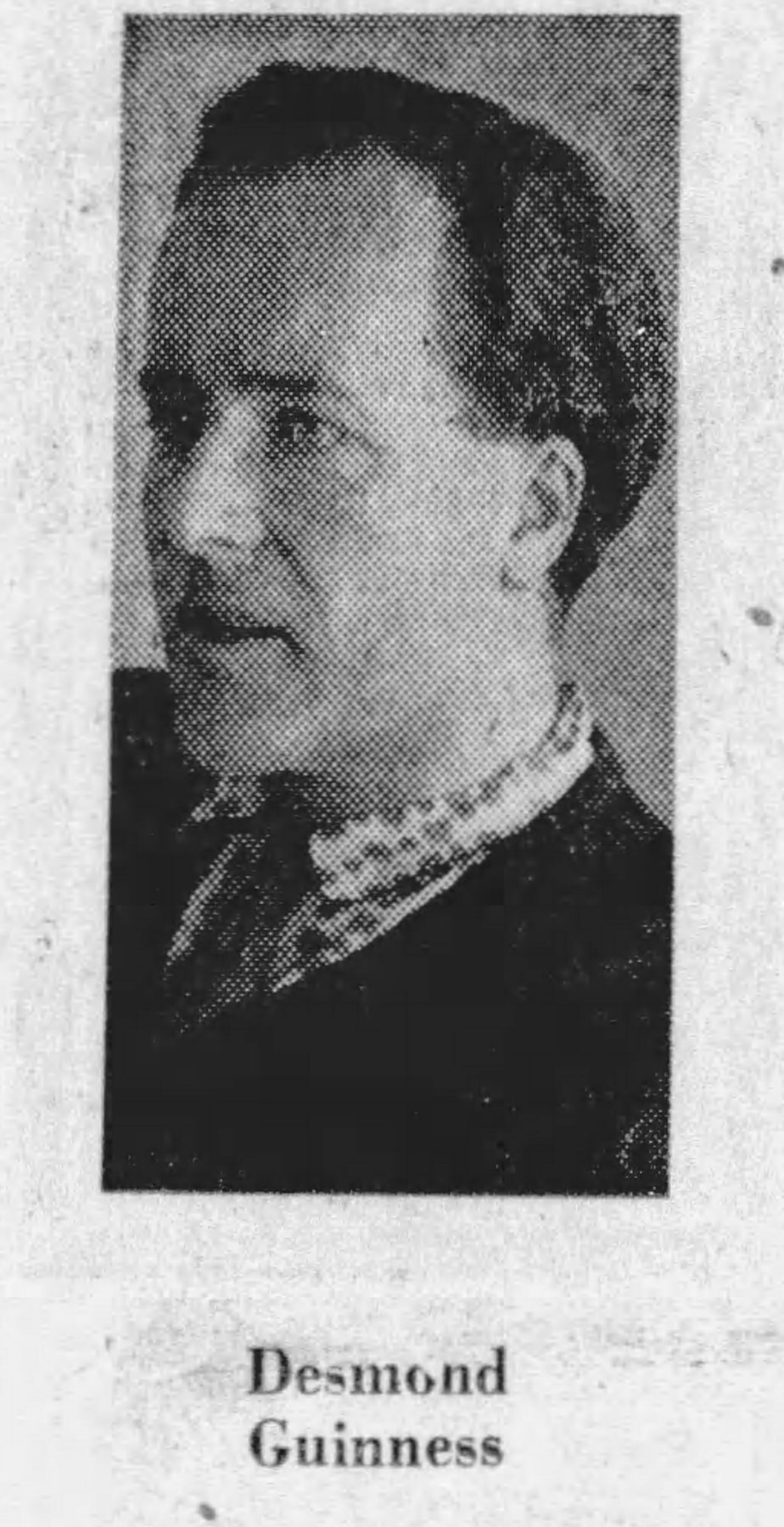
1973 #2 *Meet the Hon. Desmond Guinness & His Mother Diana Mitford, her husband Oswald Mosley. “Princess” Mariga. Irish Georgian Society. 1969 Flashback. Suzy. Jody Jacobs and Beverley Jackson. Santa Barbara. LONG. 5/3/26
The content details the author’s research on historical figures, specifically Desmond Guinness and Paige Young, through newspaper articles and personal accounts. A 1973 LA Times column reveals Young attending a party for Guinness shortly before her untimely death. It mentions Beverley Jackson, a columnist and scholar who interacted with both Guinness and Young. The author outlines Guinness’s family’s controversial background, particularly involving his mother Diana Mitford, and describes his philanthropic work in preserving Irish architecture with his wife Mariga. The narrative touches on societal events and interactions surrounding Guinness, emphasizing connections to influential personalities and implications of Young’s struggles.
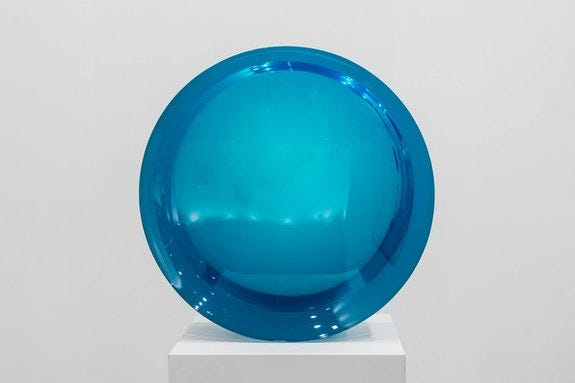
1970/1 Paige At Pasadena Art Museum With Warhol Wearing A Rudi Gernreich Dress. Meet Paige’s Date Bill Gardner & Artist DeWain Valentine. Venice Beach Studio. Art Scene LA.(Long) *Updated* 9/10/26
DeWain Valentine exhibit 1970 Pasadena Art Museum
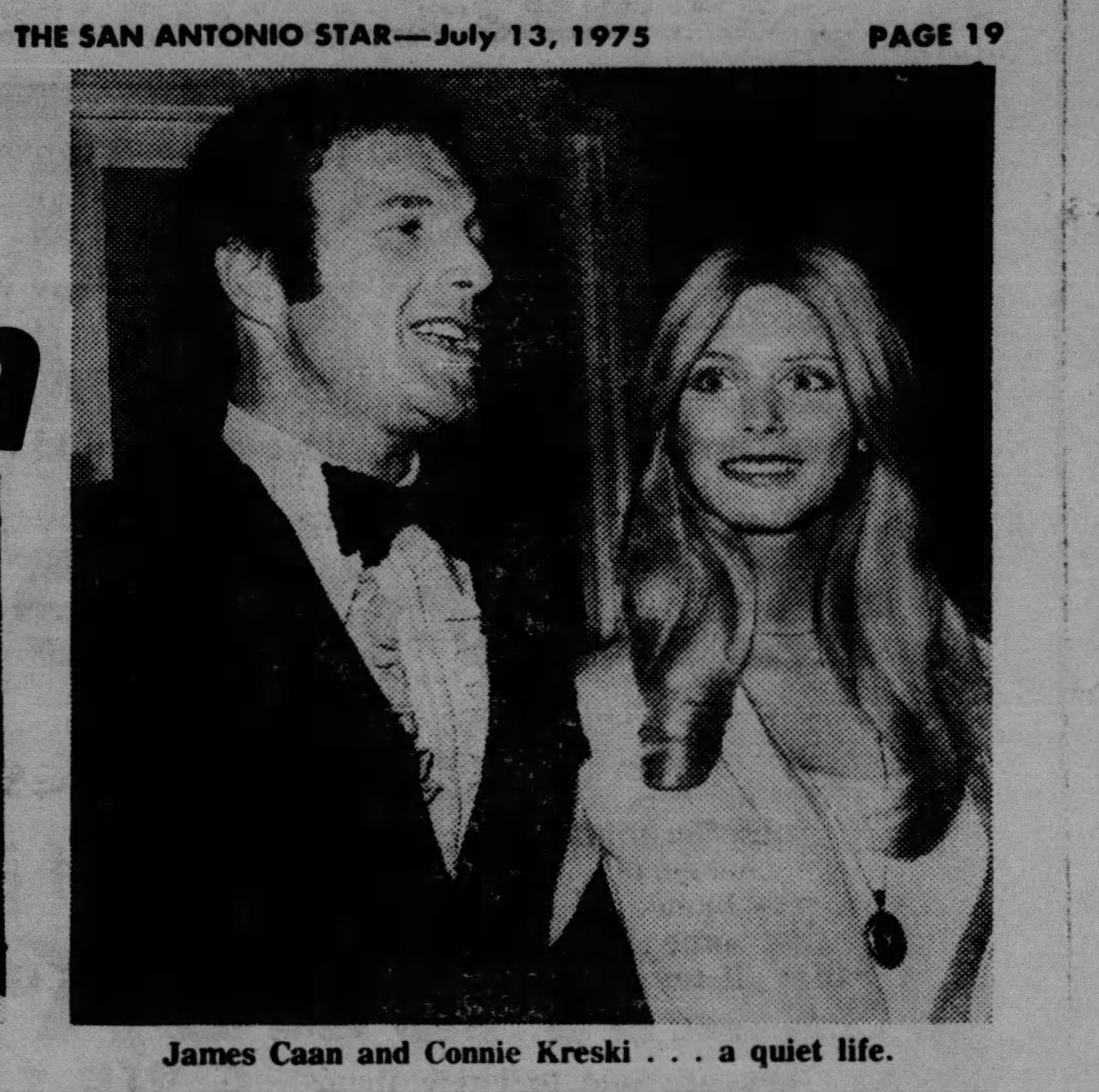
1969 January. Playboy Magazine. Playmate of the Year Contest. Winner: Connie Kreski. Anthony Newley. Roman Polanski. Can Heironymus Merkin Ever Forget Mercy Humppe…..? 1970s James Caan. Under Construction. Victor Lownes and Marilyn Cole. NSFW. 7-1-26 Undergoing Editing.
The January 1969 issue of Playboy introduces Connie Kreski as the Playmate of the Year (PMOY), succeeding Paige Young, a Playmate of the Month (PMOM). The PMOY title, akin to a prestigious beauty contest award, offers enhanced public exposure and career opportunities. Kreski had been an actress and dated several prominent figures, including Roman Polanski and James Caan. Her life ended prematurely in 1995 due to cirrhosis of the liver, raising questions about her struggles despite initial success. Connie’s story intertwines with notable 1960s pop culture events, including the Manson family murders.
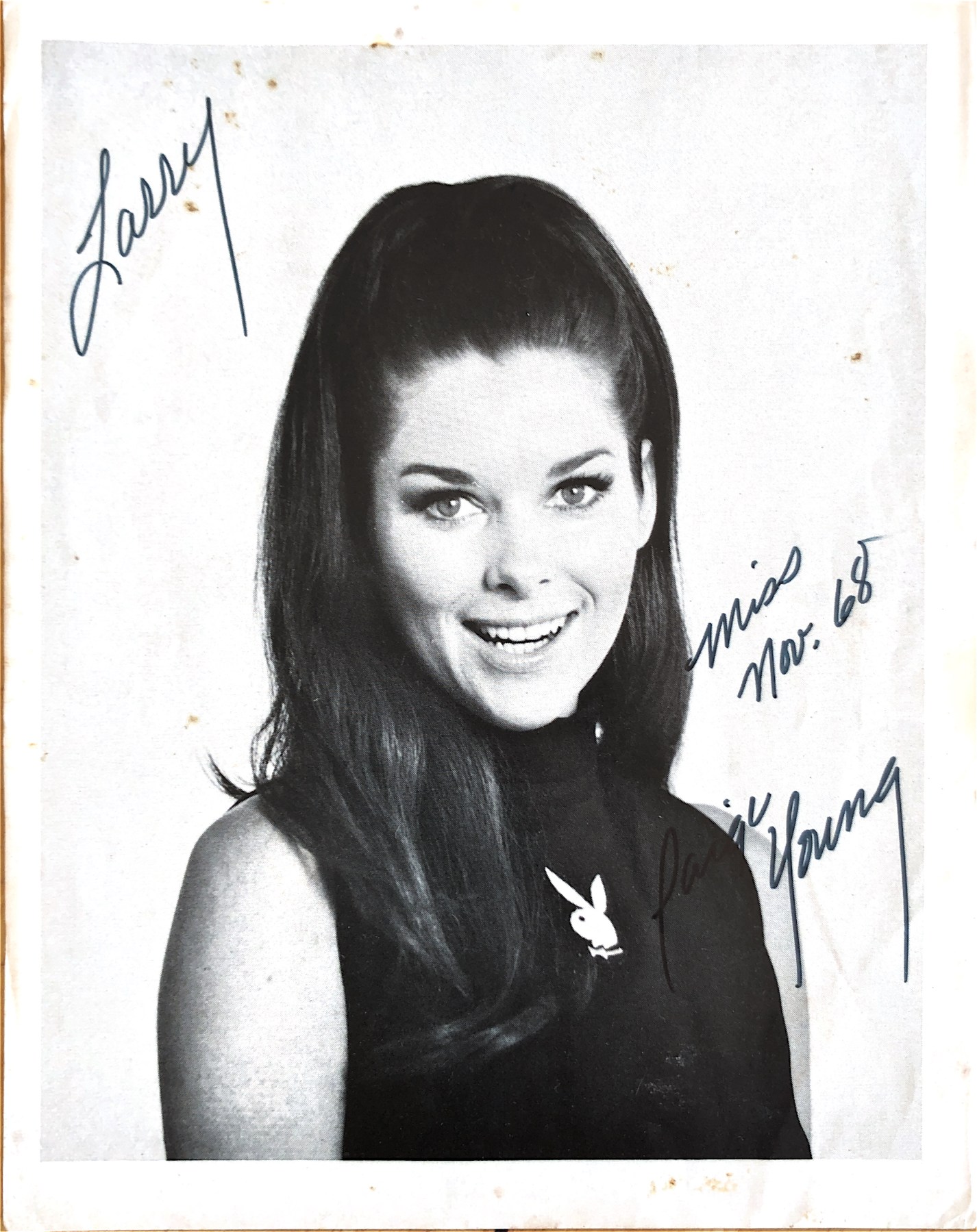
“Miss November 1968” 1969: Most Public Year, Playboy Tour. Queen of the Fleet. Marina del Rey. Playmate LIsa Baker. Jonathan Winters Show. High School Info. Many Images, May take a while to appear! Updated 8/10/26. LONG!
In November 1968, Paige Young was featured as Playboy Magazine’s Playmate of the Month amidst growing anti-Vietnam War sentiment on college campuses. Playboy donated issues to troops in Vietnam, where centerfolds like Young’s became popular. 1968 also witnessed the tragic assassinations of Martin Luther King Jr. and Robert F. Kennedy, events that spurred nationwide unrest. Despite her temporary fame, Young aspired to be a painter, struggling financially but relishing her creative independence, often appearing in media as a promotional ambassador for Playboy throughout 1969.
1950s #2 Diana Cotterell (Paige Young) in the SFV. Grade School. Sepulveda Stables. Van Nuys Junior High. Donna V. Remarries. Grandfather Ned Dies. Updated 3/15/25
Diana Cotterell likely began first grade in 1950 and lived in Gardena, based on census data. The family may have moved to Studio City by 1952. Diana attended Riverside Drive Elementary and Dixie Canyon Avenue School, demonstrating artistic talent by 1955. She dropped out after the 9th grade. Growing up in the San Fernando Valley, she developed a passion for horses and owned one named Hamish during her junior high years, reflecting common youthful interests of the time.
1950s #1 Updated 9/16/26: 1950 Census. Gardena. Move to San Fernando Valley. Ned & Virginia LaRocca. The Marinello/Bartletts. Recording Industry LA. Leith Stevens.
The San Fernando Valley (SFV) saw significant migration after World War II, with families like the LaRoccas moving to the area for various reasons. The 1950 census reveals details about the LaRocca family, including Joseph’s role as a Radio Orchestra Manager and Virginia’s work as a Christian Science Practitioner. They lived in Gardena before relocating to a duplex on Moorpark Street in Studio City. Family connections also included the Marinello family, who owned a nearby grocery store. The LaRoccas were part of a rapidly growing suburb that transformed from agricultural land to a bustling urban area, replete with shopping and housing developments.
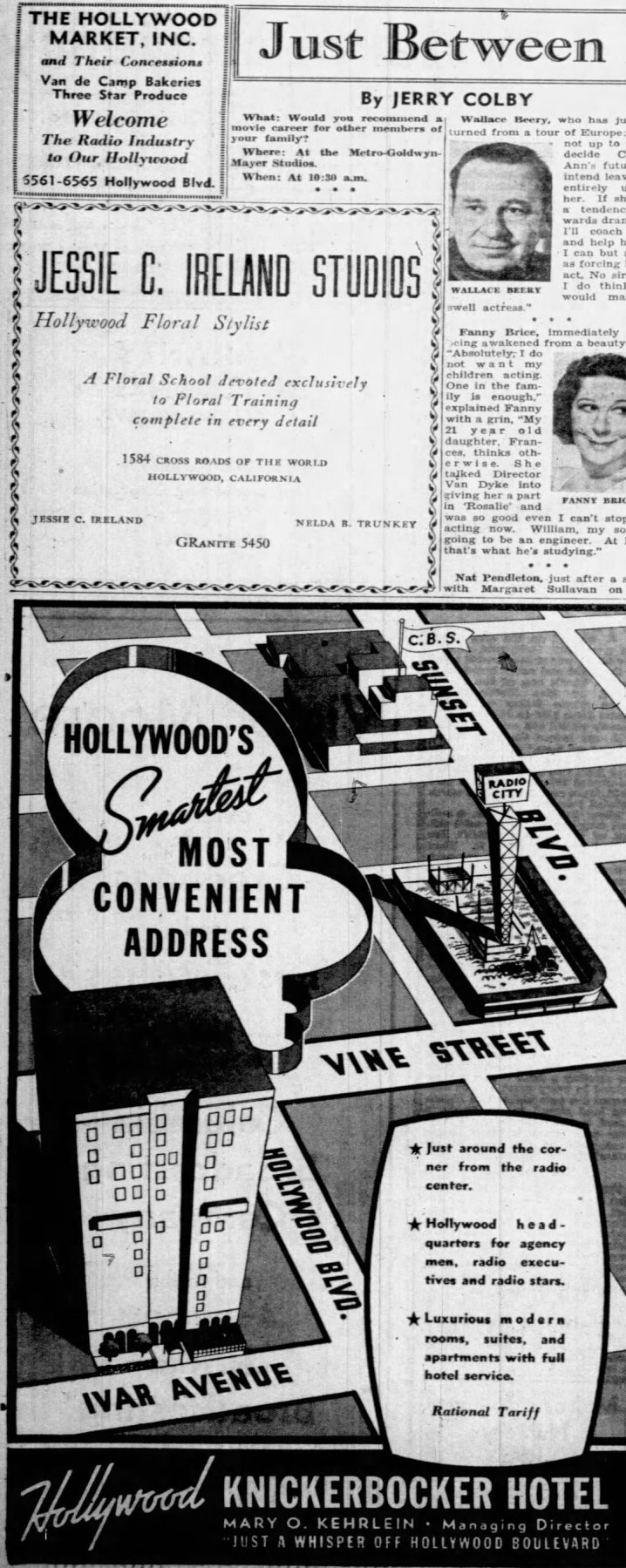
Family History #2. 1930s & 1940s. The Great Depression. Peoria. Move To LA. Frank & Rose. Marinellos. Radio City. Sunset and Vine. KNX. CBS. Architecture. Tom Breneman. Jane Harker #2 Warner Brothers. Samuel Lanier. Updated 1/6/2026
Frank LaRocca was a violinist and music director in Decatur, Illinois, during the 1920s, married to Rose. He later moved to Los Angeles with his family, where his brother Ned, also a musician, found work in the radio industry. Frank passed away in 1937 from complications of a perforated ulcer. His widow, Rose, returned to LA and worked various jobs. The LaRocca family members were deeply embedded in the entertainment scene as vaudeville performers and radio musicians throughout the 1930s and 1940s.
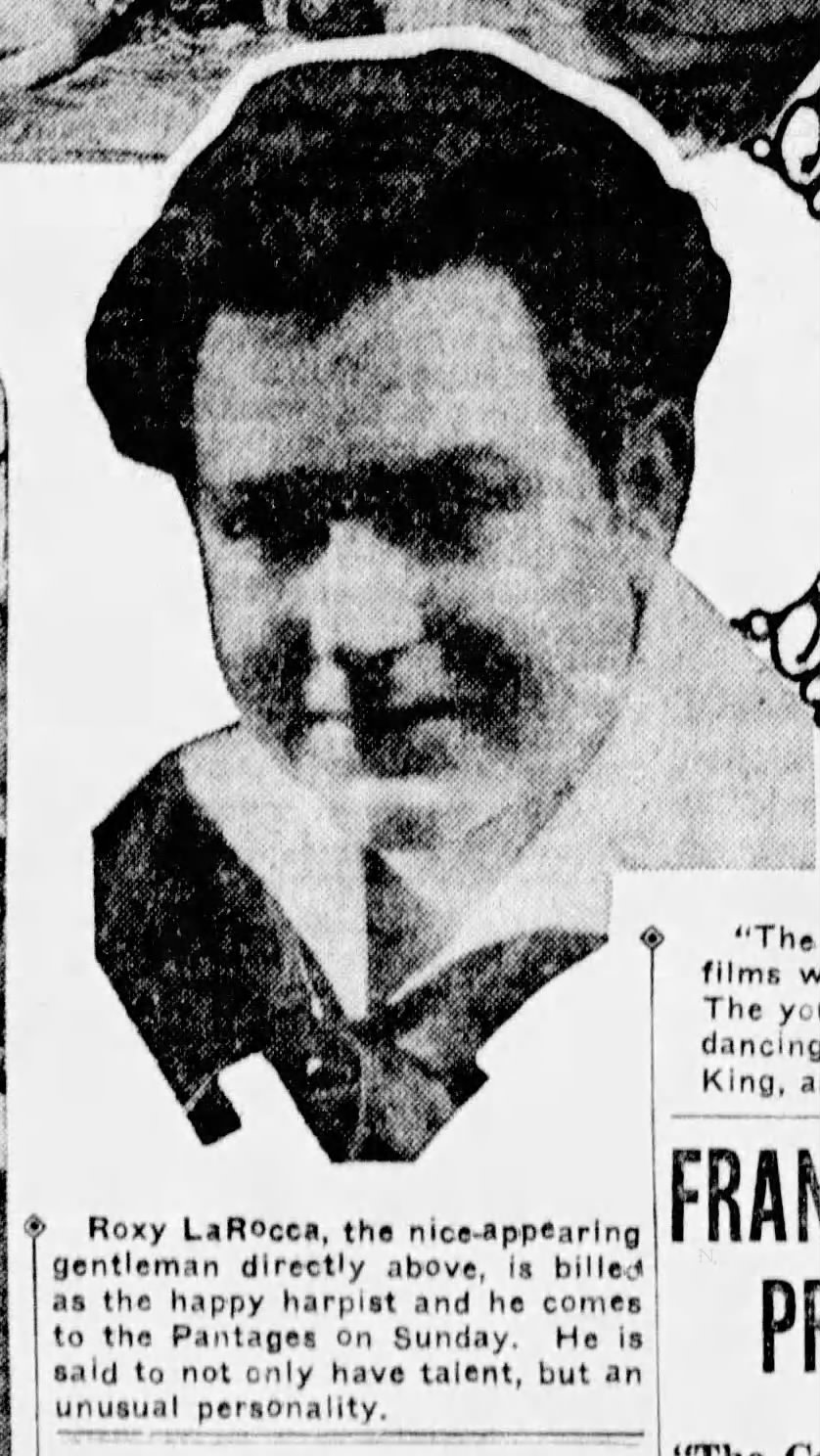
Family History #1:Teens, 1920s. Vaudeville. Joseph And Roxy LaRocca. Peoria. Virginia & Josephine Young. SLC. The Great Depression. Oakland.
Roxy LaRocca, known as “the Wizard of the Harp,” was a celebrated vaudeville performer and the great uncle of Diana Cotterell. Originating from a musically inclined family, Joseph Ned LaRocca was Roxy’s younger brother, and both toured the vaudeville circuits. Their father, Salvatore, was also a harpist. The LaRocca family faced challenges during the transition from vaudeville to emerging mass-media forms like radio, ultimately leading Roxy to retirement and local political involvement in Peoria.

